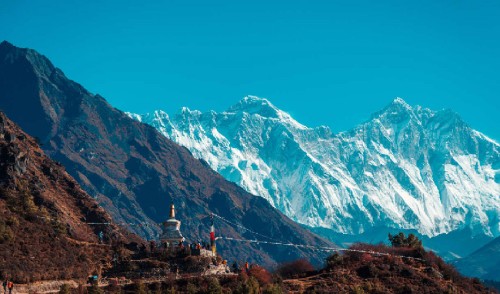
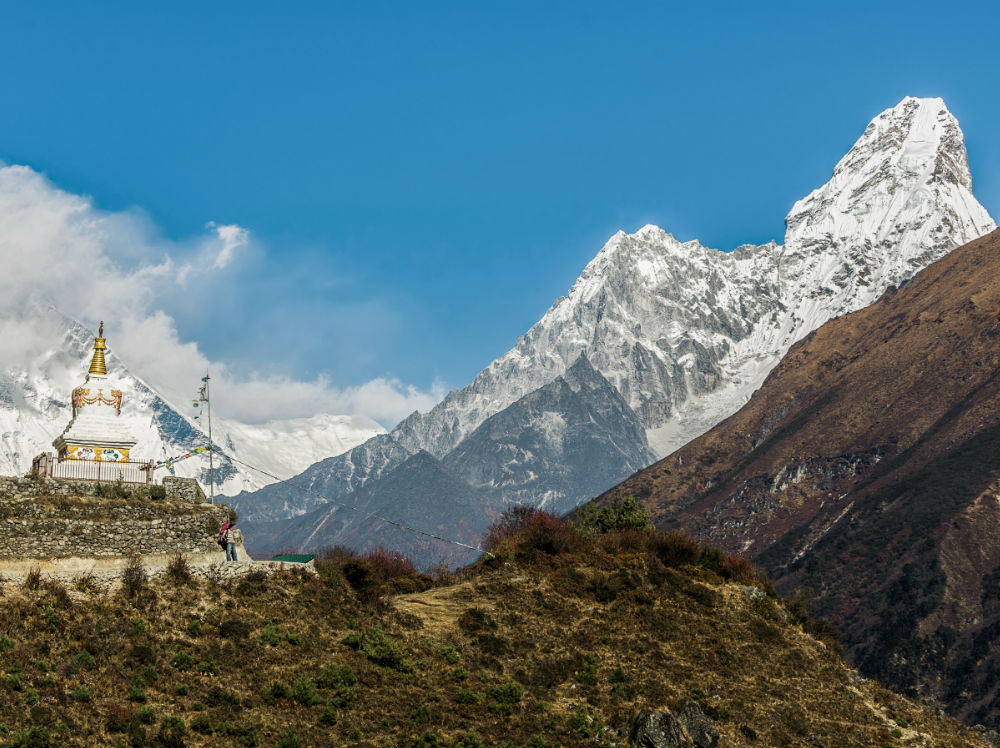
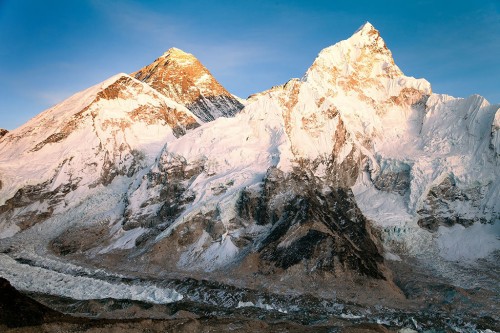
The Everest Renjo La Pass Trek is one of the most celebrated high-altitude trekking adventures in the Khumbu Everest region of Nepal, combining breathtaking Himalayan scenery, authentic Sherpa culture, remote mountain landscapes, and the spectacular Renjo La Pass. Compared with the complete Everest Three High Passes Trek, the Renjo La route offers a more focused and accessible high-pass experience while still delivering an unforgettable Himalayan adventure. The trail connects the traditional Thame Valley with the magnificent Gokyo Valley, creating an exciting alternative route through the Everest region. Nepal Tourism Board also identifies Renjo La as one of the high passes connecting Gokyo with the Thame–Nangpa La trail.
The adventure commonly begins with an early flight from Kathmandu to Lukla, the famous mountain gateway to the Everest region. From Lukla, the trail follows the scenic Dudh Koshi Valley, passing through traditional mountain settlements before gradually ascending toward Namche Bazaar. Situated at approximately 3,440 meters, Namche is the vibrant commercial and cultural hub of the Khumbu and an important acclimatization stop for trekkers heading toward the high Himalayas. Nepal Tourism Board describes the Lukla–Namche approach as a classic route into the Everest region, with numerous teahouses and Sherpa villages along the way.
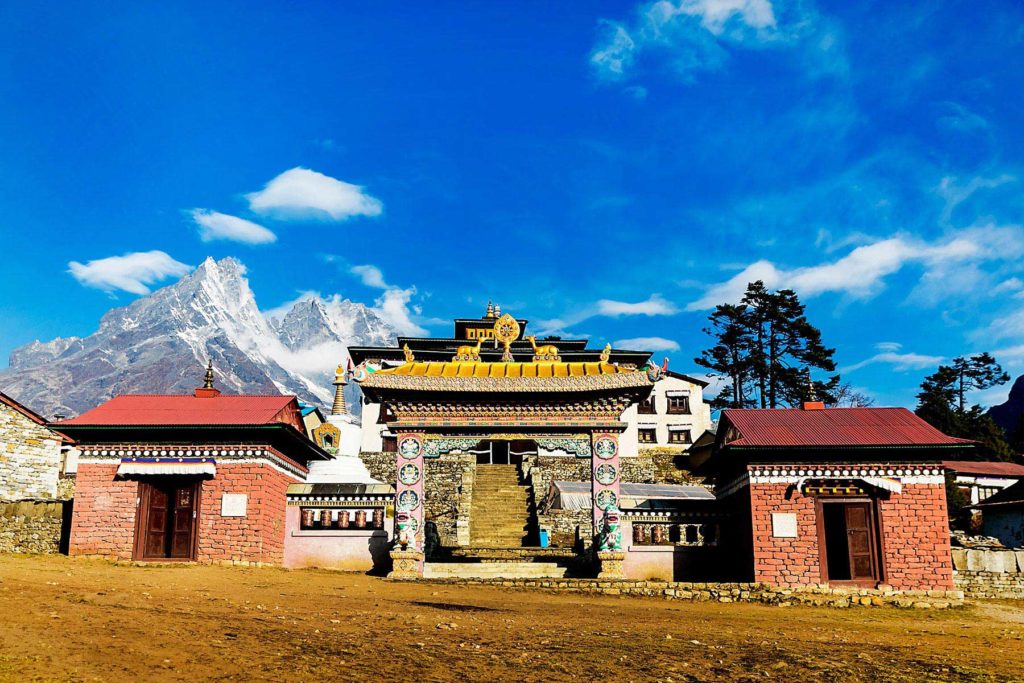
Namche Bazaar is much more than a trekking stop—it is a fascinating introduction to Sherpa culture and Himalayan mountain life. Along the trail, travelers encounter welcoming local communities, traditional stone houses, Buddhist monasteries, prayer wheels, Mani walls, colorful festivals, and centuries-old cultural traditions. The surrounding landscapes gradually transform from pine and rhododendron forests into alpine terrain, while dramatic Himalayan peaks begin to dominate the horizon. The Everest region is particularly renowned for its combination of spectacular mountain scenery and living Sherpa heritage.
One of the most memorable sections of the Everest Renjo La Pass Trek is the journey toward Thame, a historic Sherpa settlement located northwest of Namche. Thame lies on the route toward Renjo La and offers travelers an opportunity to experience a quieter and more traditional side of the Khumbu, away from the busiest sections of the Everest Base Camp trail. Nepal Tourism Board highlights Thame and nearby Thamo for their distinctive Sherpa culture and relatively untouched village atmosphere.
Thame is also associated with legendary Sherpa mountaineering traditions and famous Everest climbers. The village provides a meaningful cultural dimension to the trek, where trekkers can observe traditional homes, monasteries, prayer flags, yak herding, and the daily lifestyle of mountain communities. Walking through Thame makes the Renjo La journey more than simply a high-altitude hike—it becomes an immersive Sherpa cultural and Himalayan adventure.
The major adventure of the trek is crossing Renjo La Pass at approximately 5,360 meters. The ascent is demanding, particularly because of the altitude and steep mountain terrain, but reaching the top rewards trekkers with spectacular Himalayan panoramas. From the pass, the surrounding mountains, glaciers, valleys, and high-altitude landscapes create an unforgettable viewpoint across the Everest region.
Renjo La also provides a dramatic natural connection between Thame and Gokyo. Nepal Tourism Board specifically identifies Renjo La as one of the high passes leading out of the Gokyo Valley toward the Thame and Nangpa La area. For adventure seekers looking for a challenging but focused Everest-region pass crossing, this makes Renjo La an outstanding choice.
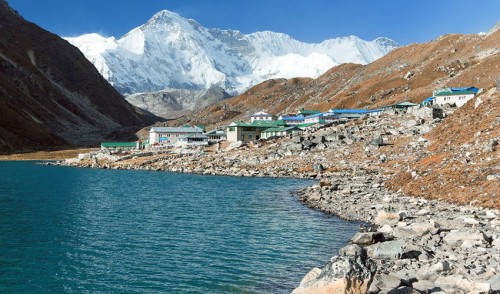
After crossing Renjo La, the trail descends toward the magnificent Gokyo Valley, one of the most beautiful landscapes in the Khumbu Himalaya. The valley is famous for its chain of brilliant turquoise glacial lakes, surrounded by enormous Himalayan peaks and rugged alpine terrain. Nepal Tourism Board notes that Gokyo is home to pristine turquoise lakes and spectacular views toward Cho Oyu, Everest, Lhotse, and Makalu.
The Gokyo Lakes provide an exceptional opportunity to rest, explore, photograph, and appreciate the peaceful atmosphere of the high Himalayas. The wider Gokyo wetland system contains six principal lakes and is recognized for its remarkable natural environment and biodiversity. The combination of glacial lakes, snow-covered peaks, ancient glaciers, and traditional teahouses makes Gokyo one of the most rewarding destinations on the Everest Renjo La route.
For travelers seeking an additional challenge, Gokyo Ri at approximately 5,357 meters offers one of the most impressive panoramic viewpoints in the region. The climb is steep but relatively short compared with the full trek, and the summit provides expansive views across the Himalayan skyline.
From Gokyo Ri, trekkers can admire Everest, Lhotse, Makalu, Cho Oyu, and numerous surrounding peaks when weather conditions are favorable. Nepal Tourism Board describes the viewpoint as offering a spectacular panorama extending across several of the world's highest mountains and the beautiful Gokyo Lakes below.
The Everest Renjo La Pass Trek offers an appealing combination of adventure and wilderness. Rather than following only the heavily traveled Everest Base Camp route, the journey explores the quieter Thame and Gokyo corridors, where trekkers can experience rugged valleys, alpine meadows, glacial landscapes, forests, rocky trails, and high mountain passes.
The changing landscape is one of the trek's greatest attractions. Lower sections feature pine, fir, birch, and rhododendron vegetation, while higher elevations gradually give way to alpine vegetation, bare rock, snow, and glaciers. The Sagarmatha National Park is also home to Himalayan wildlife including Himalayan tahr, musk deer, serow, and several bird species.
Crossing Renjo La Pass, exploring Thame, discovering the Gokyo Lakes, and climbing Gokyo Ri combine to create a remarkable Himalayan experience. Although the route can be considered more focused than completing all three Everest high passes, it still requires good physical preparation because of the altitude, steep ascents, rocky terrain, and demanding pass-crossing day.
Trekkers should allow adequate time for acclimatization, maintain a steady pace, stay properly hydrated, and follow professional mountain-guidance advice. Nepal Tourism Board emphasizes the importance of acclimatization in the Everest region because altitude rises rapidly.
The Everest Renjo La Pass Trek is an excellent option for travelers searching for a combination of high-altitude adventure, Sherpa culture, spectacular mountain views, Gokyo Lakes, Gokyo Ri, and an iconic Himalayan pass crossing. It offers a memorable alternative to the standard Everest Base Camp route while connecting some of the most fascinating landscapes of the Khumbu.
For international trekkers from the USA, Canada, Australia, Europe, and Asia, a professionally organized private or fixed-departure trek can provide valuable support with licensed guides, permits, accommodation, transportation, acclimatization planning, and secure booking. Under Nepal Tourism Board's current TIMS guidance, Gokyo Renjo La Pass Trek is among the Everest-region routes requiring a licensed trekking guide and agency-issued TIMS Card.
Whether your priority is Renjo La Pass, authentic Sherpa villages, Gokyo's turquoise lakes, Gokyo Ri sunrise, or panoramic Everest-region mountain views, this trek delivers an outstanding combination of culture, nature, challenge, and adventure. For 2027–2028, booking early with a reliable Nepal-based trekking company can help secure your preferred itinerary, experienced local guide, accommodation, and travel dates
Note: All the Domestic airlines flights to Lukla operated via Ramechhap-Manthali- Airport from the 1st of October 2022
As dawn's first light caresses the peaks of the Himalayas, you stand at Tribhuvan International Airport, a mix of anticipation and exhilaration swirling within you. The hum of the airport is a prelude to your adventure as you board a small aircraft bound for Lukla, the gateway to the legendary Khumbu region. The plane, a sturdy bird of metal and dreams, begins its ascent, and soon the sprawling city of Kathmandu fades into a patchwork of verdant valleys and terraced fields, revealing the rugged beauty of the mountains that lie beyond.
Within moments, the plane banks sharply, revealing breathtaking vistas of snow-capped giants piercing the sky. The thrill of soaring through the clouds, where the air is crisp and electric with possibility, sets your heart racing. As you descend, the landscape transforms into a dramatic tapestry of jagged ridges and deep valleys, culminating in the thrilling sight of Lukla’s famed Tenzing-Hillary Airport, perched precariously at 2,860 meters.
Once on solid ground, you are greeted by the invigorating mountain air, crisp and fragrant with pine. The vibrant energy of Lukla pulses around you—trekkers from around the globe, Sherpa guides exchanging greetings, and the melodic clatter of yak bells echoing in the distance. After a brief pause to gather your essentials, you set forth on your trek towards Phadking.
The trail winds down from Lukla, meandering through a verdant landscape alive with the chatter of birds and the rustle of leaves. Each step takes you deeper into the embrace of nature, the path lined with colorful prayer flags fluttering gently in the breeze, whispering blessings for your journey. As you walk, the sounds of civilization gradually fade, replaced by the soothing murmur of the Dudh Kosi River below, its waters sparkling like shards of glass in the sunlight.
The trek to Phadking is both invigorating and serene. You cross rustic wooden bridges, pausing to gaze into the crystal-clear waters that mirror the sky above. Small villages dot the landscape, where locals go about their daily lives, their laughter and conversation filling the air with warmth and community spirit. The scents of woodsmoke and the distant aroma of cooking waft through the air, drawing you into the simple charm of the mountains.
As the sun begins to dip behind the towering peaks, casting a golden hue over the landscape, you finally arrive in Phadking, nestled in a tranquil valley. The village is a serene sanctuary, where you can rest and prepare for the adventures that lie ahead. You find solace in the warm hospitality of the local lodges, where stories of the mountains intertwine with the aroma of freshly brewed chai. Here, under a blanket of stars and the watchful gaze of the mountains, your journey truly begins, an odyssey into the heart of the Himalayas.
The dawn breaks over Phadking, casting a soft golden light upon the tranquil village. As you lace your boots, a sense of anticipation tingles in the crisp mountain air. The trail from Phadking to Namche Bazaar is both a physical journey and a passage into the heart of Sherpa culture, with each step echoing the stories of those who have walked these paths before.
As you set off, the path winds upward through lush rhododendron forests, their vibrant blooms a burst of color against the rich green foliage. The gentle sound of the Dudh Kosi River accompanies you, its waters shimmering like diamonds in the morning sun. With every ascent, the air grows thinner, but your spirit soars higher, fueled by the breathtaking vistas unfolding before you.
After several hours of steady trekking, the landscape transforms into a stunning panorama of snow-capped peaks. As you approach Namche Bazaar, the first glimpse of this bustling hub takes your breath away. Nestled in an amphitheater of towering mountains, the town buzzes with energy, its colorful lodges and shops inviting you to explore. Here, the essence of the Himalayas comes alive, welcoming you into a world where adventure awaits at every turn.
In the heart of the Khumbu region, Namche Bazaar stands as a vibrant gateway to the Himalayas, a sanctuary of culture and life cradled within towering peaks. As you acclimatize here, the rhythmic pulse of this bustling town envelops you, a harmonious blend of tradition and adventure. The air is crisp and exhilarating, each breath filled with the promise of the mountains.
Strolling through the lively market, you encounter Sherpa merchants, their laughter mingling with the fragrant aroma of local cuisine wafting from open kitchens. The colorful prayer flags flutter overhead, carrying whispers of ancient prayers into the cobalt sky. You pause to savor a cup of warm chai, the warmth seeping into your bones as you take in the stunning vistas surrounding you.
Take time to explore the Sherpa culture, visiting monasteries adorned with intricate carvings and vibrant murals that tell stories of faith and endurance. With every moment spent here, your body begins to embrace the altitude, and your spirit intertwines with the magic of this place. As the sun sets behind the jagged peaks, painting the sky in hues of orange and pink, you feel a sense of gratitude for this fleeting yet profound experience in the heart of the Himalayas.
From the bustling embrace of Namche Bazaar at 3,440 meters, the trek to Thame Village unfolds like a tale woven through the very fabric of the Himalayas. As you set forth, the trail gently descends, offering a moment to breathe in the pristine air and gaze upon the rugged peaks that stand sentinel against the horizon. The vibrant colors of prayer flags flutter in the crisp mountain breeze, carrying the whispers of ancient prayers toward the heavens.
The path meanders alongside the roaring Bhote Koshi River, its turquoise waters a striking contrast to the earth tones of the rugged landscape. With each step, you find yourself surrounded by towering pine trees and distant snow-capped mountains, a reminder of nature's grandeur.
After approximately 4 to 5 hours of trekking, you reach the serene enclave of Thame at 3,820 meters. Nestled beneath the watchful gaze of the iconic Thamserku and the sacred peaks of the Khumbu, Thame Village offers a tranquil respite. Here, the simplicity of village life unfolds before you: traditional stone houses, fields of barley swaying gently in the breeze, and the sound of laughter echoing through the valleys. In this peaceful haven, you feel the heartbeat of the Himalayas, a deep connection to the land and its people.
Leaving the serene embrace of Thame Village at 3,820 meters, the trek to Lungden begins as the morning sun casts a golden hue over the rugged landscape. The trail rises steadily, winding through fields dotted with wildflowers and the occasional flutter of colorful prayer flags that dance in the gentle breeze. Each step draws you deeper into the heart of the Himalayas, where every breath is a reminder of the altitude and the purity of the air surrounding you.
As you ascend, the path narrows and begins to contour around rocky outcrops, revealing breathtaking vistas of the surrounding peaks, including the majestic Thamserku. The sound of the Bhote Koshi River fades into the background, replaced by the serene whispers of the mountains. After about 4 to 5 hours of trekking, you arrive at Lungden, perched at an elevation of 4,400 meters.
This small, remote settlement offers a rare glimpse into the traditional lifestyle of the high Himalayas. Stone houses with their weathered facades stand resilient against the elements, while the distant silhouette of the towering mountains looms above, a constant reminder of nature's grandeur. In Lungden, time feels suspended, allowing you to breathe in the profound tranquility of this high-altitude sanctuary.
The journey from Lungden to the enchanting Gokyo Lakes is a pilgrimage through the heart of the Himalayas, crossing the magnificent Renjo La Pass at 5,388 meters. As dawn breaks over Lungden, the crisp air fills your lungs, invigorating your spirit for the ascent ahead. The trail begins with a steep climb, winding through rugged terrain adorned with the vibrant hues of alpine flora. Each step draws you closer to the sky, as the world below fades into a tapestry of greens and browns.
As you near Renjo La, the wind whispers secrets of the mountains, and the panoramic views unfold before you like a painter's masterpiece. From the pass, gaze upon the vast expanse of the Khumbu region, with its towering peaks and glistening glaciers. Here, the air is thin, but the heart swells with awe and reverence.
Descending towards Gokyo, the shimmering lakes come into view, their turquoise waters reflecting the sky’s hues. The tranquility of this alpine paradise envelops you, and as you reach the shores of Gokyo Lakes, the serene beauty of your surroundings becomes a cherished memory, forever etched in your soul.
Exploring Gokyo Lake, nestled at an elevation of 4,700 meters, is akin to wandering through a surreal dreamscape, where the ethereal beauty of the Himalayas unfolds in every direction. As you approach the shores of this stunning glacial lake, its deep azure waters shimmer under the vast expanse of the sky, mirroring the towering peaks that cradle it. Each ripple in the water seems to tell stories of ancient glaciers and the rhythms of time, inviting you to pause and reflect.
The air here is crisp and invigorating, scented with the freshness of untouched nature. With every breath, you draw in the essence of this pristine wilderness. The surrounding landscape, adorned with rocky outcrops and patches of verdant grass, creates a vibrant contrast against the crystalline blue of the lake. As you walk along the shores, the serene silence is occasionally broken by the distant echoes of avalanches tumbling down the mountainsides, a reminder of the raw power of nature that shapes this land.
As the sun climbs higher, casting a golden glow upon the lake's surface, you can’t help but feel a sense of tranquility wash over you. The beauty of Gokyo is not just in its stunning visuals but in the serenity it brings to the spirit. Take a moment to absorb this magical atmosphere, perhaps even dipping your fingers into the icy waters, feeling the pulse of the earth beneath you. Here, at this remote altitude, surrounded by the towering giants of the Himalayas, the world feels both infinitely vast and intimately close, a sacred sanctuary for those who seek solace in nature’s embrace.
As you set out from the tranquil embrace of Gokyo Valley, the sun begins to rise, painting the sky in shades of orange and gold, heralding a new day at 4,800 meters. The breathtaking panorama of the Gokyo Lakes fades behind you, but the memories of their striking blue hues linger in your heart. Each step forward leads you down the well-trodden path, surrounded by towering peaks that stand sentinel, their snow-capped summits glistening in the morning light.
The descent begins, and with it comes a refreshing breeze that carries the crisp, clean scent of pine and earth. The trail winds its way through rocky outcrops and patches of ancient glacial moraines, guiding you through the rugged beauty of the Khumbu region. Alongside you, the distant sounds of cascading streams weave a melodic backdrop, as if nature itself is composing a symphony to accompany your journey.
As you traverse the undulating terrain, the altitude gradually shifts from the lofty heights of Gokyo to the more hospitable elevation of 4,000 meters as you approach Dole. The landscape transforms subtly, with the starkness of high-altitude tundra giving way to clusters of vibrant rhododendron and resilient shrubs, their colors a joyful contrast against the rocky canvas. Each breath, though tinged with the thinness of the air, invigorates your spirit, filling you with a sense of connection to the wild surroundings.
Upon reaching Dole, perched at about 4,038 meters, you are greeted by a breathtaking vista that reveals the beauty of the valley below. The village, a quaint cluster of lodges and homes, welcomes you with the warmth of its hospitality, inviting you to rest and rejuvenate. As you settle in for the evening, the sun dips behind the mountains, casting long shadows and bathing the landscape in a soft, golden light. Here, at the edge of the wilderness, you find solace in the simplicity of your surroundings, the adventures of the day echoing in your heart as you prepare for the journeys yet to come.
As dawn breaks over Dole, the first rays of sunlight spill across the rugged landscape, illuminating the path ahead with a golden hue. Standing at an altitude of approximately 4,038 meters, you breathe in the crisp mountain air, invigorated by the promise of adventure. Today’s trek will take you from Dole to Namche Bazaar, a vibrant trading hub nestled at 3,440 meters, where the spirit of the Khumbu region comes alive.
The trail meanders down through the enchanting forests of rhododendron and pine, their vibrant colors whispering tales of resilience against the harsh elements. With each step, you descend into the embrace of lush greenery, a stark contrast to the rocky highlands you have just traversed. The path is often steep, twisting and turning like a ribbon through the mountains, but the effort is rewarded with breathtaking views at every bend. Glancing back, the silhouettes of the peaks rise majestically against the azure sky, a reminder of the heights you have conquered.
As you make your way toward Namche, the sounds of the wilderness accompany you—a distant waterfall cascades down rocky cliffs, and the rustle of leaves dances in the wind. Along the route, you might encounter local Sherpa herders tending to their yaks, their hearty laughter and cheerful greetings adding warmth to the chilly air. These brief interactions ground you in the vibrant culture of the region, weaving a tapestry of connection with the land and its people.
The altitude gradually lowers, and as you approach the village of Namche, the landscape opens up, revealing terraced fields and clusters of quaint lodges. The air becomes richer, and you can feel your body responding to the change as you descend further into the valley. The sense of anticipation grows as you near Namche, where the lively market buzzes with traders, trekkers, and the aroma of local cuisine wafting through the air.
Finally, you reach Namche Bazaar, where the rugged mountain lifestyle intertwines seamlessly with the vibrant pulse of community life. Nestled beneath the looming peaks, this charming village greets you with open arms. You take a moment to pause, taking in the kaleidoscope of colors, sounds, and scents that define this enchanting place. As you explore the bustling market streets and lively cafes, you are enveloped by the spirit of the Himalayas—a reminder that every trek is not just a journey through landscapes, but a pilgrimage into the heart of a living culture.
The trek from Namche Bazaar to Lukla is a journey that weaves through the very fabric of the Khumbu region, encapsulating the essence of the Himalayas. As dawn breaks, the sun casts a warm glow over Namche, bathing the village in hues of gold and amber. Nestled at an altitude of 3,440 meters, Namche is a vibrant hub filled with the spirit of Sherpa culture, and as you prepare to depart, you take a moment to absorb its charm one last time.
The trail leads you downward, winding through terraced fields and thick forests of pine and rhododendron. At this elevation, the crisp mountain air invigorates your lungs, filling you with energy as you navigate the undulating paths. Each step reverberates with the memories of the mountains you've encountered, their towering silhouettes still fresh in your mind. The chirping of birds and the rustle of leaves create a soothing symphony, guiding you along the route.
As you descend, the altitude shifts gradually, dropping toward the 2,840-meter mark of Lukla. The trail follows the contours of the hills, offering breathtaking views of the surrounding peaks. You catch glimpses of the imposing Khumbila and the distant, shimmering summit of Ama Dablam, their majestic forms serving as constant reminders of the grandeur of nature. Occasionally, you cross suspension bridges that sway gently over gurgling rivers, their crystal-clear waters reflecting the brilliance of the sky above.
Along the way, you might encounter fellow trekkers and local Sherpas, their warm greetings echoing the camaraderie that defines this journey. The rhythmic sound of footsteps and the rustle of gear create a shared melody that unites all who walk this path. As you approach the village of Phakding, situated at 2,610 meters, the atmosphere becomes increasingly lively, with small teahouses beckoning tired travelers with promises of warm meals and hearty conversations.
After a well-deserved break, you resume your trek toward Lukla, the final destination of this memorable journey. The path narrows as you approach the bustling airport town, with its colorful shops and cheerful lodges. The air carries a hint of excitement, as trekkers and mountaineers eagerly await flights to the outside world.
Finally, as you step into the heart of Lukla, you are enveloped by a sense of accomplishment. The sound of propellers and the sight of planes landing on the small, iconic runway serve as a fitting conclusion to your adventure. You pause to reflect on the wonders you've witnessed and the stories you've gathered, grateful for the journey that has led you to this vibrant tapestry of life amid the mighty Himalayas. The memories of Namche, the serene forests, and the majestic peaks will forever echo in your heart as you prepare to embark on the next chapter of your adventure.
The flight from Lukla to Kathmandu is a brief yet exhilarating farewell to the mighty Himalayas that have cradled your spirit for days. As you board the small aircraft, a sense of anticipation fills the cabin. You settle into your seat, surrounded by fellow adventurers, each carrying stories of their own. The plane's engines roar to life, and with a gentle lurch, you are airborne, leaving the vibrant chaos of Lukla behind.
As the aircraft ascends, the landscape unfurls below you like a living tapestry. The rugged peaks, once towering giants, now appear as part of a grand mosaic, their snow-capped summits glimmering in the morning sun. The green valleys and winding rivers, with the distant echoes of Sherpa villages, offer a nostalgic glimpse of the trails you've traversed.
With every passing moment, the breathtaking panorama shifts and transforms. You soar over the ancient city of Namche Bazaar, its terraced fields and vibrant lodges mere specks on the earth, and the memory of your adventures fills your heart with warmth.
As the plane approaches Kathmandu, the bustling city reveals itself, a vibrant contrast to the serene wilderness you've just experienced. Touching down at Tribhuvan International Airport, you carry with you the indelible mark of the mountains, the spirit of adventure lingering in your soul as you prepare to return to the rhythm of city life.
The Everest Renjo-La Pass Trek 2027–2028 is a spectacular high-altitude adventure through the remote landscapes of Nepal's Khumbu Everest region. The journey combines traditional Sherpa villages, dramatic Himalayan scenery, the historic Thame Valley, the challenging Renjo-La Pass, and the beautiful turquoise lakes of Gokyo.
The route offers an exciting alternative to the standard Everest Base Camp trail, taking trekkers through less-crowded mountain landscapes while still providing extraordinary views of Everest, Lhotse, Makalu, Cho Oyu, and other Himalayan peaks. Nepal Tourism Board officially lists the Gokyo Renjo La route among the Everest-region trekking routes.
The trek is famous for its combination of Renjo-La Pass, Gokyo Valley, Gokyo Lakes, Sherpa culture, Thame Village, and panoramic Himalayan views. Unlike a standard Everest Base Camp itinerary, this adventure explores the western side of the Khumbu and provides a more wilderness-oriented trekking experience.
The route is particularly attractive to experienced travelers who want a challenging high-pass trek without necessarily completing all three major Everest passes. Gokyo Valley itself is renowned for its turquoise glacial lakes and spectacular views toward Cho Oyu, Everest, Lhotse, and Makalu.
The Everest Renjo-La Pass Trek is challenging, mainly because of the high altitude and the crossing of Renjo-La at approximately 5,360m. Trekkers encounter steep ascents, rocky terrain, potentially snowy trails, cold temperatures, and long trekking days.
It is not a technical mountaineering expedition, but good physical fitness, endurance, preparation, and appropriate acclimatization are essential. Travelers should be comfortable walking several hours per day on uneven mountain trails.
The highest point is Renjo-La Pass, approximately 5,360m above sea level. Depending on the itinerary, trekkers may also climb Gokyo Ri at approximately 5,357m, making both destinations significant high-altitude highlights.
Because the trek reaches above 5,000m, gradual acclimatization is extremely important. Nepal Tourism Board also emphasizes proper acclimatization in the Everest region because altitude can increase rapidly.
The route provides spectacular opportunities to see some of the world's highest Himalayan peaks, including Mount Everest, Lhotse, Makalu, Cho Oyu, Nuptse, Ama Dablam, and numerous surrounding peaks, depending on weather and viewpoint.
Gokyo Ri is especially famous for its panoramic mountain views. Nepal Tourism Board describes the Gokyo viewpoint as offering a broad panorama extending from Cho Oyu and Everest toward Lhotse and Makalu.
A complete Everest Renjo-La Pass Trek commonly takes around 14–16 days, depending on the itinerary, acclimatization schedule, Lukla flight arrangements, and whether additional days are included in Gokyo or Namche.
Nepal Tourism Board itself publishes a suggested 14–16-day itinerary for trekking to Gokyo through Renjo La.
A private itinerary can be adjusted to include additional acclimatization, Gokyo Ri, Fifth Lake, or extra cultural exploration in the Khumbu.
The most favorable periods are generally spring (March–May) and autumn (September–November). These seasons normally provide better trekking conditions, good visibility, and excellent opportunities for Himalayan photography.
October and November are particularly popular for clear mountain views, while spring offers blooming rhododendrons at lower elevations. Winter is possible for experienced trekkers, but heavy snow and freezing temperatures can make Renjo-La more difficult. Nepal Tourism Board identifies spring and autumn as major trekking seasons in Nepal.
Yes, experienced and properly equipped trekkers can attempt the route in December, January, and February, but winter conditions require additional preparation. Snow, ice, strong winds, and very cold temperatures can affect the high-pass section.
Winter trekking offers quieter trails and dramatic snow-covered landscapes, but conditions around Renjo-La can change rapidly. A professional local guide should assess weather and trail conditions before crossing the pass.
Yes. According to the current Nepal Tourism Board TIMS guidance, Gokyo Renjo La Pass Trek is specifically listed among Everest-region routes requiring trekkers to be accompanied by a licensed trekking guide and carry an agency-issued TIMS Card.
A qualified local guide is also valuable for navigation, altitude management, weather assessment, accommodation coordination, cultural interpretation, and emergency support.
Trekkers generally need the applicable Sagarmatha National Park entry permit and TIMS Card for the Everest-region route. The current Nepal Tourism Board guidance specifically includes Gokyo Renjo La Pass Trek under the revised TIMS system.
Permit fees and administrative procedures can change before the 2027–2028 season, so travelers should confirm the latest requirements when booking. A registered trekking company can normally arrange the required documentation as part of the trekking package.
The Everest Renjo-La Pass Trek cost for 2027–2028 depends on the number of trekking days, group size, guide and porter services, accommodation, meals, permits, transportation, Lukla flights, and whether you choose a private or group departure.
A low advertised price may not include all essential services, so international travelers should compare the complete package rather than the headline price alone. Ask for a transparent breakdown covering permits, guide, porter, accommodation, meals, transportation, flights, insurance responsibilities, and emergency support.
A professionally arranged package may include Kathmandu–Lukla flights, licensed local guide, porter service, trekking permits and TIMS arrangements, teahouse accommodation, meals during the trek, ground transportation, and necessary trekking support, depending on the selected package.
Adventure Nepal Eco Treks Pvt. Ltd. can also arrange private departures, customized itineraries, airport transfers, hotel accommodation, and additional services. Always request a written list of inclusions and exclusions before confirming your booking.
The trek offers a remarkable collection of Himalayan highlights, including:
Nepal Tourism Board highlights Gokyo's glacial lakes, Ngozumpa Glacier, Gokyo Ri, and panoramic views of the major Himalayan peaks as key attractions of the area.
A classic route starts with a flight from Kathmandu to Lukla, followed by trekking through Phakding and Namche Bazaar. The trail then continues toward the quieter Thame Valley and higher settlements before crossing Renjo-La Pass to reach the spectacular Gokyo Valley.
After exploring Gokyo and optionally climbing Gokyo Ri, trekkers descend through the Gokyo Valley toward Dole and Namche before returning to Lukla for the flight back to Kathmandu. Exact overnight stops can vary according to the itinerary. Nepal Tourism Board's suggested Renjo La itinerary follows this general Lukla–Namche–Thame/Lungden–Renjo La–Gokyo route.
The trek is not usually recommended as a first-ever high-altitude trek for completely inexperienced hikers. While no technical climbing is required, the 5,000m-plus altitude, demanding terrain, and high-pass crossing make it significantly more challenging than an easy trekking route.
Fit beginners who have completed lower-altitude treks and undertake proper training may consider it with a private itinerary and experienced guide. Regular hiking, stair climbing, cardiovascular exercise, and endurance training are strongly recommended before departure.
Yes. Sherpa culture is one of the major reasons to choose this route. The journey passes through traditional communities such as Namche and Thame, where travelers can experience mountain architecture, Buddhist traditions, monasteries, prayer flags, Mani walls, local hospitality, and traditional Himalayan lifestyles.
Nepal Tourism Board describes Thamo and Thame as Sherpa settlements on the way to Renjo La that offer a relatively untouched cultural experience.
Yes. Altitude sickness is an important consideration because the route reaches above 5,000m. Possible symptoms include headache, dizziness, nausea, unusual fatigue, loss of appetite, and difficulty sleeping.
The safest approach is gradual ascent, planned acclimatization, adequate hydration, moderate pacing, and immediate communication with your guide if symptoms develop. Serious altitude-related symptoms should never be ignored, and descending to a lower elevation may be necessary.
Yes. A private Everest Renjo-La Pass Trek 2027–2028 can be customized around your preferred duration, fitness level, group size, acclimatization needs, accommodation preferences, and sightseeing priorities.
You can add extra time in Namche or Gokyo, include Gokyo Ri or the Fifth Lake, adjust daily walking distances, or combine the route with other Everest-region experiences. Private trekking is especially attractive for couples, families, friends, photographers, and experienced hikers who want a flexible schedule.
Booking with Adventure Nepal Eco Treks Pvt. Ltd. allows international travelers to arrange their Everest Renjo-La adventure directly with a Nepal-based trekking company. A professionally organized package can provide support with licensed local guides, TIMS and permits, accommodation, porter service, transportation, itinerary planning, acclimatization, and emergency coordination.
For 2027–2028, travelers can request a competitive best-price trekking package, private trek, fixed departure, or customized itinerary. When comparing companies, look beyond price and evaluate guide experience, safety planning, permit handling, accommodation standards, transparent inclusions, and customer support. A well-planned Renjo-La Pass Trek delivers the ideal combination of high-altitude adventure, Sherpa culture, Gokyo Lakes, spectacular mountain views, and an unforgettable Himalayan experience.
Nepal , Everest Region Trekking
Nepal , Everest Region Trekking
Nepal , Everest Region Trekking
Nepal , Everest Region Trekking
Nepal , Everest Region Trekking
Nepal , Everest Region Trekking
Nepal , Everest Region Trekking
Nepal , Everest Region Trekking
Nepal , Everest Region Trekking
.jpeg)