
16th Jun, 2024
Annapurna Circuit Trek in October and November, weather,Temperature, food
Embark on a majestic voyage through the Annapurna Circuit in October and November 2025. Experience the serene splendor of autumn in the Himalayas, where ancient trails lead through golden valleys, timeless villages, and breathtaking peaks. Discover a world where each step weaves a story of nature's grandeur and spiritual solace, framed by the crisp, clear air of high-altitude adventure
Table of Contents
Annapurna Circuit Trek in October & November: A Journey Through the Himalayan Autumn
The Annapurna Circuit Trek is a legend among treks—a journey that takes you through lush subtropical forests, terraced farmlands, arid valleys, and towering Himalayan passes. And if there’s a perfect season to experience its grandeur, it’s October and November.
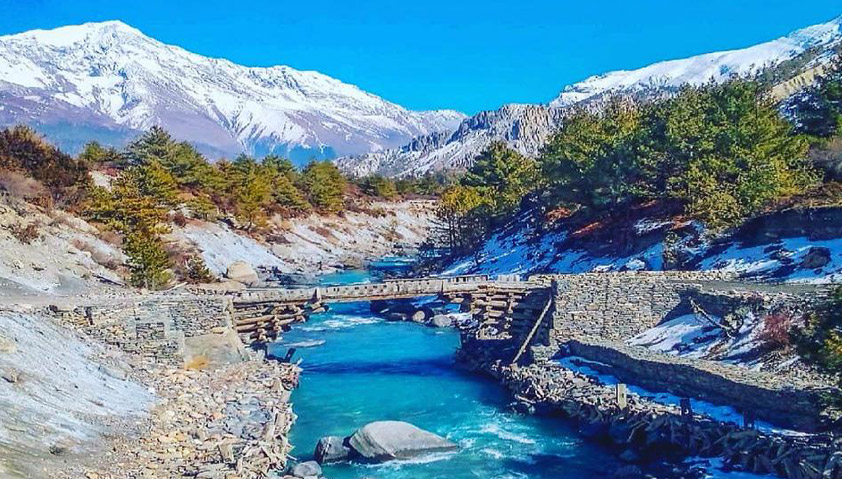
As the autumn sun casts golden light over the snow-draped peaks, the trek transforms into a dreamscape of clear skies, crisp air, and breathtaking scenery. The air is cool and refreshing, and the mountain views stretch endlessly.
If you’re planning to take on the iconic Thorong La Pass (5,416m), wander through ancient Tibetan-style villages, and witness the diverse landscapes of the Annapurna region, this is the time to go.
#Weather & Temperature in October and November
October: Clear Skies & Perfect Conditions
October is peak trekking season in Nepal, with stable weather and pleasant temperatures throughout the route. The sky remains crystal clear, and visibility is unparalleled.
Daytime temperatures (1,000m - 4,000m): 10°C to 20°C (mild and perfect for trekking).
Night temperatures at higher altitudes (4,000m+): -5°C to -10°C (chilly but manageable with warm gear).
Weather conditions: Sunny days, cool nights, and light breezes in the valleys.
#November: Crisp Air & Snow-Capped Peaks
By November, the air turns crisper, and the mountains shine brighter under the clear autumn sky. Late in the month, light snowfalls may occur at higher elevations, adding a mystical touch to the trek.
Daytime temperatures (1,000m - 4,000m): 5°C to 18°C (getting cooler but still comfortable).
Night temperatures at high altitude: -8°C to -15°C (freezing at Thorong La Pass).
#Weather conditions: Very stable, dry, and excellent for trekking.
🏔 Best Time for Views: Early morning treks (before 10 AM) offer the sharpest views of Annapurna, Dhaulagiri, Manaslu, and Tilicho Peak.
|
Location |
Altitude (m) |
Altitude (ft) |
Temperature (°C) (Oct-Nov) |
|
Besisahar (Start Point) |
760m |
2,493ft |
15°C – 25°C (warm and humid) |
|
Chame (Gateway to the highlands) |
2,710m |
8,891ft |
8°C – 18°C (cool and fresh) |
|
Manang (Acclimatization Stop) |
3,519m |
11,545ft |
0°C – 12°C (getting cold) |
|
Thorong Phedi (Base of the Pass) |
4,540m |
14,895ft |
-5°C to -10°C (freezing nights) |
|
Thorong La Pass (Highest Point) |
5,416m |
17,769ft |
-8°C to -15°C (extreme cold) |
|
Muktinath (Sacred temple town) |
3,800m |
12,467ft |
2°C – 10°C (warmer than Thorong La) |
|
Jomsom (Gateway to Mustang) |
2,720m |
8,924ft |
8°C – 15°C (pleasant and windy) |
#Altitude Breakdown: From Subtropical Valleys to the High Himalayas
The Annapurna Circuit Trek is one of Nepal’s most diverse and dramatic treks, offering landscapes that change every day as you ascend. Here’s how the altitude unfolds:
🚶♂️ Acclimatization Tip: Take an extra day in Manang (3,519m) to adjust to the altitude before heading toward Thorong La Pass.
#Food on the Annapurna Circuit Trek: A Culinary Journey
The Annapurna Circuit passes through diverse ethnic villages, each offering unique flavors and Himalayan delicacies.
#What’s on the Menu?
🍛 Dal Bhat – The trekker’s staple: rice, lentils, vegetable curry, and pickles. Unlimited refills keep you energized!
🥟 Momos – Steamed or fried dumplings, filled with vegetables, potatoes, or cheese.
🥞 Tibetan Bread & Pancakes – A delicious breakfast option, often served with honey or jam.
🍜 Thukpa – A hot noodle soup perfect for the chilly mountain evenings.
🥤 Butter Tea & Ginger Honey Lemon – Popular at high altitudes to keep you warm and hydrated.
💡 Pro Tip: Stick to vegetarian meals at higher altitudes, as meat is carried up without refrigeration.
#Accommodation: Cozy Teahouses Along the Trail
🏡 Teahouses & Lodges: Throughout the Annapurna Circuit Trek, you’ll find comfortable and welcoming teahouses, each offering warm meals, cozy beds, and incredible mountain views.
What to Expect at Different Elevations
✔ Lower Elevations (Besisahar, Chame, Pisang, Manang) – Private rooms with attached bathrooms, WiFi, and hot showers.
✔ Mid to High Elevations (Yak Kharka, Thorong Phedi) – Basic twin-sharing rooms, common bathrooms, and limited heating.
✔ Thorong La Pass Area – Simple stone lodges, no heating, and limited electricity—bring a good sleeping bag (-10°C rated).
🔥 Dining Halls with Fireplaces: Most teahouses have a central dining area with a fireplace, where trekkers share stories, enjoy warm meals, and relax after a long day’s trek.
💡 Electricity & WiFi: Available in most places, but you may need to pay extra for charging devices and internet access.
#Why Trek the Annapurna Circuit in October & November?
🍂 Breathtaking Autumn Landscapes – Vibrant forests, golden fields, and snow-capped peaks create a perfect contrast.
🏔 Stable Weather & Clear Views – No monsoon, minimal snow, and unobstructed views of Annapurna, Dhaulagiri, and Manaslu.
📸 Perfect Photography Conditions – The sharp autumn light makes for stunning mountain shots.
🥾 Comfortable Trekking Conditions – No extreme heat or cold, making it ideal for both beginners and experienced trekkers.
The Annapurna Circuit Trek in October and November is more than a trek—it’s a journey through Nepal’s heart, where every step leads to new wonders.
In the crisp, cool breath of autumn, October and November cradle the Annapurna Circuit in a resplendent transformation. The mountains hum with ancient whispers, and the paths weave a tale of time, solitude, and grandeur. As trekkers set forth from the verdant village of Besishahar (760m), the world feels untouched, as if the earth itself is breathing in the final whispers of summer.
The journey ascends steadily, leaving behind the warmth of subtropical hills as the Marsyangdi River becomes a faithful companion, carving through the valley like a silver thread. With every step, the landscape shifts, and the altitude climbs—3,000 meters, 4,000 meters—reaching towards the heavens. By the time you arrive at Pisang (3,200m), the air has thinned, the villages scattered, and the peaks of Annapurna II (7,937m) and Gangapurna (7,455m) loom as celestial sentinels. The sun casts its golden net over jagged ridges, and the sky blurs into a blue so deep it could be the sea turned upside down.
In the autumnal stillness, the colors of the land deepen. The pine forests and terraced fields, brushed by the hands of monks, shepherds, and travelers, sway in the breeze, their hues a palette of ochre, crimson, and gold. The rustle of leaves and the occasional murmur of prayer wheels fill the air, serenading your journey upward. The villages of Manang (3,519m) offer both rest and wonder—a place where altitude meets tradition, and the air is spiced with stories of yaks, legends, and snow leopards. Here, the prayer flags flutter like forgotten memories in the wind, carrying the aspirations of the earthbound to the gods above.
As you rise higher, past the jagged edges of the valley, the formidable Thorong La Pass (5,416m) awaits—one of the highest trekking passes in the world. It stands as both a challenge and a triumph. The thin air bites, as every breath is a conscious effort, every step a journey inward. Yet the reward is as vast as the Himalayan panorama that unfurls before you—Dhaulagiri (8,167m), Annapurna I (8,091m), and countless other peaks stand in solemn assembly, their white-crowned heads touching the clouds. The wind up here is an ancient force, carrying the chill of snow and the scent of eternity.
Descending from the heights, the landscape shifts once more. Muktinath (3,760m), a sacred site for both Hindus and Buddhists, offers a spiritual reprieve. In the autumn air, the flames of eternal fire flicker against the cool stones of the temple, symbolizing the unity of earth, water, and sky. Here, the boundaries between the physical and the divine seem to blur, much like the shifting clouds that dance among the peaks.
Further along, the Kali Gandaki Gorge, the deepest in the world, cradles the trek as the river cuts through the ancient bones of the Himalayas. Villages like Marpha (2,670m), renowned for their orchards and apple brandy, offer a final taste of the land’s bounty before the circuit winds down. The rich scent of ripening fruit fills the air, mingling with the cool autumn breeze that heralds the approaching winter.
By the time the journey nears its end in Jomsom (2,720m) or Pokhara (820m), the mountains that once stood as distant guardians now feel like old friends. October and November paint the Annapurna Circuit in tones of quiet reflection, where each step resonates with the pulse of the earth and each vista holds the beauty of both life and solitude. At every altitude, the trek is a communion with nature, a slow unraveling of both the self and the sublime.
Here, in the embrace of autumn, the Annapurna Circuit becomes more than a trek—it becomes a pilgrimage into the heart of the Himalayas, where the mountains and sky whisper the eternal stories of those who dare to walk their ancient paths.
1. What makes the Annapurna Circuit Trek in October and November so special?
In October and November, the Annapurna Circuit is transformed into a canvas of autumnal splendor. The clear skies unveil a panoramic vista of snow-capped peaks, while the crisp, cool air breathes life into every step of the journey. This season offers unparalleled visibility and the serenity of fewer trekkers, allowing you to immerse yourself fully in the ethereal beauty of the Himalayas.
2. What weather conditions should I expect during the trek?
Expect the autumn sky to be a vibrant blue, punctuated by the occasional wispy cloud. Daytime temperatures range from 10°C to 15°C (50°F to 59°F), while nights at higher altitudes can drop to around -10°C (14°F). The chill of the mountain air is counterbalanced by the warmth of the sun, creating a perfect harmony for trekking.
3. How high will I ascend on the Annapurna Circuit, and how does the altitude affect the trek?
The Annapurna Circuit reaches its zenith at Thorong La Pass, standing at 5,416 meters (17,769 feet). At these heights, the air thins, and the trek becomes a dance with altitude. While acclimatization is key, the rewards are extraordinary: majestic mountain panoramas and a profound sense of achievement as you traverse the roof of the world.
4. What kind of gear is essential for the Annapurna Circuit in October and November?
Essential gear includes sturdy trekking boots, a warm sleeping bag rated for sub-zero temperatures, layered clothing for varying conditions, and a reliable down jacket for chilly nights. Don’t forget sunglasses, a sun hat, and sunscreen to shield yourself from the high-altitude sun.
5. Are there any cultural highlights along the Annapurna Circuit?
The trek is a tapestry of rich cultural experiences. From the Tibetan Buddhist monasteries of Manang to the sacred temples of Muktinath, every village is a living museum of traditions and spiritual heritage. The vibrant festivals and colorful prayer flags add depth to the cultural journey.
6. What are the accommodation options on the trek?
Accommodation ranges from simple teahouses to more comfortable lodges. In the higher reaches, lodgings are basic but warm, offering a respite from the high-altitude chill. Each stop along the trail is a chance to rest and reflect on the day's adventures.
7. How physically demanding is the Annapurna Circuit Trek?
The trek is challenging but rewarding. It requires a good level of fitness and stamina, with long days of hiking and significant altitude gains. However, the sense of triumph upon reaching Thorong La Pass and witnessing the Himalayan grandeur makes the effort truly worthwhile.
8. What should I do if I experience altitude sickness?
Altitude sickness is a real concern. Symptoms include headaches, nausea, and dizziness. If these occur, it’s vital to descend to a lower altitude and rest. Hydration, gradual acclimatization, and listening to your body are crucial in managing altitude sickness.
9. Are there opportunities for wildlife sightings on the trek?
Yes, the Annapurna Circuit is home to diverse wildlife. You might encounter Himalayan tahr, blue sheep, and even the elusive snow leopard. Birdwatchers will delight in spotting species like the Himalayan griffon and the beautiful lammergeier.
10. How should I prepare for the Annapurna Circuit Trek in October and November?
Preparation involves both physical training and mental readiness. Engage in regular aerobic exercises, strength training, and hiking practice. Acquaint yourself with the trek’s route, read up on local customs, and ensure you have all necessary permits and travel insurance. Embrace the journey with an open heart and a spirit ready to be enchanted by the Himalayas.
These FAQs provide both practical guidance and a touch of the poetic magic that defines the Annapurna Circuit Trek.
Annapurna Circuit Trek - 10 Days
Annapurna Circuit Trek with Tilicho Lake - 10 Days
Recent From Blog


8th Sep, 2026

16th Aug, 2026

10th Aug, 2026

8th Aug, 2026

1st Aug, 2026

31st Jul, 2026

29th Jul, 2026
25th Jul, 2026

29th Jun, 2026
4th Jan, 2026


5th Jun, 2025

19th May, 2025

9th May, 2025

18th Apr, 2025

22nd Oct, 2024
21st Oct, 2024
19th Oct, 2024

18th Oct, 2024

11th Oct, 2024
11th Oct, 2024
8th Oct, 2024
