

4th Sep, 2026
Best Monsoon Treks in Nepal 2027–2028 | Beyond the Rain
Monsoon Trekking in Nepal 2027–2028 | Explore Nepal Beyond the Rain
Table of Contents
Monsoon trekking in Nepal offers a completely different Himalayan experience. While June to August brings substantial rainfall to many parts of the country, the mountains and valleys transform into vibrant green landscapes filled with flowing rivers, waterfalls, cultivated terraces, and peaceful villages. For travelers who enjoy nature, local culture, fewer crowds, and off-season adventures, the monsoon can reveal a fascinating side of Nepal that many visitors never experience.
During the 2027–2028 monsoon season, lower valleys and hills become lush and fertile, while rural communities are actively involved in farming. Trekking during this period provides opportunities to observe traditional agricultural life, meet local villagers, explore quieter trails, and experience Nepalese culture at a slower pace. The combination of dramatic landscapes and authentic village encounters makes monsoon trekking particularly rewarding for adventurous travelers.
Best Rain-Shadow Treks in Nepal During Monsoon
Although rainfall affects many popular trekking areas, the Himalayas create natural rain-shadow zones where conditions can be considerably drier. These regions lie behind the main mountain ranges, which block much of the moisture carried by the monsoon winds.
Some of Nepal's most remarkable monsoon trekking destinations are located in these rain-shadow landscapes:
| Trek / Region | Approx. Maximum Altitude | Trekking Character |
|---|---|---|
| Upper Mustang Trek | 3,840 m | Dry, remote, Tibetan-influenced landscapes |
| Dolpo Trek | 4,080 m | Remote wilderness and ancient Himalayan culture |
| Nar Phu Valley Trek | 4,190 m | Hidden valleys, traditional villages and dramatic scenery |
| Annapurna Circuit Trek | 5,416 m | Diverse landscapes and high-mountain adventure |
Upper Mustang Trek – 3,840 m
Upper Mustang is one of Nepal's classic monsoon trekking destinations. Located in the Himalayan rain shadow, the region receives considerably less rainfall than many southern-facing trekking areas. Its landscape is dramatically different from the lush hills of central Nepal, featuring dry cliffs, colorful rock formations, ancient villages, monasteries, and landscapes strongly influenced by Tibetan culture.
For travelers seeking remote Himalayan scenery and cultural discovery during monsoon, Upper Mustang can be an exceptional choice.
Dolpo Trek – 4,080 m
The remote Dolpo region offers an extraordinary combination of wilderness, high-altitude landscapes, traditional villages, Buddhist culture, and isolated Himalayan communities. Much of Dolpo lies within the rain shadow of the Himalayas, making selected routes suitable for monsoon travel.
The region is particularly appealing to experienced trekkers looking for solitude and a deeper connection with remote Himalayan culture.
Nar Phu Valley Trek – 4,190 m
The Nar Phu Valley is another fascinating destination for monsoon trekking. Hidden beyond the main Annapurna trekking corridors, the valley is known for dramatic mountain scenery, traditional stone villages, ancient monasteries, and Tibetan-influenced cultural traditions.
Its relatively sheltered location makes it an interesting option for travelers searching for a quieter Himalayan adventure during the rainy season.
Annapurna Circuit Trek – Thorong La 5,416 m
The Annapurna Circuit Trek crosses an extraordinary range of environments, from subtropical valleys to high alpine terrain. Its highest point, Thorong La Pass at approximately 5,416 meters, provides one of the route's defining challenges and highlights.
Because conditions can vary significantly along the circuit, particularly around the high pass, trekkers should obtain current local weather and trail information before departure. The route's rain-shadow sections can offer drier landscapes during monsoon, but the journey to and from those areas may still be affected by rainfall, landslides, or transportation disruptions.
Why Choose Monsoon Trekking in Nepal?
One of the biggest attractions of monsoon trekking is the opportunity to experience Nepal away from the busiest trekking months. Trails in suitable regions can feel remarkably peaceful, while villages provide a closer look at everyday Himalayan life.
The season also creates striking contrasts: green valleys, dramatic clouds, dry high-altitude deserts, ancient monasteries, and snow-covered peaks can all become part of the same journey.
However, monsoon trekking requires careful route selection. Rain can affect roads and lower trails even when a destination itself is relatively dry. Travelers should therefore choose their itinerary according to current weather, transportation, trail conditions, altitude, and local advice.
Monsoon Trekking with a Local Nepal Trekking Company
Planning a Himalayan trek during the monsoon is easier when your itinerary is designed around seasonal conditions. Adventure Nepal Eco Treks Pvt. Ltd. can organize customized trekking programs for 2027–2028, including Upper Mustang, Dolpo, Nar Phu, Annapurna Circuit, and other suitable Himalayan routes.
Local guides can provide valuable information about changing trail conditions, village accommodation, transportation, weather, and route alternatives while helping travelers experience local culture along the way.
If you want to discover a quieter, greener, and more authentic side of Nepal, monsoon trekking in 2027–2028 can open the door to an unforgettable Himalayan adventure.
Monsoon Beauty in Annapurna and Langtang
The monsoon season gives Nepal's central Himalayan landscapes a fresh and vibrant character. Routes such as the Annapurna Base Camp Trek at 4,130 meters and Langtang Valley Trek reaching around 3,730 meters receive more rainfall than the rain-shadow regions, but that does not remove their seasonal appeal. Instead, the hills become intensely green, waterfalls swell, wildflowers flourish, and the surrounding forests feel wonderfully alive. Tea houses and villages are generally quieter, creating a peaceful atmosphere for trekkers who enjoy a more relaxed Himalayan experience.
Although rain can make sections of the trail muddy or slippery, trekking between suitable weather windows can be refreshing and rewarding. Misty forests, flowing streams, waterfalls, terraced hillsides, and fresh mountain air create scenery that looks completely different from the dry-season landscape. With flexible planning and appropriate equipment, monsoon trekking in Nepal 2027–2028 can be an exciting alternative to the traditional peak trekking seasons.
Experience Authentic Himalayan Village Culture
Monsoon is also closely connected with rural life in Nepal. It is an important period for agriculture, and many villages become active with planting, farming, seasonal work, community gatherings, and traditional practices. Trekkers traveling through Himalayan settlements can gain a closer understanding of everyday life rather than simply passing through as sightseeing visitors.
Villages such as Kagbeni at approximately 2,804 meters, Marpha at around 2,650 meters, and Syabrubesi at approximately 1,503 meters offer opportunities to experience distinctive architecture, local food, traditional hospitality, Buddhist and Hindu cultural influences, and mountain community life. Depending on the route and timing, travelers may also encounter local festivals, religious observances, and seasonal celebrations.
Understanding Nepal's Monsoon Weather
The Nepal monsoon season generally extends from June through August, although rainfall patterns can vary by location and year. In many trekking areas, rain may occur frequently, with periods of clearer weather between showers. Rather than assuming that trekking is impossible during monsoon, travelers should select their destination carefully and remain flexible with daily plans.
Early starts can sometimes provide useful hiking windows before heavier afternoon or evening rainfall, but conditions are not guaranteed. Mountain weather can change quickly, and rainfall may affect roads, bridges, trails, and domestic flights. Checking current local weather and route conditions before and during the trek is therefore essential.
With a carefully prepared itinerary, suitable route selection, and an experienced local trekking team, travelers can make the most of favorable weather windows while maintaining flexibility when conditions change.
Enjoy a Quieter and More Budget-Friendly Trek
Another attraction of monsoon trekking in Nepal 2027–2028 can be the quieter travel environment. Compared with the busiest spring and autumn periods, some trekking routes may have fewer visitors, making it easier to enjoy peaceful trails and a more relaxed experience in mountain villages.
Depending on the destination and operator, travelers may also find seasonal opportunities for lower accommodation or service costs. However, prices and availability vary by route and year, so travelers should confirm current rates when booking.
Domestic flights can occasionally experience weather-related delays during the monsoon. Where practical, an itinerary can include road transportation or additional buffer days to reduce the impact of unexpected disruptions.
Prepare Properly for Monsoon Trekking
Good preparation is essential for a comfortable monsoon adventure. Trekkers should carry waterproof trekking boots, rain jackets, waterproof trousers or pack covers, quick-drying clothing, trekking poles, and protective bags for electronic equipment. Extra socks and lightweight layers can also be extremely useful after wet sections of trail.
Trail conditions can change after heavy rainfall, and risks such as slippery paths, landslides, swollen streams, and transportation disruptions may occur in some areas. Travelers should never assume that a particular route is safe simply because it is normally used during monsoon. Current local information and professional guidance should be part of the planning process.
Monsoon Trekking with Local Experts
A successful monsoon trek depends on choosing the right destination, monitoring changing conditions, and allowing flexibility in the itinerary. Adventure Nepal Eco Treks Pvt. Ltd. can organize personalized monsoon trekking packages for 2027–2028, with route planning based on travelers' interests, available time, experience, and seasonal conditions.
Whether you want to explore the lush trails of Annapurna and Langtang or venture toward drier Himalayan landscapes such as Upper Mustang, a customized itinerary can combine trekking with village experiences, cultural discovery, scenic transportation, and local hospitality.
Monsoon trekking in Nepal offers a different side of the Himalayas—greener landscapes, quieter trails, living village traditions, dramatic waterfalls, and memorable encounters with local communities. With thoughtful preparation and flexible planning, June to August can become an extraordinary season for discovering Nepal.

Why Choose Monsoon Trekking in Nepal 2027–2028?
Monsoon trekking in Nepal reveals the Himalayas from a completely different perspective. From June to August, rainfall refreshes the countryside, mountain forests become intensely green, waterfalls come alive, and valleys develop a vibrant natural atmosphere. Because fewer travelers choose the rainy season for trekking, many suitable routes offer a peaceful environment far removed from the busy peak-season trails. For adventurous travelers who enjoy nature, culture, and quieter journeys, monsoon can provide a memorable Himalayan experience.
Warm Temperatures and Refreshing Mountain Landscapes
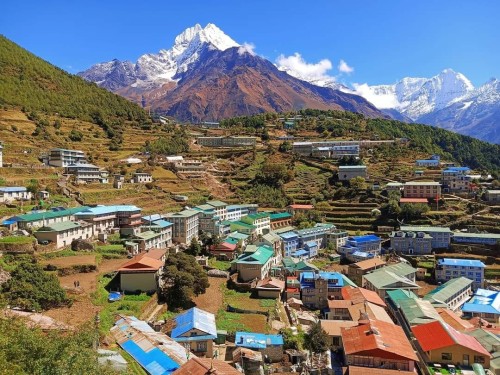
One of the attractions of trekking during Nepal's summer months is the relatively warm climate at moderate elevations. Destinations such as Ghorepani at approximately 2,874 meters, Chame at around 2,650 meters, and Namche Bazaar at about 3,440 meters can provide refreshing trekking environments compared with the colder high-altitude conditions experienced during winter.
Rain showers bring freshness to the forests, hillsides, and villages, while periods of clearer weather can create beautiful views along the trail. Weather patterns vary by location and day, so flexible schedules and early starts can be useful when planning a monsoon trek.
Discover Himalayan Culture During the Farming Season
Monsoon is an important period in rural Nepal because agriculture becomes a major part of daily life. Travelers trekking through mountain communities can see farmers working in fields, observe traditional agricultural practices, and gain a closer understanding of village life.
Cultural settlements such as Kagbeni, Tukuche, and Khangsar provide opportunities to experience traditional architecture, local cuisine, religious traditions, and Himalayan hospitality. Depending on the route and travel dates, visitors may also encounter community rituals and seasonal celebrations.
For travelers interested in Nepal culture, village life, local traditions, and authentic Himalayan experiences, monsoon offers a fascinating opportunity to see communities during an active part of their annual cycle.
Enjoy Quieter Trekking Trails
Another major attraction of Nepal monsoon trekking 2027–2028 is the possibility of fewer trekkers on suitable routes. Famous destinations such as Annapurna Base Camp at 4,130 meters and Langtang Valley at approximately 3,730 meters can experience lower visitor numbers compared with the busiest spring and autumn periods.
A quieter trail can create a more relaxed trekking atmosphere, with more opportunities to enjoy forests, villages, mountain scenery, and conversations with local residents. Tea-house availability may also feel less competitive on some routes, although accommodation and services should still be confirmed in advance.
Capture Nepal's Most Dramatic Monsoon Scenery
For photographers and nature enthusiasts, monsoon creates constantly changing Himalayan scenery. Clouds can drift across the mountains, mist can surround forests, and waterfalls become stronger after rainfall. Peaks such as Annapurna I at 8,091 meters, Dhaulagiri at 8,167 meters, and Machhapuchhre at 6,993 meters can appear dramatically through changing weather conditions.
The contrast between dark clouds, green hills, powerful waterfalls, terraced fields, and snow-covered peaks creates countless opportunities for atmospheric photography. Instead of the crisp, dry landscapes associated with autumn, monsoon provides a more dynamic and expressive visual experience.
Explore Nepal's Rain-Shadow Destinations
Although much of Nepal receives substantial monsoon rainfall, some Himalayan regions lie within the rain shadow created by the massive mountain ranges. These areas can be considerably drier and are particularly attractive for travelers looking for Himalayan trekking options during the rainy season.
Upper Mustang, around 3,840 meters, and Dolpo, around 4,080 meters, are among Nepal's best-known rain-shadow destinations. Their landscapes feature dry valleys, dramatic cliffs, ancient settlements, monasteries, and strong Tibetan cultural influences.
However, even rain-shadow trekking requires careful planning. Access roads, connecting trails, flights, and lower-altitude sections can still be affected by monsoon weather. Current local conditions should always be checked before departure.
Affordable Off-Season Trekking in Nepal
Monsoon can also provide opportunities for travelers seeking a more economical Himalayan holiday. With lower visitor numbers on some routes, accommodation and certain tourism services may offer seasonal pricing or greater flexibility. Actual costs vary according to destination, itinerary, accommodation, transportation, and operator.
For budget-conscious trekkers, the combination of quieter trails and potential off-season savings can make monsoon trekking in Nepal 2027–2028 an appealing option.
Travel Differently in Nepal During Monsoon
Monsoon trekking is not simply a rainy version of the traditional Himalayan adventure—it offers its own distinctive character. The countryside becomes greener, agricultural life becomes more visible, waterfalls grow stronger, villages feel peaceful, and the mountains appear through constantly changing clouds and light.
With appropriate equipment, sensible route selection, current weather information, and a flexible itinerary, travelers can enjoy a rewarding monsoon adventure.
Plan Your 2027–2028 Monsoon Trek with Local Experts
Adventure Nepal Eco Treks Pvt. Ltd. can design customized monsoon trekking itineraries for 2027–2028, selecting routes according to seasonal conditions, altitude, trekking experience, available time, and personal interests.
Whether your goal is to explore the green landscapes of Annapurna and Langtang, experience traditional Himalayan villages, photograph dramatic monsoon scenery, or venture into rain-shadow regions such as Upper Mustang and Dolpo, a carefully planned itinerary can help you make the most of Nepal's summer season.
Choose the quieter trail, discover authentic village life, and experience a greener side of the Himalayas with monsoon trekking in Nepal 2027–2028.

Best Monsoon Treks in Nepal 2027–2028 | Explore Nepal in the Green Season
Monsoon trekking in Nepal offers an entirely different way to experience the Himalayas. From June to August, rainfall transforms hills, forests, terraces, and valleys into vibrant green landscapes. Rivers become fuller, waterfalls become more dramatic, and mountain villages take on a lively seasonal character. At the same time, many trekking routes experience fewer visitors than during the peak spring and autumn months, creating opportunities for quieter and more immersive journeys.
For travelers who do not mind occasional rain and want to experience Nepal's landscapes and communities from a different perspective, monsoon trekking in Nepal 2027–2028 can be highly rewarding. The key is choosing an appropriate destination, preparing for wet conditions, and allowing flexibility for changing mountain weather.
Pleasant Conditions at Lower and Mid-Elevations
Monsoon brings warmer conditions to many of Nepal's lower and middle elevations. Destinations such as Ghorepani at approximately 2,874 meters, Namche Bazaar at around 3,440 meters, and Syabrubesi at about 1,503 meters can provide refreshing environments for trekking during the summer months.
Rather than dealing with the extreme cold associated with winter, trekkers can enjoy greener forests, flowing streams, agricultural terraces, and fresh mountain air. Rainfall varies by location and day, so flexible schedules and appropriate timing are important for maximizing comfortable walking periods.
Dramatic Clouds and Incredible Photography
One of the most distinctive features of Nepal trekking during monsoon is its constantly changing atmosphere. Clouds move across the Himalayan skyline, mist settles over forests, and occasional clear periods can reveal spectacular mountain peaks.
Mountains such as Annapurna I (8,091 m), Dhaulagiri (8,167 m), and Machhapuchhre (6,993 m) can appear and disappear behind moving clouds, creating dramatic photographic scenes. Monsoon rainfall also strengthens waterfalls and streams, while forests become denser and greener.
For photographers and nature enthusiasts, this changing combination of light, clouds, water, and vegetation creates a Himalayan landscape very different from the dry-season panorama.
Experience Authentic Village Life
Monsoon is an important agricultural season throughout Nepal. Rural communities become busy with farming activities, seasonal work, local gatherings, religious traditions, and community life. Trekking during these months can therefore provide a closer look at the everyday rhythm of Himalayan villages.
Settlements such as Tukuche, Kagbeni, and Marpha offer distinctive architecture, local food, traditional hospitality, religious heritage, and mountain culture. Travelers may encounter communities engaged in farming or seasonal activities while moving between villages.
This makes monsoon trekking more than a mountain adventure—it can become a meaningful cultural journey through rural Nepal.
Green Forests, Flowers, Rivers and Waterfalls
The rainy season brings Nepal's natural environment to life. Forests become thick and vibrant, vegetation flourishes, and rivers and streams carry greater volumes of water. Sections of the Langtang region, for example, can become especially lush during the wet season.
Rhododendron forests, bamboo groves, moss-covered trails, terraced fields, waterfalls, and mountain streams create an atmosphere that is refreshing and deeply connected with nature.
Trekkers who enjoy forests, biodiversity, landscape photography, and peaceful surroundings may find monsoon particularly appealing.
Rain-Shadow Treks: A Different Monsoon Experience
Although many parts of Nepal receive substantial rainfall during the monsoon, several Himalayan destinations lie within rain-shadow areas. These regions receive considerably less precipitation because the major Himalayan ranges block much of the moisture carried by the monsoon winds.
Among the most notable destinations are Upper Mustang, Dolpo, Nar Phu, and sections of the Annapurna Circuit. Their dry landscapes, ancient settlements, dramatic cliffs, monasteries, and Tibetan-influenced cultures provide a striking contrast to the lush southern slopes.
However, rain-shadow does not mean completely weather-free. Access roads, connecting trails, domestic flights, and lower-elevation sections can still be influenced by monsoon conditions. Current local information should always be checked before departure.

Best Monsoon Treks in Nepal 2027–2028
1. Upper Mustang Trek – 3,840 m
The Upper Mustang Trek is one of Nepal's most famous monsoon trekking options. Situated in the Himalayan rain shadow, Upper Mustang has a dramatically dry landscape compared with Nepal's greener southern valleys.
The journey leads toward Lo Manthang, surrounded by barren cliffs, colorful rock formations, ancient settlements, monasteries, and centuries-old Tibetan-influenced traditions. The region's distinctive desert-like scenery makes it especially attractive for travelers searching for a Himalayan adventure during the rainy season.
2. Upper Dolpo Trek – 4,080 m
The remote Upper Dolpo region offers wilderness, traditional Himalayan settlements, Buddhist heritage, high passes, and spectacular mountain landscapes. Its rain-shadow location makes it one of the destinations considered for monsoon trekking.
The journey can include remarkable locations such as Shey Gompa at approximately 4,390 meters and landscapes around Crystal Mountain, with high-altitude sections requiring strong preparation and acclimatization.
Upper Dolpo is particularly suited to experienced trekkers looking for remote trails, solitude, and deep cultural immersion.
3. Nar Phu Valley Trek – 4,190 m
The Nar Phu Valley Trek takes travelers into secluded valleys north of the main Annapurna trekking corridor. The landscape features dramatic cliffs, narrow gorges, ancient stone settlements, monasteries, and strong Tibetan cultural influences.
The villages of Nar and Phu, at approximately 4,110 and 4,080 meters respectively, offer fascinating opportunities to observe traditional Himalayan lifestyles. Because of its location within the Annapurna rain-shadow environment, Nar Phu can be an appealing monsoon option for experienced trekkers.
4. Annapurna Circuit Trek – Thorong La 5,416 m
The Annapurna Circuit Trek passes through an extraordinary variety of landscapes, with Thorong La Pass reaching approximately 5,416 meters. The northern section around Manang lies within the rain-shadow environment and can be considerably drier than the southern side of the circuit.
The route combines subtropical valleys, pine forests, high mountain terrain, traditional villages, Buddhist cultural heritage, and spectacular Annapurna landscapes. Because monsoon conditions can affect different sections of the circuit differently, travelers should obtain current information before setting out, particularly when planning the high-pass crossing.
5. Ghorepani–Poon Hill Trek – 2,874 m
For travelers seeking a shorter Himalayan journey, the Ghorepani–Poon Hill Trek can provide an attractive monsoon experience. The surrounding forests become lush and vibrant, while the warmer conditions at moderate elevations make the route appealing for travelers who prefer shorter adventures.
Poon Hill at 3,210 meters is famous for panoramic mountain views, including the Annapurna and Dhaulagiri ranges. Weather can be changeable during monsoon, but clear periods may create beautiful views through the clouds and mist.
6. Humla Limi Valley Trek – Around 3,960 m
The remote Limi Valley Trek in Humla offers wilderness, ancient villages, monasteries, dramatic ridges, and traditional Himalayan culture. Settlements such as Til and Jang provide insight into a remote way of life far from Nepal's major tourist centers.
For experienced travelers searching for solitude and cultural depth, the Limi Valley can provide a remarkable adventure. Its remote nature also means that logistics, transportation, weather, and accommodation require careful advance planning.
7. Rara Lake Trek – 2,990 m
The Rara Lake Trek becomes especially attractive during the green season. Forests surrounding Nepal's largest lake become lush, while the lake itself can appear intensely blue against the surrounding hills.
The journey passes through rural landscapes, meadows, forests, and traditional settlements before reaching the peaceful shores of Rara Lake. The combination of wilderness, reflections, and greenery makes this route particularly appealing to nature lovers and photographers.
8. Jomsom–Muktinath & Kali Gandaki Trek – Up to 3,710 m
The Jomsom–Muktinath route follows the spectacular Kali Gandaki region toward one of Nepal's most important pilgrimage destinations. Muktinath is located at approximately 3,710 meters, while Jomsom sits at around 2,743 meters.
The journey features dramatic mountain landscapes, traditional villages, apple-growing communities, ancient monasteries, and the culturally significant Kali Gandaki Valley. Conditions vary along the route during monsoon, so transportation and trail conditions should be checked before travel.
9. Tsum Valley Trek – Around 3,700 m
The secluded Tsum Valley is famous for its monasteries, traditional villages, Buddhist heritage, and peaceful Himalayan atmosphere. The valley includes settlements such as Chhokang Paro at approximately 3,303 meters and Mu Gompa at around 3,700 meters.
Its cultural richness makes Tsum particularly attractive to travelers who want to combine trekking with spiritual and community experiences. Monsoon conditions can vary, so route planning should account for rainfall and trail conditions.
10. Simikot–Hilsa Trek – Around 3,700 m
The Simikot–Hilsa route provides a remote Himalayan journey through western Nepal toward the Tibet border area. The landscape combines rugged mountains, dry valleys, traditional settlements, and distinctive Himalayan culture.
The village of Hilsa, around 3,700 meters, lies near the border and is associated with the wider pilgrimage and travel route toward the Kailash region. Because this is a remote area, transportation, weather, permits, accommodation, and logistics should be carefully organized in advance.

Why Choose Monsoon Trekking in Nepal 2027–2028?
Monsoon trekking can offer a unique combination of green landscapes, quiet trails, authentic village experiences, dramatic mountain weather, cultural discovery, and access to rain-shadow destinations.
For travelers who want to avoid the busiest trekking periods, the season can provide a slower and more intimate Himalayan experience. At the same time, monsoon trekking requires realistic expectations: rain, muddy trails, landslides, road disruptions, flight delays, and changing mountain conditions are possible in affected areas.
Plan Your Monsoon Trek with Local Experts
Adventure Nepal Eco Treks Pvt. Ltd. can arrange customized monsoon trekking packages for 2027–2028, including Upper Mustang, Dolpo, Nar Phu, Annapurna Circuit, Rara Lake, Tsum Valley, Humla, and other suitable destinations.
Your itinerary can be adapted according to your trekking experience, available time, preferred altitude, cultural interests, and seasonal conditions. Experienced local guides can also help monitor changing conditions and adjust plans when necessary.
From lush green valleys to dry Himalayan deserts, monsoon reveals a side of Nepal that is quieter, greener, and culturally rich. Choose the right route, prepare carefully, and discover the Himalayas in a completely different season.
1. Is monsoon trekking in Nepal possible in 2027–2028?
Yes, monsoon trekking is possible in Nepal, although weather conditions can be wet and changeable. From June to August, many trails receive regular rainfall, while rain-shadow destinations such as Upper Mustang, Upper Dolpo, Nar Phu and parts of the Annapurna region can offer different trekking conditions. Route selection, current weather, road access and trail conditions should be considered before departure.
2. When is the monsoon season in Nepal?
Nepal's main monsoon season generally occurs from June through August, with rainfall continuing into parts of September depending on regional weather patterns. During this period, lower valleys can become lush and green, while higher mountain areas may experience rain, cloud, fog or snowfall.
3. Which are the best monsoon treks in Nepal for 2027–2028?
Popular options include Upper Mustang, Upper Dolpo, Nar Phu Valley, Annapurna Circuit, Jomsom–Muktinath, Tsum Valley and Rara Lake. Lower-altitude routes can also be considered when conditions permit. The best choice depends on your preferred landscape, trekking duration, altitude, transportation access and tolerance for wet weather.
4. Why choose Upper Mustang for monsoon trekking?
Upper Mustang lies in the Himalayan rain shadow, making it one of Nepal's notable monsoon trekking destinations. The region combines dry mountain landscapes with ancient villages, Tibetan-influenced culture, monasteries, caves and dramatic cliffs. The Upper Mustang trek is particularly attractive for travelers who want to experience the Himalaya during Nepal's wetter months.
5. Can I trek in Upper Dolpo during the monsoon?
Upper Dolpo is another rain-shadow region that can be considered during the monsoon. Its remote landscapes include high mountains, traditional settlements, Buddhist monasteries and distinctive high-altitude scenery. Because the region is remote and involves challenging terrain, careful logistical planning and experienced local support are important.
6. Is the Annapurna Circuit suitable during the monsoon?
Parts of the Annapurna Circuit can be affected by monsoon rainfall, landslides, muddy trails and road conditions. However, sections within the rain-shadow areas north of the main Himalayan range can provide different weather conditions. Travelers should check current road, trail and weather information before starting the trek.
7. Can beginners go trekking in Nepal during the monsoon?
Beginners can trek during the monsoon if they choose an appropriate route and have adequate preparation. Lower- and moderate-altitude trails may be more manageable than remote high-altitude routes. A flexible itinerary, proper rain gear and guidance from an experienced trekking team can make the journey easier to manage.
8. What is the weather like during monsoon trekking in Nepal?
Monsoon weather is generally characterized by frequent rain, cloudy skies, humidity and occasional sunny periods. Mountain views may be hidden by clouds at times, while rain can create waterfalls, rivers and exceptionally green landscapes. Conditions vary considerably between regions, so weather should be checked for the specific trekking area.
9. What are the advantages of trekking in Nepal during the monsoon?
Monsoon trekking offers a different perspective of Nepal. Hillsides become intensely green, waterfalls are active, agricultural landscapes are vibrant and many popular trails are quieter than during peak trekking seasons. Rain-shadow areas also provide opportunities to explore landscapes that remain comparatively dry.
10. What should I pack for monsoon trekking in Nepal?
Essential equipment includes a waterproof trekking jacket, rain trousers, backpack rain cover, waterproof bags, quick-drying clothing, trekking boots with good grip, extra socks, a warm layer, headlamp, reusable water bottle and personal medication. Waterproof protection for electronics, documents and other valuables is also highly recommended.
11. Are trekking trails muddy during the monsoon?
Some trails can become muddy and slippery, particularly in forested and lower-altitude areas. Good trekking shoes with strong traction, trekking poles and careful walking can help. Trail conditions can change quickly after heavy rainfall, so travelers should follow advice from their guide and local authorities.
12. Is monsoon trekking cheaper than trekking in peak seasons?
Some trekking services and travel arrangements may be more flexible during the quieter monsoon period, although prices vary by route, accommodation, transportation and itinerary. Remote destinations can still be expensive because of transportation and logistical requirements. Travelers should compare the complete package rather than focusing only on the headline price.
13. Can I see the Himalayas during monsoon trekking?
Yes, mountain views are possible, especially during clear periods between rainfall and clouds. However, visibility can be less predictable than during the traditionally drier trekking seasons. In rain-shadow areas, travelers may have better opportunities to experience distinctive Himalayan landscapes during the monsoon.
14. Is photography good during the monsoon season?
Monsoon creates excellent opportunities for a different style of Himalayan photography. Green forests, waterfalls, mist-covered mountains, dramatic clouds, traditional villages and agricultural terraces can produce striking images. Travelers should carry waterproof protection for cameras, phones, batteries and other electronic equipment.
15. Can families trek in Nepal during the monsoon?
Families can consider suitable lower-altitude or culturally focused routes during the monsoon, depending on the ages and experience of the travelers. Routes should be selected according to walking ability and current conditions. Private itineraries can also provide greater flexibility for rest days and changes in the schedule.
16. What are the main challenges of monsoon trekking in Nepal?
Common challenges can include heavy rainfall, slippery trails, leeches in some lower areas, cloud-covered mountain views, landslides and transportation disruptions. Flight and road schedules can also be affected by weather. A flexible itinerary and regular local condition checks are important during this season.
17. Do I need a guide for monsoon trekking in Nepal?
A guide can be particularly useful during the monsoon because local teams can help travelers respond to changing trail, weather and transportation conditions. Guides also provide support with navigation, accommodation, local communication and cultural experiences. For remote or high-altitude routes, experienced local support is especially valuable.
18. Can I combine a monsoon trek with a cultural tour in Nepal?
Yes. Monsoon trekking can be combined with cultural experiences in Kathmandu Valley, Pokhara, traditional Himalayan villages, monasteries and local communities. A customized itinerary can combine trekking with sightseeing, heritage sites, village visits and other Nepal travel experiences.
19. How can I book a monsoon trek in Nepal for 2027–2028?
You can start by selecting your preferred destination, travel dates, trekking duration, group size and accommodation style. A local trekking company can then help arrange permits, transportation, guides, accommodation and itinerary planning. Booking directly with a local operator can also make communication and customization more straightforward.
20. Why choose Adventure Nepal Eco Treks for monsoon trekking in 2027–2028?
Adventure Nepal Eco Treks Pvt. Ltd. provides locally organized trekking and travel services in Nepal, with itineraries that can be customized according to the season, route and traveler requirements. The team can assist with route planning, permits, transportation, accommodation and guide arrangements while monitoring changing conditions. For monsoon travel, flexible planning and local knowledge are particularly useful when weather or access conditions change.
Recent From Blog


8th Sep, 2026

16th Aug, 2026

10th Aug, 2026

8th Aug, 2026

1st Aug, 2026

31st Jul, 2026

29th Jul, 2026
25th Jul, 2026

29th Jun, 2026
4th Jan, 2026


5th Jun, 2025

19th May, 2025

9th May, 2025

18th Apr, 2025

22nd Oct, 2024
21st Oct, 2024
19th Oct, 2024

18th Oct, 2024

11th Oct, 2024
11th Oct, 2024
8th Oct, 2024
