

8th Sep, 2026
10 Best Short Treks in Nepal | 3 to 10 Days 2027–2028
Best Short Treks in Nepal - Trekking Itineraries Ranging from 3 to 10 Days Best Short Treks in Nepal – 3 to 10 Days of Himalayan Adventure
Table of Contents
Discover the Himalayas without spending weeks on the trail! Our Best Short Treks in Nepal bring you closer to majestic mountains, vibrant villages, ancient cultures and breathtaking landscapes through carefully designed 3 to 10-day trekking itineraries. From the spectacular sunrise of Poon Hill and peaceful Kathmandu Valley trails to the legendary Everest region, Langtang Valley and Mardi Himal, every journey delivers unforgettable Himalayan moments. Perfect for travelers with limited time, families, first-time trekkers and adventure seekers, these flexible Nepal trekking packages combine nature, culture and mountain scenery. Choose your route, pack your spirit of adventure and experience Nepal one unforgettable trail at a time in 2027–2028!
3 to 5-Day Treks in Nepal 2027–2028

Ghorepani–Poon Hill Trek – 4 to 5 Days
The Ghorepani–Poon Hill Trek is one of Nepal’s most rewarding short Himalayan adventures, reaching Poon Hill at 3,210 meters in the Annapurna region. The trail winds through beautiful rhododendron forests, traditional mountain settlements and scenic hillsides before reaching the famous viewpoint. Wake early for an unforgettable sunrise as golden light spreads across Annapurna and Dhaulagiri. With spectacular scenery and a manageable itinerary, this trek is an excellent choice for travelers seeking a short introduction to the Annapurna Himalayas in 2027–2028.
Chisapani–Nagarkot Trek – 3 Days
The Chisapani–Nagarkot Trek offers a refreshing Himalayan escape just outside Kathmandu. Reaching approximately 2,175 meters, this three-day journey follows peaceful trails along the Kathmandu Valley rim, passing through forests, terraced hillsides and traditional villages. The route combines nature, local culture and panoramic mountain scenery without requiring a long commitment. It is an attractive option for travelers with limited time who want to experience trekking near Kathmandu during their 2027–2028 Nepal holiday.
Ghandruk Village Trek – 3 to 4 Days
The Ghandruk Village Trek is a scenic and culturally rich short trek through the foothills of the Annapurna range, reaching around 2,000 meters. The relatively gentle route takes you through charming mountain landscapes and provides opportunities to experience the traditional lifestyle and warm hospitality of the Gurung community. Ghandruk’s stone-built houses, terraced fields and surrounding Himalayan scenery create a memorable setting for a short Nepal trekking experience. It is particularly suitable for travelers looking to combine beautiful landscapes with authentic village culture in 2027–2028.
1. What are the best 3 to 5-day treks in Nepal for 2027–2028?
Popular short trekking options include the Ghorepani–Poon Hill Trek, Chisapani–Nagarkot Trek and Ghandruk Village Trek. These routes provide a combination of Himalayan scenery, local culture, forests, traditional villages and sunrise viewpoints without requiring a long trekking holiday.
2. Is a 3 to 5-day trek enough to experience the Himalayas?
Yes. A short trek can provide an excellent introduction to Nepal's mountain landscapes and culture. Depending on the route, you can experience Himalayan viewpoints, rhododendron forests, traditional villages and spectacular mountain panoramas within just a few days.
3. Which 3 to 5-day trek is best for beginners?
The Chisapani–Nagarkot Trek and Ghandruk Village Trek are suitable options for travelers looking for shorter and relatively accessible walking experiences. Ghorepani–Poon Hill is also popular, although it includes more uphill and downhill walking.
4. How difficult are 3 to 5-day treks in Nepal?
Difficulty depends on the route, altitude, daily walking distance and individual fitness. Short does not always mean easy. Some routes involve steep stone steps or sustained climbs, so travelers should prepare with regular walking or hiking before arrival.
5. What is the highest point on the Ghorepani–Poon Hill Trek?
The famous Poon Hill viewpoint is approximately 3,210 meters above sea level. It is renowned for panoramic Himalayan scenery and sunrise views over the Annapurna and Dhaulagiri ranges.
6. What makes the Ghorepani–Poon Hill Trek special?
The trek combines beautiful rhododendron forests, mountain villages and spectacular Himalayan panoramas. Early morning at Poon Hill is a major highlight, when changing sunlight can illuminate peaks across the Annapurna and Dhaulagiri ranges.
7. What can I see on the Chisapani–Nagarkot Trek?
The route passes through forests, terraced hillsides, local settlements and sections of the Kathmandu Valley rim. Nagarkot is also known for broad views toward the Himalayan ranges when weather conditions provide clear visibility.
8. Is Chisapani–Nagarkot Trek suitable for families?
It can be a good option for families who enjoy walking and want a short nature escape close to Kathmandu. The itinerary can be adapted around the family's walking pace, ages and interests, with suitable rest stops and accommodation arranged along the route.
9. What is special about the Ghandruk Village Trek?
Ghandruk is known for its traditional mountain setting and Gurung cultural heritage. Travelers can explore village paths, stone houses, terraced farmland and surrounding Himalayan landscapes while experiencing local hospitality.
10. What is the best season for 3 to 5-day treks in Nepal?
Spring and autumn are traditionally popular trekking periods because many mountain areas can offer favorable walking conditions and clearer mountain views. Winter can also be suitable for lower-altitude short treks, while monsoon routes require greater attention to rainfall and trail conditions.
11. Can I do a short trek in Nepal during winter?
Yes, several lower-altitude short treks can be considered during winter. Temperatures are colder, especially in the mornings and evenings, so warm clothing and appropriate equipment are important. Higher routes may experience snow and changing trail conditions.
12. Can I go trekking in Nepal during the monsoon?
Yes, but route selection becomes particularly important. Rainfall can affect trails, roads and mountain visibility. Lower-altitude routes may become lush and green, while certain rain-shadow destinations can offer different trekking conditions during the monsoon.
13. What should I pack for a 3 to 5-day trek?
Essential items generally include comfortable trekking shoes, layered clothing, a waterproof jacket, warm layers, a small backpack, water bottle, sunscreen, sunglasses, personal medication and basic toiletries. A backpack rain cover and waterproof bags are useful when traveling during wetter periods.
14. Do I need a guide for a short trek in Nepal?
A guide can make a short trek more convenient by helping with navigation, accommodation, local communication and cultural experiences. A local guide can also provide assistance when weather or trail conditions change.
15. Are permits required for 3 to 5-day treks?
Permit requirements depend on the specific trekking area and current regulations. Travelers should confirm the requirements for their selected route before departure. A local trekking company can help arrange applicable permits and documentation.
16. Can I combine a 3 to 5-day trek with Kathmandu or Pokhara sightseeing?
Absolutely. Short treks are particularly convenient for combining with sightseeing. Travelers can explore Kathmandu Valley before or after trekking, while Annapurna-area routes can often be combined with time in Pokhara, depending on the itinerary and transportation arrangements.
17. Are short Nepal treks suitable for older travelers?
Some short treks can be adapted for older travelers who are comfortable walking and have no restrictions that would prevent trekking. A slower itinerary, appropriate daily distances and additional rest time can make the experience more comfortable. Route selection should be based on individual ability.
18. Can I customize a 3 to 5-day trek in Nepal?
Yes. Short trekking itineraries can often be customized according to your arrival and departure schedule, walking pace, preferred accommodation, group size and sightseeing interests. Private trips can provide greater flexibility than fixed itineraries.
19. What is the main advantage of choosing a short trek in Nepal?
A 3 to 5-day trek allows travelers to experience Himalayan landscapes and local culture without spending several weeks on the trail. It is particularly useful for visitors with limited vacation time who still want an authentic mountain experience.
20. Why book a 3 to 5-day Nepal trek with Adventure Nepal Eco Treks?
Adventure Nepal Eco Treks Pvt. Ltd. can organize customized short trekking experiences based on your preferred route, travel dates and walking ability. The company can assist with itinerary planning, permits, transportation, accommodation and local guide arrangements, helping you make the most of a short Nepal trekking adventure in 2027–2028.

6 to 10-Day Treks in Nepal 2027–2028
Everest View Trek – 5 to 6 Days
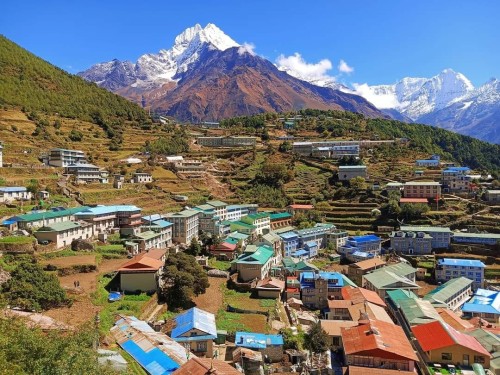
The Everest View Trek is an excellent short Himalayan adventure for travelers who want to experience the legendary Khumbu without committing to a long Everest Base Camp journey. The trek reaches around 3,860 meters and begins with a scenic flight to Lukla before following the trail toward Namche Bazaar. Along the way, you encounter Sherpa villages, suspension bridges and spectacular mountain scenery. From the Khumbu viewpoints, enjoy impressive panoramas of Mount Everest, Ama Dablam and surrounding Himalayan peaks. This compact trek is ideal for experiencing the atmosphere of the Everest region in 2027–2028.

Langtang Valley Trek – 7 to 10 Days
The Langtang Valley Trek takes you into a spectacular Himalayan valley north of Kathmandu, with the route reaching elevations above 3,800 meters. The journey combines dramatic mountain landscapes with authentic Himalayan culture. Walk through forests, traditional Tamang villages, open yak pastures and rugged terrain surrounded by snow-covered peaks. Glacial landscapes and high mountain viewpoints add to the adventure, while the welcoming communities along the trail provide an opportunity to experience local traditions and everyday mountain life. It is a rewarding choice for travelers seeking nature, culture and Himalayan scenery during their 2027–2028 Nepal trekking adventure.

Mardi Himal Trek – 6 to 8 Days
The Mardi Himal Trek is a spectacular short trek in the Annapurna region, reaching approximately 4,500 meters at Mardi Himal Base Camp. The trail follows peaceful forest paths and dramatic high ridges, gradually opening into breathtaking views of the Annapurna range. One of the journey’s defining highlights is the extraordinary panorama of Machhapuchhre (Fishtail), together with surrounding Himalayan peaks. Compared with some of Nepal’s longer trekking routes, Mardi Himal offers a more intimate mountain experience while combining beautiful forests, traditional settlements and high-altitude scenery. It is a compelling choice for 2027–2028 travelers looking for a scenic and adventurous Himalayan trek within a limited timeframe.
1. What are the best 6 to 10-day treks in Nepal for 2027–2028?
Popular choices include the Everest View Trek, Langtang Valley Trek and Mardi Himal Trek. These journeys offer different Himalayan experiences, from Sherpa culture and Everest panoramas to Tamang villages, glaciers, forests, ridges and spectacular Annapurna views.
2. Are 6 to 10-day treks suitable for first-time trekkers?
Yes. Several treks within this duration can be suitable for beginners with reasonable fitness and proper preparation. The difficulty varies by altitude, terrain and daily walking distance, so choosing an itinerary that matches your experience is important.
3. Which 6 to 10-day trek is best for Everest views?
The Everest View Trek is designed for travelers who want to experience the Khumbu region within a shorter timeframe. The route includes Namche Bazaar and viewpoints with impressive panoramas of Mount Everest, Ama Dablam and surrounding Himalayan peaks.
4. How high does the Everest View Trek reach?
The Everest View Trek can reach approximately 3,860 meters, depending on the specific itinerary and viewpoint included. Because the route reaches considerable altitude, gradual acclimatization and a comfortable walking pace are important.
5. What makes the Everest View Trek special?
The trek combines mountain scenery with the distinctive culture of the Khumbu. Travelers can walk through Sherpa settlements, experience the atmosphere around Namche Bazaar and enjoy spectacular views of some of the world's highest mountains without completing the full Everest Base Camp route.
6. What is the Langtang Valley Trek known for?
The Langtang Valley Trek is known for its combination of Himalayan scenery and local culture. The journey passes through forests, traditional Tamang settlements, mountain pastures and dramatic high-altitude landscapes, with spectacular peaks surrounding the valley.
7. How high does the Langtang Valley Trek go?
Depending on the itinerary, the Langtang Valley Trek reaches elevations of more than 3,800 meters. Some itineraries continue toward higher viewpoints or destinations, so the exact maximum altitude depends on the selected route.
8. Is Langtang Valley suitable for a 7 to 10-day holiday?
Yes. A 7 to 10-day itinerary can provide enough time to travel into the valley, explore the mountain environment and return to Kathmandu. The schedule can also be adjusted according to walking pace, rest requirements and sightseeing preferences.
9. What makes the Mardi Himal Trek different?
The Mardi Himal Trek is known for peaceful trails, beautiful forests and spectacular ridge walking in the Annapurna region. As the trail climbs higher, the landscape opens toward impressive views of Machhapuchhre (Fishtail) and surrounding Himalayan peaks.
10. How high is Mardi Himal Base Camp?
Mardi Himal Base Camp is commonly described at around 4,500 meters, although exact elevations can vary by the particular viewpoint or itinerary used. The trek therefore involves a significant increase in altitude and requires sensible acclimatization.
11. Which trek is best for mountain and cultural experiences?
All three offer a combination of nature and culture, but the experience differs. Everest View emphasizes Sherpa culture and Khumbu mountain scenery, Langtang offers Tamang communities and Himalayan valley landscapes, while Mardi Himal combines mountain villages, forests and spectacular Annapurna panoramas.
12. What is the best season for 6 to 10-day treks in Nepal?
Spring and autumn are widely popular trekking seasons. Spring brings warmer conditions and blooming vegetation, while autumn is known for generally favorable trekking conditions in many Himalayan areas. Winter and monsoon treks can also be possible on selected routes with appropriate preparation and current local conditions.
13. Can I do a 6 to 10-day trek in Nepal during winter?
Yes, depending on the route and current conditions. Lower and moderate-altitude itineraries may be more accessible, while higher sections can experience cold temperatures, snow and difficult trail conditions. Proper winter equipment and flexible planning are essential.
14. Can I trek for 6 to 10 days during the monsoon?
Some routes can be considered during the monsoon, but rainfall can affect trails, roads, flights and mountain visibility. Route selection is important, and travelers should check current weather and access conditions before departure.
15. How fit do I need to be for a 6 to 10-day trek?
A reasonable level of cardiovascular fitness and endurance is helpful. Preparing with regular walking, hiking, stair climbing or other aerobic exercise before the trip can make consecutive trekking days more comfortable. Training should reflect the expected terrain and duration of your chosen trek.
16. What should I pack for a 6 to 10-day Nepal trek?
Important equipment includes comfortable trekking boots, layered clothing, warm insulation, waterproof outerwear, a backpack, water bottle, sunglasses, sunscreen, headlamp, personal medication and basic toiletries. Higher-altitude routes require additional cold-weather clothing and appropriate equipment.
17. Do I need a guide and porter for a 6 to 10-day trek?
A guide can provide assistance with navigation, accommodation, local communication, cultural interpretation and changing trail conditions. A porter can carry part of your luggage, allowing you to focus more comfortably on walking. The need for either depends on the route, personal preference and luggage requirements.
18. Can families join a 6 to 10-day trek in Nepal?
Yes, families can consider suitable itineraries depending on the children's ages, fitness levels and previous hiking experience. The daily schedule can be adjusted with shorter walking days, rest periods and family-friendly accommodation where available.
19. Can I customize a 6 to 10-day trek for 2027–2028?
Yes. Itineraries can be tailored around your available vacation, preferred trekking route, group size, walking pace, accommodation preferences and sightseeing plans. Private arrangements can also allow greater flexibility if weather or personal circumstances require itinerary changes.
20. Why choose Adventure Nepal Eco Treks for a 6 to 10-day trek?
Adventure Nepal Eco Treks Pvt. Ltd. can organize customized trekking experiences throughout Nepal, including Everest, Langtang and Annapurna-region routes. The team can assist with itinerary planning, applicable permits, transportation, accommodation and local guide arrangements, helping travelers organize their 2027–2028 Himalayan trekking adventure according to their interests and schedule.
Recent From Blog


8th Sep, 2026

16th Aug, 2026

10th Aug, 2026

8th Aug, 2026

1st Aug, 2026

31st Jul, 2026

29th Jul, 2026
25th Jul, 2026

29th Jun, 2026
4th Jan, 2026


5th Jun, 2025

19th May, 2025

9th May, 2025

18th Apr, 2025

22nd Oct, 2024
21st Oct, 2024
19th Oct, 2024

18th Oct, 2024

11th Oct, 2024
11th Oct, 2024
8th Oct, 2024
