

16th Aug, 2026
EBC Trek by Road Dec–Feb 2027–2028 | 10 Best Reasons | No Lukla Flight
December to February offers a quieter EBC Trek by Road with fewer crowds, crisp Himalayan views, peaceful trails, snow-covered landscapes, and authentic Sherpa culture. Avoid the Lukla flight while enjoying a gradual overland approach, flexible private itineraries, excellent photography, proper acclimatization, and a unique winter Everest adventure with local guides and transparent booking.
Table of Contents
1. Trek to Everest Base Camp Without a Lukla Flight
The Everest Base Camp Trek by Road is an excellent alternative for travelers who prefer not to fly to Lukla. Instead of starting with a mountain flight, you can travel overland toward the Solukhumbu region and begin trekking from the lower Everest area. This creates a longer, more immersive journey toward Everest and avoids making the Lukla flight the starting point of your adventure.
2. Experience a Peaceful Winter Everest Trail
December to February is quieter than the major autumn trekking period. Winter travelers can enjoy a more peaceful atmosphere along selected sections of the Everest trail, with fewer trekkers and a more relaxed experience in mountain villages. This makes a private EBC winter trek by road especially attractive to couples, families, photographers and small groups.
3. Enjoy Crisp Himalayan Mountain Views
Winter can produce exceptionally clear mountain scenery. Nepal Tourism Board notes that even during December and January, when winter is at its strongest, bright sunshine and brilliant mountain views can compensate for the cold.
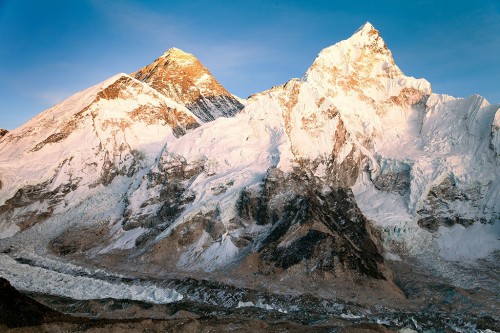
For photographers, the combination of clear skies, snow-covered peaks and dramatic winter light can make the journey toward Everest Base Camp particularly rewarding.
4. Enjoy a Longer and More Gradual Approach to Everest
Choosing the road route allows trekkers to experience more of the Solu and lower Khumbu landscape before reaching the high Everest region. Nepal Tourism Board highlights the traditional overland/trekking approach through Jiri and Solu as an opportunity to experience changing cultures, landscapes and lifestyles while gaining altitude gradually.
A carefully planned road itinerary can therefore provide a more progressive approach than simply flying directly into Lukla.
5. Reduce Dependence on Lukla Flights
One of the biggest commercial advantages of the road itinerary is that it does not require a Kathmandu–Lukla flight to begin the trek. Travelers who prefer road travel can choose this option for greater independence from flight schedules. However, road conditions can vary, so the exact roadhead and transfer time should always be confirmed before departure.
6. Experience Authentic Sherpa and Himalayan Culture
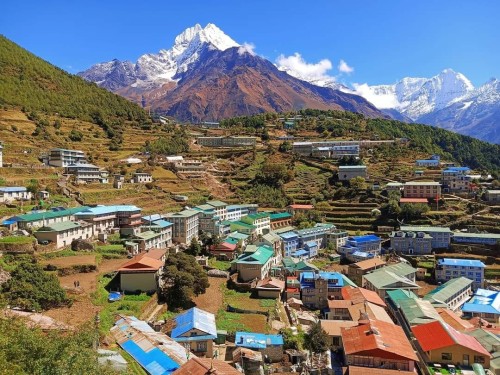
The longer approach creates additional opportunities to experience Sherpa villages, Buddhist monasteries, traditional settlements and mountain communities. As the route progresses toward Namche Bazaar and the higher Khumbu, the cultural landscape changes noticeably. Nepal Tourism Board describes the Everest journey as combining mountain adventure with rich Sherpa cultural and spiritual experiences.
7. Winter Can Offer Better Availability for Private Treks
For travelers seeking a private Everest Base Camp Trek 2026–2027 or 2027–2028, winter can provide more flexibility than peak trekking periods on selected routes. A customized road itinerary can be designed around walking speed, acclimatization, accommodation preferences, photography and additional cultural stops.
8. Enjoy Snow-Covered Everest Landscapes
Winter adds a dramatic visual character to the Everest region. Higher elevations can receive snowfall, creating spectacular snow-covered landscapes around the Khumbu. This also means that trekkers must be properly equipped and prepared for cold temperatures and changing trail conditions. Nepal Tourism Board specifically notes that Everest-region winters are usually extreme, with snowfall at higher elevations.
9. Combine Road Travel With Proper Acclimatization
A major advantage of a longer overland approach is the opportunity to build a well-paced itinerary rather than rushing toward high altitude. Acclimatization remains essential because the Everest route gains elevation rapidly. Nepal Tourism Board recommends taking adequate time to acclimatize in places such as Namche Bazaar.
A professional package should prioritize safe altitude progression rather than simply offering the shortest possible itinerary.
10. Get a Unique Winter Everest Adventure at Strong Value
The December–February EBC Trek by Road combines several high-value experiences: no Lukla flight, a longer Himalayan approach, quieter trails, winter scenery, Sherpa culture and the ultimate goal of reaching Everest Base Camp. For travelers who are prepared for cold conditions, this can be an outstanding alternative to the standard Lukla-based itinerary.
For international trekkers, a strong EBC by Road winter package should include a licensed local guide, required permits and TIMS, transportation, accommodation, trekking meals, porter services, acclimatization planning, transparent pricing and secure online booking. Nepal Tourism Board currently lists Everest Base Camp Trek among routes requiring a licensed guide and agency-issued TIMS. December–February as a possible Everest-region trekking season.
December to February EBC Trek by Road: 10 Reasons and faqs
1. Is December to February a good time for an EBC Trek by Road?
Yes, December to February can be an excellent choice for experienced and well-prepared trekkers seeking a quieter Everest Base Camp adventure. Winter brings fewer trekkers, crisp mountain views, peaceful trails, and beautiful snow-covered landscapes. However, temperatures drop significantly at high altitude, and snowfall can affect upper sections of the route. Nepal Tourism Board lists December–February among the possible travel periods for the Everest region while noting that winters are extreme at higher elevations.
2. Why choose the EBC Trek by Road instead of flying to Lukla?
The EBC Trek by Road is ideal for travelers who want to avoid starting their adventure with a Lukla flight. The overland approach generally begins toward the Solukhumbu area, such as Salleri or Phaplu, followed by trekking toward the Everest region. It creates a longer Himalayan journey, provides more time to experience local villages, and can offer a gradual approach to higher elevations. The Nepal Tourism Board confirms that the Everest region can be reached by road/foot approaches as well as by air.
3. How many days does the December–February EBC Trek by Road take?
A road-based Everest Base Camp itinerary commonly takes around 16–20 days, depending on the roadhead, trekking pace, acclimatization days, weather, and return arrangements. A private itinerary can be customized according to your available vacation time and fitness level. Adding acclimatization days is particularly valuable during winter because cold, snow, and altitude can make trekking more demanding.
4. What is the highest altitude on the EBC Trek by Road?
The main destination, Everest Base Camp, is around 5,364 meters, while Kala Patthar is approximately 5,545 meters and is normally included for panoramic Everest views. Reaching these elevations requires gradual acclimatization and careful pacing. Nepal Tourism Board specifically warns that altitude sickness can become dangerous above 3,000 meters, making proper acclimatization and professional guidance important.
5. How many kilometers is the EBC Trek by Road?
The total trekking distance varies according to the exact roadhead, itinerary, acclimatization walks, and return route. A complete road-to-EBC program can involve approximately 150–200+ km of combined trekking and approach travel. Because itineraries differ, it is better to compare the actual day-by-day route rather than choosing a package based only on advertised kilometers.
6. What are the 10 main reasons to trek to EBC by road in winter?
The major reasons include avoiding the Lukla flight, enjoying quieter trails, experiencing snow-covered Himalayan scenery, getting clear mountain views, enjoying peaceful Sherpa villages, having more private-tour flexibility, experiencing authentic local culture, allowing a gradual overland approach, taking excellent winter photographs, and enjoying a distinctive off-season Everest adventure. Winter conditions require stronger preparation than the main trekking seasons.
7. Is the EBC Trek by Road difficult in December, January and February?
Yes. The trek is generally challenging, and winter can make it more demanding because of freezing temperatures, icy trails, snow, shorter daylight, and possible changes in trail conditions. Physical fitness, appropriate winter clothing, good trekking boots, acclimatization, and an experienced licensed guide are strongly recommended. The challenge is greater around the highest sections of the trek.
8. Which month is better: December, January or February?
All three months can work, but conditions vary. December can offer relatively stable early-winter trekking conditions, while January is usually the coldest period and may bring harsher high-altitude conditions. February gradually moves toward spring and can provide improving conditions later in the month. The best choice depends on current weather, snow conditions, your experience, and the exact itinerary.
9. Can beginners do an EBC Trek by Road during winter?
A fit and properly prepared beginner may be able to complete the trek, but winter EBC should not be treated as an easy beginner trek. The combination of long trekking days, high altitude, cold temperatures, and possible snow makes preparation especially important. A private or small-group itinerary with a licensed local guide allows the walking pace and acclimatization schedule to be adjusted when necessary.
10. Are permits and TIMS required for the winter EBC Trek?
Yes. The season does not remove the normal trekking requirements. Nepal Tourism Board states that the Everest Base Camp Trek is among the Everest routes requiring a licensed trekking guide and agency-issued TIMS Card. Trekkers also need the applicable protected-area entry permit for the Everest region.
11. Is a guide mandatory for the EBC Trek by Road?
Yes. According to the current Nepal Tourism Board TIMS provisions, Everest Base Camp Trek is included among the routes where trekkers must be accompanied by a licensed trekking guide and carry an agency-issued TIMS Card. Booking through a government-registered trekking agency also helps organize permits, transportation, accommodation, guides, and emergency support.
12. What is the cost of the December–February EBC Trek by Road?
The price depends on the number of days, group size, road transportation, guide and porter services, accommodation level, meals, permits, acclimatization days, and whether the trek is private or group-based. Winter packages can be designed around a best-price, transparent-cost approach. For an accurate quotation, travelers should compare exactly what each package includes rather than comparing only the headline price.
13. What is included in an EBC Trek by Road package?
A well-organized package may include Kathmandu accommodation, road transportation to the trekking starting point, licensed guide, porter service, trekking permits and TIMS, teahouse accommodation, meals during the trek, acclimatization support, local transportation, and necessary government taxes. Depending on the operator, international flights, travel insurance, personal expenses, drinks, hot showers, charging, and emergency evacuation may be excluded.
14. Is the EBC Trek by Road available as a private trek?
Yes. A private EBC Trek by Road is an excellent option for travelers who want flexible walking hours, personalized acclimatization, private transportation, and greater control over the itinerary. It can be customized for couples, families, friends, solo travelers joining a private guide, or small groups. Booking directly with a local Nepal trekking company can also simplify communication and itinerary customization.
15. How can I book the December–February EBC Trek by Road?
For a secure booking, choose a government-registered local trekking agency that provides a licensed guide, required TIMS, permits, transportation, accommodation, and a clearly stated itinerary. Ask for the exact road route, trekking distance, altitude profile, inclusions, exclusions, cancellation terms, and winter contingency plan before paying. Direct booking can provide a more transparent package price and easier customization for your preferred December, January, or February departure.
Recent From Blog


8th Sep, 2026

16th Aug, 2026

10th Aug, 2026

8th Aug, 2026

1st Aug, 2026

31st Jul, 2026

29th Jul, 2026
25th Jul, 2026

29th Jun, 2026
4th Jan, 2026


5th Jun, 2025

19th May, 2025

9th May, 2025

18th Apr, 2025

22nd Oct, 2024
21st Oct, 2024
19th Oct, 2024

18th Oct, 2024

11th Oct, 2024
11th Oct, 2024
8th Oct, 2024
