
24th Sep, 2026
Everest Base Camp Trek by Road Without Lukla Flight
Skip the Lukla flight and trek to Everest Base Camp by road in Spring or Autumn 2026–2027. Choose a private jeep, licensed local guide and properly acclimatized itinerary, compare the best available price and book your EBC adventure online.
Table of Contents
Everest Base Camp Trek by Road in the Dry Season: Spring & Autumn 2026–2027 | Best Price, Local Guide & Book Online
The Everest Base Camp Trek by Road without a Lukla flight is a high-value alternative for travelers who want to reach Everest Base Camp while avoiding the uncertainty of the Kathmandu–Lukla flight. The overland route generally travels from Kathmandu toward Salleri/Phaplu and onward by 4WD toward the available roadhead, before joining the trekking route toward Namche Bazaar, Tengboche, Dingboche, Lobuche, Gorak Shep and Everest Base Camp. Current 2026 route information shows road-based itineraries of roughly 14-16–18 days, depending on the roadhead and itinerary design.
1. What Is the Everest Base Camp Trek by Road?
The road-based EBC trek replaces the initial Lukla flight with an overland journey. A current route description uses Kathmandu → Salleri → Surke, followed by a short walking connection to the classic Everest trail. Other itineraries use different roadheads depending on current road conditions.
This is important for travelers with limited vacation time who do not want to build the itinerary around possible Lukla flight cancellations. However, the road route is not necessarily shorter: it trades a short flight for a long drive and additional trekking. Some itineraries are around 16–18 days, while a historic Jiri approach can add considerably more walking.
2. Why Choose the Road Route Without a Lukla Flight?
The biggest commercial advantage is avoiding dependence on the Lukla flight. Weather can disrupt flights in the Everest region, particularly when visibility and operating conditions deteriorate. By choosing an overland approach, travelers remove the Lukla-flight component from the itinerary.
The road route also gives travelers more time in the lower Solu region, with changing landscapes, villages and cultural experiences before reaching the high Khumbu. Some current itineraries describe the approach as providing a more gradual altitude progression.
Therefore, this route is particularly attractive to travelers who value reliability, overland adventure and a gradual approach more than the shortest possible itinerary.
3. Why Spring and Autumn Are Highly Recommended
For the Everest Base Camp Trek by Road, Spring and Autumn are the strongest seasons for a commercial 2026–2027 package.
Spring: March–May 2027
Autumn: September–November 2026
Current route sources consistently identify these periods as the preferred trekking windows, with generally drier conditions, clearer mountain views and more favorable road conditions than the monsoon period.
Spring adds colorful rhododendron forests and longer daylight, while Autumn benefits from the clearer atmosphere after the monsoon. October and November are especially attractive for travelers prioritizing mountain photography and classic Himalayan views.
4. Kathmandu to Salleri/Phaplu by Road
The journey normally begins in Kathmandu, followed by a long road journey toward Salleri/Phaplu. One current route description gives Kathmandu–Salleri at approximately 265–270 km and around 8–10 hours, depending on transportation and road conditions.
From Salleri, travelers can continue by 4WD toward the roadhead used by the particular itinerary. Current descriptions mention routes toward Surke, Thamdanda or other connection points, and road conditions can change from season to season.
For this reason, a professional booking page should avoid guaranteeing one road endpoint far in advance. Instead, state:
“The exact roadhead is subject to current road conditions and will be confirmed before departure.”
5. Suggested 16–18 Day Everest Base Camp Road Itinerary
A commercially attractive itinerary should provide enough time for acclimatization rather than simply minimizing the number of days.
Sample 18-Day Itinerary
Day 1: Arrival in Kathmandu
Day 2: Kathmandu sightseeing and trek preparation
Day 3: Drive Kathmandu to Salleri/Phaplu
Day 4: 4WD toward Surke/roadhead; trek toward the lower Khumbu
Day 5: Trek to Phakding
Day 6: Trek Phakding to Namche Bazaar
Day 7: Acclimatization day in Namche
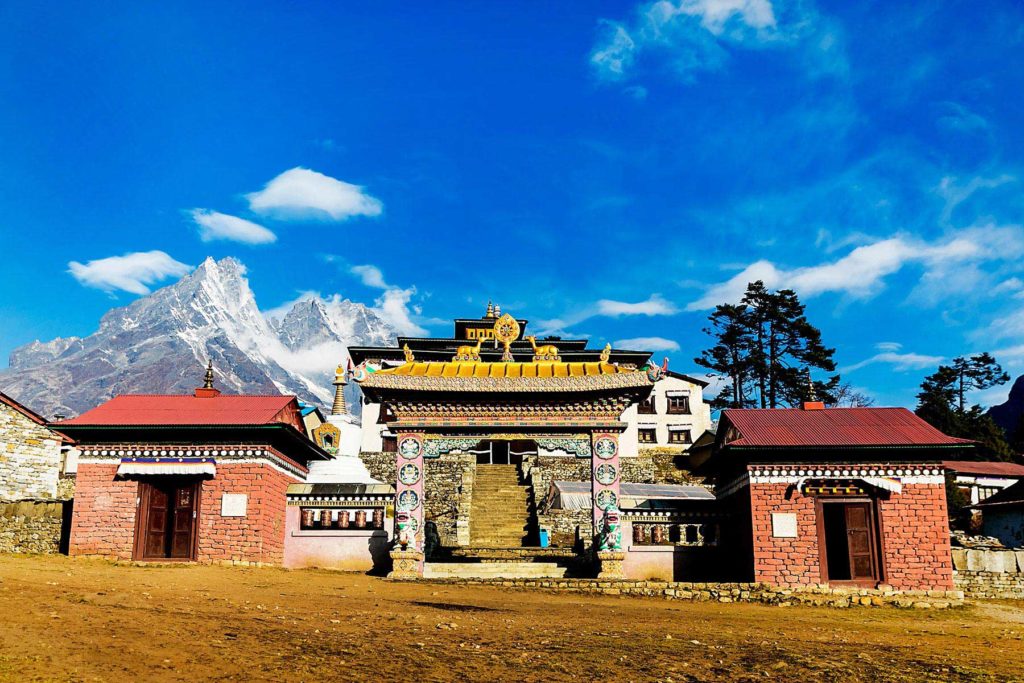
Day 8: Trek Namche to Tengboche
Day 9: Trek Tengboche to Dingboche
Day 10: Acclimatization day in Dingboche
Day 11: Trek Dingboche to Lobuche
Day 12: Trek Lobuche to Gorak Shep and Everest Base Camp
Day 13: Kala Patthar sunrise and descend
Day 14: Trek toward lower Khumbu
Day 15: Continue toward the road connection
Day 16: Drive toward Salleri
Day 17: Drive Salleri to Kathmandu
Day 18: International departure
Exact overnight stops should be adjusted according to road conditions, accommodation availability, group fitness and weather.
Everest Base Camp Trek by Road 14-day itinerary Option Two, 2
Day 01: Drive from Kathmandu (1,400 m) to Salleri (2,360 m 8-10 hrs; 270 km)
Day 02 :Drive to Surke (2,290 m; 4-6 hrs drive; 60-70 km), Trek to Phakding (2,610 m; 3-4 hrs; 8 km)
Day 03 :Phakding to Namche Bazaar Trek (3,440 m; 6-7 hrs; 11 km)
Day 04 :Acclimatization Day at Namche Bazaar
Day 05 :Namche Bazaar to Tengboche (3,860 m; 5-6 hrs; 9.5 km)
Day 06 :Tengboche to Dingboche (4,200 m; 5-6 hrs; 11 km)
Day 07 :Spend a Day Acclimatizing and Exploring at Dingboche
Day 08 :Dingboche to Lobuche (4,940 m; 5-6 hrs; 8-9 km)
Day 09 :Lobuche to Gorak Shep (5,200 m; 3-4 hrs; 4 km) to Everest Base Camp (5,400 m) to Gorak Shep (2-3 hrs; 3-4 km return)
Day 10 :Gorak Shep to Kala Pathar (5,545 m; 2-3 hrs; 2 km) and to Pheriche (4,240 m; 6-7 hrs; 14 km)
Day 11 :Pheriche to Namche Bazaar (3,440 m; 6-7 hrs; 16 km)
Day 12 :Namche Bazaar to Surke (2,290 m; 7-8 hrs; 18-20 km)
Day 13 :Surke to Salleri Drive (2,360 m; 4-6 hrs drive; 60-70 km)
Day 14 :Back to Kathmandu (1,400 m; 8-10 hrs; 270 km)
1. What is the Everest Base Camp Trek by Road Without Lukla Flight?
The Everest Base Camp Trek by Road Without Lukla Flight 2026–2028 is an alternative Everest trekking itinerary designed for travelers who prefer to reach the Everest region overland rather than taking a flight to Lukla. Instead of flying Kathmandu–Lukla, travelers travel by road toward Salleri or Phaplu and begin trekking from the lower Solukhumbu region.
This route adds trekking days compared with the classic Lukla itinerary, but it provides a more gradual approach to the Himalayas and allows travelers to experience additional villages, landscapes and lower-altitude sections of the Everest region. It is particularly attractive during the dry-season months of October–November and March–May, subject to local road and trail conditions.
2. Why choose Everest Base Camp Trek by Road instead of flying to Lukla?
The main advantage is that travelers can avoid the Lukla flight while experiencing a longer and more immersive approach to Everest. Some trekkers prefer road travel because they are uncomfortable with small mountain-aircraft flights, while others want additional trekking days and cultural experiences.
The overland option can also provide greater flexibility when flight schedules are affected by weather. However, road travel is not necessarily faster or easier: Himalayan roads can be rough, winding and affected by weather, construction and local conditions. Travelers should therefore choose this route for the experience of trekking from lower elevations, not simply as a guaranteed shortcut.
3. How many days does the Everest Base Camp Trek by Road take?
A typical Everest Base Camp Trek by Road without Lukla Flight takes approximately 14-16–20 days from Kathmandu to Kathmandu, depending on the road starting point, acclimatization schedule, trekking pace and transportation arrangements.
A commercially strong itinerary should include adequate acclimatization around Namche Bazaar and sufficient time for the high-altitude sections. Travelers wanting a more comfortable private experience can add rest days, while experienced trekkers may choose a more compact itinerary.
4. Where does the road-to-Everest Base Camp trek start?
The overland route commonly uses Salleri or Phaplu as the gateway into the Everest trekking region, although the exact roadhead can vary according to current road conditions and transportation arrangements.
From the roadhead, trekkers continue on foot through the Solukhumbu landscape toward major Everest-region destinations such as Namche Bazaar, Tengboche, Dingboche, Lobuche and Everest Base Camp. The precise starting point should be confirmed with the trekking operator before booking because road construction and seasonal conditions can affect vehicle access.
5. What is the highest altitude on the road-to-Everest Base Camp trek?
Everest Base Camp is approximately 5,364 meters (17,598 feet) above sea level. Many itineraries also include Kala Patthar, approximately 5,545 meters (18,192 feet), which is one of the most famous viewpoints for panoramic views of Everest and the surrounding Khumbu Himalaya.
The major challenge is altitude rather than technical climbing. A good itinerary should therefore prioritize gradual elevation gain, acclimatization and appropriate rest rather than simply minimizing the number of days.
6. Is the Everest Base Camp Trek by Road suitable for beginners?
Yes, physically fit beginners can complete the trek with proper preparation and a well-planned itinerary, but it is still a challenging high-altitude trek. The road approach does not eliminate the need for acclimatization because the route eventually climbs above 5,000 meters.
Beginners should prepare with regular walking, hiking, stair climbing and cardiovascular exercise before departure. A licensed local guide, porter support, sensible walking pace and adequate acclimatization days can make the experience considerably more manageable.
7. When is the best dry season for Everest Base Camp Trek by Road?
The most popular dry-season periods are autumn, especially October–November, and spring, especially March–May. These periods generally offer favorable trekking conditions, good mountain visibility and comparatively stable weather, although conditions can change rapidly in the Himalayas.
For travelers specifically looking for the dry-season Everest Base Camp Trek 2026–2027–2028, October and November are particularly attractive for clear post-monsoon mountain views. March–April is also popular for improving temperatures and spring scenery.
8. How much does Everest Base Camp Trek by Road cost in 2026–2028?
The Everest Base Camp Trek by Road cost depends on the roadhead, private or group transportation, number of trekking days, guide and porter services, accommodation category, meals, permits and whether Kala Patthar or other side trips are included.
A high-value commercial package should clearly show:
- Kathmandu–Salleri/Phaplu transportation
- Licensed local trekking guide
- Porter service
- Teahouse accommodation
- Trekking meals
- Required permits and TIMS
- Everest-region transportation arrangements
- Kathmandu accommodation where applicable
- Airport/Hotel transfers
- Guide and porter expenses
- Government taxes and service charges
For international customers, transparent pricing and clearly stated inclusions and exclusions are more valuable than an artificially low advertised price.
9. Do I need a guide and permits for the Everest Base Camp Trek by Road?
Travelers should arrange the required trekking documentation, conservation-area entry and TIMS requirements applicable to their itinerary, and the current rules should be verified before departure because Nepal's trekking regulations can change.
A licensed local guide is particularly valuable for the road-to-Everest route because the trek involves multiple villages, high-altitude terrain, changing weather and logistical considerations. A reputable trekking company can arrange the required documentation, accommodation, transportation and guide services as part of a complete package.
10. How can I book the Everest Base Camp Trek by Road Without Lukla Flight 2026–2028?
For the best booking experience, choose a reputable Nepal trekking company offering a private or small-group Everest Base Camp Trek by Road, then confirm the exact roadhead, transportation type, itinerary, acclimatization schedule, accommodation, guide services, permits and total price before payment.
For 2026–2027 and 2027–2028 dry-season departures, advance booking is recommended, particularly for October–November and March–April. A strong international package should offer secure online booking, local licensed guides, transparent costs, private departures, fixed departures and customized itineraries.
The most attractive departure windows are October–November 2026 and March–May 2027. Travelers should also confirm current TIMS and permit arrangements with their trekking company before departure. Nepal Tourism Board advises trekkers to use government-registered trekking agencies for routes subject to the guide/TIMS requirement.
Skip the Lukla flight and avoid building your itinerary around potential Lukla-flight delays. Road-based packages replace the flight with an overland jeep approach, commonly through Salleri/Phaplu and onward toward the trekking roadhead. Exact roadheads can vary with current conditions.
Recent From Blog


8th Sep, 2026

16th Aug, 2026

10th Aug, 2026

8th Aug, 2026

1st Aug, 2026

31st Jul, 2026

29th Jul, 2026
25th Jul, 2026

29th Jun, 2026
4th Jan, 2026


5th Jun, 2025

19th May, 2025

9th May, 2025

18th Apr, 2025

22nd Oct, 2024
21st Oct, 2024
19th Oct, 2024

18th Oct, 2024

11th Oct, 2024
11th Oct, 2024
8th Oct, 2024
