

3rd May, 2026
Kanchenjunga Base Camp or Circuit Trek in April
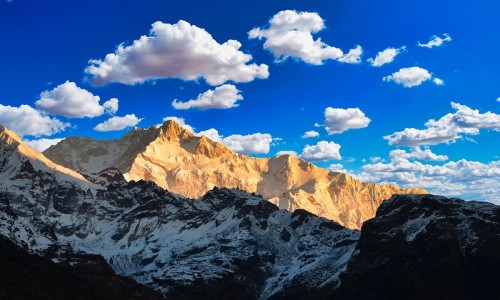
April is one of the finest months to explore the remote and spectacular Kanchenjunga region of eastern Nepal. Home to Kanchenjunga, the world’s third-highest mountain at 8,586 meters, this region offers a trekking experience unlike any other in the Himalayas. Far from the crowded trails of Everest and Annapurna, the Kanchenjunga Base Camp or Circuit Trek takes travelers into a world of pristine wilderness, traditional mountain villages, ancient forests, and breathtaking alpine scenery. For adventure seekers looking for an authentic Himalayan journey in 2026–2027, April provides ideal conditions for discovering one of Nepal’s most rewarding trekking destinations.
Table of Contents
April falls within Nepal’s spring trekking season, offering stable weather, moderate temperatures, and excellent mountain visibility. Days are generally sunny and comfortable at lower elevations, while higher altitudes remain cool and crisp. The skies are often clear, providing magnificent views of Kanchenjunga and surrounding peaks. One of the greatest attractions of trekking in April is the blooming rhododendron forests that color the hillsides with shades of red, pink, and white. The combination of flowering forests, snow-capped mountains, and pleasant trekking conditions creates a truly magical Himalayan atmosphere.
The Kanchenjunga Base Camp Trek is designed for trekkers who wish to visit either the North Base Camp (Pangpema) or the South Base Camp (Oktang). The North Base Camp route is particularly famous for its dramatic views of Kanchenjunga’s massive north face and surrounding glaciers. The South Base Camp offers equally impressive scenery with close-up views of towering peaks, hanging glaciers, and remote alpine valleys. Both routes showcase the raw beauty of eastern Nepal and provide opportunities to experience untouched landscapes that few travelers ever see.
For those seeking a more complete adventure, the Kanchenjunga Circuit Trek combines both North and South Base Camps into one extraordinary expedition. This challenging route typically takes three to four weeks and crosses high mountain passes while connecting two of the region’s most spectacular viewpoints. The circuit offers an incredible variety of landscapes, from subtropical forests and terraced fields to glacier valleys and rugged alpine terrain. Trekkers experience the full diversity of the Kanchenjunga Conservation Area while enjoying uninterrupted views of some of the Himalayas’ most impressive peaks.
A major highlight of the trek is its rich cultural diversity. The trails pass through villages inhabited by Rai, Limbu, Sherpa, and Tibetan-influenced communities who have preserved their traditional lifestyles for generations. Visitors encounter Buddhist monasteries, prayer flags, mani walls, and centuries-old customs that reflect the region’s unique cultural heritage. Because tourism remains relatively limited, interactions with local people often feel more authentic and personal than in Nepal’s busier trekking regions. These cultural encounters add depth and meaning to the trekking experience.
Wildlife and natural beauty are also key attractions of the Kanchenjunga region. The Kanchenjunga Conservation Area protects a wide range of ecosystems, including forests, alpine meadows, and high mountain habitats. Trekkers may encounter Himalayan blue sheep, musk deer, red pandas, and numerous species of birds along the route. The conservation area is recognized for its ecological importance and remains one of Nepal’s most pristine wilderness regions. April’s mild weather and active wildlife make it one of the best times for nature enthusiasts and photographers.
Because of its remoteness, the Kanchenjunga Trek requires careful planning and preparation. Trekkers must obtain special restricted-area permits and travel with a licensed guide. Accommodation is primarily in local tea houses and basic lodges, although some sections may require more flexible arrangements depending on the route and season. Physical fitness is important, as daily trekking often involves long walking hours, steep ascents, and high-altitude conditions. However, the rewards far outweigh the challenges for those seeking a true wilderness adventure.
Altitude management is particularly important on the Kanchenjunga Base Camp and Circuit Trek. The route gradually climbs above 5,000 meters, making proper acclimatization essential. Most itineraries include carefully planned rest days to help trekkers adapt safely to higher elevations. Experienced guides monitor health conditions and ensure that the pace remains comfortable throughout the journey. With proper preparation, hydration, and acclimatization, most trekkers successfully complete the adventure while enjoying the remarkable scenery of eastern Nepal.
For travelers seeking one of the most authentic and spectacular trekking experiences in Nepal during April 2026–2027, the Kanchenjunga Base Camp or Circuit Trek is an outstanding choice. Towering Himalayan peaks, vibrant spring landscapes, remote villages, and untouched wilderness combine to create a truly unforgettable adventure. Supported by experienced local operators such as Adventure Nepal Eco Treks Pvt. Ltd., trekkers can explore this hidden corner of the Himalayas safely and comfortably. The Kanchenjunga region remains one of Nepal’s last great trekking frontiers, offering memories and experiences that last a lifetime.
1. Why is April a good time for the Kanchenjunga Base Camp Trek?
April is one of the best months for trekking in the Kanchenjunga region because of stable weather, clear mountain views, moderate temperatures, and blooming rhododendron forests. Spring conditions make the trails more enjoyable while providing excellent visibility of Kanchenjunga and surrounding Himalayan peaks.
2. What is the difference between the Kanchenjunga Base Camp Trek and the Kanchenjunga Circuit Trek?
The Base Camp Trek typically visits either the North Base Camp (Pangpema) or South Base Camp (Oktang). The Circuit Trek combines both base camps into one longer journey, crossing remote valleys and high mountain passes. The circuit offers a more complete exploration of the Kanchenjunga region.
3. How difficult is the Kanchenjunga Trek?
The trek is considered challenging due to its long duration, remote terrain, and high altitudes. Trekkers should be physically fit and prepared for daily walks of 5–8 hours. Previous trekking experience is helpful but not always necessary with proper preparation.
4. How long does the Kanchenjunga Base Camp or Circuit Trek take?
The North or South Base Camp Trek generally takes 18–22 days, while the full Kanchenjunga Circuit Trek usually requires 22–28 days, depending on the itinerary, acclimatization schedule, and transportation arrangements.
5. What permits are required for the Kanchenjunga Trek?
Trekkers need a Kanchenjunga Restricted Area Permit and a Kanchenjunga Conservation Area Permit (KCAP). Because the region is a restricted area, independent trekking is not allowed, and trekkers must travel with a licensed guide through a registered trekking company.
6. What is the highest altitude reached during the trek?
The North Base Camp at Pangpema reaches approximately 5,143 meters, while some circuit routes cross high passes above 5,000 meters. Proper acclimatization is essential to reduce the risk of altitude sickness.
7. What type of accommodation is available?
Accommodation is mainly in basic tea houses and local lodges along the route. Facilities are simpler than those found in the Everest and Annapurna regions, but they provide comfortable meals, warm hospitality, and an authentic mountain experience.
8. What wildlife can be seen in the Kanchenjunga region?
The Kanchenjunga Conservation Area is home to rare wildlife, including red pandas, Himalayan black bears, musk deer, blue sheep, snow leopards, and numerous bird species. April is an excellent time for nature lovers and photographers.
9. Is the Kanchenjunga Trek crowded in April?
No. Even during the spring season, the Kanchenjunga region remains one of Nepal's least-visited trekking destinations. Trekkers enjoy peaceful trails, remote villages, and pristine landscapes with far fewer visitors compared to Everest or Annapurna.
10. Why choose Adventure Nepal Eco Treks for the Kanchenjunga Trek?
Adventure Nepal Eco Treks Pvt. Ltd. provides experienced licensed guides, permit management, transportation, accommodation arrangements, and personalized support throughout the trek. Their local expertise helps ensure a safe, well-organized, and memorable adventure in one of Nepal’s most remote Himalayan regions.
Kanchenjunga Base Camp Trek - 20 Days
Kanchenjunga Trek - 15 Days
Recent From Blog


8th Sep, 2026

16th Aug, 2026

10th Aug, 2026

8th Aug, 2026

1st Aug, 2026

31st Jul, 2026

29th Jul, 2026
25th Jul, 2026

29th Jun, 2026
4th Jan, 2026


5th Jun, 2025

19th May, 2025

9th May, 2025

18th Apr, 2025

22nd Oct, 2024
21st Oct, 2024
19th Oct, 2024

18th Oct, 2024

11th Oct, 2024
11th Oct, 2024
8th Oct, 2024
