
16th Aug, 2024
Kanchenjunga Trek in Nepal in March/April and May
Immerse yourself in the poetic splendor of the Kanchenjunga Trek in 2025. Journey through Nepal’s untouched wilderness during the enchanting spring months of March, April, and May. Experience the ethereal beauty of snow-capped peaks, lush rhododendron forests, and serene glacial lakes, as you traverse one of the Himalayas' most remote and breathtaking trails. Each step is a chapter in an epic adventure of natural grandeur and sublime tranquility
Table of Contents
The Kanchenjunga Trek: A Literary Exploration
As March heralds the onset of spring, the grandeur of the Kanchenjunga region unveils itself, a realm where the Earth meets the heavens in a dramatic display of snow-capped peaks and verdant valleys. The Kanchenjunga Trek, one of Nepal's most celebrated and remote trails, offers an odyssey through an untouched wilderness, where each step is an immersion in nature's poetry.
March: The Awakening
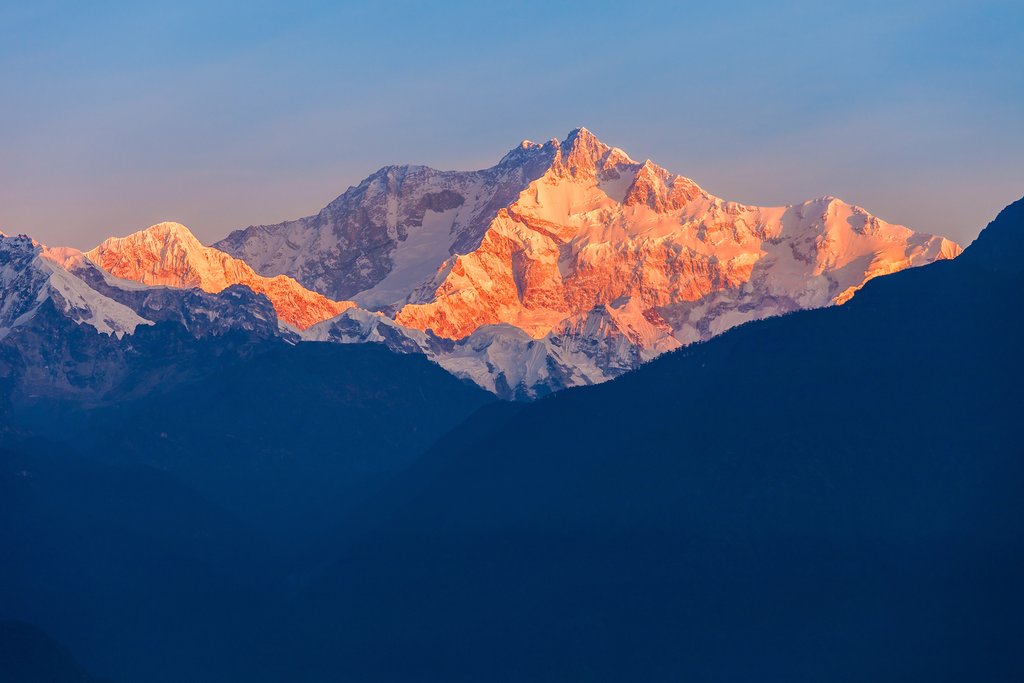
March breathes life into the Himalayan landscape as winter's chill begins to wane, revealing the vibrant hues of early spring. The trek commences in the quaint village of Taplejung (1,800 meters), where the air is crisp with anticipation. From here, the path winds through lush rhododendron forests, their blossoms painting the forest in hues of pink and red. The mighty Kanchenjunga (8,586 meters), the third-highest peak in the world, looms in the distance, a sentinel over the unfolding adventure.
As the trail ascends, the villages of Chimkhola (2,200 meters) and Sakathum (1,700 meters) offer glimpses of local life, with their traditional stone houses and terraced fields. The trail, often marked by the soft patter of rain, carries a symphony of distant waterfalls and the occasional chirp of a solitary bird. By the time you reach the remote hamlet of Amjilosa (2,400 meters), the elevation has begun to speak—a gentle reminder of the altitude, though the scenery remains evermore captivating.
April: The Awakening of Heights
April brings with it a crescendo of life and color. The higher altitudes reveal a landscape sculpted by nature's hand—jagged ridges, expansive glaciers, and serene lakes that glisten like jewels in the sun. The trekker's journey now reaches the base of the Kanchenjunga massif, where the air is noticeably thinner, yet every breath is rewarded with unparalleled views.
The path to Ghunsa (3,400 meters) is flanked by ancient oak and pine forests, and the village itself is a sanctuary of tranquility, nestled amidst towering peaks. The ascent continues to Kambachen (4,050 meters), where the terrain becomes more rugged and the sense of isolation more profound. Here, the Kanchenjunga Glacier stretches out like a frozen river, its icy surface shimmering with the promise of the peaks that lie ahead.
April's altitude introduces the trekker to a world where the air is frigid, and the land is both alien and magnificent. The journey through the Lhonak (4,780 meters) region is a dance with the elements—a landscape of stark beauty where the sky seems to merge with the snow, and the mountain's silent majesty is a constant companion.
May: The Pinnacle of Serenity
As May unfolds, the Kanchenjunga Trek reaches its zenith. The trekker stands at the threshold of the high Himalayas, amidst the towering peaks that form a celestial fortress. The Kanchenjunga Base Camp (5,143 meters) is reached, a place where the mountain's grandeur is palpable in the crisp, thin air. The panorama here is nothing short of divine—an awe-inspiring vista of snow-clad peaks and glacial fields that stretch as far as the eye can see.
May's warmer temperatures soften the harshness of the high-altitude environment, though the altitude continues to exert its influence. Each step at this elevation is a testament to endurance and a celebration of the sheer beauty of the surroundings. The trekker's gaze is often drawn to the south, where the lush green valleys seem to ripple beneath the towering giants of the north.
Descending from the Base Camp, the trek moves through the lower altitudes, where the flora begins to thrive once more. The journey back to Taplejung offers a final opportunity to reflect on the experience—a trek that has traversed from the vibrant villages of the lowlands to the serene heights of Kanchenjunga.
The Kanchenjunga Trek in March, April, and May is more than a journey; it is an epic narrative written across the landscape of Nepal. It is a tale of endurance, beauty, and a profound connection to the natural world, told in the language of altitude and awe.
What makes the Kanchenjunga Trek special during March, April, and May 2025?
Experience the Kanchenjunga Trek in spring, where the mountains come alive with vibrant colors and the air is crisp with freshness. These months offer a unique blend of blooming rhododendrons and clear, breathtaking views of the majestic Kanchenjunga massif.
What is the best time to embark on the Kanchenjunga Trek in 2025?
March through May is an ideal time, as spring breathes life into the landscapes, offering moderate temperatures and less risk of snowfall compared to the winter months.
What are the average temperatures on the trek in these months?
In March and April, temperatures range from 5°C to 15°C in the lower regions, while at higher altitudes, they can drop to -10°C. May brings warmer temperatures, ranging from 10°C to 20°C in lower areas and -5°C to 5°C at higher elevations.
How challenging is the Kanchenjunga Trek in these spring months?
The trek presents a moderate to challenging adventure. March and April may still hold some snow, making the trails occasionally slippery, while May offers relatively stable conditions but requires physical endurance due to the high altitudes.
What kind of weather can I expect on the trek?
Expect clear skies with occasional clouds, especially in March and April. By May, the weather tends to be warmer and more stable, though sudden weather changes can still occur.
What is the maximum altitude reached on the trek?
The trek reaches a maximum altitude of around 5,143 meters at Kanchenjunga Base Camp. The high altitude presents a challenge, so proper acclimatization is crucial.
Do I need a permit for the Kanchenjunga Trek?
Yes, trekkers need a Kanchenjunga Conservation Area Permit (KCAP) and a TIMS (Trekkers' Information Management System) card. These can be obtained through trekking agencies or the Nepal Tourism Board.
What is the level of accommodation available during the trek?
Accommodation ranges from basic tea houses to more comfortable lodges in some areas. Expect simple, yet hospitable facilities that offer a warm place to rest and refuel.
What type of food is available along the trek?
Local lodges typically offer a variety of foods, including traditional Nepalese dishes like dal bhat (lentil soup with rice) and simple western fare. Fresh vegetables and fruits are more plentiful in the lower altitudes.
How should I prepare for the trek?
Proper preparation includes physical conditioning, altitude training, and ensuring you have the right gear for varying weather conditions. Pack layers, a good sleeping bag, and sturdy trekking boots.
Are there any specific health concerns to be aware of?
Altitude sickness is a primary concern. It’s vital to acclimatize gradually and stay hydrated. Consult with a healthcare provider for advice on preventing and managing altitude sickness.
What wildlife might I encounter on the trek?
The trek offers the chance to see diverse wildlife, including red pandas, Himalayan tahr, and various bird species, especially in the lower forested areas.
Is it necessary to hire a guide or porter?
While not mandatory, hiring a guide or porter enhances safety, helps with navigation, and enriches the experience by providing insights into local culture and nature.
What is the cultural experience like on the trek?
The trek offers an immersive experience in the lives of local communities, including interactions with indigenous Sherpas and Limbu people, whose traditional customs and hospitality add depth to the journey.
How do I stay connected while trekking?
Communication can be limited in remote areas. Some teahouses may offer Wi-Fi or phone signal, but it's best to prepare for limited connectivity and focus on the natural beauty around you.
This collection of FAQs offers a comprehensive glimpse into the Kanchenjunga Trek, preparing you for an unforgettable journey through one of Nepal's most magnificent regions.
Kanchenjunga Base Camp Trek - 20 Days
Recent From Blog


8th Sep, 2026

16th Aug, 2026

10th Aug, 2026

8th Aug, 2026

1st Aug, 2026

31st Jul, 2026

29th Jul, 2026
25th Jul, 2026

29th Jun, 2026
4th Jan, 2026


5th Jun, 2025

19th May, 2025

9th May, 2025

18th Apr, 2025

22nd Oct, 2024
21st Oct, 2024
19th Oct, 2024

18th Oct, 2024

11th Oct, 2024
11th Oct, 2024
8th Oct, 2024
