

16th Sep, 2026
Kathmandu to Everest Base Camp by Road
The Everest Base Camp Trek 2026–2027–2028 begins with an exciting flight to Lukla, the gateway to the legendary Khumbu region. The trail winds through famous Sherpa settlements including Namche Bazaar, Tengboche, Dingboche, and Lobuche, crossing suspension bridges, rhododendron forests, rugged valleys, and dramatic glacial landscapes.
Table of Contents
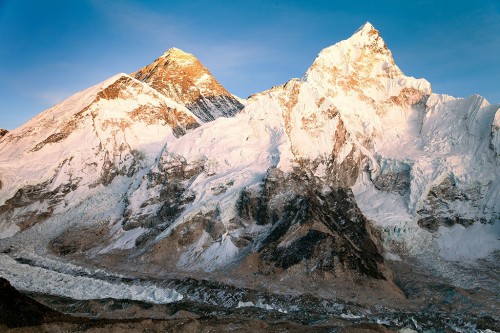
The ultimate destination is Everest Base Camp at 5,364 meters, offering unforgettable views of the Khumbu Icefall and Mount Everest at 8,848.86 meters. Trekkers can also climb Kala Patthar (5,545m) for one of Nepal’s most spectacular Himalayan sunrise experiences.
Along the route, magnificent peaks such as Lhotse, Nuptse, Ama Dablam, and Pumori dominate the skyline. The trail combines established mountain paths with increasingly steep and rocky terrain, particularly beyond Dingboche. The Kala Patthar ascent is among the trek’s most demanding sections, but its panoramic Everest views make the effort worthwhile.
Everest Base Camp Trek 2027–2028: Difficulty, Distance, Accommodation & Best Season
The Everest Base Camp Trek 2027–2028 takes you through spectacular alpine scenery, dramatic mountain valleys, traditional Sherpa settlements, and some of the world’s most impressive Himalayan landscapes. The trek is generally considered demanding to challenging, with an average of 5–7 hours of walking per day and approximately 10–15 km of trekking daily, depending on the route and altitude. The classic Lukla-to-Lukla EBC Trek is approximately 130 km, while starting or finishing around Surke provides an alternative approach that can avoid the Lukla flight. The Surke approach typically requires a long road journey, while return options can include Salleri, Ramechhap, or a flight from Lukla, depending on the itinerary and current transport conditions.
Accommodation along the Everest Base Camp route is primarily provided by local teahouses and mountain lodges, generally offering twin-sharing rooms, blankets, and basic facilities. Meals are simple, filling, and suitable for trekking, with popular choices including dal bhat, noodles, pasta, pancakes, potatoes, soups, and locally available yak cheese. As altitude increases, facilities become more basic, making good preparation important.
The best seasons for the Everest Base Camp Trek are generally spring (March–May) and autumn (September–November), when conditions are usually favorable for trekking and Himalayan visibility. A standard EBC itinerary typically takes 12–14 trekking days, with acclimatization built into the schedule. Most well-planned itineraries include rest and acclimatization stops at Namche Bazaar (3,440 m) and Dingboche (around 4,410 m), helping trekkers adapt gradually to increasing altitude. The total walking time can reach approximately 60–70 hours, depending on the itinerary, pace, acclimatization schedule, and route.
Everest Base Camp Trek by Road Without Lukla Flight 2027–2028
The Everest Base Camp Trek by Road 2027–2028 is an exciting alternative to the traditional Lukla flight route, offering a longer and more immersive journey into the heart of the Khumbu Himalayas. Instead of flying to Lukla, the adventure begins with a scenic jeep drive from Kathmandu to Salleri, followed by an off-road journey toward Surke. This option allows trekkers to experience the changing landscapes of Nepal from the lower hills to the high Himalayas while avoiding the need to start with a Lukla flight. Nepal Tourism Board also recognizes longer overland approaches through Solu as an alternative way to reach the Everest region and highlights the natural acclimatization benefits of a gradual approach.
The drive from Kathmandu to Salleri takes approximately 8–10 hours, covering around 268 km, with Salleri situated at approximately 2,390 m. From Salleri, continue by local/private jeep toward Surke, an adventurous off-road journey of roughly 5–6 hours, depending on road and weather conditions. From Surke, the trek begins on foot, joining the classic Everest trail toward the Khumbu. This road-based itinerary is particularly attractive to travelers who want a more complete Himalayan experience rather than simply taking the fastest route to Lukla.
Surke to Paiya – 2,730 m
From Surke, begin your first trekking day toward Paiya at approximately 2,730 m. The trail passes through beautiful forests, traditional settlements, suspension bridges, and peaceful Himalayan landscapes. After approximately 4–5 hours of walking, arrive at Paiya and settle into a local teahouse for the night.
Paiya to Phakding – 2,610 m
Continue your journey toward Phakding, following scenic mountain trails through forests and traditional villages. The trek takes approximately 6–7 hours, gradually bringing you closer to the main Everest Base Camp route. Phakding is a popular overnight stop before the trail climbs toward Namche Bazaar. Nepal Tourism Board identifies Phakding as one of the established stopovers on the Everest route.
Phakding to Namche Bazaar – 3,440 m
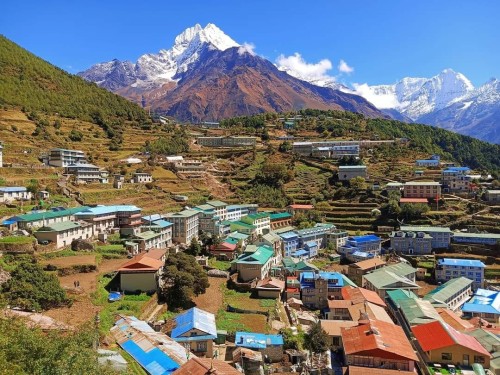
Today, the trail follows the Dudh Koshi valley toward legendary Namche Bazaar. After crossing suspension bridges and entering Sagarmatha National Park, the trail climbs steadily toward the vibrant Sherpa trading center. The approximately 6-hour trek rewards you with increasingly impressive Himalayan scenery.
Namche is one of the most important acclimatization points on the Everest Base Camp Trek. Nepal Tourism Board recommends spending time around Namche rather than rushing through this altitude.
Acclimatization Day in Namche Bazaar
Take a well-earned rest day in Namche Bazaar to help your body adjust to the increasing altitude. Instead of staying completely inactive, enjoy a gradual acclimatization hike toward Syangboche and the Everest View Hotel area, around 3,880 m, weather and trail conditions permitting.
Enjoy spectacular Himalayan panoramas while relaxing with a warm coffee or local snacks. This short excursion provides an excellent introduction to the mountains ahead while allowing you to return to Namche for another comfortable night.
Namche Bazaar to Tengboche – 3,860 m
After acclimatization, resume your trek toward Tengboche, one of the most scenic destinations in the Everest region. The trail follows the Imja Khola valley with magnificent views of Ama Dablam, Thamserku, Kangtega, Lhotse, and Everest.
After approximately 5 hours of trekking, arrive at Tengboche, home to the famous Tengboche Monastery, one of the leading Buddhist centers in the Khumbu. The monastery is renowned for its dramatic Himalayan setting and panoramic mountain views.
Tengboche to Dingboche – 4,410 m
Continue through beautiful alpine landscapes toward Dingboche, following the Imja Khola and passing through traditional Sherpa settlements. The scenery becomes increasingly rugged as the trail climbs above the tree line.
After approximately 5–6 hours, arrive at Dingboche at around 4,410 m, an important acclimatization stop before moving toward the higher elevations of Lobuche and Everest Base Camp.
Acclimatization Day in Dingboche
Spend a second important acclimatization day in Dingboche. A popular option is a gradual hike toward Nangkartshang Peak, which rises to approximately 5,083 m, providing outstanding views of the surrounding Himalayan peaks.
The purpose is not simply to reach a higher summit but to gain altitude during the day before returning to Dingboche for a lower sleeping elevation. Proper acclimatization is an essential part of a safe and enjoyable EBC Trek, particularly as the route climbs rapidly beyond Dingboche. Nepal Tourism Board similarly emphasizes allowing adequate time for acclimatization in the Everest region.
Dingboche to Lobuche – 4,910 m
After adequate rest and acclimatization, continue toward Lobuche at approximately 4,910 m. The landscape becomes dramatically more alpine, with barren slopes, glacial valleys, and spectacular Himalayan peaks surrounding the trail.
The trek takes around 5–6 hours, depending on your pace and trail conditions. As you approach Lobuche, the sense of adventure intensifies—you are now deep in the high Himalayas and getting closer to your ultimate goal, Everest Base Camp.
Lobuche to Gorak Shep – 5,164 m
From Lobuche, the trail continues along the rugged terrain of the Khumbu Glacier toward Gorak Shep at approximately 5,164 m, the final settlement before Everest Base Camp.
The walk generally takes around 3 hours, although altitude can make even shorter distances feel demanding. Nepal Tourism Board describes Gorak Shep as the final settlement on the classic Everest trail before the trek continues toward Everest Base Camp.
From Gorak Shep, the next stage leads toward the ultimate objective: Everest Base Camp at approximately 5,364 m, followed by the spectacular Kala Patthar viewpoint at approximately 5,545 m on a properly acclimatized itinerary.
Kathmandu to Everest Base Camp by Road 2027–2028
The Kathmandu to Everest Base Camp Trek by Road 2027–2028 is an exciting alternative for travelers who want to reach the world-famous Everest Base Camp without taking a flight to Lukla. The journey begins with a scenic 4WD jeep drive from Kathmandu to Salleri, followed by an overland road journey toward Surke before starting the main trek into the Khumbu. This longer approach combines adventurous mountain driving, gradual altitude gain, authentic Sherpa villages, and spectacular Himalayan scenery. Nepal Tourism Board also recognizes longer approaches through Solu as an alternative way to reach the Everest region and notes the acclimatization benefits of gaining elevation more gradually.
Kathmandu to Salleri by 4WD Jeep
Your road adventure starts in Kathmandu at approximately 1,400 meters, traveling by a comfortable 4WD jeep toward Salleri at around 2,360 meters. The drive covers approximately 265 km and generally takes about 8–10 hours, depending on traffic, road conditions, weather, and stops along the way. The route gradually leaves the Kathmandu Valley and enters the beautiful hills of central Nepal, offering changing landscapes, mountain villages, terraced farmland, rivers, and rugged countryside.
Salleri to Surke: The Overland Everest Approach
From Salleri, the jeep continues toward Surke, following a challenging mountain road through the Solukhumbu landscape. Depending on road conditions, this section can take approximately 6–7 hours, with the entire Kathmandu-to-Surke road journey covering roughly 335 km. The changing scenery makes this more than simply a transportation section—it becomes part of the Everest adventure itself.
Once you reach Surke, the trekking section of the Everest Base Camp by Road itinerary officially begins. This approach eliminates the need to depend on a Lukla flight and allows travelers to experience more of the lower Solukhumbu region before entering the high Himalayas.
Surke to Paiya and Everest Base Camp
From Surke, trek toward Paiya at approximately 2,730 meters, with the first walking stage taking around 5 hours. From Paiya, the classic Everest trail gradually leads toward Phakding (2,610m), Namche Bazaar (3,440m), Tengboche (3,860m), Dingboche (4,410m), and Lobuche (approximately 4,940m) before reaching Gorak Shep and Everest Base Camp.
This gradual progression through different elevations provides an excellent opportunity to experience the dramatic transformation of the landscape—from green valleys and forests to the rugged alpine environment of the Khumbu. Along the way, trekkers encounter traditional Sherpa settlements, Buddhist monasteries, suspension bridges, mountain rivers, and panoramic views of some of the world's most spectacular peaks.
Acclimatization at Namche and Dingboche
Namche Bazaar and Dingboche are important acclimatization points on the Everest Base Camp route. Spending additional time at these elevations and undertaking suitable short hikes allows trekkers to adapt progressively to the thinner air. Nepal Tourism Board specifically recommends taking sufficient time to acclimatize in the Everest region because altitude increases rapidly at higher elevations.
From Namche, the trail continues toward Tengboche, famous for its Buddhist monastery and outstanding views of Everest, Lhotse, and Ama Dablam. From Tengboche, the route progresses through Pangboche toward Dingboche, followed by the higher-altitude trail to Lobuche and Gorak Shep.
Everest Base Camp and Kala Patthar
The trek from Surke to Everest Base Camp at approximately 5,364 meters generally takes around 9–10 trekking days, depending on the itinerary, acclimatization schedule, walking pace, and trail conditions. From Gorak Shep, trekkers make the final excursion toward Everest Base Camp across the spectacular high-altitude landscape surrounding the Khumbu Glacier.
A major highlight is the early-morning climb to Kala Patthar at 5,545 meters. From this renowned viewpoint, trekkers can enjoy an extraordinary panorama of Mount Everest and the surrounding Himalayan giants. Nepal Tourism Board identifies Kala Patthar as one of the region's outstanding viewpoints and emphasizes the importance of proper acclimatization before reaching these elevations.
Trekking Distance, Walking Hours and Total Duration
The combined Surke–Everest Base Camp–Surke trekking distance is approximately 130 km, while the overall round trip from Kathmandu to Everest Base Camp and back to Kathmandu can total around 800 km, including the road sections. These figures are approximate because actual distances vary according to the selected road route, trail conditions, and transportation arrangements.
The complete Everest Base Camp Trek by Road 2027–2028 generally takes around 14-16–18 days, including transportation, trekking, acclimatization, and the return journey. During the trekking portion, expect approximately 5–8 hours of walking per day, although some high-altitude stages may feel more demanding because of the thinner air and rugged terrain.
Why Choose Everest Base Camp Trek by Road 2027–2028?
Choosing the Kathmandu to Everest Base Camp by Road means turning the journey itself into part of the adventure. Instead of beginning with a flight to Lukla, you travel by 4WD through the hills to Salleri and Surke before trekking progressively into the Everest region. The route offers gradual altitude gain, authentic Himalayan villages, Sherpa culture, dramatic landscapes, and magnificent mountain views.
It is particularly appealing to travelers who prefer an overland adventure or want an alternative to relying on a Lukla flight. The longer approach also provides more time to experience the changing landscapes and communities of Solukhumbu before entering the high-altitude Khumbu. Nepal Tourism Board similarly notes that longer approaches through Solu can offer natural acclimatization and richer cultural experiences.
For the 2027–2028 season, the Everest Base Camp Trek by Road is an outstanding choice for adventurous travelers seeking a more immersive, flexible, and memorable route to the world's most iconic base camp.
Why Choose Kathmandu to Everest Base Camp by Land 2027–2028?
Choosing the Kathmandu to Everest Base Camp Trek by Land 2027–2028 is a unique way to experience the Himalayas beyond the conventional Lukla flight route. Rather than flying directly into the Everest region, this overland adventure takes you through Nepal’s scenic mountain countryside, traditional villages, winding roads, and culturally rich landscapes before you begin the high-altitude trek. The journey becomes part of the adventure, offering a deeper connection with Nepal and the people who call these mountains home.
Gradual Approach and Better Acclimatization
One of the major advantages of traveling to Everest Base Camp by road is the opportunity to gain altitude progressively. The route starts at the lower elevations around Kathmandu and Salleri before continuing toward Surke and eventually into the higher Khumbu region. This gradual progression can provide more time for the body to adapt to increasing elevation when the itinerary includes appropriate acclimatization days. Nepal Tourism Board specifically highlights the importance of gradual acclimatization on Everest routes and notes that longer approaches through Solu can provide natural acclimatization.
Experience More of Nepal’s Mountain Culture
The EBC Trek by Road Without Lukla Flight allows you to discover much more than the high mountains. The overland route passes through remote hills, terraced farmland, traditional settlements, forests, rivers, and Sherpa communities. As you move deeper into Solukhumbu and the Khumbu, you gain a closer look at local traditions, Buddhist culture, mountain lifestyles, and the hospitality of Himalayan communities. Nepal Tourism Board also highlights the cultural experiences and changing lifestyles encountered along longer approaches to Everest.
An Alternative to the Lukla Flight
For travelers who prefer overland travel to Everest Base Camp, the road route provides an appealing alternative to starting with a flight to Lukla. The journey from Kathmandu toward Salleri and Surke replaces the initial flight section with a scenic 4WD adventure through the Solukhumbu hills. While road travel is longer and conditions can vary, it gives travelers greater flexibility in designing a journey that focuses on the experience rather than simply reaching the trailhead as quickly as possible.
Scenic Landscapes from Kathmandu to the Himalayas
The Kathmandu to EBC by Road route offers continuously changing scenery. The landscape gradually transforms from the busy Kathmandu Valley into green hills, terraced farmland, deep river valleys, forested slopes, rugged mountain roads, and finally the spectacular alpine environment of the Everest region. As the altitude increases, the scenery becomes increasingly dramatic, with magnificent Himalayan peaks appearing above the valleys.
A More Immersive Everest Adventure
Traveling by land to Everest Base Camp in 2027–2028 makes the entire journey feel like an expedition. Instead of treating transportation as a simple transfer, the road approach adds additional landscapes, villages, cultural encounters, and adventure to your itinerary. You experience the transition from Nepal’s middle hills to the high Himalayas step by step, making your eventual arrival at Everest Base Camp even more rewarding.
Ideal for Travelers Seeking a Different EBC Experience
The Kathmandu to Everest Base Camp by Land Trek 2027–2028 is ideal for adventurous travelers who want a slower, more immersive alternative to the traditional Lukla approach. It combines 4WD mountain travel, gradual altitude gain, Sherpa culture, spectacular Himalayan scenery, and the legendary Everest Base Camp experience in one comprehensive journey.
If your goal is to experience not only Everest Base Camp but also the landscapes and communities along the way, the EBC Trek by Road Without Lukla Flight 2027–2028 offers an outstanding Himalayan adventure with a distinctly overland character.
Kathmandu to Everest Base Camp by Land: Pros and Cons 2027–2028
The Kathmandu to Everest Base Camp Trek by Land 2027–2028 is an adventurous alternative to the traditional Lukla flight approach. Instead of flying directly into the Everest region, trekkers travel overland from Kathmandu and begin their walking journey from lower-altitude trailheads such as Jiri (1,905m), Salleri (around 2,360m), Thamdanda, Paiya, or Surke. This longer route transforms the journey to Everest Base Camp into a complete Himalayan adventure, combining scenic mountain drives, remote villages, diverse landscapes, and progressively higher trekking terrain.
Pros of Traveling to Everest Base Camp by Land
1. No Need to Fly to Lukla
One of the biggest advantages of the EBC Trek Without Lukla Flight is that the initial journey does not depend on a flight to Lukla. Travelers who prefer overland transportation can reach the Everest region by jeep and then continue on foot. This can be an attractive option when flight schedules, weather, or airport operations make the Lukla route less convenient.
2. Gradual Altitude Gain
The land approach begins at approximately 1,400 meters in Kathmandu and gradually progresses toward Everest Base Camp at 5,364 meters. Depending on the chosen route, trekkers pass through several intermediate elevations before reaching the high Khumbu. A properly planned itinerary with sufficient acclimatization can help the body adjust progressively to increasing altitude. Nepal Tourism Board emphasizes gradual acclimatization as an important part of trekking safely in the Everest region.
3. Richer Cultural Experience
Traveling by land gives you more opportunities to discover rural Nepal beyond the main Everest trail. The journey can pass through traditional villages, terraced hillsides, forests, river valleys, Buddhist communities, and Sherpa settlements. The slower approach allows travelers to experience local lifestyles and Himalayan culture more deeply rather than simply flying directly to the main trekking gateway.
4. Diverse Himalayan Landscapes
The Kathmandu to Everest Base Camp by Road journey crosses an extraordinary range of environments. Starting with the hills around Kathmandu, the landscape gradually changes into remote mountain valleys, forests, rugged terrain, alpine landscapes, and finally the spectacular high-altitude surroundings of Everest Base Camp. The changing scenery is one of the most rewarding aspects of the overland route.
5. A More Immersive Adventure
For adventure travelers, the journey itself becomes part of the destination. Long 4WD drives, remote roads, village trails, suspension bridges, mountain paths, and dramatic Himalayan views create an expedition-style experience. The route is especially appealing to trekkers who want something different from the standard Lukla-to-EBC itinerary.
Cons of Traveling to Everest Base Camp by Land
1. Longer Travel Time
The biggest disadvantage is the additional time required. Driving from Kathmandu toward the lower Everest trailheads and then trekking to Base Camp takes longer than the classic flight-and-trek itinerary. Travelers need enough vacation time to complete the journey comfortably.
2. Rough and Unpredictable Mountain Roads
Road conditions in the Himalayan foothills can vary considerably according to weather, maintenance, traffic, and seasonal conditions. Some sections can be rough, winding, or slow, making the overland journey physically demanding and less predictable than a scheduled flight when flights are operating normally.
3. More Walking and Physical Effort
Because the road approach starts farther from the traditional Lukla trailhead, the trekking distance can be greater. Depending on the selected starting point—Jiri, Salleri, Thamdanda, Paiya, or Surke—the itinerary may involve additional walking days and longer overall trekking hours.
4. High-Altitude Challenges Remain
Although the land route provides a more gradual approach, it does not eliminate altitude-related risks. The elevation eventually rises from Kathmandu at approximately 1,400m to Everest Base Camp at 5,364m. Trekkers still need appropriate acclimatization, hydration, pacing, preparation, and awareness of altitude-related symptoms.
5. Requires Patience and Good Preparation
The Everest Base Camp Trek by Land 2027–2028 is best suited to travelers who are comfortable with long journeys, changing road conditions, extended trekking, and basic mountain facilities. Good physical fitness, patience, proper acclimatization, and preparation are important for enjoying the journey safely and comfortably.
Is Everest Base Camp by Land Right for You?
The Kathmandu to Everest Base Camp by Land Trek 2027–2028 is an excellent choice for travelers who value adventure, gradual altitude gain, cultural immersion, scenic overland travel, and a more complete Himalayan experience. It takes more time and effort than the classic Lukla approach, but the reward is a journey that begins in the Kathmandu Valley and gradually unfolds through Nepal's hills, remote settlements, Sherpa country, and the spectacular high Himalayas.
For travelers with sufficient time and a passion for exploration, Everest Base Camp by Road Without Lukla Flight offers a memorable alternative route where the journey to Everest is just as important as reaching Base Camp itself.
1. What is the Kathmandu to Everest Base Camp Trek by Road 2027–2028?
The Kathmandu to Everest Base Camp Trek by Road 2027–2028 is an alternative EBC itinerary that replaces the traditional Lukla flight with an overland 4WD journey toward the Everest region. Depending on the selected itinerary, travelers can drive from Kathmandu toward Jiri, Salleri, Thamdanda, Paiya, or Surke before continuing the journey on foot. The route offers a longer and more immersive experience of Nepal's countryside, mountain roads, local villages, and Himalayan landscapes.
2. Can I reach Everest Base Camp without flying to Lukla?
Yes. Everest Base Camp can be reached without taking a Lukla flight by using an overland approach. Road-based itineraries commonly use Salleri and Surke as access points, while longer routes can approach through Jiri and Solu. Nepal Tourism Board also recognizes the Jiri/Solu approach as an alternative to the conventional Lukla route.
3. How do I travel from Kathmandu to Everest Base Camp by road?
A typical road-based itinerary starts with a 4WD jeep from Kathmandu toward Salleri, followed by further road travel toward Surke. From Surke, the trekking section continues through Paiya, Phakding, Namche Bazaar, Tengboche, Dingboche, Lobuche, and Gorak Shep, before reaching Everest Base Camp. The exact starting point and itinerary can vary depending on road conditions and the package selected.
4. How far is Kathmandu from Surke by road?
The Kathmandu-to-Surke road journey is approximately 330–335 km, depending on the selected road route and current road alignment. Travel time is influenced by road conditions, traffic, weather, construction, and stops. Because Himalayan road conditions can change, travelers should treat both distance and driving time as approximate rather than fixed.
5. How many days does the Kathmandu to Everest Base Camp road trek take?
A complete Kathmandu–EBC–Kathmandu road itinerary generally takes around 14-16–18 days, depending on the starting point, acclimatization schedule, trekking pace, transportation conditions, and return arrangements. Longer approaches through Jiri require additional trekking days. Nepal Tourism Board notes that a Solu-to-Khumbu approach can itself be designed as a 10–12-day trekking experience.
6. What is the altitude of Everest Base Camp?
Everest Base Camp is approximately 5,364 meters above sea level on the standard trekking route. The journey begins much lower in elevation and gradually climbs through the Khumbu. Kala Patthar reaches approximately 5,545 meters, providing one of the best viewpoints for Mount Everest.
7. Is the Everest Base Camp Trek by Road difficult?
The EBC Trek by Road is challenging because of its long duration, high altitude, steep ascents and descents, rugged trails, and changing weather. The road approach itself can also be tiring because of lengthy 4WD journeys. However, with proper preparation, gradual acclimatization, sensible pacing, and an experienced guide, physically fit trekkers can undertake the journey successfully.
8. Is Kathmandu to EBC by road better for acclimatization?
It can provide a more gradual approach, particularly on longer itineraries through Solu, because travelers spend more time progressing through lower and middle elevations before reaching the high Khumbu. However, taking the road does not eliminate altitude-sickness risk. Proper acclimatization days at places such as Namche and Dingboche remain important. Nepal Tourism Board specifically advises trekkers to take adequate time to acclimatize because altitude rises rapidly in the Everest region.
9. Where are the main acclimatization stops on the road-to-EBC trek?
The principal acclimatization stops are generally Namche Bazaar and Dingboche. At Namche, trekkers can take a short hike around the surrounding villages and higher viewpoints before continuing upward. Dingboche provides another important opportunity to rest and make a short acclimatization hike before moving toward Lobuche and Gorak Shep. Nepal Tourism Board recommends spending adequate time acclimatizing around Namche and the higher sections of the route.
10. What villages do I pass through on the Everest Base Camp road route?
Depending on the chosen itinerary, the route can include Salleri, Surke, Paiya, Phakding, Namche Bazaar, Tengboche, Pangboche, Dingboche, Lobuche, and Gorak Shep. The lower approach provides additional exposure to Solukhumbu communities before connecting with the established Khumbu trekking trail.
11. Do I need a guide for the Everest Base Camp Trek by Road?
Yes. The road approach does not remove the trekking regulations that apply to the Everest region. Nepal Tourism Board's current TIMS information lists Everest Base Camp Trek among the routes where trekkers must be accompanied by a licensed trekking guide and carry an agency-issued TIMS card.
12. What permits are required for Kathmandu to Everest Base Camp by Road?
Trekkers need the applicable Sagarmatha National Park entry permit and TIMS card, along with any other permits or local fees applicable to the specific route. Nepal Tourism Board identifies the Everest region as a protected area and states that entry permits are required. Current TIMS provisions also specifically include Everest Base Camp Trek.
13. What is the best season for the Kathmandu to EBC road trek in 2027–2028?
The strongest trekking periods are generally spring (March–May) and autumn (September–November), with October and November traditionally among the favored months. Winter can offer clear mountain scenery but brings very cold temperatures and possible snow at higher elevations, while monsoon conditions can make lower mountain roads and trails wetter and more difficult. Nepal Tourism Board lists March–May, October–November, and December–February among Everest-region travel periods.
14. How many hours do I walk each day on the road-to-EBC trek?
Most trekking days involve approximately 5–8 hours of walking, although daily duration varies according to altitude, trail conditions, distance, acclimatization requirements, and individual pace. Higher sections around Lobuche, Gorak Shep, and Everest Base Camp can feel considerably more demanding because of reduced oxygen levels.
15. Can beginners do the Everest Base Camp Trek by Road?
A beginner with good physical fitness, sufficient preparation, and enough time for acclimatization can undertake the trek, but it should not be considered an easy beginner trek. The high altitude makes the journey considerably more demanding than ordinary hiking. Training with regular walking, uphill exercise, stair climbing, and longer hikes before departure is recommended.
16. What accommodation is available during the Kathmandu to EBC road trek?
Accommodation is primarily provided by local teahouses and mountain lodges. Facilities are generally more basic at higher elevations, while popular villages such as Namche offer a wider range of lodges and services. Nepal Tourism Board confirms that hotels, lodges, teahouses, and camping options are available in the Everest region.
17. What makes the road route different from the classic Lukla EBC Trek?
The biggest difference is the approach to the Everest region. The classic itinerary normally begins with a flight to Lukla, while the road itinerary uses a 4WD journey toward trailheads such as Salleri or Surke. The road option takes longer but allows travelers to experience more of Nepal's middle hills, rural communities, mountain roads, and Solukhumbu landscapes. Nepal Tourism Board describes the Jiri/Solu approach as an alternative for travelers with sufficient time.
18. Can I see Mount Everest from Kala Patthar on this trek?
Yes. Kala Patthar is one of the major highlights of the Everest Base Camp journey. At approximately 5,545 meters, it provides exceptional views toward Mount Everest and the surrounding Himalayan peaks. An early-morning ascent is popular because sunrise can illuminate Everest and the surrounding mountains dramatically.
19. Is Kathmandu to Everest Base Camp by road safer than flying to Lukla?
It is better to describe the road route as an alternative rather than automatically safer. It avoids dependence on a Lukla flight, but the mountain roads themselves can be rough and affected by weather and road conditions. The trekking section still involves high-altitude risks, so safety depends on experienced guiding, appropriate acclimatization, weather awareness, proper equipment, and a well-planned itinerary. Nepal Tourism Board advises high-altitude trekkers to understand altitude sickness and follow designated routes.
20. How can I book Kathmandu to Everest Base Camp by Road 2027–2028?
For the 2027–2028 Everest Base Camp Trek by Road, travelers should choose a reputable Nepal trekking agency that can arrange the 4WD transportation, licensed guide, TIMS, permits, accommodation, acclimatization schedule, meals, trekking support, and emergency arrangements. Booking directly with a registered local trekking company can also make it easier to customize the starting point—such as Salleri or Surke—the number of acclimatization days, private or group arrangements, and return transportation.
Final FAQ Tip for International Travelers
The Kathmandu to Everest Base Camp Trek by Road 2027–2028 is ideal for travelers who want more than simply reaching Everest Base Camp. It combines an overland Himalayan journey, progressive trekking, Sherpa culture, spectacular landscapes, and the legendary Everest Base Camp experience. The most important priorities are adequate acclimatization, a licensed guide, appropriate permits, realistic daily walking times, travel insurance, and flexibility for mountain road and weather conditions.
Everest Base Camp Trek by Road 2026–2027 - 14 Days
Our Energetic and dynamic team at Adventure Nepal Eco Treks has earned 5/5 star ratings on TripAdvisor. Don't forget to visit our Trekkers feedback page on TripAdvisor. If you believe our expert team can be helpful in planning your next trip to Nepal, then please do not hesitate to contact us at devibaral35@gmail.com. Expert also available 24x7 on WhatsApp +977- 9851082358
Recent From Blog


8th Sep, 2026

16th Aug, 2026

10th Aug, 2026

8th Aug, 2026

1st Aug, 2026

31st Jul, 2026

29th Jul, 2026
25th Jul, 2026

29th Jun, 2026
4th Jan, 2026


5th Jun, 2025

19th May, 2025

9th May, 2025

18th Apr, 2025

22nd Oct, 2024
21st Oct, 2024
19th Oct, 2024

18th Oct, 2024

11th Oct, 2024
11th Oct, 2024
8th Oct, 2024
