
25th Mar, 2024
Mardi Himal Trek in March, Altitude, Weather, Temperature, Difficulties
Mardi Himal Trek in March: A Journey Through the Symphony of Spring
Table of Contents
In March, as the world begins to thaw under the gentle caress of spring, the Mardi Himal Trek in Nepal unfurls its secrets to those who dare to wander its paths. This trail, less trodden but no less magical, offers a mesmerising journey through rhododendron-laden forests, quiet villages, and alpine meadows cradled beneath the grandeur of the Annapurna range. As the snow begins its slow retreat, Mardi Himal's landscapes awaken, painting an unforgettable canvas of natural beauty and serenity.
A Symphony of Altitude
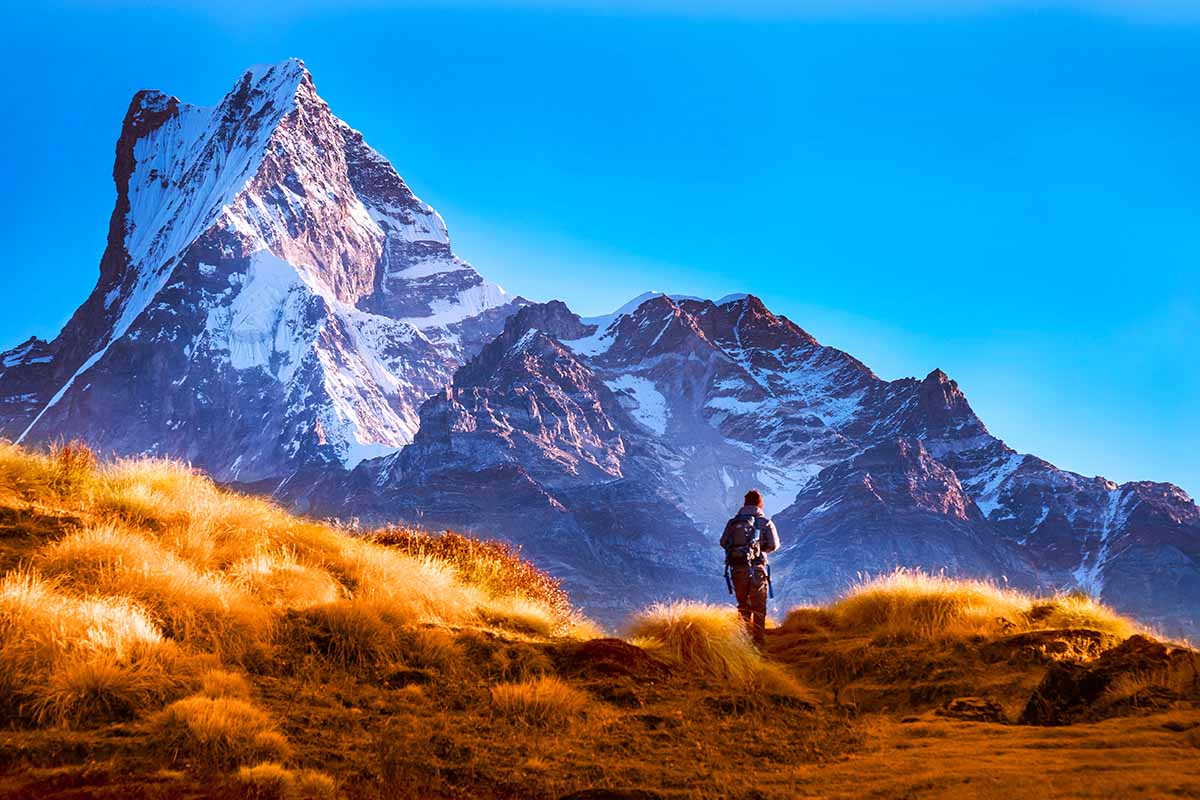
The trek’s elevation gradually leads you through diverse ecological zones, beginning at Kade (1,770 m/5,807 ft) or Pedi, depending on your starting point. The trail gently ascends to Forest Camp (2,520 m/8,267 ft) and then to Low Camp (2,970 m/9,744 ft), where dense forests yield glimpses of snowy peaks. High Camp (3,580 m/11,745 ft) marks the crescendo, offering panoramic views of the Annapurna range, Machhapuchhre (Fishtail), and Mardi Himal. The final push to Mardi Himal Base Camp (4,500 m/14,764 ft) reveals a world where the Himalayas stand like sentinels of time, their icy crowns glistening in the sun.
March: The Advent of Spring
March carries the promise of spring to the Mardi Himal trail. The lower regions burst into vibrant life as rhododendrons, Nepal’s national flower, paint the forests in hues of red, pink, and white. Temperatures at this time are ideal for trekking, ranging from 10°C to 20°C (50°F to 68°F) during the day in lower elevations. Nights are cooler, dipping to around 5°C (41°F) at Forest Camp and slightly below freezing at High Camp. At Mardi Himal Base Camp, temperatures can fall to -5°C (23°F), especially before dawn, when the mountain air is at its crispest.
The weather in March is generally stable, with clear mornings that unveil the peaks in all their glory. However, the afternoons may bring a smattering of clouds, adding an ethereal charm to the landscape. Occasional rain showers in the lower altitudes or snowfall at higher elevations remind trekkers of nature’s unpredictability.
Challenges Along the Trail
While the Mardi Himal Trek is considered a moderate trek, it demands a fair level of physical fitness and preparation. The trail involves steep ascents and descents, particularly as you approach High Camp and Base Camp. The final stretch to the base camp is more rugged, with rocky paths that may be slippery if dusted with late-winter snow.
Altitude sickness is a potential challenge, particularly as you ascend beyond 3,000 meters. Symptoms such as headaches, nausea, or dizziness should not be ignored. Adequate acclimatisation, a steady pace, and hydration are crucial to mitigate these effects.
March’s melting snow can create muddy trails at lower elevations, while icy patches may linger in shaded areas at higher altitudes. Trekking poles and sturdy, waterproof boots are indispensable companions for these conditions.
The Rewards of March
Despite its challenges, the Mardi Himal Trek in March offers unparalleled rewards. The vistas from High Camp and Base Camp are nothing short of sublime, with the sun rising over Machhapuchhre, casting golden hues upon its pristine flanks. The silence of the mountains, broken only by the occasional call of Himalayan birds, instills a sense of tranquility rarely found in the modern world.
Cultural encounters add a layer of depth to the journey. The Gurung and Magar communities that dot the trail offer warm hospitality and glimpses into their traditional lifestyles. Savouring a hot cup of locally brewed tea by the fire in a teahouse is an experience as cherished as the vistas.
Preparing for the Journey
March is a popular time for trekking in Nepal, but the Mardi Himal Trek remains delightfully uncrowded compared to its more famous neighbours. Pack wisely for the season: layers for fluctuating temperatures, rain gear for unexpected showers, and a sleeping bag rated for sub-zero temperatures.
Hiring a guide or porter is highly recommended, especially if this is your first trek in Nepal. They not only ensure safety and navigation but enrich the journey with local insights and stories.
A Tale to Tell
The Mardi Himal Trek in March is more than a trek—it’s a journey through the heart of nature’s springtime awakening. From the fiery blossoms of rhododendrons to the icy whispers of the Himalayas, each step invites you to rediscover a connection with the earth. Though the path may test your endurance, it rewards you with moments of sublime beauty and introspection, leaving an indelible mark on your soul.
In the shadow of Mardi Himal, time slows, and life unfolds in its purest, most awe-inspiring form. As you descend from this alpine sanctuary, your heart carries the melodies of the mountains—a song that calls you back, again and again.
What is the altitude of Mardi Himal Trek, and what are the major elevation points?
The Mardi Himal Trek reaches a maximum altitude of 4,500 meters (14,764 feet) at Mardi Himal Base Camp. Key elevation points include:
Mardi Himal Base Camp: 4,500 m (14,764 ft)
High Camp: 3,580 m (11,745 ft)
Low Camp: 2,970 m (9,744 ft)
Forest Camp: 2,520 m (8,267 ft)
Kade/Pedi (Starting Point): 1,770 m (5,807 ft)
What is the weather like during the Mardi Himal Trek in March?
March marks the start of spring, with mostly stable weather. Clear skies dominate the mornings, offering stunning mountain views, while clouds may gather in the afternoons. Occasional light rain or snow is possible but uncommon.
What are the temperature ranges on the Mardi Himal Trek in March?
Temperatures vary by altitude:
Lower regions: 10°C to 20°C (50°F to 68°F) during the day, 5°C (41°F) at night.
Higher elevations (High Camp and above): Daytime temperatures range from 0°C to 10°C (32°F to 50°F), and nighttime temperatures drop to -5°C to -10°C (23°F to 14°F).
Is the Mardi Himal Trek in March suitable for beginners?
While considered a moderate trek, it involves steep ascents and descents, particularly after Low Camp. First-time trekkers with a reasonable fitness level and proper preparation can complete it, but hiring a guide for support is recommended.
What challenges might I face on the Mardi Himal Trek in March?
Common challenges include:
Altitude sickness: Symptoms may occur after ascending 3,000 m (9,842 ft). Proper acclimatisation and hydration are essential.
Trail conditions: Melting snow can make paths muddy at lower altitudes, and icy sections may exist at higher elevations.
Weather unpredictability: While March is generally stable, sudden changes are possible in the mountains.
What gear and clothing are essential for the Mardi Himal Trek in March?
Layered clothing is vital to adapt to temperature changes:
Base layers, insulating layers, and waterproof outerwear.
Sturdy, waterproof trekking boots.
Trekking poles for stability on slippery or uneven terrain.
Warm gloves, a hat, and a sleeping bag rated for sub-zero temperatures.
Are guides or porters necessary for the Mardi Himal Trek in March?
While the trek is well-marked, hiring a guide is highly recommended, especially for first-time trekkers. A guide ensures safety, helps manage altitude challenges, and enriches the experience with local knowledge. Porters can carry heavy loads, making the trek less physically demanding.
How does the rhododendron bloom in March enhance the trekking experience?
March is the beginning of rhododendron season, with vibrant blossoms colouring the forests in red, pink, and white. This natural spectacle, combined with the clear skies and awakening landscapes, makes the trek especially picturesque.
What level of fitness is required for the Mardi Himal Trek in March?
Moderate fitness is required. Trekkers should be prepared for 4-6 hours of daily walking with varying terrain. Regular cardio, leg-strengthening exercises, and light hiking practice before the trek will help build stamina.
What permits are needed for the Mardi Himal Trek, and where can I get them?
Two permits are required:
Annapurna Conservation Area Permit (ACAP): Available in Kathmandu or Pokhara.
Trekkers’ Information Management System (TIMS) Card: Can be obtained from the Trekking Agencies Association of Nepal (TAAN) office.
Ensure permits are secured before starting the trek.
These FAQs provide essential insights into the Mardi Himal Trek in March, helping trekkers prepare for a safe and memorable adventure amidst Nepal’s stunning landscapes.
Recent From Blog


8th Sep, 2026

16th Aug, 2026

10th Aug, 2026

8th Aug, 2026

1st Aug, 2026

31st Jul, 2026

29th Jul, 2026
25th Jul, 2026

29th Jun, 2026
4th Jan, 2026


5th Jun, 2025

19th May, 2025

9th May, 2025

18th Apr, 2025

22nd Oct, 2024
21st Oct, 2024
19th Oct, 2024

18th Oct, 2024

11th Oct, 2024
11th Oct, 2024
8th Oct, 2024
