
24th Sep, 2026
5 Best Monsoon Treks in Nepal 2027–2028 | Top Routes & Packages
Nepal’s monsoon season generally runs from June to September, and most classic trekking areas receive substantial rainfall. However, Nepal’s Himalayan rain-shadow regions—especially Mustang and Dolpo—can offer excellent alternatives. Nepal Tourism Board specifically identifies Mustang, Manang, and Dolpo as drier rain-shadow areas suitable for monsoon trekking.
Table of Contents
 1. Upper Mustang Trek – Best Monsoon Trek in Nepal
The Upper Mustang Trek is one of the strongest choices for travelers searching for the best monsoon trekking in Nepal 2027–2028. Located behind the Annapurna and Dhaulagiri ranges, Upper Mustang lies in the Himalayan rain shadow and remains considerably drier during the summer monsoon. The journey takes you through spectacular trans-Himalayan landscapes, ancient villages, Buddhist monasteries, dramatic cliffs, caves, and the historic walled city of Lo Manthang, around 3,840 m. A typical Upper Mustang itinerary covers approximately 120–180 km, depending on the route, transportation, and side trips, and usually requires around 10–14 trekking days. June–September is particularly attractive for monsoon travel, while spring and autumn remain excellent alternatives. Upper Mustang is a restricted trekking area, requiring a special permit and authorized arrangements. For Upper Mustang Trek packages 2027–2028, travelers can choose private or small-group departures with experienced guides, permits, accommodation, transportation, and customized itineraries. Book your Upper Mustang monsoon trek early for an unforgettable combination of Himalayan scenery, Tibetan-style culture, and remote adventure.
 2. Upper Dolpo Trek – Remote Himalayan Wilderness
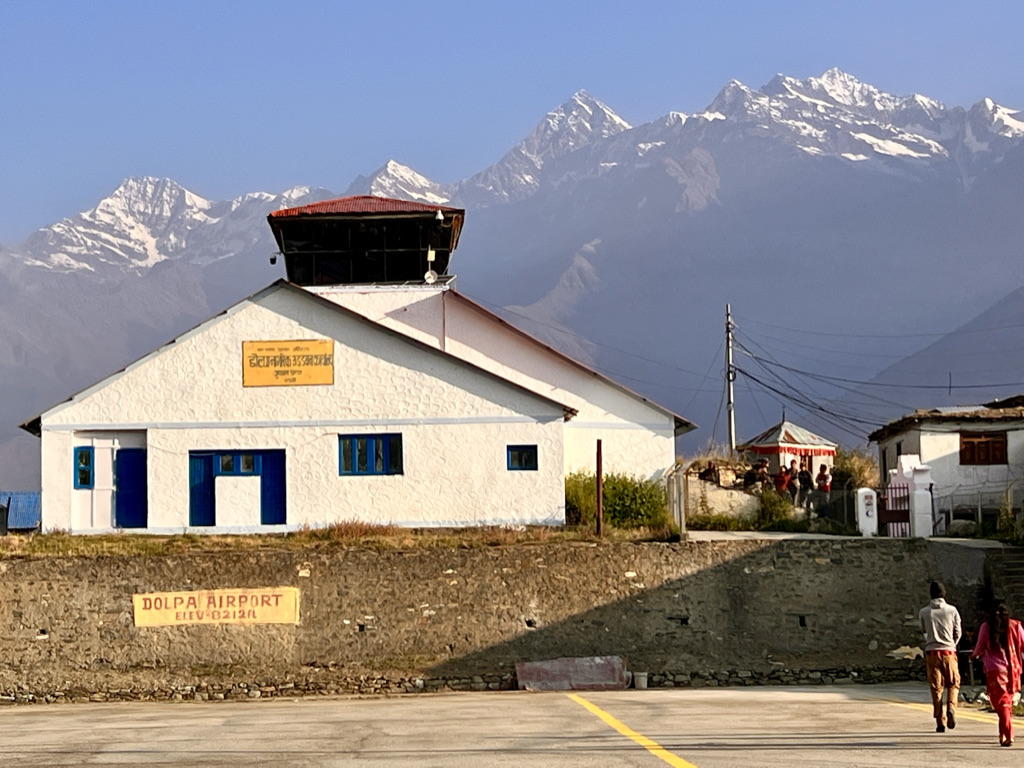
The Upper Dolpo Trek is an exceptional choice for experienced adventurers seeking a remote, high-altitude Himalayan journey during Nepal's monsoon season. Dolpo lies north of the Dhaulagiri range in a rain-shadow environment, making it one of Nepal's important alternatives to the wetter southern trekking routes. The region features dramatic barren mountains, traditional Tibetan-influenced villages, ancient monasteries, high passes, and spectacular Phoksundo Lake. Depending on the selected itinerary, trekkers can reach elevations above 5,000 m, while total walking distance can vary considerably, often exceeding 150 km on longer expeditions. June–September can be an attractive period for Dolpo, particularly for experienced trekkers prepared for remote conditions, although access, flights, trail conditions, and weather require careful planning. Upper Dolpo is a restricted region, so travelers must arrange applicable permits and authorized trekking services. Nepal Tourism Board lists Upper Dolpo and Lower Dolpo among designated trekking routes requiring appropriate guide and TIMS arrangements. A professionally organized Upper Dolpo Trek package 2027–2028 can include permits, camping or lodge arrangements, guides, porters, transportation, meals, and contingency planning. Choose Upper Dolpo for a premium off-the-beaten-path Himalayan adventure.
 3. Nar Phu Valley Trek – Hidden Himalayan Culture
The Nar Phu Valley Trek is an outstanding option for travelers wanting a remote cultural adventure in the Annapurna region during the monsoon. Nar Phu lies in the northern Himalayan landscape and benefits from the rain-shadow effect, although conditions can vary and the approach may be affected by summer weather. The trek leads through narrow gorges, dramatic mountain valleys, traditional stone villages, Buddhist monasteries, and spectacular high-altitude landscapes. Depending on the itinerary, trekkers can cross Kang La Pass at approximately 5,320 m, making acclimatization essential. A complete Nar Phu itinerary may cover approximately 70–120 km, depending on the starting point, side trips, and whether it is combined with the Annapurna Circuit. June–September can be considered for experienced trekkers seeking a quieter Himalayan experience, while spring and autumn are generally more predictable seasons. Nar Phu is a restricted trekking area, requiring special permits and authorized trekking arrangements. Nepal Tourism Board lists the Nar Phu Annapurna Circuit among routes requiring trekking guide and TIMS arrangements. For Nar Phu Valley Trek packages 2027–2028, compare permit costs, guide services, accommodation, transportation, walking distance, and acclimatization plans before booking.
 4. Upper Manang & Annapurna Circuit – Rain-Shadow Himalayan Adventure
The Upper Manang section of the Annapurna Circuit offers an excellent monsoon alternative for travelers who want dramatic Himalayan landscapes while avoiding some of Nepal's wetter southern slopes. Manang lies within the Annapurna region's rain-shadow zone, and Nepal Tourism Board notes that upper Mustang and Manang can be suitable during monsoon, with drier conditions than many other parts of Nepal. The classic Annapurna Circuit eventually reaches Thorong La Pass at 5,416 m, although monsoon travelers should carefully assess the exact route, road conditions, pass accessibility, and weather before departure. Total trekking distance varies substantially because of road development and itinerary choices, with longer versions exceeding 150 km. For 2027–2028, a monsoon itinerary can focus on the northern rain-shadow section rather than assuming the entire circuit has identical weather conditions. This region combines spectacular peaks, turquoise alpine lakes, Tibetan-influenced villages, monasteries, and distinctive high-altitude scenery. Choose an Annapurna Circuit or Manang trekking package with experienced guides, appropriate permits, transportation, accommodation, and flexible contingency planning. It is an excellent option for travelers seeking Nepal monsoon trekking packages, Himalayan culture, and high-altitude adventure.
5. Lower Dolpo Trek – Remote Monsoon Adventure
The Lower Dolpo Trek is another compelling choice for travelers searching for remote monsoon trekking in Nepal 2027–2028. Like Upper Dolpo, the wider Dolpo region lies north of the Dhaulagiri range and benefits from the Himalayan rain-shadow effect. The journey combines rugged mountain landscapes, remote villages, Buddhist and Bon cultural traditions, dramatic valleys, forests, and high Himalayan passes. Depending on the selected itinerary, altitude can rise above 5,000 m, while the total walking distance varies significantly according to route and side trips. June–September can provide a distinctive summer trekking opportunity, but Lower Dolpo remains remote and requires more logistical preparation than mainstream routes. Nepal Tourism Board lists Lower Dolpo Trek among recognized trekking routes in the Dolpo region. Travelers should arrange applicable permits, guides, transportation, accommodation or camping support, and emergency contingency planning well in advance. A customized Lower Dolpo Trek package 2027–2028 is ideal for experienced trekkers who value wilderness, cultural immersion, solitude, and extraordinary Himalayan landscapes. Request a detailed itinerary and total trekking cost before booking your remote Nepal monsoon adventure.
1. What are the best monsoon trekking routes in Nepal for 2027–2028?
The strongest monsoon trekking options in Nepal are generally Upper Mustang, Upper Dolpo, Lower Dolpo, Nar Phu Valley, and Upper Manang/Annapurna Circuit. These northern Himalayan areas benefit from rain-shadow conditions, making them considerably drier than many southern trekking routes. Nepal Tourism Board specifically identifies Manang and Mustang as suitable monsoon trekking areas.
2. Why is Upper Mustang ideal for monsoon trekking?
Upper Mustang lies in the Himalayan rain shadow, so it receives much less monsoon rainfall than many other parts of Nepal. Nepal Tourism Board specifically states that Upper Mustang is one of the few regions suitable for trekking during the monsoon. Lo Manthang is around 3,800–4,000 m, depending on the reference point, and the region offers spectacular trans-Himalayan scenery, ancient villages, monasteries, and Tibetan-influenced culture.
3. Can I trek Upper Dolpo during June, July and August?
Yes, Upper Dolpo is a major rain-shadow trekking destination and can be considered for summer travel. However, it is a remote, high-altitude adventure requiring careful logistical planning. Upper Dolpo is a restricted area, so travelers need the appropriate special trekking permit and authorized arrangements. Nepal Tourism Board currently lists Upper Dolpo among restricted trekking areas.
4. Is Nar Phu Valley suitable for monsoon trekking?
Nar Phu Valley can be an attractive summer option because its northern Himalayan location is influenced by the rain shadow. However, the approach, roads, weather, and high passes can still experience changing conditions. The route can reach Kang La at approximately 5,320 m, so acclimatization is essential. Nar Phu is a restricted trekking area, and current permit requirements should be confirmed before booking.
5. Is the Annapurna Circuit good during the monsoon season?
The entire Annapurna Circuit should not be assumed to be dry during monsoon. However, the Upper Manang section lies in the rain shadow and can be considerably drier. Nepal Tourism Board specifically notes that Manang and Mustang offer monsoon trekking opportunities. The Annapurna Circuit's famous Thorong La Pass reaches approximately 5,416 m, so weather, trail conditions, road access, and pass accessibility should be checked before departure.
6. What altitudes do the top monsoon trekking routes reach?
Altitude varies significantly by route. Upper Mustang reaches roughly 3,800–4,000 m around its principal destinations, while Nar Phu can cross Kang La at about 5,320 m. Dolpo itineraries can also exceed 5,000 m, depending on the selected route and passes. Because altitude increases the risk of altitude-related illness, a professionally designed itinerary should include gradual acclimatization and appropriate rest days.
7. How many kilometers are these monsoon trekking routes?
There is no single official kilometer figure because walking distance changes according to trailhead, road access, side trips, acclimatization hikes, and customized itineraries. Typical Upper Mustang itineraries can cover approximately 120–180 km, while Nar Phu and Dolpo itineraries vary widely. When comparing Nepal monsoon trekking packages 2027–2028, request the exact daily walking distance and total trekking kilometers rather than relying only on the package title.
8. What is the best time for monsoon trekking in Nepal?
Nepal's main monsoon generally occurs from June through September, with substantial rainfall in many areas. The northern rain-shadow regions provide the best alternatives during this period. For Upper Mustang, Manang, and Dolpo, June–September can be attractive, although conditions vary by route. Outside monsoon, spring and autumn are generally the preferred seasons for many Himalayan treks.
9. Do I need special permits and a guide for monsoon trekking?
Permit and guide requirements depend on the specific route. Upper Mustang, Upper Dolpo, Lower Dolpo, Nar Phu, and other restricted areas require special trekking permits, while Nepal Tourism Board's current TIMS provisions also identify many of these routes as requiring a licensed guide and agency-issued TIMS. Always verify current requirements before your 2027–2028 Nepal trekking booking, because regulations and fees can change.
10. How can I book the best monsoon trekking package for 2027–2028?
Choose your route based on rain-shadow location, altitude, kilometers, trekking difficulty, available days, budget, and weather conditions. Compare complete package costs including permits, guide and porter services, accommodation, meals, transportation, domestic flights, and emergency arrangements. For remote routes, experienced local support is particularly valuable. Request a customized Nepal Monsoon Trekking Package 2027–2028, confirm current permits and weather policies, compare the complete itinerary and price, and book your Himalayan adventure directly online.
Recent From Blog


8th Sep, 2026

16th Aug, 2026

10th Aug, 2026

8th Aug, 2026

1st Aug, 2026

31st Jul, 2026

29th Jul, 2026
25th Jul, 2026

29th Jun, 2026
4th Jan, 2026


5th Jun, 2025

19th May, 2025

9th May, 2025

18th Apr, 2025

22nd Oct, 2024
21st Oct, 2024
19th Oct, 2024

18th Oct, 2024

11th Oct, 2024
11th Oct, 2024
8th Oct, 2024
