

4th Jan, 2026
Nar phu valley Spring Trek Nepal 2026-2027
The Nar Phu Valley Spring Trek in Nepal 2026–2027 is a journey into one of the most remote and culturally preserved regions of the Annapurna Himalayas. Hidden beyond the main trekking routes, Nar and Phu valleys offer a rare glimpse into an ancient Tibetan-influenced lifestyle, dramatic high-altitude landscapes, and untouched mountain trails. Spring (March to May) is the ideal season for this trek, as the weather becomes stable, mountain passes open, and alpine meadows begin to bloom under clear Himalayan skies.
Table of Contents
The trek begins by leaving the classic Annapurna Circuit and entering a wild, narrow gorge carved by glacial rivers and towering cliffs. As you move deeper into the valleys, stone-built villages, prayer walls, and centuries-old monasteries appear like timeless relics of a forgotten world. Villages such as Phu Gaon and Nar village sit high above the valley floor, offering sweeping views of snow-capped peaks including Kang Guru, Pisang Peak, and Himlung Himal. Spring temperatures are comfortable for trekking, and the season brings excellent visibility along with fewer crowds compared to more popular routes.
One of the highlights of the Nar Phu Valley Spring Trek is crossing the Kang La Pass (5,320 m), which rewards trekkers with breathtaking panoramic views over the Annapurna range. Proper acclimatization and a steady pace make this challenging section both safe and deeply satisfying. The combination of raw Himalayan wilderness, spiritual heritage, and adventurous high passes makes this trek perfect for experienced trekkers seeking an authentic and less-traveled Himalayan experience. The Nar Phu Valley Spring Trek 2026–2027 promises solitude, cultural richness, and unforgettable mountain memories.
A journey Back to Time
Embarking on a journey back in time is more than just a trip—it's an awakening of the senses. As you walk through ancient stone-paved trails, whispering forests, and forgotten villages nestled deep in the Himalayas, every step echoes with centuries of history and legend. The weathered prayer flags, silent stupas, and age-old monasteries transport you to an era untouched by modern noise. Time here moves not by the hour, but by the heartbeat of nature and tradition.
Whether it's exploring the sacred Nar Phu Valley, the timeless streets of Bhaktapur, or the shadowed alleys of Mustang, Nepal invites travelers to leave behind the present and immerse in a slower, richer rhythm of life. You don’t just witness history—you live it. In this sacred land, every smile, every stone, every story becomes part of your own. It's not just a trek or tour—it’s a soul-stirring journey into the past.
The Hidden Villages
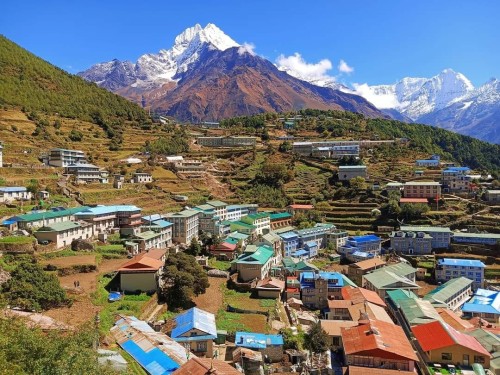
Tucked away in the shadow of towering peaks and far from the rush of modern life lie Nepal’s hidden villages—places where time holds still and traditions thrive. These remote settlements, like Nar, Phu, Khani Gaun, or Tsum, are cradled by deep valleys and dramatic cliffs, accessible only by foot. Here, stone houses cling to hillsides, prayer flags flutter in mountain winds, and locals greet visitors with warm smiles and quiet pride.
To journey into these hidden villages is to experience a way of life that hasn’t changed for centuries. Yak caravans still wind along ancient trails, monks chant inside centuries-old monasteries, and harvests are gathered by hand beneath snow-capped horizons. In these untouched corners of Nepal, you’ll find more than scenery—you’ll find soul. For trekkers, photographers, and seekers of authenticity, the hidden villages are rare treasures, offering both breathtaking beauty and deep cultural connection in every step.

Himlung Himal and Base Camp
Rising to a majestic 7,126 meters in the remote reaches of the Nar Phu Valley, Himlung Himal is a hidden jewel of the Nepalese Himalayas. Tucked near the Tibetan border, this stunning peak stands in serene isolation, surrounded by rugged landscapes, ancient monasteries, and traditional Tibetan villages. The journey to Himlung Base Camp is an experience in itself—an odyssey through pristine forests, glacier-fed rivers, and untouched highlands where silence sings louder than sound.
The base camp, located at approximately 4,900 meters, rests on a broad moraine beneath the looming ice walls of Himlung. It’s a sacred space of reflection and resilience, often used by climbers preparing to ascend the summit. With sweeping views of the Annapurna and Manaslu ranges, and the spiritual calm of high-altitude solitude, Himlung Himal offers not just an expedition, but a soulful adventure into one of Nepal’s least explored alpine sanctuaries.
Stunning Nature Beauty
Nepal is a land sculpted by the gods—where every valley cradles a river, every trail leads to wonder, and every dawn awakens mountains draped in gold. From the icy spires of the Everest region to the emerald terraces of the Annapurnas, the stunning natural beauty of Nepal is both humbling and exhilarating. Crystal-clear skies frame snow-capped giants, while rhododendron forests burst into bloom beneath fluttering prayer flags.
But it’s not just the peaks that captivate—it’s the quiet grace of alpine lakes, the raw drama of deep gorges, and the sunlit villages perched on steep hillsides. Whether you’re trekking through Langtang’s wild valleys or marveling at the mirror-like waters of Gosaikunda, Nepal stirs something deep within the soul. It is nature in her purest form—majestic, mysterious, and endlessly inspiring. A journey here is not just a getaway, but a breathtaking reminder of the world’s untamed wonder.
A True Off-the-Beaten-Path Experience
For those who crave authenticity and untouched wilderness, Nepal’s hidden trails offer a true off-the-beaten-path experience. Far from crowded routes and busy lodges, these remote treks—like the Nar Phu Valley, Upper Dolpo, or Dudh Kunda—unfold through unspoiled landscapes and ancient cultures frozen in time. The silence is profound, broken only by the crunch of your boots or the distant chant of a monk. Each turn reveals a new world—forgotten villages, high mountain passes, and sacred lakes whispering old Himalayan tales.
These journeys demand curiosity and reward it with soul-stirring encounters—warm tea shared with yak herders, blessings from reclusive lamas, and nights spent beneath star-laden skies. No Wi-Fi, no traffic, just pure connection to land and life. If you're searching for a trekking adventure that feels deeply personal and powerfully real, Nepal’s lesser-known trails promise a path where the footprints are few, but the memories last forever.
Where is the Nar Phu Valley located?
— Nar Phu Valley lies in the Manang district of northern Nepal, close to the Tibetan border and north of the Annapurna Circuit trail.
How difficult is the Nar Phu Valley Trek?
— It is a moderate to challenging trek, ideal for experienced trekkers due to remote trails, altitude, and limited infrastructure.
What is the best time to do the Nar Phu Valley Trek?
— Spring (March–May) and autumn (September–November) offer clear skies, mild temperatures, and the best mountain views.
Do I need special permits for the trek?
— Yes. You need the Restricted Area Permit (RAP), Annapurna Conservation Area Permit (ACAP), and a TIMS card.
How many days does the trek take?
— The standard itinerary is 13 to 15 days, often starting from Koto and ending by joining the Annapurna Circuit.
Is the trek guided or can I go independently?
— A licensed guide is mandatory due to the restricted area status of Nar and Phu villages.
What is the highest altitude reached?
— The trek crosses Kang La Pass at 5,320 meters, offering panoramic views of Annapurna II and Tilicho Peak.
What kind of accommodation is available?
— Basic teahouses and homestays are available in most villages; camping may be needed in off-season or lesser-visited areas.
Is altitude sickness a concern?
— Yes, due to rapid ascent and high elevations; proper acclimatization and hydration are essential.
Why should I choose the Nar Phu Valley Trek?
— For its authentic Himalayan culture, breathtaking landscapes, fewer tourists, and the unique blend of adventure and isolation.
Conclusion about Nar Phu Valley Trek in Nepal
In every step across Nepal’s diverse trails—be it through alpine forests, sacred valleys, or high Himalayan passes—you’re not just walking through landscapes, but through living stories. From the hidden villages of Nar and Phu to the serene beauty of Dudh Kunda or the rugged paths to Himlung Base Camp, Nepal offers a journey that touches the heart as deeply as it awes the eye. This is more than travel—it’s transformation. For those who seek wonder, wisdom, and a true sense of adventure, Nepal remains one of the last great frontiers of raw, breathtaking, soul-stirring exploration.
The growth in adventure tourism in Nepal means that Nar Phu Valley is exactly what more and more experienced trekkers are looking for: a genuine culture, real adventure, tranquillity, solitude, and organic beauty. Nar Phu offers fewer trekkers, silence, and space, and dramatic, breathtaking, soul-refreshing beauty. This trek can help remind us of why we go to the mountains: not to race to see the sights, but to reconnect with nature, reconnect with culture, and reconnect with ourselves.
If you are interested in veering from the tourist trail in Nepal and experiencing some untouched beauty and magic in Nepal, Nar Phu is likely to be the best trek that nobody knows about.
Here is Your short Version of 10 days Nar Phu valley Trek itinerary for 2025-2026 (Complete package full board) 995$
📅 Day 1: Kathmandu to Dharapani
Early morning drive (~10 hrs) along the Pokhara highway, Besisahar, then off-road to Dharapani (1,920 m).
Overnight in lodge.
Day 2: Dharapani → Koto (2,600 m)
Hike 6–7 hours through rhododendron forests and river valleys.
Check permits at Koto (entry to restricted zone).
Stay in mountain lodge
Day 3: Koto → Meta (3,560 m)
7–8 hours of trekking across gorges and steep ascents.
Lodge overnight
Day 4: Meta → Phu Village (≈4,080 m)
7–8 hours trail climbs to the ancient village of Phu.
Explore monasteries like Tashi Lhakhang.
Stay in village lodge
Day 5: Acclimatization at Phu
Explore surrounding peaks, temples, or optional hike to Himlung Base Camp (~4,900 m).
Rest and prepare for ascent
Day 6: Phu → Nar Phedi (3,490 m)
5–6 hrs downhill trek through traditional Tibetan‑style landscapes.
Overnight in a monastery lodge
Day 7: Nar Phedi → Nar Village (≈4,110 m)
3–4 hours up to a remote settlement.
Afternoon free to explore.
Overnight in lodge
Day 8: Nar → Ngawal via Kang La Pass
Long, challenging day (~8–9 hrs).
Ascend to Kang La Pass (~5,240–5,322 m) and descend to Ngawal (3,660 m).
Incredible mountain views.
Lodge stay
Day 9: Ngawal → Pisang → Besisahar (drive)
Morning trek (~2–3 hrs) to Pisang (3,200 m).
Then drive (~6–7 hrs) back to Besisahar.
Stay in local lodge or guest‑house
Day 10: Besisahar → Kathmandu
Final ~6 hrs road journey.
Evening at leisure in Thamel—shopping, gear return, farewell dinner.
Departure or continue your travels
Our Energetic and dynamic team at Adventure Nepal Eco Treks has earned 5/5 star ratings on TripAdvisor. Don't forget to visit our Trekkers feedback page on TripAdvisor. If you believe our expert team can be helpful in planning your next trip to Nepal, then please do not hesitate to contact us at devibaral35@gmail.com. Expert also available 24x7 on WhatsApp +977- 9851082358
Recent From Blog


8th Sep, 2026

16th Aug, 2026

10th Aug, 2026

8th Aug, 2026

1st Aug, 2026

31st Jul, 2026

29th Jul, 2026
25th Jul, 2026

29th Jun, 2026
4th Jan, 2026


5th Jun, 2025

19th May, 2025

9th May, 2025

18th Apr, 2025

22nd Oct, 2024
21st Oct, 2024
19th Oct, 2024

18th Oct, 2024

11th Oct, 2024
11th Oct, 2024
8th Oct, 2024
