
16th Sep, 2026
Why Is Nepal Called Heaven on Earth?
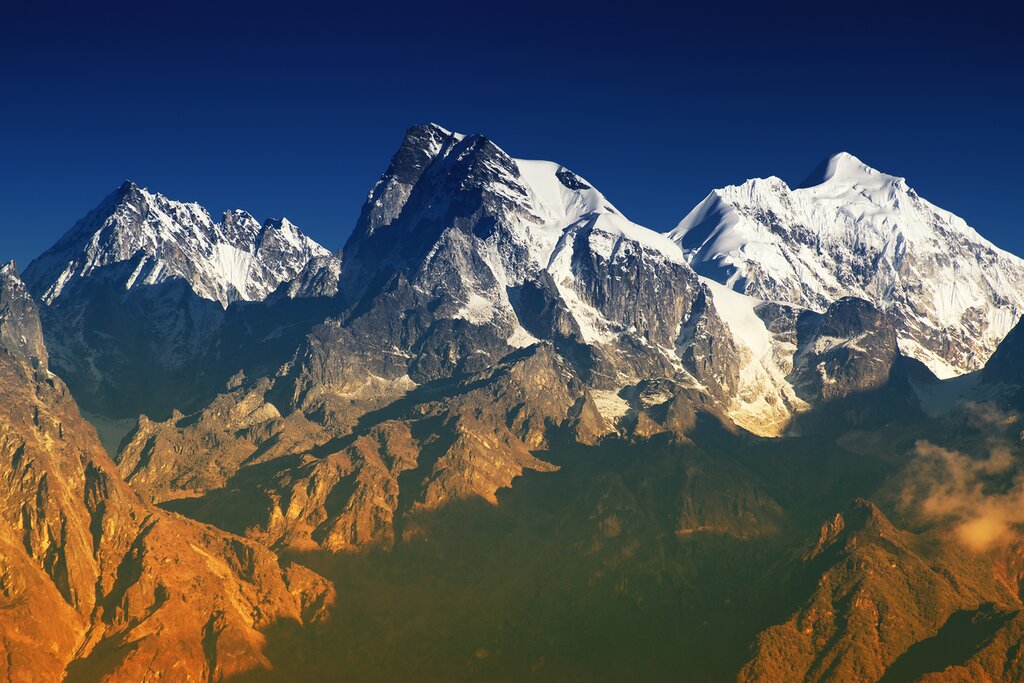
Nepal is heaven on Earth, where towering Himalayan peaks meet peaceful valleys, ancient temples, colorful cultures, and breathtaking natural beauty. From the legendary heights of Mount Everest to the serene landscapes of Annapurna, Langtang, and Mustang, every corner of Nepal offers something extraordinary. Walk through rhododendron forests, watch golden sunrises over snow-capped mountains, explore historic cities, or simply enjoy the warmth of Nepalese hospitality. Here, nature and culture come together to create experiences that stay in your heart forever.
Table of Contents
Nepal is more than a destination—it is a journey filled with adventure, discovery, spirituality, and unforgettable moments. Trek to Everest Base Camp, explore Annapurna trails, discover peaceful Himalayan villages, experience ancient Buddhist and Hindu traditions, or enjoy wildlife adventures in Chitwan. Wander through Kathmandu’s heritage sites, relax beside Phewa Lake in Pokhara, or discover hidden mountain communities far from the crowds. Every journey reveals a new side of this remarkable Himalayan country.
Come to Nepal and discover why every journey feels magical. Whether you dream of trekking, cultural exploration, wildlife, nature, or authentic Himalayan adventures, Nepal welcomes you with incredible landscapes and genuine smiles. Nepal 2026–2027–2028 is waiting—your Himalayan story starts here.
Why Is Nepal Called Heaven on Earth?
Nepal is often described as heaven on Earth because few destinations combine spectacular mountains, diverse landscapes, ancient cultures, and warm hospitality in such a remarkable way. Home to Mount Everest and the Himalayan range, Nepal offers breathtaking scenery at almost every turn. From snow-covered peaks and dramatic valleys to peaceful lakes, green hills, waterfalls, and lush forests, the country is a paradise for nature lovers and adventure seekers. A journey through Nepal is not simply a holiday—it is an opportunity to experience landscapes and moments that remain unforgettable long after you return home.
The magic of Nepal goes far beyond its mountains. The country is a fascinating meeting place of ancient traditions, Hindu and Buddhist heritage, colorful festivals, historic cities, monasteries, temples, and diverse local communities. Explore the cultural treasures of Kathmandu Valley, admire the spiritual atmosphere of Boudhanath and Swayambhunath, discover traditional Newari architecture, or experience the unique lifestyles of Himalayan communities. Along trekking routes, travelers can meet welcoming Sherpa, Gurung, Tamang, Magar, Thakali, Rai, Limbu, and other communities, creating meaningful cultural experiences alongside spectacular mountain scenery.
For adventure travelers, Nepal offers an incredible variety of experiences. Trek to Everest Base Camp, explore the Annapurna and Langtang regions, discover remote Mustang and Manaslu, or enjoy scenic journeys around Pokhara. Beyond trekking, visitors can experience mountain flights, helicopter tours, rafting, paragliding, mountain biking, jungle safaris, hiking, and village excursions. In Chitwan, wildlife experiences provide a completely different side of Nepal, while Pokhara combines peaceful lakeside scenery with thrilling outdoor activities.
So, why is Nepal called heaven on Earth? It is the combination of extraordinary Himalayan landscapes, living cultures, spiritual heritage, thrilling adventures, peaceful nature, and genuine hospitality that makes Nepal so special. Whether you seek mountains, culture, wildlife, relaxation, or adventure, Nepal offers countless ways to create your own unforgettable story. Visit Nepal in 2026–2027–2028 and discover a destination where every trail leads to a new experience, every village tells a story, and every journey becomes a memory.
1. Why is Nepal called Heaven on Earth?
Nepal is often described as Heaven on Earth because of its extraordinary combination of Himalayan mountains, lush valleys, peaceful lakes, ancient heritage, diverse cultures, and adventure opportunities. From Mount Everest and the Annapurna region to Kathmandu’s temples and Chitwan’s wildlife, Nepal offers remarkably varied experiences in one country.
2. What makes Nepal so beautiful?
Nepal’s beauty comes from its incredible geographical diversity. Travelers can experience snow-covered Himalayan peaks, alpine landscapes, rhododendron forests, waterfalls, rivers, terraced hills, tropical forests, and peaceful lakes. The scenery changes dramatically from the high Himalayas to the lowland Terai.
3. Is Mount Everest one of the main reasons Nepal is called Heaven on Earth?
Yes. Mount Everest, the world’s highest mountain, is one of Nepal’s most iconic attractions. The Everest region offers spectacular mountain scenery, Sherpa villages, Buddhist monasteries, glaciers, suspension bridges, and famous trekking routes such as the Everest Base Camp Trek.
4. What are the best places to experience Nepal’s natural beauty?
Popular destinations include Everest, Annapurna, Langtang, Mustang, Manaslu, Pokhara, Rara Lake, Chitwan, and the Kathmandu Valley. Each offers a different landscape, from high Himalayan peaks and glaciers to lakes, forests, wildlife habitats, and historic towns.
5. Why is Nepal popular for trekking?
Nepal has a wide range of trekking routes suitable for different interests and fitness levels. Travelers can choose from challenging high-altitude adventures such as Everest Base Camp and Manaslu to shorter scenic journeys such as Poon Hill and Kathmandu Valley hikes.
6. What makes the Annapurna region special?
The Annapurna region combines spectacular mountain scenery with diverse landscapes and traditional villages. Treks such as Annapurna Base Camp, Annapurna Circuit, and Ghorepani Poon Hill offer views of snow-covered peaks, rhododendron forests, terraced farmland, rivers, and local communities.
7. Is Nepal only about mountains and trekking?
No. Nepal offers much more than Himalayan trekking. Visitors can enjoy cultural tours, wildlife safaris, rafting, paragliding, mountain flights, helicopter tours, cycling, hiking, meditation, photography, and village experiences. Kathmandu, Pokhara, Chitwan, Lumbini, and other destinations provide attractions beyond trekking.
8. Why is Nepal important for culture and spirituality?
Nepal has a rich combination of Hindu and Buddhist traditions, along with many indigenous cultural practices. Temples, monasteries, stupas, festivals, rituals, traditional architecture, and pilgrimage sites are an important part of everyday life and offer travelers opportunities for meaningful cultural experiences.
9. Which cultural sites should travelers visit in Nepal?
Important cultural attractions include Kathmandu Durbar Square, Patan Durbar Square, Bhaktapur Durbar Square, Swayambhunath, Boudhanath, Pashupatinath, Lumbini, and numerous Himalayan monasteries. These places showcase Nepal’s religious traditions, architecture, history, art, and living heritage.
10. Why is Pokhara considered a special destination in Nepal?
Pokhara combines mountain scenery, lakes, nature, and adventure. Visitors can enjoy views of the Annapurna range, relax beside Phewa Lake, explore caves and waterfalls, hike to viewpoints, or participate in activities such as paragliding and boating.
11. Can travelers experience wildlife in Nepal?
Absolutely. Nepal has diverse ecosystems ranging from Himalayan environments to subtropical lowlands. Chitwan National Park is particularly popular for wildlife experiences, where visitors may encounter rhinoceros, crocodiles, deer, numerous bird species, and other wildlife.
12. What makes Nepal’s people and hospitality special?
Nepal is home to many ethnic communities with their own languages, traditions, cuisines, clothing, festivals, and lifestyles. Travelers often experience local hospitality while staying in teahouses, family-run lodges, homestays, and village guesthouses, particularly during trekking and cultural journeys.
13. Which festivals make Nepal culturally unique?
Nepal celebrates numerous festivals throughout the year, including Dashain, Tihar, Holi, Buddha Jayanti, Indra Jatra, Teej, Losar, Gai Jatra, Maha Shivaratri, and Chhath. Buddhist and Hindu festivals, as well as local community celebrations, provide colorful opportunities to experience Nepal’s living traditions.
14. Is Nepal suitable for families?
Yes. Nepal offers many family-friendly experiences, including cultural sightseeing, short hikes, wildlife safaris, scenic drives, boating, easy trekking routes, and village visits. Families can choose an itinerary based on children's ages, interests, available time, and desired activity level.
15. What are the best adventure activities in Nepal?
Popular activities include trekking, hiking, rafting, paragliding, mountain biking, canyoning, jungle safaris, mountain flights, helicopter tours, and camping. The variety allows travelers to combine several experiences during one Nepal holiday.
16. Can I visit Nepal without doing a high-altitude trek?
Yes. You do not need to undertake a high-altitude trek to experience Nepal. Travelers can explore Kathmandu, Pokhara, Nagarkot, Dhulikhel, Bandipur, Chitwan, Lumbini, and other destinations through cultural tours, short hikes, scenic excursions, wildlife experiences, and adventure activities.
17. What is the best time to visit Nepal?
The ideal season depends on the type of experience you want. Spring (March–May) and autumn (September–November) are generally popular for trekking because of favorable weather and mountain visibility. Winter can be suitable for lower-altitude destinations, while the monsoon season brings rain but can still work for selected regions and activities.
18. Why is Nepal a good destination for photographers?
Nepal provides extraordinary photographic variety. You can capture Himalayan sunrises, mountain villages, Buddhist monasteries, colorful festivals, traditional architecture, wildlife, lakes, forests, terraced fields, and local daily life. Different regions offer dramatically different landscapes and cultural subjects.
19. Can I customize my Nepal holiday?
Yes. A Nepal trip can be designed around your travel dates, budget, interests, fitness level, group size, and preferred destinations. A customized itinerary can combine trekking with cultural sightseeing, wildlife, adventure activities, or relaxation in destinations such as Kathmandu, Pokhara, and Chitwan.
20. Why should I visit Nepal in 2026–2027–2028?
Nepal offers an exceptional range of experiences for travelers planning a Himalayan holiday in 2026–2027–2028. Whether your dream is to trek toward Everest, watch sunrise over Annapurna, explore ancient temples, discover Himalayan villages, experience festivals, or enjoy wildlife in Chitwan, Nepal provides many ways to create a memorable journey. Every trail, village, mountain, and cultural experience can become part of your own Nepal story.
Discover Nepal with Nepal Hiking and Trekking Trips
Discover Nepal through unforgettable hiking and trekking trips that take you deep into the heart of the Himalayas, traditional mountain villages, peaceful forests, and spectacular landscapes. Nepal is home to some of the world's most iconic trekking destinations, including Everest, Annapurna, Langtang, Manaslu, Mustang, and Kanchenjunga. Whether you are searching for a challenging Himalayan adventure, a scenic short hike, a family-friendly walking holiday, or a customized trekking experience, Nepal offers routes for different interests, fitness levels, and travel styles. Every trail brings something special—from snow-capped peaks and dramatic valleys to ancient monasteries, suspension bridges, terraced hillsides, and welcoming mountain communities. With Nepal hiking and trekking trips 2026–2027–2028, travelers can explore the country at their own pace while experiencing its natural beauty and authentic Himalayan culture.
For adventure seekers, Everest Base Camp Trek remains one of Nepal's most memorable trekking experiences. The journey passes through the legendary Khumbu region, Sherpa villages, Buddhist monasteries, high mountain valleys, and dramatic Himalayan scenery. The Annapurna region provides equally diverse experiences, including Annapurna Base Camp, Annapurna Circuit, Ghorepani Poon Hill, and shorter routes around Pokhara. Travelers looking for quieter trails can explore Langtang Valley, Manaslu Circuit, Rara Lake, Mardi Himal, Pikey Peak, Nar Phu, Tsum Valley, and remote Kanchenjunga. Each destination has its own landscape, culture, difficulty, and character, making it possible to choose a Nepal trekking package that matches your travel goals.
Nepal hiking trips are not only about reaching a destination—they are also about experiencing the people, traditions, and landscapes along the trail. Walk through rhododendron forests, pine woodlands, alpine meadows, terraced farmland, rivers, and traditional villages, while meeting local communities and discovering Himalayan lifestyles. Depending on your route, you may experience Sherpa, Gurung, Tamang, Magar, Thakali, Rai, Limbu, and other cultural traditions. Along the way, travelers can visit monasteries, temples, prayer wheels, chortens, and historic settlements. Short hiking destinations such as Nagarkot, Dhulikhel, Chisapani, Shivapuri, Champadevi, and Phulchowki also provide excellent opportunities to experience Nepal's scenery without committing to a long high-altitude trek.
Choosing the right local trekking company in Nepal can make your journey easier and more organized. Adventure Nepal Eco Treks provides support with itinerary planning, licensed local guides, trekking permits, transportation, accommodation, meals, porters, and other essential arrangements. Travelers can choose private, group, family, or customized hiking and trekking trips based on their preferred dates, budget, interests, and fitness level. Our experienced local team can also help select suitable routes, arrange acclimatization days where required, and provide practical information about equipment, weather, altitude, and trail conditions. Direct communication with a local trekking agency allows travelers to plan their Himalayan adventure with personalized assistance from people who understand Nepal's trekking destinations.
Discover Nepal with Nepal hiking and trekking trips in 2026–2027–2028 and turn your Himalayan dreams into an unforgettable journey. Whether you want to stand near Everest Base Camp, watch sunrise over the Annapurna range, explore peaceful Himalayan villages, hike through blooming rhododendron forests, or enjoy a short scenic trail near Kathmandu, Nepal offers an incredible variety of experiences. Plan your adventure with Adventure Nepal Eco Treks and create a journey designed around your interests, time, and travel style. From your first step on the trail to your final Himalayan sunrise, Nepal is ready to welcome you with mountains, culture, adventure, and memories that last a lifetime.
Recent From Blog


8th Sep, 2026

16th Aug, 2026

10th Aug, 2026

8th Aug, 2026

1st Aug, 2026

31st Jul, 2026

29th Jul, 2026
25th Jul, 2026

29th Jun, 2026
4th Jan, 2026


5th Jun, 2025

19th May, 2025

9th May, 2025

18th Apr, 2025

22nd Oct, 2024
21st Oct, 2024
19th Oct, 2024

18th Oct, 2024

11th Oct, 2024
11th Oct, 2024
8th Oct, 2024
