
22nd Sep, 2026
Nepal Weather Update September 2026: Travel and Trekking Safety Advisory
Nepal weather update September 2026: Nepal’s weather authorities have issued a precautionary advisory for travellers, trekkers and people living in mountainous areas as a new weather system is expected to bring widespread rainfall between September 25 and 27.
Table of Contents
The Department of Hydrology and Meteorology has recommended avoiding unnecessary long-distance road journeys during this period and advised against starting Himalayan treks while the weather system remains active. Trekkers already at high elevations have been encouraged to move towards safer and lower areas.
The warning comes as a developing low-pressure system over the Bay of Bengal is expected to influence weather across Nepal, potentially bringing heavy to very heavy rainfall, thunderstorms, strong winds and snowfall in mountainous regions.
Nepal Weather Forecast for September 25–27
According to Nepal's Meteorological Forecasting Division, rainfall is expected across much of the country from Friday through Sunday. Several provinces may experience heavy rainfall, while Gandaki and Lumbini could see particularly intense precipitation.
Mountainous areas are also expected to experience snowfall. Some locations may receive thunderstorms, lightning and strong winds along with heavy rain.
The weather department has warned that one or two locations could receive extremely heavy rainfall, making it important for travellers to monitor official forecasts before setting out.
Why Is Nepal Experiencing Heavy Rain?
A significant low-pressure system that developed over the northern Andaman Sea and adjoining areas has moved into the central Bay of Bengal and intensified into a deep depression.
Weather experts expect the system to move north-westward and influence Nepal's weather. Rainfall activity had already increased in Koshi, Bagmati and Gandaki provinces before the main period of the forecast warning.
Nepal is also experiencing the combined influence of the monsoon and westerly winds, while the Bay of Bengal system represents an additional weather influence.
Himalayan Trekking Safety Advisory
The latest Nepal trekking safety advisory is particularly relevant to travellers planning high-altitude adventures.
Authorities have asked people to avoid starting Himalayan treks during the affected period. Trekkers who are already in high mountain areas have been advised to descend towards safer elevations where appropriate.
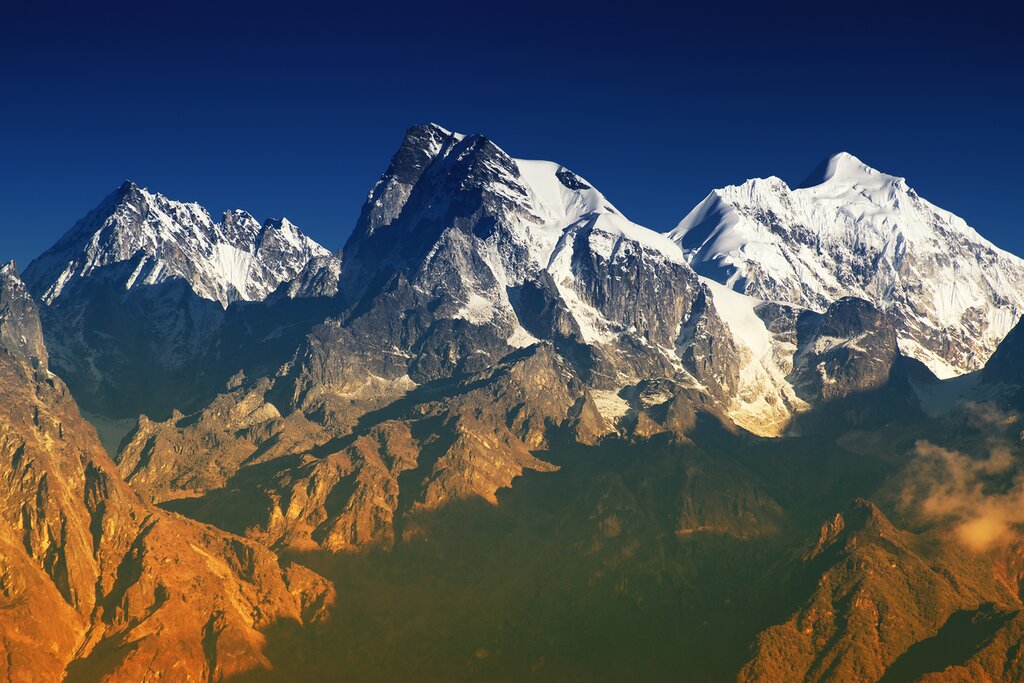
The Himalayan region has been placed under a special alert because heavy precipitation and snowfall can make mountain trails and surrounding terrain more difficult to navigate.
Nepal's popular trekking destinations include:
• Annapurna Circuit
• Manaslu Circuit
• Annapurna Base Camp
• Mardi Himal
• Tilicho Lake
• Other high-altitude Himalayan routes
Gandaki Province, in particular, is one of Nepal's major trekking regions and attracts both international and domestic travellers throughout the year.
Flood and Landslide Risk in Nepal
One of the main concerns associated with several days of heavy rainfall is the possibility of floods, landslides, debris flows and soil erosion.
Authorities have warned that river and stream levels could rise as rainfall accumulates. This is particularly important in areas where the ground has already been saturated by previous monsoon rainfall.
Road corridors and highways crossing hilly and mountainous terrain may also experience disruptions if intense rainfall triggers landslides or other weather-related hazards.
Travellers should therefore check road conditions before beginning long-distance journeys and avoid unnecessary travel during periods of severe weather.
Is It Safe to Travel Around Nepal During This Weather?
The September 25–27 advisory is a weather-related precaution for a specific period, rather than a statement that Nepal is closed to tourism.
However, travellers planning journeys during these dates should pay close attention to local conditions. Conditions can vary considerably between Kathmandu, the Tarai, the hills and high Himalayan areas.
People travelling by road should be especially cautious during periods of intense rainfall, while those visiting mountainous destinations should follow local instructions and official weather information.
Night-time travel may also be less advisable during periods of heavy rain because reduced visibility and possible road hazards can increase travel difficulties.
How the Weather Could Affect Tourism in Nepal
Heavy rainfall can temporarily affect several parts of Nepal's tourism infrastructure, including:
• Mountain trekking routes
• High-altitude trails
• Rural roads
• Highways
• Domestic flights
• River crossings
• Accommodation and tourism services in remote areas
The National Disaster Risk Reduction and Management Authority has also warned of possible effects on daily life, agriculture, health, tourism and construction, particularly around rivers and vulnerable areas.
For international visitors, checking the latest information before travelling is especially important because weather conditions and transportation services can change quickly.
Advice for Trekkers Visiting Nepal
If you are planning a trek in Nepal during a period of severe weather, consider the following safety measures:
Check the latest weather forecast: Conditions in the Himalayas can change rapidly, so use current official information rather than relying on an older forecast.
Follow local instructions: Guides, local authorities and relevant agencies may have the most recent information about trail conditions.
Avoid unnecessary high-altitude travel: During periods of heavy rain and snowfall, delaying the start of a trek can be safer than continuing into deteriorating conditions.
Monitor transportation: Check road and flight conditions before travelling between destinations.
Stay away from dangerous river areas: Heavy rainfall can cause water levels to rise quickly in rivers and streams.
Keep communication available: Travellers in remote areas should remain in contact with their guides, accommodation providers or relevant local authorities.
Official Nepal Weather Information
The Department of Hydrology and Meteorology has urged people to follow its official weather bulletins and updates.
For weather information, the department has also directed the public to its toll-free service at 1155, with the weather-information option available through the service.
The National Disaster Risk Reduction and Management Authority has similarly asked people in mountainous and high-altitude areas to remain alert and take appropriate precautions.
Nepal Travel Update: What Visitors Should Know
Nepal continues to offer a wide range of tourism experiences, from cultural sightseeing and city tours to trekking and mountain adventures. However, late-September weather can be dynamic, and temporary precautions may become necessary when significant weather systems affect the country.
For travellers planning a Nepal trip around September 25–27, 2026, the most important step is to check updated weather, road, flight and trekking information before departure.
For trekkers, safety should take priority over maintaining a fixed itinerary. If authorities or local professionals advise delaying a high-altitude journey, travellers should take that information seriously and adjust their plans accordingly.
Final Takeaway
The Nepal weather forecast for September 25–27, 2026 indicates a period of widespread rainfall, with the possibility of heavy to extremely heavy rain in some locations and snowfall in the Himalayan region.
The Department of Hydrology and Meteorology has advised the public to avoid unnecessary long-distance travel and has called for Himalayan trekking to be suspended during the period of heightened risk. People already at high elevations have been encouraged to move towards safer locations.
For travellers, the key message is simple: stay informed, follow official guidance and remain flexible with your itinerary when weather conditions deteriorate.
Source: Department of Hydrology and Meteorology and National Disaster Risk Reduction and Management Authority, as reported by The Kathmandu Post on September 23, 2026.
Nepal weather September 2026, Nepal weather forecast, Nepal travel update 2026, Nepal trekking safety, Himalayan trekking September, Nepal trekking weather, Nepal travel safety, Nepal rainfall September 2026, Nepal monsoon weather, Annapurna trekking weather, Manaslu trekking weather, Nepal flood and landslide risk.
1. What is the weather like in Nepal in September 2026?
September 2026 is still experiencing variable monsoon conditions in Nepal, with periods of heavy rainfall affecting different parts of the country. The Department of Hydrology and Meteorology has active weather and hydrological monitoring, including rainfall and river warnings. Travelers should check the latest forecast before traveling because conditions can change rapidly, particularly in the hills and mountains.
2. Is it safe to travel to Nepal in September 2026?
Travel is possible, but visitors should take additional precautions during periods of heavy rainfall. Safety depends on the destination, weather conditions, road access, and planned activities. Recent advisories have urged tourists to exercise caution from September 25–27 because heavy to extremely heavy rainfall is forecast in several areas.
3. Is trekking safe in Nepal in September 2026?
Trekking conditions can vary considerably by region and day. During periods of heavy rainfall, trekking can become hazardous because of slippery trails, landslides, swollen rivers, flash floods, and transportation disruptions. The Trekking Agencies' Association of Nepal has urged trekkers and agencies to exercise high caution and avoid trekking and adventure activities during the September 24–27 period of severe weather.
4. Why is September 25–27, 2026 important for travelers in Nepal?
Authorities have forecast heavy to extremely heavy rainfall in several parts of Nepal between September 25 and 27, 2026. The weather may also include thunderstorms, lightning, and strong winds in some areas. Because these conditions can trigger flash floods and landslides, travelers should reconsider outdoor activities during the affected period and follow official local guidance.
5. Can heavy rain cause landslides in Nepal?
Yes. Heavy rainfall can increase the risk of landslides, particularly on steep slopes, mountain roads, trekking trails, and areas where the ground has already been saturated. Nepal's Department of Hydrology and Meteorology specifically monitors rainfall thresholds associated with potential landslide threats and high local water flow. Travelers should avoid unstable slopes and follow warnings from local authorities.
6. Is it safe to travel by road in Nepal during heavy rain?
Road travel can become unpredictable during intense rainfall. Landslides, flooding, fallen debris, damaged sections, and temporary closures may cause delays or prevent vehicles from passing. Mountain highways and rural roads can be particularly vulnerable. Travelers should check current road conditions before departure, avoid unnecessary travel during severe weather, and allow extra time for unexpected disruptions.
7. Are flights in Nepal affected by September weather?
Yes. Heavy rain, thunderstorms, strong winds, poor visibility, and changing mountain weather can affect domestic flights. Mountain airports are particularly dependent on local weather conditions. Travelers flying to trekking destinations should check flight status before leaving for the airport and keep additional days in their itinerary in case of weather-related delays or cancellations.
8. Is Kathmandu safe during the September 2026 heavy rainfall?
Kathmandu remains an important tourism and transportation center, but heavy rainfall can still cause localized flooding, waterlogging, traffic problems, and transportation delays. Visitors should monitor weather warnings and avoid unnecessary travel during periods of severe rainfall. The Department of Hydrology and Meteorology provides current weather and hydrological warnings for travelers and residents.
9. Is Pokhara safe to visit in September 2026?
Pokhara can still be visited when local conditions permit, but travelers should monitor rainfall, road conditions, and flight operations. Heavy rain can affect transportation around the Pokhara region and may increase the risk of landslides on surrounding mountain roads. Travelers planning trekking from Pokhara should check conditions for their specific route rather than relying only on general weather information.
10. Which trekking routes require extra caution during heavy rain?
Extra caution is appropriate on routes involving steep slopes, river crossings, remote mountain roads, and areas experiencing heavy rainfall. Routes in the Langtang, Manaslu, Annapurna, Everest access areas, and other mountain regions can each experience different conditions. A route that is open in one location may still have dangerous sections elsewhere. Always obtain current local information before starting a trek.
11. Should I postpone trekking during the September 25–27 weather warning?
For the period covered by the current severe-weather advisories, postponing non-essential trekking and adventure activities is a reasonable safety measure. TAAN has specifically urged trekkers and trekking agencies to avoid trekking and adventure activities during September 24–27 because of the forecast risks from heavy rainfall, flash floods, landslides, and related disruptions.
12. What should trekkers do if heavy rain begins during a trek?
Trekkers should stop and assess conditions rather than automatically continuing the itinerary. Follow the instructions of your guide and local authorities, avoid river crossings when water levels are high, stay away from unstable slopes, and move to a secure location if flooding or landslides are possible. Never take unnecessary risks simply to maintain an itinerary or reach the next overnight stop.
13. Are rivers and streams dangerous during Nepal's September rainfall?
They can be. Heavy rainfall can cause river and stream levels to rise quickly, sometimes with little warning. Flash floods may occur even when rainfall at your exact location seems moderate because precipitation upstream can rapidly increase water levels. Travelers should stay away from swollen rivers, avoid damaged bridges, and never attempt to cross fast-moving water.
14. What should I pack for trekking in Nepal during September 2026?
Travelers should prepare for wet and changing conditions. Useful items include a waterproof jacket, waterproof backpack cover, quick-drying clothing, waterproof trekking footwear, extra socks, warm layers for higher elevations, a headlamp, personal first-aid supplies, and protection for electronic equipment. Trekkers should also carry sufficient water and essential personal medications.
15. Can September rain affect the Everest Base Camp Trek?
Yes. The Everest region can experience changing mountain weather, and heavy rainfall at lower elevations may affect roads, flights, and trekking access. At higher elevations, weather can change rapidly and conditions may differ significantly from Kathmandu. Before starting the Everest Base Camp Trek, travelers should check the latest weather, Lukla flight conditions, trail reports, and guidance from local trekking professionals.
16. Is the Annapurna region safe during heavy September rain?
The Annapurna region contains a wide range of elevations and terrain, so conditions can vary from one section of the route to another. Heavy rainfall can increase the risk of slippery trails, landslides, swollen streams, and road disruptions. Trekkers should obtain current information for their exact route and avoid sections where local authorities or guides advise against travel.
17. How can travelers check Nepal's latest weather and flood warnings?
The Department of Hydrology and Meteorology (DHM) provides weather forecasts, rainfall monitoring, hydrological information, flood forecasts, and warning maps. Its website currently displays weather and hydrological monitoring for September 25, 2026 and provides rainfall and river warning information. Travelers should check official updates shortly before and during their journey.
18. What are the main weather-related risks for tourists in Nepal in September 2026?
The main risks include heavy rainfall, flash floods, landslides, swollen rivers and streams, slippery trekking trails, road closures, flight delays, thunderstorms, lightning, and strong winds. The severity varies by location, so travelers should not assume that conditions in Kathmandu or Pokhara represent the weather in a remote trekking region.
19. Is September a good time for tourism in Nepal despite the weather risks?
September can offer changing conditions as Nepal moves toward the post-monsoon period, but early and late September can still experience substantial rainfall. For travelers planning trekking, weather conditions should be considered alongside trail accessibility and transportation. During periods covered by severe-weather warnings, safety should take priority over sightseeing or trekking schedules.
20. What is the best safety advice for traveling and trekking in Nepal in September 2026?
The most important advice is to check the latest weather forecast before every journey, follow official warnings, avoid trekking during severe-weather alerts, stay away from rivers and unstable slopes, allow extra travel time, and remain flexible with your itinerary. Use experienced local guides or trekking agencies for mountain journeys and follow instructions from local authorities. Nepal's DHM maintains current weather, rainfall, river, and warning information that can help travelers make informed decisions.
Recent From Blog


8th Sep, 2026

16th Aug, 2026

10th Aug, 2026

8th Aug, 2026

1st Aug, 2026

31st Jul, 2026

29th Jul, 2026
25th Jul, 2026

29th Jun, 2026
4th Jan, 2026


5th Jun, 2025

19th May, 2025

9th May, 2025

18th Apr, 2025

22nd Oct, 2024
21st Oct, 2024
19th Oct, 2024

18th Oct, 2024

11th Oct, 2024
11th Oct, 2024
8th Oct, 2024
