
3rd Apr, 2024
What Are The Must-See Attractions in Annapurna Region?
what is the Annapurna region ?
The Annapurna region is a renowned trekking destination located in the central Himalayas of Nepal. Named after the Annapurna massif, which includes several peaks over 7,000 meters high, it is characterized by its stunning natural beauty, diverse landscapes, and rich cultural heritage. The region is home to some of the world's highest peaks, including Annapurna I, the 10th highest mountain in the world, standing at 8,091 meters (26,545 feet) above sea level.
Table of Contents
The Annapurna region offers a wide range of trekking routes catering to various levels of experience, from short and easy walks to challenging high-altitude treks. Popular treks in the region include the Annapurna Circuit, Annapurna Base Camp trek, Poon Hill trek, and many others.
In addition to its majestic mountains, the Annapurna region boasts diverse ecosystems, including lush forests, alpine meadows, glacial valleys, and arid landscapes. Trekkers can encounter a rich variety of flora and fauna along the trails, including rhododendron forests, Himalayan wildlife such as snow leopards and blue sheep, and a wide range of bird species.
The region is also known for its vibrant cultural heritage, with numerous ethnic communities inhabiting the area, including the Gurung, Thakali, and Manangi people. Trekkers have the opportunity to visit traditional villages, ancient monasteries, and religious sites, experiencing the unique customs, traditions, and hospitality of the local communities.
The Annapurna region in Nepal is a paradise for trekkers and nature enthusiasts, offering breathtaking landscapes, diverse cultures, and stunning vistas of the Himalayas. Here are some must-see attractions in the Annapurna region:
Annapurna Base Camp Trek
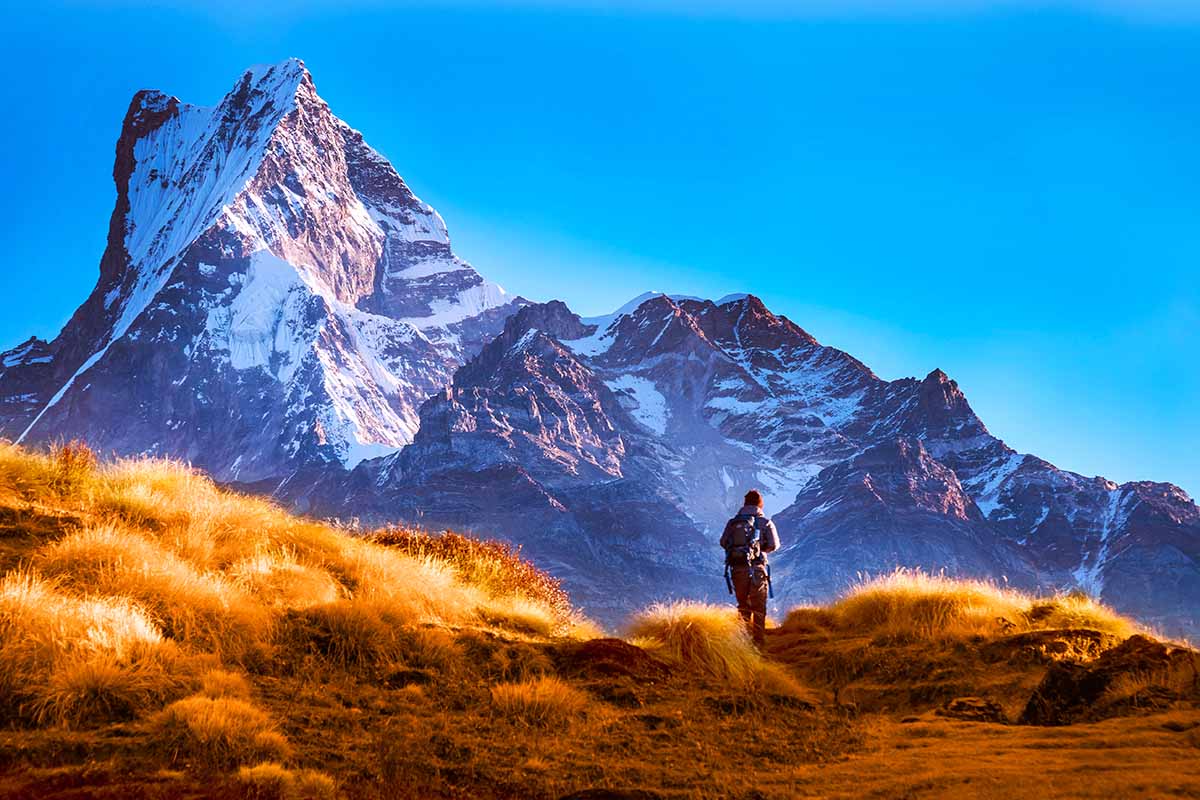
Annapurna Base Camp (ABC): This is one of the most popular trekking destinations in the region, offering panoramic views of the Annapurna massif, including Annapurna I (8,091m), Machapuchare (6,993m), and other peaks.
Annapurna Circuit with Tilicho Lake Trek
Annapurna Circuit: Known as one of the classic trekking routes in the world, the Annapurna Circuit takes you through diverse landscapes, including lush forests, terraced fields, and high mountain passes like Thorong La Pass (5,416m).
Ghorepani poon hill sunrise view
Poon Hill: Located near the village of Ghorepani, Poon Hill is famous for its stunning sunrise views over the Annapurna and Dhaulagiri ranges. It's a short trek from the town of Nayapul and offers breathtaking vistas of the Himalayas.
Muktinath Temple: Situated at an altitude of 3,710 meters, Muktinath is a sacred pilgrimage site for both Hindus and Buddhists. The temple complex includes 108 water spouts believed to be holy, as well as natural gas fires.
Religious Significance: Muktinath is considered a place of liberation or "moksha" in Hinduism and is one of the 108 Divya Desams (holy shrines) dedicated to Lord Vishnu. For Buddhists, it is a place of great spiritual significance as one of the 24 Tantric places. The temple complex reflects the harmonious coexistence of Hinduism and Buddhism in Nepal.
Main Temple: The main temple at Muktinath is dedicated to Lord Vishnu and is adorned with a golden statue of the deity. The temple architecture is distinctively Tibetan in style, with pagoda-like roofs and intricate woodcarvings.
108 Water Spouts: Surrounding the temple are 108 water spouts, known as "Muktidhara," which are believed to have originated from the sacred Gandaki River. Pilgrims bathe in these freezing cold waters as part of a purification ritual, believed to wash away sins and attain spiritual liberation.
Natural Gas Fires: Within the temple complex, there are natural gas fires that burn continuously, emanating from underground natural gas reserves. These eternal flames are known as "Jwala Mai" and are considered holy by devotees.
Scenic Location: Muktinath is situated against the backdrop of the majestic Thorong La Pass and the snow-capped peaks of the Annapurna and Dhaulagiri ranges. The surrounding landscape is barren and rugged, adding to the spiritual ambiance of the site.
Pilgrimage Destination: Muktinath Temple attracts thousands of pilgrims from Nepal, India, and around the world, especially during the Hindu festivals of Dashain and Vijaya Dashami. It is also a significant stop for trekkers on the Annapurna Circuit and Upper Mustang trekking routes.
Ghandruk village Trek
Ghandruk Village: This traditional Gurung village offers a glimpse into the local culture and lifestyle of the Annapurna region. Surrounded by terraced fields and with stunning views of the mountains, Ghandruk is a popular stop for trekkers.
Gurung Culture: Ghandruk is primarily inhabited by the Gurung ethnic group, who have a rich cultural heritage. Visitors to the village have the opportunity to experience Gurung traditions, including music, dance, and hospitality. The Gurung Museum in the village provides insights into the community's history, lifestyle, and customs.
Traditional Architecture: Ghandruk is known for its traditional stone houses with slate roofs, intricate woodcarvings, and ornate doorways. The village's architecture reflects the local craftsmanship and building techniques passed down through generations.
Scenic Views: Ghandruk offers breathtaking panoramic views of the Annapurna mountain range, including peaks such as Annapurna South, Machapuchare (Fishtail), and Hiunchuli. Trekkers often stop in Ghandruk to admire the sunrise or sunset over the Himalayas.
Trekking Hub: Ghandruk is a popular stop on the Annapurna Circuit and Annapurna Base Camp treks. The village serves as a gateway to higher-altitude destinations in the region, and many trekkers choose to spend a night in Ghandruk to acclimatize to the altitude and explore the surrounding trails.
Cultural Experiences: Visitors to Ghandruk can participate in cultural activities such as traditional dances, religious ceremonies, and home-stay experiences with local families. This provides an opportunity to immerse oneself in the daily life and traditions of the Gurung community.
Nature Walks: Surrounding Ghandruk are beautiful terraced fields, lush forests, and scenic walking trails. Visitors can take leisurely walks through the countryside, enjoying the tranquility of nature and observing the rural way of life.
Jomsom and Kagbeni: These towns lie in the lower Mustang region and offer a unique blend of Tibetan and Nepali culture. The landscape here is arid and resembles the Tibetan plateau, with stark cliffs, deep gorges, and ancient monasteries.
Jomsom and Kagbeni are two significant towns located in the Mustang district of the Annapurna region in Nepal. Here's an overview of each:
Jomsom:
Jomsom is the administrative center of the Mustang district and a major hub for trekkers in the Annapurna region. It lies at an altitude of approximately 2,700 meters (8,860 feet) and is situated on the banks of the Kali Gandaki River. Key features of Jomsom include:
Transportation Hub: Jomsom has a small airport with regular flights to and from Pokhara. It serves as a vital transportation hub for trekkers heading to the Upper Mustang region and as a gateway to the Annapurna Circuit trek.
Marketplace: The town has a bustling marketplace where visitors can find a variety of goods, including trekking supplies, handicrafts, and local produce. It's also known for its abundance of apples and apple products.
Cultural Attractions: Jomsom is home to several monasteries and temples, including the Jomsom Gompa, where visitors can experience Tibetan Buddhist culture and traditions.
Scenic Views: Surrounding Jomsom are panoramic views of the Annapurna and Dhaulagiri mountain ranges, making it a picturesque destination for trekkers and travelers.
Kagbeni:
Kagbeni is a historic village located about 2-3 hours' walk north of Jomsom, along the Kali Gandaki River. It is situated at an altitude of around 2,800 meters (9,186 feet) and is known for its traditional Tibetan-style architecture and cultural significance. Key features of Kagbeni include:
Ancient Village: Kagbeni is one of the oldest settlements in the Mustang region, with narrow alleys, whitewashed houses, and ancient chortens (Buddhist shrines) adding to its charm.
Gateway to Upper Mustang: Kagbeni serves as the entry point to the restricted Upper Mustang region. Trekkers need special permits to venture beyond Kagbeni into Upper Mustang, which is known for its unique landscapes, ancient caves, and Tibetan Buddhist culture.
Kag Chode Thupten Samphel Ling Monastery: This monastery, located at the edge of Kagbeni, is a prominent religious site in the region. Visitors can explore its prayer halls, stupas, and murals depicting Buddhist iconography.
Kali Gandaki River: Kagbeni is situated at the confluence of the Kali Gandaki River and the Jhong River. The riverside area offers scenic views and is a tranquil spot for relaxation.
Tilicho Lake: Situated at an altitude of 4,919 meters, Tilicho Lake is one of the highest lakes in the world. It's a challenging side trip from the Annapurna Circuit trek but rewards trekkers with its stunning turquoise waters and surrounding peaks.
Tilicho Lake is a breathtaking high-altitude lake located in the Annapurna region of Nepal. Situated at an elevation of 4,919 meters (16,138 feet), it is one of the highest lakes in the world. Tilicho Lake is fed by the melting glaciers of the surrounding mountains, including Tilicho Peak (7,134 meters), and its turquoise waters reflect the stunning peaks that surround it.
Tilicho Lake is a popular side trip for trekkers on the Annapurna Circuit trek. The journey to Tilicho Lake usually involves a challenging ascent from the main trail, passing through rugged terrain and high mountain passes. Trekkers are rewarded with breathtaking views of the surrounding Himalayan peaks and the opportunity to experience the tranquility of this remote alpine lake.
Visiting Tilicho Lake is not only a remarkable natural experience but also a cultural one, as trekkers pass through traditional villages inhabited by the local Gurung and Manang communities. These villages offer insights into the unique lifestyle, culture, and traditions of the people living in the high Himalayas.
Marpha Village: Known for its apple orchards and production of apple brandy, Marpha is a charming village along the Annapurna Circuit. It's a great place to experience local hospitality and taste delicious apple products.
These are just a few highlights of the Annapurna region, which offers endless opportunities for exploration and adventure amidst some of the most spectacular scenery on earth.
Marpha Village is a picturesque settlement located in the Mustang district of the Annapurna region in Nepal. Known for its charming atmosphere, traditional architecture, and apple orchards, Marpha is a popular stop for trekkers on the Annapurna Circuit route.
Here are some key features and highlights of Marpha Village:
Apple Orchards: Marpha is renowned for its apple production, and the village is surrounded by lush orchards. Visitors can taste fresh apples and apple products such as apple brandy and cider, which are specialties of the region.
Traditional Architecture: The village is characterized by its traditional whitewashed buildings with flat roofs, narrow alleyways, and intricate woodcarvings. The architecture reflects the cultural heritage of the local Thakali community.
Thakali Culture: Marpha is inhabited primarily by the Thakali people, who have a rich cultural heritage. Visitors can experience the hospitality of the locals and learn about their customs, traditions, and way of life.
Monastery: Marpha is home to a Buddhist monastery, where visitors can explore the serene surroundings and witness the rituals and practices of Tibetan Buddhism.
Scenic Views: Surrounded by majestic mountains, including Nilgiri and Dhaulagiri, Marpha offers stunning panoramic views of the Himalayas. The village is an ideal place to relax and soak in the natural beauty of the Annapurna region.
Trekking Hub: As a major stop on the Annapurna Circuit trek, Marpha offers a range of accommodation options, including tea houses and guesthouses, making it a convenient place for trekkers to rest and replenish supplies.
Mardi Himal Trek
The Mardi Himal Trek is a relatively new and less crowded trekking route in the Annapurna region of Nepal. It offers stunning views of the Annapurna massif, including Machapuchare (Fishtail), Mardi Himal, and Hiunchuli. The trek takes you through rhododendron forests, traditional villages, and alpine landscapes, providing an immersive experience of the region's natural beauty and local culture.
Starting from the scenic lakeside town of Pokhara, the Mardi Himal Trek typically takes around 5-7 days to complete, depending on the chosen itinerary. Trekkers follow trails that wind through lush forests, terraced fields, and high ridges, eventually reaching the Mardi Himal Base Camp, which offers breathtaking views of the surrounding peaks.
One of the highlights of the Mardi Himal Trek is the opportunity to experience the tranquility of the mountains away from the crowds. The route is less frequented compared to popular treks like the Annapurna Circuit or Annapurna Base Camp, allowing for a more peaceful and immersive trekking experience.
what is the weather in Annapurna Region throughout the Year?
The Annapurna Region in Nepal experiences a diverse climate throughout the year due to its range of altitudes. Here's a month-by-month breakdown of the typical weather patterns in the region:
Winter (December - February)
December to February: Winter is cold, especially at higher altitudes. Temperatures can drop below freezing at night, particularly above 3,000 meters. Lower regions remain relatively mild, but snow is common in higher areas, making some trekking routes challenging.
Spring (March - May)
March to May: Spring is one of the best times to visit the Annapurna Region. The weather is mild and stable, with temperatures ranging from 10°C to 20°C (50°F to 68°F) at lower elevations. Higher elevations are cooler but generally pleasant. This season is also known for its blooming rhododendrons, creating vibrant landscapes.
Summer/Monsoon (June - August)
June to August: The monsoon season brings heavy rainfall to the region. The lower parts of the Annapurna Circuit and other trekking routes can be wet and slippery. However, the rain shadows on the northern side (like Upper Mustang) receive less rainfall. Temperatures range from 15°C to 25°C (59°F to 77°F) at lower altitudes but can be humid and uncomfortable for trekking.
Autumn (September - November)
September to November: This is another peak season for trekking, similar to spring. The monsoon rains clear the air, providing stunning views of the mountains. Temperatures are cool and comfortable, ranging from 10°C to 20°C (50°F to 68°F) at lower elevations. The weather is generally stable with clear skies, making it ideal for trekking.
Detailed Monthly Overview:
January: Cold and clear, especially at higher altitudes; snow is common.
February: Similar to January but starts to warm up slightly.
March: Warming up with blooming flowers; great visibility.
April: Pleasant temperatures and clear skies; peak trekking season.
May: Warmer with occasional pre-monsoon showers; still a good time for trekking.
June: Start of monsoon; heavy rainfall; lush landscapes.
July: Peak monsoon season; wet and humid; leeches can be a problem.
August: Continuation of monsoon; less ideal for trekking.
September: End of monsoon; clear skies and fresh air; beginning of peak season.
October: Stable and clear weather; excellent for trekking; very popular.
November: Cool and dry; still a popular trekking month.
The best times to trek in the Annapurna Region are during the spring (March to May) and autumn (September to November) when the weather is stable, visibility is good, and temperatures are comfortable. Winter and monsoon seasons present more challenges, but can also offer unique experiences for those prepared for the conditions.
What is trekking in Nepal like?
Trekking in Nepal is a unique and unforgettable experience, offering a blend of natural beauty, cultural richness, and physical challenge. Here are some aspects of what trekking in Nepal is like:
1. Stunning Scenery
Nepal is home to some of the world's highest and most iconic peaks, including Mount Everest, Annapurna, and Dhaulagiri. Trekkers can expect breathtaking views of snow-capped mountains, lush valleys, terraced fields, and pristine forests.
2. Diverse Trekking Routes
Nepal offers a wide range of trekking routes suitable for different levels of fitness and experience. Popular treks include:
Everest Base Camp Trek: A challenging trek to the base camp of the world's highest peak.
Annapurna Circuit: A diverse trek through various climatic zones.
Langtang Valley Trek: Known for its rich cultural heritage and stunning landscapes.
Ghorepani Poon Hill Trek: A relatively easy trek with panoramic mountain views.
3. Cultural Experience
Trekking in Nepal provides an opportunity to immerse yourself in the local culture. You'll pass through traditional villages inhabited by ethnic groups like the Sherpas, Gurungs, and Tamangs. Interacting with locals, visiting monasteries, and experiencing traditional lifestyles add a rich cultural dimension to the trek.
4. Accommodation and Food
Trekkers stay in tea houses or lodges, which are simple guesthouses offering basic amenities. Accommodation includes a bed, shared bathroom facilities, and meals. Food is typically hearty and carb-rich, with popular options being dal bhat (rice with lentil soup), momo (dumplings), noodles, and various soups.
5. Physical Challenge
Trekking in Nepal can be physically demanding, especially at higher altitudes where the air is thinner. Trekkers need to be prepared for long days of walking (typically 4-8 hours per day), steep ascents and descents, and varying weather conditions. Proper acclimatization is crucial to prevent altitude sickness.
6. Seasonal Variations
The best times to trek in Nepal are during the pre-monsoon (March to May) and post-monsoon (September to November) seasons. During these periods, the weather is relatively stable, and the skies are clear, offering the best views. Winter treks are possible but can be very cold, while the monsoon season can bring heavy rains and slippery trails.
7. Guides and Porters
While some trekkers prefer to go solo, many opt to hire guides and porters. Guides provide valuable knowledge about the route, culture, and safety, while porters help carry heavy loads, allowing trekkers to enjoy the experience more comfortably.
8. Permits and Regulations
Most treks in Nepal require permits. Popular trekking regions like the Annapurna and Everest regions require the TIMS (Trekkers' Information Management System) card and national park permits. Restricted areas might require special permits and a registered guide.
9. Environmental and Ethical Considerations
Trekking responsibly is important. This includes minimizing your environmental impact by sticking to established trails, carrying out all trash, and respecting local customs and traditions. Supporting local businesses and being mindful of the cultural sensitivities of the areas you visit is also crucial.
Trekking in Nepal is a journey through some of the world's most beautiful and remote landscapes. It challenges you physically, enriches you culturally, and rewards you with unforgettable memories. Whether you're a seasoned trekker or a beginner, Nepal's diverse trekking options cater to all levels and preferences.
Recent From Blog


8th Sep, 2026

16th Aug, 2026

10th Aug, 2026

8th Aug, 2026

1st Aug, 2026

31st Jul, 2026

29th Jul, 2026
25th Jul, 2026

29th Jun, 2026
4th Jan, 2026


5th Jun, 2025

19th May, 2025

9th May, 2025

18th Apr, 2025

22nd Oct, 2024
21st Oct, 2024
19th Oct, 2024

18th Oct, 2024

11th Oct, 2024
11th Oct, 2024
8th Oct, 2024
