
24th Mar, 2024
What Are The Must-See Attractions in Everest Region?
what is Lukla Airport ?
Lukla Airport, officially known as Tenzing-Hillary Airport, is a small airport in the town of Lukla in the Khumbu region of eastern Nepal. It is one of the most famous and challenging airports in the world due to its unique location and short runway. Here are some key points about Lukla Airport:
Table of Contents
Location and Significance
Gateway to Everest: Lukla Airport is the main entry point for trekkers heading to Everest Base Camp and other destinations in the Everest region. Almost all trekkers start their journey from Lukla due to its proximity to the trails.
Elevation: The airport is situated at an elevation of approximately 2,845 meters (9,334 feet) above sea level.
Features and Challenges
Short Runway: The runway is only about 527 meters (1,729 feet) long and 30 meters (98 feet) wide. The short length requires precise and skilled piloting, particularly for takeoffs and landings.
Incline and Terrain: The runway has a significant incline, with a gradient of about 12%. This helps aircraft to decelerate quickly during landing and to gain speed rapidly during takeoff. One end of the runway ends at a cliff, while the other end has a steep drop into a valley.
Weather Conditions: The airport is subject to rapidly changing weather conditions, including fog, wind, and rain, which can cause delays and cancellations. The weather can change quickly, making flying conditions unpredictable.
Limited Facilities: Lukla Airport is small with basic facilities. It does not have advanced navigation systems, so pilots rely heavily on visual flight rules (VFR).
Safety and Piloting
Experienced Pilots: Only highly experienced pilots with specialized training are permitted to fly into and out of Lukla Airport due to the challenging conditions. These pilots are adept at handling the difficult approach and departure procedures.
Accident History: The airport has a history of accidents due to its challenging environment, though improvements and stricter regulations have been implemented to enhance safety.
Traveler Experience
Thrilling Experience: For many travelers, flying into Lukla is a thrilling and memorable part of the Everest trekking experience. The dramatic approach and landing provide stunning views of the surrounding mountains.
Flight Options: Several airlines operate flights between Kathmandu and Lukla, typically using small aircraft such as the Twin Otter or Dornier 228. The flight duration is about 30-40 minutes.
Alternatives: During the peak trekking seasons, flights can be fully booked, and weather-related delays are common. An alternative route to Lukla is via a helicopter, though this is more expensive. Another option is to trek from Jiri, which adds several days to the journey but provides a gradual acclimatization process.
Lukla Airport is a crucial and fascinating gateway to the Everest region, offering a unique and adventurous start to the trek. Its dramatic location, challenging conditions, and essential role in facilitating access to one of the world's most famous trekking destinations make it a significant and unforgettable part of the Everest Base Camp experience.
The Everest Region, known for its stunning landscapes and rich cultural heritage, offers numerous must-see attractions. Here are some of the highlights:

1. Mount Everest (Sagarmatha)
Everest Base Camp (EBC): Located at 5,364 meters (17,598 feet), EBC is a primary destination for trekkers. The journey offers incredible views and the chance to experience the mountaineering culture.Kala Patthar: At 5,545 meters (18,192 feet), this viewpoint provides some of the best close-up views of Mount Everest, especially at sunrise and sunset.
2. Namche Bazaar
Sherpa Culture Museum: Learn about the history, culture, and mountaineering achievements of the Sherpa people. Namche Monastery: Experience the spiritual side of the Sherpa culture.
Everest View Hotel: Offers panoramic views of Everest and other peaks.
Namche Bazaar: Vibrant Heartbeat of the Everest Region. Explore the bustling streets and vibrant markets of Namche Bazaar, the gateway to the world's highest peak. Immerse yourself in Sherpa culture as you visit monasteries, sample local cuisine, and engage with friendly locals. Discover stunning views of Everest and surrounding peaks while experiencing the unique charm of Namche Bazaar, a vibrant hub of adventure and tradition.
3. Tengboche Monastery
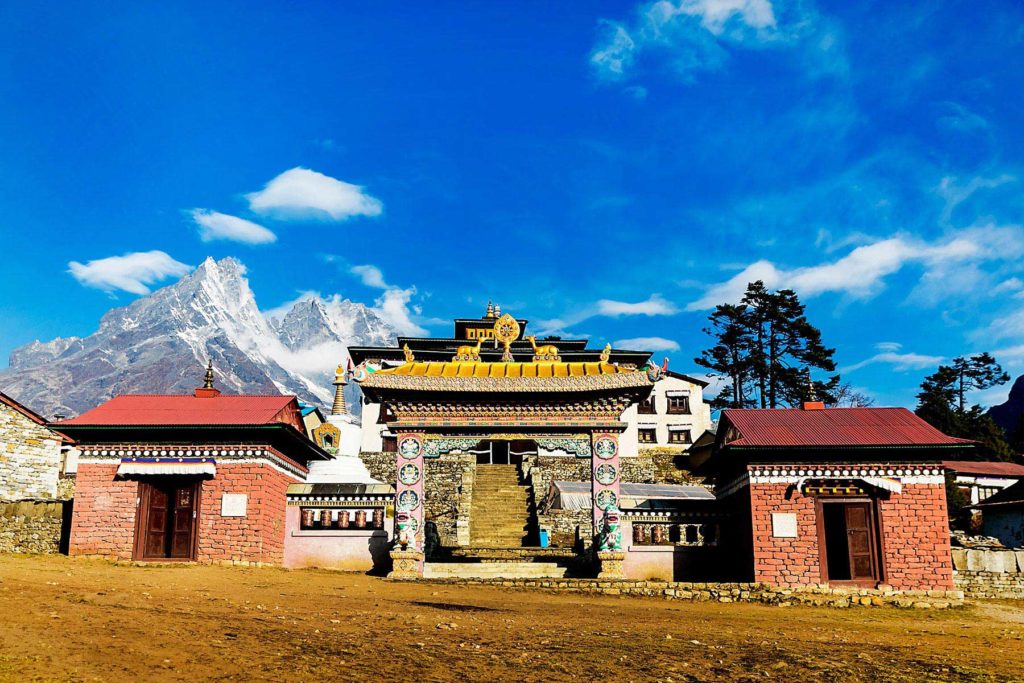
Tengboche Monastery: The largest and most important monastery in the Khumbu region, offering spiritual insights and stunning views of the surrounding peaks, including Ama Dablam.
Tengboche Monastery: Spiritual Sanctuary in the Himalayas. Discover the tranquility and spirituality of Tengboche Monastery, perched amidst the majestic peaks of the Everest region. Immerse yourself in Tibetan Buddhist culture as you witness monks chanting prayers and spinning prayer wheels. Experience panoramic views of Everest, Ama Dablam, and Lhotse from this sacred vantage point. Explore the rich history and serene ambiance of Tengboche Monastery, a spiritual haven in the heart of the Himalayas
4. Gokyo Lakes and Gokyo Ri
Gokyo Lakes: A series of turquoise glacial lakes located at around 4,700–5,000 meters (15,400–16,400 feet). Gokyo Ri: A 5,357-meter (17,575-foot) peak that offers panoramic views of Everest, Lhotse, Makalu, and Cho Oyu.
Gokyo Lakes and Gokyo Ri: Himalayan Serenity and Spectacular Views. Immerse yourself in the tranquil beauty of the Gokyo Lakes, a series of turquoise gems nestled in the heart of the Everest region. Trek to Gokyo Ri for breathtaking panoramic views of Everest, Cho Oyu, and the surrounding peaks. Experience the magic of Gokyo Lakes and Gokyo Ri, where nature's splendor and mountain grandeur converge
5. Khumbu Glacier and Icefall
Khumbu Icefall: One of the most dangerous sections of the Everest climbing route, visible from Everest Base Camp.
Khumbu Glacier: The longest glacier in Nepal, stretching down from the Western Cwm of Everest.
Khumbu Glacier and Icefall: Glacial Wonders of the Everest Region. Explore the dynamic landscape of the Khumbu Glacier and Icefall, where ancient ice meets the towering peaks of the Himalayas. Witness the ever-shifting beauty of these natural wonders, sculpted by the forces of nature over millennia. Experience the awe-inspiring majesty of the Khumbu Glacier and Icefall on your journey through the Everest region
6. Ama Dablam
Ama Dablam Base Camp: Known for its beauty, Ama Dablam is often referred to as the "Matterhorn of the Himalayas. The base camp trek offers close-up views of this iconic peak.
Ama Dablam: Majestic Beauty of the Himalayas. Explore the iconic Ama Dablam peak, revered as one of the most beautiful mountains in the world. Admire its elegant summit and dramatic ridges rising against the backdrop of the Everest region. Experience the allure of Ama Dablam on your trekking adventure, surrounded by awe-inspiring vistas and the serene ambiance of the Himalayas
7. Sagarmatha National Park
Biodiversity: A UNESCO World Heritage Site, home to diverse flora and fauna, including the elusive snow leopard and red panda.Visitor Center in Namche Bazaar: Provides educational information about the park's ecology and conservation efforts.
Sagarmatha National Park: Jewel of the Himalayas. Delve into the pristine wilderness of Nepal's first UNESCO World Heritage Site. Discover a treasure trove of biodiversity, from rare wildlife like snow leopards to ancient rhododendron forests. Traverse majestic trails offering unparalleled views of Everest and its surrounding peaks. Experience the magic of Sagarmatha National Park, where nature's splendor meets adventure
8. Khumjung and Khunde Villages
Khumjung Monastery: Houses a purported Yeti scalp.
Hillary School: Established by Sir Edmund Hillary, showcasing his contributions to the region.
Khunde Hospital: Also founded by Hillary, providing healthcare services to the local population.
9. Phakding
Monasteries and Gompas: Visit local monasteries to understand the region's Buddhist heritage.
Phakding Village: Gateway to Everest Adventure. Begin your trek to Everest Base Camp in this picturesque village nestled along the Dudh Kosi River. Explore its winding trails, traditional teahouses, and vibrant culture as you embark on your Himalayan journey. Experience the warmth of Sherpa hospitality and stunning mountain views in the tranquil setting of Phakding village
10. Thame village
Thame Monastery: One of the oldest in the region, with connections to famous mountaineers like Tenzing Norgay.
Thame Village: Discover Sherpa Culture Amidst Himalayan Splendor. Explore the charming village of Thame, nestled in the Everest region, renowned for its ancient monastery and rich Sherpa heritage. Immerse yourself in the tranquility of the Himalayas as you wander through traditional stone houses and interact with friendly locals. Experience the essence of Sherpa life in Thame village, surrounded by towering peaks and serene landscapes
11. Renjo La Pass
Renjo La Pass: Offers spectacular views of Everest and the surrounding peaks and is part of the Three Passes Trek.
Renjo La Pass: A High-Altitude Adventure with Panoramic Views. Embark on an exhilarating journey through this Himalayan pass, offering breathtaking vistas of Everest, Lhotse, and other iconic peaks. Experience the thrill of crossing one of the highest trekking passes in the Everest region, surrounded by pristine alpine landscapes and awe-inspiring beauty. Discover the allure of Renjo La Pass on your Everest trekking adventure.
12. Chhukung Valley
Chhukung Ri: A trekking peak that provides excellent views of Lhotse, Makalu, and Island Peak.
Island Peak Base Camp: A popular destination for climbers aiming to summit Island Peak.
13. Lobuche and Gorak Shep
Lobuche: A stopover with acclimatization hikes offering great views.
Gorak Shep: The last settlement before Everest Base Camp, providing access to Kala Patthar.
Lobuche and Gorak Shep: Gateway to Everest Base Camp Adventure. Explore these Himalayan settlements, situated amidst towering peaks and glacial landscapes. Lobuche offers a strategic stopover with stunning acclimatization hikes, while Gorak Shep serves as the final outpost before the iconic Everest Base Camp, providing access to the majestic Kala Patthar viewpoint. Experience the thrill of high-altitude trekking in these enchanting destinations
14. Three Passes Trek
Kongma La, Cho La, and Renjo La Passes: This challenging trek offers some of the best views and experiences in the Everest region, crossing high mountain passes and visiting remote valleys.
15. Dingboche
Dingboche: Known for its beautiful fields and stone walls, it offers acclimatization hikes with great views of Ama Dablam and other peaks.
Dingboche-A Himalayan Gem Offering Stunning Views and Serene Atmosphere. Discover this charming village nestled in the Everest region, renowned for its picturesque landscapes, traditional stone-walled fields, and acclimatization hikes with panoramic vistas of iconic peaks like Ama Dablam. Experience the beauty and tranquility of Dingboche on your Everest adventure
Kalapathar Everest Sunrise view point on Top of Gorakshep
Kala Patthar, also known as "Black Rock," is a notable viewpoint located in the Khumbu region of Nepal, near Mount Everest. It stands at an elevation of 5,644 meters (18,519 feet) and is renowned for providing one of the best accessible close-up views of Mount Everest and the surrounding peaks, including Nuptse and Changtse.
The trek to Kala Patthar typically starts from the village of Gorak Shep, which lies at an altitude of 5,164 meters (16,942 feet). The hike from Gorak Shep to the summit of Kala Patthar takes about 1.5 to 2 hours, depending on the trekker's pace and acclimatization to the altitude. The path involves a series of steep switchbacks and rocky terrain, culminating in a viewpoint adorned with prayer flags
Kala Patthar is often included in the Everest Base Camp trek itinerary. Trekkers can also opt for a helicopter tour from Kathmandu to Kala Patthar and Everest Base Camp for a quicker but equally stunning experience. The viewpoint offers panoramic views of the Himalayas, making it a popular spot for sunrise and sunset hikes to capture breathtaking photos of Mount Everest and its majestic surroundings
Tengboche Monastery. Altitude of 3,867 meters (12,687 feet),
Tengboche Monastery, also known as Thyangboche or Dawa Choling Gompa, is the largest and most famous monastery in the Khumbu region of Nepal. Located at an altitude of 3,867 meters (12,687 feet), it is a prominent stop on the trail to Everest Base Camp. Established in 1916 by Lama Gulu, the monastery has a rich history, despite being damaged by earthquakes and fires multiple times and subsequently rebuilt
The monastery is renowned for its stunning panoramic views of the Himalayas, including Mount Everest, Lhotse, and Ama Dablam. Tengboche is also a cultural hub for the Sherpa community and a significant center for Tibetan Buddhism in the region
One of the most notable events at Tengboche Monastery is the Mani Rimdu Festival, held annually between mid-October and mid-November. This festival features religious ceremonies, masked dances, and songs, attracting many visitors and trekkers who plan their trips to coincide with the festivities
Tengboche Monastery is part of the Sacred Sites Trail Project in Sagarmatha National Park, a UNESCO World Heritage Site, which aims to promote tourism and preserve cultural heritage in the region. The trail connects various sacred sites, monasteries, and nunneries, offering trekkers a spiritual journey through the breathtaking landscapes of the Khumbu Valley.
Dingboche: Known for its beautiful fields and stone walls, it offers acclimatization hikes with great views of Ama Dablam and other peaks.
The Everest Region is rich with natural beauty, cultural experiences, and trekking adventures. Each of these must-see attractions offers a unique glimpse into the majesty of the Himalayas and the vibrant Sherpa culture. Whether you're trekking to Everest Base Camp, exploring the Gokyo Lakes, or visiting ancient monasteries, the Everest region promises an unforgettable experience.
Explore the breathtaking beauty of the Everest Region with our guide to must-see attractions. From the iconic Mount Everest and vibrant Namche Bazaar to serene Gokyo Lakes and ancient monasteries, embark on a journey of adventure and cultural discovery in the heart of the Himalayas
what is the weather in Everest region throughout the year?
The weather in the Everest region varies significantly throughout the year due to its high altitude and mountainous terrain. Here's a general overview of the weather patterns you can expect:
Spring (March to May):
Temperature: Daytime temperatures gradually increase, ranging from mild to warm, with average highs around 10-15°C (50-59°F) in lower elevations.
Precipitation: Spring is relatively dry, but occasional rain showers are possible, especially in lower altitudes. Higher up, snowfall may occur but is less common.
Visibility: Clear skies and excellent visibility are typical, offering stunning views of the Himalayan peaks.
Flora: Rhododendrons bloom, painting the landscape with vibrant colors.
Summer (June to August):
Temperature: Daytime temperatures can be warm to moderately hot, especially in lower elevations, with highs reaching 20-25°C (68-77°F). Nights remain cool.
Precipitation: Monsoon season brings heavy rainfall, especially in July and August, making trekking conditions challenging. Trails can be muddy and slippery.
Visibility: Cloud cover and mist often obscure mountain views, although clear mornings are still possible.
Flora: The landscape is lush and green due to the rainfall.
Autumn (September to November):
Temperature: Days are mild and pleasant, with average highs ranging from 10-20°C (50-68°F) depending on altitude. Nights become cooler.
Precipitation: Rainfall decreases significantly as the season progresses, leading to dry and clear days. Snowfall is rare at lower elevations but may occur at higher altitudes.
Visibility: Excellent visibility and clear skies make autumn the most popular trekking season. Panoramic views of the Himalayas are breathtaking.
Flora: The landscape begins to transition from green to golden as vegetation prepares for winter.
Winter (December to February):
Temperature: Cold temperatures prevail, especially at higher elevations, with daytime highs averaging around 5-10°C (41-50°F) in lower regions and dropping below freezing at higher altitudes. Nights are bitterly cold.
Precipitation: Winter is generally dry, but occasional snowfall can occur, particularly in January and February. Trails may be covered in snow, making trekking more challenging.
Visibility: Clear skies are common, offering crisp views of snow-capped peaks. However, haze and fog can obscure visibility at times.
Flora: Most vegetation is dormant or covered in snow, giving the landscape a pristine, wintry beauty.
Spring and autumn are considered the best times for trekking in the Everest region, offering stable weather and stunning mountain views.
Summer brings heavy rainfall and challenging trekking conditions, while winter is cold and snowy, but also less crowded.
Weather conditions can vary significantly from day to day and with changes in altitude, so it's essential to be prepared for all eventualities when trekking in the Everest region.
Explore the beauty and spirituality of Solukhumbu’s Dudhkunda
Nestled in the heart of Solukhumbu, where the Himalayas stretch their majestic arms towards the heavens, lies the tranquil jewel of Dudhkunda Lake. This sacred alpine lake, cradled by the encircling peaks, is a sanctuary of serenity and spirituality, beckoning those who seek solace amidst the grandeur of nature.
The journey to Dudhkunda begins as a voyage through lush forests and quaint villages, where the rhythm of daily life echoes the timeless traditions of the Sherpa and Rai communities. As you ascend through the verdant trails, the air grows crisper, infused with the scent of pine and the whispers of ancient prayers carried on the wind. The path, though challenging, is a passage through an untouched paradise, each step drawing you closer to a realm where nature and spirituality intertwine.
As you approach the lake, the landscape transforms into a mesmerizing tapestry of rugged mountains and shimmering waters. Dudhkunda, meaning “Milk Lake” in the local dialect, is named for its pristine, milky-blue waters that reflect the sky’s azure expanse. This sacred lake, believed to be the abode of the Hindu deity Shiva, holds a special place in the hearts of pilgrims and trekkers alike. Its surface, often still and glassy, mirrors the towering peaks of the Numbur and Karyolung ranges, creating a breathtaking panorama that seems to extend into eternity.
The spiritual aura of Dudhkunda is palpable. The surrounding mountains, with their snow-capped summits and craggy ridges, stand as silent sentinels over the lake, their ancient presence evoking a sense of reverence. The rhythmic chants of local devotees and the soft clang of prayer bells weave an ethereal melody, enhancing the lake's tranquil atmosphere. Pilgrims, adorned in traditional garb, circumambulate the lake’s shores, their offerings and prayers mingling with the cool mountain breeze.
As the sun rises over the horizon, the lake’s waters come alive with a shimmering golden light, casting a spell of tranquility over all who gaze upon it. The interplay of light and shadow on the surface of Dudhkunda creates a spectacle of fleeting beauty, where each moment is a canvas painted by nature’s own hand. The air, crisp and invigorating, carries the distant echo of laughter and the soft murmur of the wind through the pines.
In the quiet of dusk, as the sun dips below the jagged peaks, Dudhkunda takes on a serene, almost otherworldly glow. The twilight hours bring a profound sense of peace, as the lake’s surface mirrors the emerging stars, creating a celestial tapestry that bridges the gap between the earthly and the divine. The chill of the evening air is softened by the warmth of shared stories and the glow of campfires, as trekkers and pilgrims alike gather to reflect on the day’s journey.
The journey to Dudhkunda is not merely a trek through the mountains but a pilgrimage to the soul. The lake’s pristine beauty and spiritual significance offer a rare glimpse into the harmonious relationship between nature and the divine. Here, amidst the grandeur of the Himalayas and the serenity of the sacred waters, one finds a place where the soul can wander freely, finding solace in the timeless embrace of the natural world.
In this tranquil haven, where the earth meets the sky and the divine dances upon the waters, Dudhkunda stands as a testament to the profound beauty and spirituality that define the high Himalayas. It is a place where the heart finds its rhythm in harmony with the mountains, and the spirit soars amidst the boundless beauty of the sacred landscape.
Embarking on the journey
Embarking on the journey to Dudhkunda is like stepping into a timeless dream where nature and spirit entwine. As you leave behind the familiar clamor of everyday life, the path ahead unfurls like a ribbon of adventure through lush, emerald forests and charming, traditional villages. Each step is a dance with the mountain’s rhythm, where the air, crisp and invigorating, whispers ancient tales of the Himalayas. The ascent reveals glimpses of the sacred Dudhkunda, its milky-blue waters shimmering like a celestial mirror amidst the grandeur of snow-capped peaks. The journey is a soulful pilgrimage, each moment steeped in the serene embrace of the Himalayas. With every breath, you draw closer to a place where the divine meets the earthly, and the landscape transforms into a haven of peace and profound spiritual connection.
Natural wonders and spiritual significance
Dudhkunda Lake, cradled in the heart of Solukhumbu, is a sublime confluence of natural wonder and spiritual reverence. Its crystalline waters, tinged with a celestial hue, mirror the towering peaks that rise like ancient sentinels from the earth. The lake's serene surface reflects not just the grandeur of the Himalayas but the profound spirituality embedded in its very essence. Revered as the divine abode of Shiva, Dudhkunda is a sanctuary where the sacred and the natural meld in harmonious splendor. Surrounding peaks, their snow-capped crests piercing the sky, stand as silent witnesses to countless prayers and offerings made by pilgrims who traverse this hallowed ground. The interplay of light on the lake’s surface, coupled with the distant hum of spiritual chants, weaves an ethereal tapestry, offering an evocative glimpse into a realm where nature’s majesty meets the divine.
Visitor experience
As you approach Dudhkunda, the experience unfurls like a page from an ancient manuscript, each moment rich with the essence of discovery. The journey to this sacred lake is a pilgrimage through realms of natural splendor and spiritual tranquility. Visitors are embraced by a tranquil landscape where every step brings a deeper communion with the Himalayas' majestic silence. The air, imbued with the scent of pine and the faintest trace of incense, feels alive with the whispers of ancient prayers. Arriving at Dudhkunda, the lake’s still waters, shimmering under the mountain sun, offer a mesmerizing reflection of the sky and peaks. The serenity of the surroundings invites contemplation, while the distant sound of prayer flags fluttering in the breeze adds a melodious touch to the serene ambiance. Here, amidst this timeless tableau, visitors find themselves immersed in a profound sense of peace and spiritual connection.
Challenges and opportunities
The journey to Dudhkunda Lake is a tapestry woven with both challenges and opportunities, each thread adding depth to the experience. The trek, a rigorous ascent through rugged terrain and dense forests, tests the resolve of even the most seasoned traveler. The steep paths and unpredictable weather demand both physical endurance and mental fortitude. Yet, it is precisely these trials that unveil the journey’s true essence. With each arduous step, the landscape reveals its hidden treasures: breathtaking vistas of snow-capped peaks, serene meadows, and the glistening expanse of Dudhkunda itself. The challenges become gateways to profound rewards—a chance to embrace the raw beauty of the Himalayas, and to find solace in the lake’s sacred stillness. This dynamic interplay of hardship and wonder transforms the trek into a pilgrimage of discovery, where every struggle is met with the opportunity for deep, personal revelation and spiritual growth.
Lukla adventures: The ultimate Himalayan experience
Lukla, the gateway to the Himalayas, is not just a place—it is a canvas where the spirit of adventure paints its most exhilarating masterpieces. Nestled amidst the grandeur of the Everest region, Lukla's airstrip—one of the world’s most thrilling landing strips—promises a start like no other. As the plane banks sharply against the rugged terrain, travelers find themselves embraced by the sheer majesty of towering peaks and verdant valleys.
The adventure begins the moment you touch down on this tiny runway, which seemingly flirts with the clouds. Here, at an altitude of 2,860 meters, the pulse of the Himalayas quickens. The crisp, invigorating air breathes life into your soul as you set foot on this hallowed ground. The village itself is a tapestry of vibrant Tibetan culture, with prayer flags fluttering in the breeze and the rhythmic chant of mantras resonating through the air.
Exploring Lukla's surroundings, the landscape unfolds like a grand epic. Each trail winds through emerald forests and terraced fields, guiding you past ancient gompas and charming hamlets. The scenery, a kaleidoscope of towering peaks and lush valleys, offers glimpses of the majestic Everest looming in the distance. As you traverse these trails, the ethereal beauty of the Himalayas becomes an intimate companion, whispering tales of ancient legends and heroic quests.
In Lukla, the adventure is not merely in the destination but in the journey itself. It is a rendezvous with the sublime, where every step brings you closer to the heart of the Himalayas and every breath is a testament to the timeless allure of this Himalayan haven.
Heavenly experience
In the heart of the Himalayas lies a sanctuary where the earth kisses the heavens—a place where the soul finds its wings. Here, amid the shimmering sprawl of snowy peaks and the whispering embrace of ancient forests, the experience transcends the ordinary. Every sunrise bathes the landscape in a golden glow, as if the mountains themselves are reaching out to touch the divine.
The air is a crisp elixir, infused with the scent of pine and the faint aroma of high-altitude flowers. Each step on the winding trails feels like a dance with the celestial, as the terrain unfolds its secrets with poetic grace. The sky, a vast canvas of azure and silver, seems to stretch infinitely, echoing the silent majesty of the towering giants above.
As you ascend, the world below recedes, leaving behind a serene tapestry of nature’s grandeur. The silence, punctuated only by the distant call of an eagle or the murmur of a mountain stream, creates a sanctuary of stillness where time itself seems to pause. This is more than a journey; it is a transcendental communion with the sublime, a heavenly experience etched in the very fabric of existence.
Pleasant Lukla
Lukla, a quaint village perched high in the Himalayas, is a serene gem wrapped in the embrace of rugged grandeur. As you step onto its lively streets, you're greeted by a cascade of welcoming hues—prayer flags fluttering in the gentle breeze, their colors a vibrant tapestry against the backdrop of towering peaks. The village hums with a peaceful rhythm, a harmonious blend of tradition and tranquility.
The air in Lukla is a fragrant mixture of pine and earthy whispers, carrying with it the subtle melody of distant chimes and the soft murmur of the surrounding streams. Strolling through its narrow lanes, you encounter friendly faces, each smile a testament to the warmth and hospitality of this Himalayan haven. The local teahouses, with their charming, rustic appeal, offer a cozy refuge where you can savor a steaming cup of tea or a hearty meal, while gazing out at the breathtaking panorama of snow-capped peaks.
Lukla’s beauty lies not just in its picturesque setting but in the serene ambiance that envelops every moment. It is a place where the soul finds solace, where the hustle of the world fades away, leaving behind a profound sense of peace and contentment in this Himalayan paradise.
Recent From Blog


8th Sep, 2026

16th Aug, 2026

10th Aug, 2026

8th Aug, 2026

1st Aug, 2026

31st Jul, 2026

29th Jul, 2026
25th Jul, 2026

29th Jun, 2026
4th Jan, 2026


5th Jun, 2025

19th May, 2025

9th May, 2025

18th Apr, 2025

22nd Oct, 2024
21st Oct, 2024
19th Oct, 2024

18th Oct, 2024

11th Oct, 2024
11th Oct, 2024
8th Oct, 2024
