

16th Jul, 2025
Why Trek Above 5000 Meters in Nepal? A Himalayan Quest Beyond the Ordinary
In the wild, wind-swept world above 5000 meters, Nepal reveals its purest soul. Here, where the sky deepens into sapphire and the mountains rise like ancient gods, trekking becomes more than a journey—it becomes a transformation. For those seeking the ultimate Himalayan experience, trekking above 5000 meters is an unmatched adventure. It's a place where spirit and altitude converge, offering views that silence the mind and stir the heart.
Table of Contents
Above 5000 meters lies a realm reserved for the bold: Everest Base Camp (5,364m), Thorong La Pass (5,416m), Larkya La Pass (5,160m), Renjo La (5,360m), and Kongma La (5,535m) are not just numbers—they're milestones etched in snow and sky. These high-altitude passes and destinations take you deep into the heart of the Himalayas, where the terrain is stark, the silence profound, and every step tells a story of resilience.
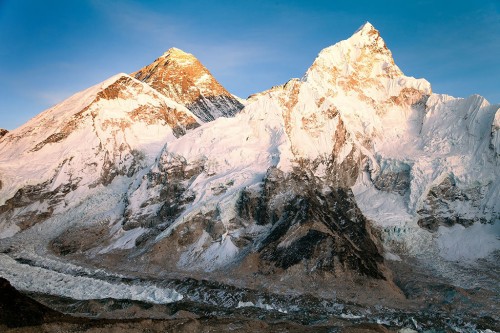
Trekking at this altitude is not easy. The air thins, the temperature drops, and the body is challenged. But with that challenge comes an immense reward. You’ll witness the world’s highest peaks like never before: Ama Dablam shining like a jewel, Makalu looming in quiet grandeur, and Everest itself standing sentinel among clouds. At 5000 meters, the horizon stretches into eternity, and time feels suspended.
The weather above 5000 meters is often unpredictable—icy winds can sweep in suddenly, and nights dip well below freezing even in peak seasons. That said, the best months for high-altitude trekking are generally October-November and March-April, when the skies are clear, and the mountain vistas are at their most majestic. Planning and acclimatization are crucial; success at these heights requires patience, preparation, and respect for the mountain’s rhythm.
Despite the thin air and extreme conditions, food and accommodation remain surprisingly comforting on well-trodden trails. You’ll find warm teahouses offering dal bhat, soup, noodles, and ginger tea—essential fuel for the high-altitude grind. While options grow simpler the higher you go, the hospitality remains heartfelt. Sharing a hot meal by the stove after a long climb becomes a treasured ritual.
Trekking above 5000 meters isn’t just about distance or elevation—it’s about elevation of self. You learn to walk slower, breathe deeper, and listen to your heartbeat echo off glacier walls. You embrace simplicity and let go of distractions. In this raw, rare air, clarity often replaces chaos, and what matters most becomes beautifully obvious.
So why trek above 5000 meters in Nepal? Because it’s the roof of the world—and the doorstep to your own inner peaks. It’s where legends are made, friendships are forged, and memories are etched forever. For those who dare, the mountains offer more than views—they offer truth. Lace your boots, take a deep breath, and step into the silence that only the Himalayas can offer.
1. What are the best treks in Nepal above 5000 meters?
Popular high-altitude treks include Everest Base Camp with Kala Patthar (5,545m), Annapurna Circuit via Thorong La Pass (5,416m), Manaslu Circuit (5,160m), and the Three Passes Trek (above 5,000m at three points).
2. Is it safe to trek above 5000 meters in Nepal?
Yes, with proper acclimatization, experienced guides, and a gradual ascent, it is safe. Always monitor symptoms of altitude sickness.
3. What is the best time to trek above 5000m in Nepal?
Spring (March–May) and Autumn (October–November) offer the best weather, stable temperatures, and clear Himalayan views.
4. How difficult are treks above 5000 meters?
These are considered strenuous. Trekkers need to be physically fit, mentally prepared, and experienced in multi-day hikes.
5. What kind of permits are required?
Depending on the region, you may need a TIMS card, conservation area permits, or restricted area permits (e.g., Manaslu or Upper Mustang).
6. What should I pack for high-altitude trekking?
Essentials include layered clothing, down jacket, sleeping bag, trekking boots, water purifier, altitude pills, and energy snacks.
7. Can beginners trek above 5000m?
Not recommended without prior experience. Beginners should start with easier treks and gradually move to higher altitudes.
8. Are there tea houses at high altitudes?
Yes, most routes offer basic tea houses up to 5,000m. Beyond that, facilities can be limited or seasonal.
9. How do I prevent altitude sickness?
Ascend slowly, stay hydrated, rest, and consider taking acclimatization days and altitude medications like Diamox if needed.
10. Why should I choose a trek above 5000 meters?
For breathtaking Himalayan panoramas, unique cultural encounters, glacier crossings, and the unmatched thrill of being above the clouds.
Day 1: Arrival in Kathmandu (1,350m)
Arrive in Kathmandu. Transfer to your hotel. Trek briefing and last-minute preparations.
Day 2: Fly to Lukla (2,840m), Trek to Phakding (2,610m) – 3–4 hrs
Early scenic flight to Lukla. Begin trekking along the Dudh Koshi River to Phakding.
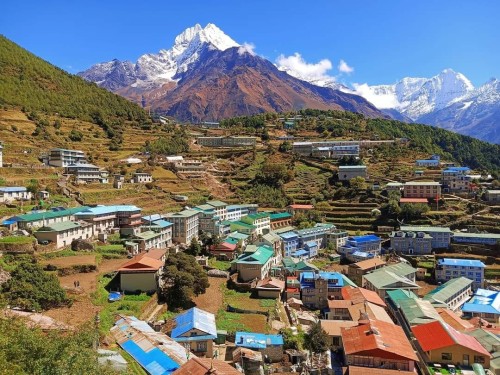
Day 3: Trek to Namche Bazaar (3,440m) – 6 hrs
Cross suspension bridges and ascend through pine forests to reach the bustling Sherpa town of Namche.
Day 4: Acclimatization in Namche Bazaar
Short hike to Everest View Hotel or Khumjung. Acclimatization day with cultural exploration.
Day 5: Trek to Thame (3,800m) – 4–5 hrs
Quiet trail through forested paths and small Sherpa villages to Thame, the birthplace of Tenzing Norgay.
Day 6: Trek to Lungden (4,380m) – 5 hrs
Gradual uphill through yak pastures. Lungden is a quiet spot with great views.
Day 7: Cross Renjo La Pass (5,360m), Trek to Gokyo (4,790m) – 7–8 hrs
Challenging ascent over Renjo La. Descend into the turquoise Gokyo Lakes basin.
Day 8: Gokyo Ri Hike (5,357m), Rest at Gokyo – 3–4 hrs
Early morning climb to Gokyo Ri for breathtaking views of Everest, Cho Oyu, and Makalu.
Day 9: Trek to Thangna (4,700m) – 4 hrs
Trek across the Ngozumpa Glacier to reach the base of Cho La.
Day 10: Cross Cho La Pass (5,420m), Trek to Dzongla (4,830m) – 7 hrs
Steep icy ascent and rocky descent across one of the trek’s most dramatic passes.
Day 11: Trek to Lobuche (4,910m) – 4 hrs
Gentle climb with impressive views of Nuptse and Pumori along the way.
Day 12: Trek to Everest Base Camp (5,364m), Return to Gorak Shep (5,164m) – 8 hrs
Early start to reach Everest Base Camp. Celebrate beneath the Khumbu Icefall and return to Gorak Shep.
Day 13: Hike to Kala Patthar (5,545m), Trek to Lobuche – 6 hrs
Sunrise from Kala Patthar offers Everest’s finest close-up. Descend to Lobuche for rest.
Day 14: Cross Kongma La Pass (5,535m), Trek to Chhukung (4,730m) – 7 hrs
Final and highest pass. Spectacular views from the top. Descend to the peaceful village of Chhukung.
Day 15: Trek to Tengboche (3,860m) – 5–6 hrs
Descend through Dingboche and Pangboche. Visit Tengboche Monastery at sunset.
Day 16: Trek to Namche Bazaar – 5–6 hrs
Return to vibrant Namche for comfort and good food.
Day 17: Trek to Lukla – 6 hrs
Final descent through forests and Sherpa villages. Celebrate trek completion in Lukla.
Day 18: Fly to Kathmandu
Early morning scenic flight back to Kathmandu. Rest or explore the city.
Recent From Blog


8th Sep, 2026

16th Aug, 2026

10th Aug, 2026

8th Aug, 2026

1st Aug, 2026

31st Jul, 2026

29th Jul, 2026
25th Jul, 2026

29th Jun, 2026
4th Jan, 2026


5th Jun, 2025

19th May, 2025

9th May, 2025

18th Apr, 2025

22nd Oct, 2024
21st Oct, 2024
19th Oct, 2024

18th Oct, 2024

11th Oct, 2024
11th Oct, 2024
8th Oct, 2024
