
23rd Mar, 2024
Winter Treks in Nepal Weather Temperature
Discover the magic of winter treks in Nepal with snow-covered trails, clear skies, and serene landscapes. Explore weather conditions, accommodation tips, and challenges for an unforgettable Himalayan adventure, Winter Treks in Nepal: A Journey Through Snow-Draped Silence
Table of Contents
Winter in Nepal transforms its rugged mountains and serene valleys into a realm of ethereal beauty. The months of December through February shroud the Himalayas in a silken white, offering a quieter and more intimate trekking experience. For those who seek solitude, crisp air, and a landscape kissed by frost, winter treks in Nepal are an invitation to explore a wonderland of snow-capped peaks, frozen waterfalls, and tranquil trails. However, the season presents unique challenges, requiring a blend of preparation, resilience, and awe.
Weather and Temperature
The Himalayan winter whispers its chill into every breath, with temperatures varying dramatically depending on the altitude. In lower regions, such as Kathmandu Valley (1,300m), daytime temperatures hover between 8°C and 15°C, while nights can dip close to freezing. At elevations of 3,000m to 4,000m, such as in Ghorepani or Langtang Village, the mercury drops further, ranging from -5°C to 10°C during the day and plunging to -10°C or lower at night.
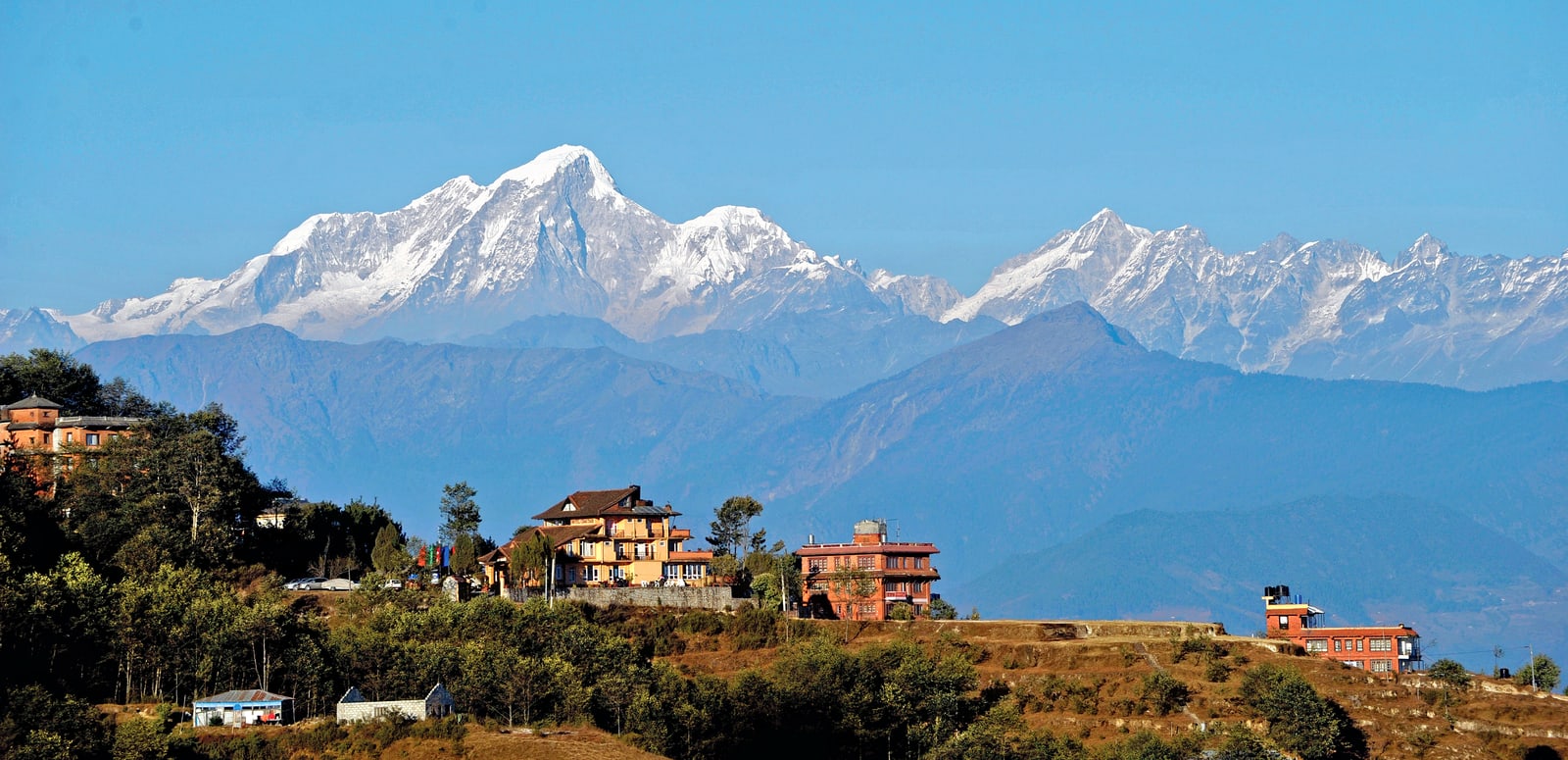
Above 4,500m, like at Everest Base Camp (5,364m) or Gosaikunda Lake (4,380m), daytime temperatures may struggle to rise above freezing, while nights are bone-chilling, with lows reaching -20°C. The skies, however, often remain gloriously clear, offering unobstructed views of snow-laden peaks glinting like diamonds under the sun.
Accommodation: A Cozy Respite
The lodges and teahouses that dot Nepal’s trekking routes remain open during winter, though their offerings can be limited in the higher regions due to fewer trekkers. A warm fire in the dining hall becomes a sanctuary, where trekkers huddle together to share tales and thaw chilled fingers. Rooms are simple, often unheated, and blankets are essential companions to sleeping bags designed for sub-zero conditions.
Lower-altitude villages like Ulleri or Namche Bazaar provide slightly more comfort, with hot showers and well-stocked kitchens, while higher settlements may have fewer luxuries. Meals of dal bhat, hearty soups, and steaming cups of ginger tea offer warmth that penetrates body and soul.
Challenges of Winter Trekking
Winter trekking in Nepal demands a readiness for icy trails, snow-covered paths, and unpredictable weather. The crisp mornings are invigorating, but by midday, the snow can soften, making steep ascents and descents slippery. Proper gear, including crampons, gaiters, and trekking poles, becomes indispensable.
Altitude remains a constant challenge, with routes like the Everest Base Camp Trek or Annapurna Circuit requiring gradual acclimatisation. Despite the cold, the risk of altitude sickness persists as you ascend to heights above 3,500m. The thin air, coupled with freezing temperatures, calls for deliberate pacing, hydration, and attentiveness to symptoms like dizziness or nausea.
Recommended Winter Treks
Everest Base Camp Trek (5,364m)
The trail to Everest Base Camp in winter is less crowded yet equally stunning. Snow-blanketed forests, frozen streams, and uninterrupted views of Everest make it a dream for solitude-seeking adventurers.
Langtang Valley Trek (3,870m)
Just a few days’ journey from Kathmandu, the Langtang Valley offers dramatic landscapes and cozy teahouses. Winter transforms the valley into a serene expanse of snowfields beneath towering peaks.
Annapurna Base Camp Trek (4,130m)
The Annapurna Sanctuary becomes a dazzling amphitheater of snow, with the added magic of sunrises that paint the icy peaks gold.
Ghorepani Poon Hill Trek (3,210m)
This shorter trek is perfect for winter, with its breathtaking sunrise views over Dhaulagiri and Annapurna. The trail, though cold, is manageable and offers comfortable accommodations.
Why Trek in Winter?
While winter trekking in Nepal poses challenges, it also offers unparalleled rewards. The quiet trails allow a deeper communion with nature, unbroken by the chatter of crowds. The snow adds a layer of magic to the landscape, muffling the world in a peaceful hush. Sunrises over frosty peaks, the crackle of a teahouse fire, and the satisfaction of conquering icy trails create memories etched deeply into the heart.
For those prepared to embrace the chill, winter trekking in Nepal is not just a journey through landscapes—it is an exploration of resilience, beauty, and the quiet power of the Himalayas.
1# What makes winter trekking in Nepal special?
Winter trekking in Nepal unveils a world wrapped in a pristine blanket of snow. The trails are hushed, the skies a painter’s canvas of endless blue, and the peaks—Everest, Annapurna, Langtang—glisten with an icy majesty. For those seeking solitude, the season offers a quieter communion with nature and moments of profound stillness where the mountains speak only to you.
2# What is the weather like during winter treks in Nepal?
Winter breathes its icy whispers across the land, offering crisp mornings and starlit nights. In the lower regions, daytime temperatures gently hover between 8°C and 15°C, while higher altitudes, such as Everest Base Camp, endure bone-chilling cold, with temperatures dipping as low as -20°C. Yet, the winter skies remain gloriously clear, gifting trekkers uninterrupted views of the Himalayas’ grandeur.
3# Are the trekking trails open during winter?
Yes, the trails remain open, albeit with fewer travelers treading them. Popular routes like the Everest Base Camp, Annapurna Base Camp, and Langtang Valley Treks are accessible, though higher-altitude paths may wear a veil of snow, demanding sturdy boots, crampons, and a spirit ready for adventure.
4# What challenges does winter trekking pose?
The chill of winter is not for the faint-hearted. Icy trails, biting winds, and the ever-present challenge of altitude sickness test even the most seasoned adventurer. Days are short, nights are cold, and snow can make the journey slippery and slow. Yet, these trials are the price of the Himalayas’ silent, snow-draped embrace.
5# What type of accommodation can I expect?
Teahouses and lodges along the trails become cozy refuges, their simplicity offset by the warmth of their hospitality. Fire-warmed dining halls are gathering places where stories and steaming mugs of tea are shared. Rooms are basic and unheated, making a sleeping bag designed for sub-zero temperatures essential for a night’s comfort.
6# Is the food suitable for winter conditions?
Yes, the food served in teahouses provides both warmth and sustenance. Dal bhat—the lifeblood of Nepali trekkers—is a hearty staple, accompanied by soups, curries, and freshly baked bread. Ginger tea and hot lemon drinks bring warmth that lingers, fortifying you for the icy trails ahead.
7# How should I prepare for winter trekking?
Preparation is key to taming the cold. Layering is an art form—thermal innerwear, insulating fleece, and a waterproof outer shell are your allies. Sturdy boots with crampons, warm gloves, and a hat that shields your ears from the Himalayan chill are indispensable. And don’t forget sunglasses to guard against the glare of snow under a brilliant sun.
8# What altitudes are typical for winter treks, and how do they affect the experience?
Winter treks often reach altitudes of 3,000m to 5,500m, such as at Annapurna Base Camp (4,130m) or Gosaikunda Lake (4,380m). At these heights, the air thins, and the cold intensifies. Acclimatisation remains crucial to prevent altitude sickness, even as snow and frost add to the adventure’s challenge and charm.
9# Are guides and porters available in winter?
Yes, guides and porters are available year-round and become invaluable in winter’s embrace. Their knowledge of snow-laden trails, weather patterns, and the rhythm of the mountains ensures a safer, more enriching journey. They are not just companions but guardians of your Himalayan dream.
10# Why should I choose a winter trek in Nepal?
To trek Nepal in winter is to walk through a world of untouched beauty—a world where silence reigns, snow crunches underfoot, and the majesty of the peaks feels uniquely your own. It is a season of solitude and wonder, where every step challenges the body yet nourishes the soul. The rewards—both visual and spiritual—are beyond measure, making winter treks an experience unlike any other.
Winter trekking in Nepal is not merely a journey through frozen landscapes; it is a pilgrimage into the heart of the Himalayas, where resilience meets reverence, and every snowflake tells a story.
Recent From Blog


8th Sep, 2026

16th Aug, 2026

10th Aug, 2026

8th Aug, 2026

1st Aug, 2026

31st Jul, 2026

29th Jul, 2026
25th Jul, 2026

29th Jun, 2026
4th Jan, 2026


5th Jun, 2025

19th May, 2025

9th May, 2025

18th Apr, 2025

22nd Oct, 2024
21st Oct, 2024
19th Oct, 2024

18th Oct, 2024

11th Oct, 2024
11th Oct, 2024
8th Oct, 2024
