Kathmandu Valley Rim Trek 2026–2027–2028 | Himalayan Views, Culture & Scenic Trails
Experience the best of Nepal’s nature and culture on the Kathmandu Valley Rim Trek 2026–2027–2028, a scenic short trekking adventure surrounding the Kathmandu Valley. This rewarding journey combines peaceful forest trails, panoramic Himalayan views, traditional villages, terraced farmland, ancient temples, monasteries, and sacred stupas. From the spectacular sunrise over the Himalayas at Nagarkot to the peaceful atmosphere of Dhulikhel and the spiritual significance of Namobuddha, this trek offers an unforgettable Himalayan experience close to Nepal’s capital.
The Kathmandu Valley Rim Trek is an ideal choice for travelers who have limited time but still want to experience Nepal beyond Kathmandu’s busy streets. The route explores the hills surrounding the valley while introducing trekkers to the region’s diverse landscapes and traditional communities. Compared with longer Himalayan adventures such as Everest Base Camp or Annapurna Base Camp, this trek requires less time and reaches considerably lower elevations, making it accessible to a wider range of travelers.
The Kathmandu Valley Rim Trek can generally be completed in around 4–5 days, although the exact duration depends on the selected itinerary, starting point, walking pace, and sightseeing preferences.
The journey may begin from Kathmandu or its surrounding areas, with Sundarijal, Kakani, or Chisapani among the commonly used starting points. The route follows scenic ridges and countryside trails around the valley, passing through forests, traditional settlements, terraced farmland, and peaceful hilltops.
Depending on the itinerary, major destinations can include Chisapani, Nagarkot, Dhulikhel, and Namobuddha. Each location provides a different perspective on Nepal’s natural scenery, culture, and rural lifestyle.
One of the biggest attractions of the Kathmandu Valley Rim Trek 2026–2027–2028 is the opportunity to enjoy spectacular Himalayan panoramas without committing to a long high-altitude expedition.
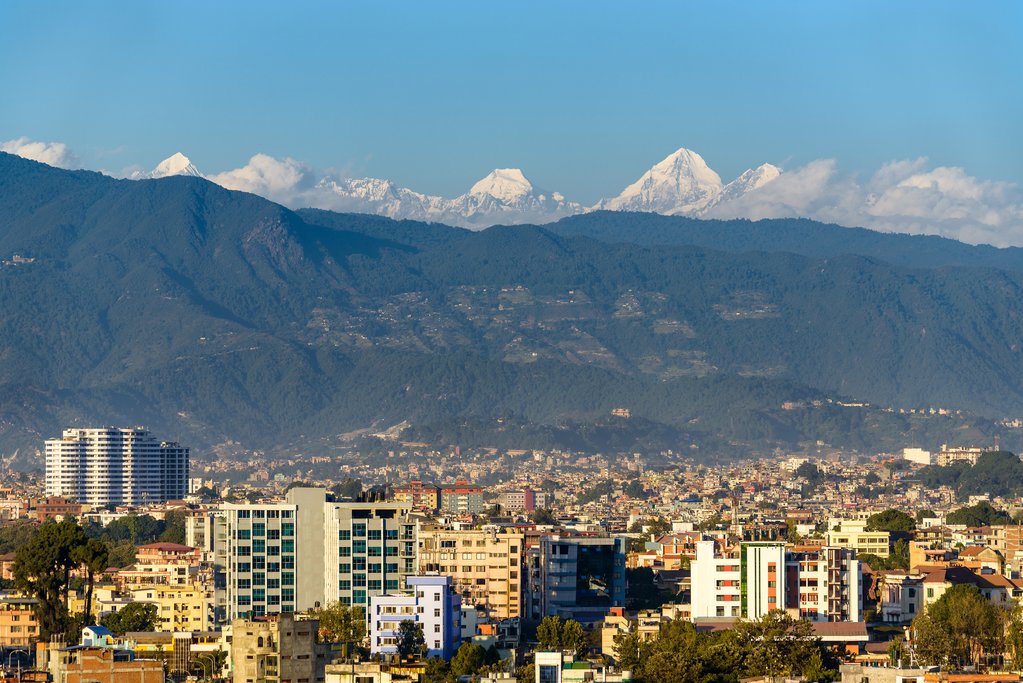
On clear days, trekkers may see impressive peaks such as Langtang, Ganesh Himal, Dorje Lakpa, Gauri Shankar, and, from suitable viewpoints and weather conditions, even Mount Everest in the distance.
The scenery changes constantly throughout the trek. Forest paths lead to open ridges, terraced hillsides give way to traditional villages, and elevated viewpoints reveal expansive views across the Kathmandu Valley and Himalayan horizon. These diverse landscapes make the trek particularly attractive to photographers and nature lovers.
The trek provides more than beautiful scenery—it is also a journey through the cultural heartland of Nepal. Along the trail, travelers can meet local communities including Tamangs, Newars, Brahmins, and other ethnic groups, each contributing to the cultural diversity of the Kathmandu Valley region.
Ancient temples, monasteries, stupas, traditional homes, local customs, and everyday village life provide opportunities to understand Nepal’s heritage beyond the major tourist centers.
Walking through these communities offers a more personal perspective on rural Nepal, while staying in local guesthouses allows travelers to experience the warmth and hospitality for which Nepal is widely known.
The Kathmandu Valley Rim Trek is generally considered a moderate short trek and can be suitable for both beginners and experienced hikers. Because the route remains at relatively lower elevations than many of Nepal’s famous Himalayan treks, it is an accessible option for travelers who want mountain scenery without spending weeks at high altitude.
However, the trek still involves uphill and downhill sections, forest trails, stone paths, and ridgeline walking. A reasonable level of fitness and comfortable hiking experience will make the journey more enjoyable.
Accommodation on the Kathmandu Valley Rim Trek 2026–2027–2028 is generally provided by local teahouses, lodges, and guesthouses. Facilities are usually simple but comfortable, with basic rooms and meals available along the route.
Staying in local accommodation also adds to the cultural experience. Travelers can enjoy traditional hospitality, interact with residents, taste local food, and experience the quieter rhythm of life outside Kathmandu.
The best seasons for the Kathmandu Valley Rim Trek are generally spring (March–May) and autumn (September–November). These periods commonly offer pleasant trekking temperatures, clearer skies, and excellent opportunities for Himalayan mountain views.
Winter (December–February) is also possible and can provide crisp mountain scenery and quieter trails. However, temperatures can be cold, especially during mornings and evenings, and higher sections may occasionally experience snowfall.
Travelers should check local weather and trail conditions before departure, particularly during periods of heavy rain or winter weather.
Enjoy breathtaking mountain scenery featuring Langtang, Ganesh Himal, Dorje Lakpa, Gauri Shankar, and potentially distant Everest views on clear days.
Walk through lush forests, terraced farmland, peaceful ridges, and charming villages while experiencing the changing landscapes around Kathmandu Valley.
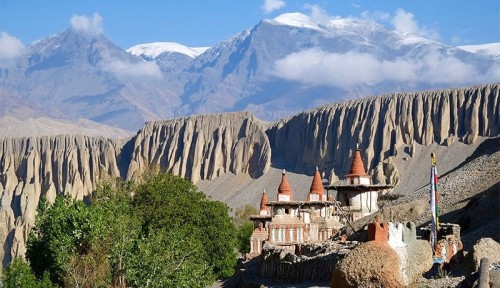
Discover ancient temples, monasteries, stupas, traditional settlements, and the everyday lifestyle of Nepal’s diverse local communities.
Sundarijal is a popular gateway for the trek and is known for its refreshing waterfall, streams, forest surroundings, and natural beauty.
Nagarkot is one of the most popular viewpoints around Kathmandu for sunrise and sunset. Spending a night here provides an opportunity to watch the Himalayan horizon change colors as the sun rises or sets.
Explore Dhulikhel, a scenic hill town known for its traditional Newari character, historic buildings, temples, narrow streets, and intricate architectural details.
The journey can culminate at Namobuddha, one of Nepal’s important Buddhist pilgrimage destinations. The area is known for its monastery, stupa, peaceful surroundings, and spiritual atmosphere. Buddhist tradition associates the site with the story of the Buddha offering his body to a starving tigress and her cubs in a previous life.
The Kathmandu Valley Rim Trek is an excellent option for travelers looking for a short Nepal adventure that combines Himalayan scenery, cultural exploration, nature, village life, and outdoor activity in a single journey.
Its proximity to Kathmandu makes it especially convenient for visitors with limited time. Instead of traveling deep into the Himalayas, trekkers can quickly reach peaceful hill trails and enjoy panoramic mountain landscapes while remaining close to the capital.
Whether you are a first-time trekker, photographer, nature enthusiast, cultural traveler, family, couple, or experienced hiker looking for a short Himalayan escape, the Kathmandu Valley Rim Trek 2026–2027–2028 provides an attractive combination of adventure and cultural discovery.
With scenic trails, traditional villages, Himalayan viewpoints, ancient heritage sites, local hospitality, Nagarkot sunrise, Dhulikhel, Sundarijal, Chisapani, and Namobuddha, this short trek offers a memorable introduction to the natural and cultural diversity surrounding Kathmandu.
Early Morning Departure from Kathmandu
Your Kathmandu Valley Rim Trek 2026–2027–2028 begins early in the morning with your departure from Kathmandu. Depending on your preference, you can travel by private vehicle or take a local bus toward Sundarijal, the starting gateway to this scenic Himalayan trail. Leaving the busy capital behind, the journey gradually takes you toward peaceful countryside and forested hills.
The drive from Kathmandu to Sundarijal generally takes around 1–1.5 hours, depending on traffic and road conditions. As the cityscape fades away, enjoy views of the surrounding hills and countryside. Sundarijal provides a refreshing contrast to Kathmandu and marks the beginning of your trekking adventure.
After arriving at Sundarijal, take a short break to stretch, prepare your trekking gear, and enjoy the natural surroundings. The area is particularly known for its waterfall, flowing streams, and lush green landscape, making it a pleasant place to begin your hike.
The trek officially starts from Sundarijal as you follow the trail toward Chisapani. The route initially climbs through beautiful forest, with a gradual uphill ascent. The peaceful surroundings, cool mountain air, birdsong, and dense vegetation create a refreshing trekking atmosphere.
As you continue higher, the trail provides an excellent introduction to the natural beauty surrounding the Kathmandu Valley.
After several hours of walking, stop for a well-deserved lunch break at a suitable location along the route. Depending on your itinerary, you can enjoy a packed lunch or visit a local teahouse for a warm and freshly prepared meal.
Take some time to rest, hydrate, and enjoy the peaceful forest surroundings before continuing toward Chisapani.
After lunch, resume your trek toward Chisapani. The trail winds through beautiful rhododendron forests, particularly attractive during Nepal’s spring flowering season. Along the way, clear weather may reveal occasional glimpses of distant Himalayan peaks.
The changing landscape, forest paths, village surroundings, and mountain atmosphere make this section a memorable part of the Kathmandu Valley Rim Trek 2026–2027–2028.
As you approach Chisapani, the landscape opens up to impressive Himalayan panoramas. Located at approximately 2,215 meters (7,265 feet), Chisapani is a picturesque hill settlement and one of the popular viewpoints around Kathmandu Valley.
Upon arrival, check into your local teahouse or lodge, settle into your room, and take some time to relax after the day's rewarding hike.
Spend a peaceful evening exploring the village and enjoying its tranquil mountain atmosphere. Take a gentle walk through the settlement, meet local residents, or simply find a viewpoint to admire the changing colors of the Himalayan sunset.
The quiet surroundings of Chisapani provide a wonderful opportunity to unwind after your first day on the trail.
End your first trekking day with a satisfying dinner at your Chisapani teahouse or lodge. Enjoy traditional Nepali cuisine and warm local hospitality before settling down for a comfortable night's rest.
After a full day of driving, hiking, forest exploration, and mountain scenery, a good night's sleep will prepare you for the next stage of your Kathmandu Valley Rim Trek 2026–2027–2028.
Chisapani to Nagarkot Trek 2026–2027–2028 | Sunrise, Villages & Himalayan Views
🌅 Sunrise over the Himalayas from Chisapani
Begin your morning early in Chisapani to witness a spectacular Himalayan sunrise. As the first rays of sunlight spread across the mountains, the snow-covered peaks glow in beautiful golden colors. It is one of the most memorable moments of the Kathmandu Valley Rim Trek. After enjoying the panoramic sunrise, return to your teahouse or lodge for a hearty breakfast before starting the day’s hike.
🥾 Trek from Chisapani to Nagarkot
After breakfast, set out from Chisapani toward Nagarkot, following a scenic trail through the peaceful countryside. The route initially descends through forested sections and traditional terraced farmland. Along the way, occasional openings in the landscape reveal beautiful views of surrounding hills, valleys, and rural settlements.
🍽️ Scenic Lunch Break
Take a relaxing lunch break at a convenient location along the trail. Depending on your itinerary, you can enjoy a packed lunch surrounded by nature or stop at a local teahouse for a freshly prepared Nepali meal. The break is also a great opportunity to rest your legs and enjoy the quiet atmosphere of the countryside.
🌿 Continue Through Villages and Landscapes
After lunch, continue your journey toward Nagarkot. The trail gradually climbs as it passes through charming villages, farmland, woodland, and peaceful rural landscapes. The changing scenery makes this section particularly enjoyable, offering plenty of opportunities for photography and short breaks. Walk at a comfortable pace and take time to appreciate the natural beauty and tranquility of the Kathmandu Valley.
🏔️ Arrive in Nagarkot
As you approach Nagarkot, the landscape opens up to impressive Himalayan panoramas. On clear days, you may see magnificent peaks such as Langtang, Ganesh Himal, and even Mount Everest in the distance. Famous for its spectacular sunrise and sunset scenery, Nagarkot is one of Nepal’s most popular hilltop destinations and an ideal overnight stop on the Kathmandu Valley Rim Trek.
🏨 Hotel or Guesthouse Check-in
After arriving in Nagarkot, check into your selected hotel, guesthouse, or teahouse. Accommodation ranges from simple and comfortable local lodges to more upscale resorts, giving travelers the flexibility to choose according to their preferred comfort level and budget. Take some time to freshen up and relax after the day’s trek.
🚶 Explore Nagarkot
Spend the remaining afternoon discovering the peaceful surroundings of Nagarkot. You can take a leisurely walk through the village, explore nearby trails, or visit the Nagarkot View Tower for expansive views across the hills and Himalayan ranges. Alternatively, simply relax at your accommodation and enjoy the fresh mountain air and serene atmosphere.
🌄 Sunset over the Himalayas
In the evening, make your way to a scenic viewpoint to watch the sunset. As the sun slowly disappears behind the Himalayan landscape, the sky changes through beautiful shades of gold, orange, pink, and purple. This peaceful mountain sunset is a highlight of the Nagarkot Trek 2026–2027–2028 and a wonderful way to end the day.
🍛 Dinner and Overnight in Nagarkot
Finish the day with a delicious dinner at your accommodation. Enjoy warm Nepali hospitality, a relaxing mountain atmosphere, and time to reflect on the day’s journey from Chisapani. After dinner, settle into your room for a comfortable overnight stay, ready for the next adventure on the Kathmandu Valley Rim Trek 2026–2027–2028.
Nagarkot to Dhulikhel Trek 2026–2027–2028 | Sunrise, Villages & Newari Culture
Wake up early in Nagarkot and begin the day with one of the region’s most spectacular natural displays—a breathtaking sunrise over the Himalayas. As the morning sun rises behind the mountains, the snow-covered peaks glow in warm golden light, creating unforgettable panoramic scenery. After enjoying the sunrise, return to your hotel or guesthouse for a delicious breakfast before setting off toward Dhulikhel.
After breakfast, start your scenic trek from Nagarkot to Dhulikhel. The trail gradually descends through peaceful countryside, passing terraced farmland, traditional villages, and lush green hillsides. The relaxed pace allows you to appreciate rural Nepal, photograph the changing landscapes, and enjoy the fresh mountain air.
Around midday, take a well-earned lunch break at a convenient location along the route or in one of the villages along the way. Travelers can enjoy a packed lunch in a scenic outdoor setting or stop at a local teahouse for a freshly prepared meal. This is a perfect opportunity to rest and experience the welcoming atmosphere of rural Nepal.
After lunch, continue walking toward Dhulikhel. The trail winds through peaceful forests, farmland, and countryside, combining gentle descents with occasional uphill sections. Along the way, keep an eye out for beautiful mountain scenery, traditional settlements, and interesting cultural landmarks that reveal the character of the Kathmandu Valley region.
As the trail approaches Dhulikhel, the atmosphere becomes increasingly charming and cultural. This historic hill town is renowned for its traditional Newari architecture, ancient temples, historic shrines, and spectacular Himalayan panoramas. The combination of heritage and mountain scenery makes Dhulikhel a memorable stop on the Kathmandu Valley Rim Trek 2026–2027–2028.
Upon reaching Dhulikhel, check into your chosen hotel or guesthouse. Accommodation options range from traditional Newari-style guesthouses to comfortable modern hotels, allowing you to select a stay that matches your travel preferences and budget. Take some time to freshen up and relax after the day’s trek.
Spend the afternoon exploring the town at your own pace. Wander through the narrow historic streets, visit ancient temples and shrines, and admire the detailed woodcarvings and traditional architecture of old Newari buildings. This cultural exploration adds an authentic local dimension to your Himalayan trekking experience.
As evening approaches, find a scenic viewpoint around Dhulikhel to watch the sunset over the mountains. The changing colors of the sky create a magical backdrop as the sun gradually disappears behind the Himalayan peaks. With clear weather, the combination of mountain silhouettes and colorful evening skies provides an unforgettable photographic moment.
Conclude your day with a satisfying dinner at your accommodation and enjoy the peaceful atmosphere of Dhulikhel. After a rewarding day of trekking, village exploration, Himalayan scenery, and Newari culture, relax and recharge for the next stage of your Kathmandu Valley Rim Trek 2026–2027–2028.
Dhulikhel to Kathmandu Drive 2026–2027–2028 | Scenic Hills to Nepal’s Capital
🌅 Peaceful Morning in Dhulikhel
Wake up in beautiful Dhulikhel and enjoy a relaxed breakfast at your hotel or guesthouse. Take a final moment to appreciate the peaceful mountain-town atmosphere before beginning the journey back to Kathmandu. The quiet morning provides a pleasant way to conclude your Kathmandu Valley Rim Trek 2026–2027–2028.
After breakfast, complete your check-out and make sure all your luggage and personal belongings are packed. Once everything is ready, begin your return journey toward Kathmandu.
Start the drive from Dhulikhel toward the Kathmandu Valley. The journey generally takes around 1.5–2 hours, depending on traffic and the selected route. As you leave the hills behind, enjoy changing views of green slopes, countryside, settlements, and the busy valley below.
After reaching Kathmandu, you will be dropped off at your hotel, accommodation, or another convenient location in the city. Take some time to freshen up, relax, and recover after the scenic journey from the hills.
If your schedule allows, you can spend the rest of the day discovering some of Kathmandu’s famous cultural and heritage attractions. Depending on your interests, visit Kathmandu Durbar Square, Swayambhunath Stupa (Monkey Temple), Boudhanath Stupa, or Pashupatinath Temple. These landmarks provide a fascinating introduction to Nepal’s history, spirituality, architecture, and living traditions.
For travelers with extra time, Kathmandu is an excellent place to shop for Nepali handicrafts, souvenirs, traditional artwork, clothing, and local products. You can also enjoy authentic Nepali cuisine at a local restaurant, café, or street-food stall. Trying traditional dishes is a delicious way to finish your Nepal adventure.
Alternatively, enjoy a quiet afternoon at your accommodation. Relax after several days of walking and take time to reflect on the memorable experiences of the Kathmandu Valley Rim Trek—from Chisapani forests and Nagarkot sunrises to Dhulikhel’s Newari heritage and Himalayan landscapes.
If this is the final day of your Nepal trip, arrange your airport transfer or onward transportation according to your departure schedule. If you have additional nights in Kathmandu, you can continue exploring the city, discover nearby cultural attractions, or join another sightseeing and cultural experience.
Your Dhulikhel to Kathmandu journey marks the successful conclusion of this scenic Himalayan adventure. From peaceful forests and traditional villages to spectacular viewpoints, ancient heritage, and vibrant Kathmandu, the trek offers a memorable combination of nature, culture, mountain scenery, and authentic Nepalese experiences in a short itinerary.
The Kathmandu Valley Rim Trek is a popular trekking route that encircles the Kathmandu Valley, offering trekkers a chance to experience the natural beauty, cultural diversity, and stunning mountain views of Nepal within close proximity to the capital city of Kathmandu. This trek typically takes 3 to 7 days to complete, depending on the specific itinerary chosen and the pace of the trekker.
During the trek, participants embark on a journey through lush forests, terraced fields, traditional villages, and scenic ridgelines. The trail passes through various ethnic communities, providing opportunities for cultural immersion and interaction with local people. Trekkers can explore ancient temples, monasteries, and stupas along the route, gaining insight into Nepal's rich cultural heritage.
Key highlights of the Kathmandu Valley Rim Trek include panoramic views of the Himalayan mountain range, including peaks such as Langtang, Ganesh Himal, Dorje Lakpa, and Gauri Shankar. Trekkers also have the chance to witness breathtaking sunrises and sunsets over the mountains from vantage points such as Nagarkot and Dhulikhel.
Accommodation options along the trekking route range from teahouses to guesthouses, providing basic amenities such as meals and lodging. The trek is considered suitable for beginners as well as experienced trekkers, with moderate difficulty level and relatively lower altitudes compared to other treks in Nepal.
Overall, the Kathmandu Valley Rim Trek offers a rewarding and unforgettable adventure, combining natural beauty, cultural exploration, and outdoor experiences in the scenic landscapes surrounding Kathmandu Valley.
The duration of the Kathmandu Valley Rim Trek can vary depending on several factors, including the specific route chosen, the pace of the trekker, and any side trips or additional activities included in the itinerary. Generally, the trek can be completed in 3 to 7 days.
Here's a rough breakdown of the duration based on common itineraries:
Shorter Trek (3-4 days):
A shorter version of the trek may cover key highlights such as Chisapani, Nagarkot, and Dhulikhel in 3 to 4 days. This condensed itinerary involves hiking for several hours each day to cover the distance between these points.
Standard Trek (5-6 days):
The standard Kathmandu Valley Rim Trek typically takes around 5 to 6 days to complete. This itinerary allows for a more relaxed pace and may include additional stops or side trips along the route, providing ample time for exploration and acclimatization.
Extended Trek (7 days or more):
Some trekkers may opt for a more leisurely pace or include extra days for side trips, cultural experiences, or rest days. An extended version of the trek could take 7 days or more, allowing for a deeper immersion into the local culture and landscape.
Ultimately, the duration of the Kathmandu Valley Rim Trek can be tailored to suit the preferences and fitness levels of the trekkers. It's essential to choose an itinerary that aligns with your interests, time constraints, and trekking experience to ensure a rewarding and enjoyable experience.
The best time to do the Kathmandu Valley Rim Trek is during the spring (March to May) and autumn (September to November) seasons. These months offer the most favorable weather conditions and provide optimal visibility for enjoying the stunning mountain views and natural beauty of the region.
Here's why these seasons are ideal for the trek:
Spring (March to May):
Spring is considered one of the best times to trek in Nepal, including the Kathmandu Valley Rim Trek. During this season, the weather is generally mild and stable, with clear skies and warm temperatures during the day.
The spring months also coincide with the blooming of rhododendrons, Nepal's national flower, adding vibrant colors to the landscape and enhancing the overall trekking experience.
Autumn (September to November):
Autumn is another popular time for trekking in Nepal, characterized by clear skies, cool temperatures, and minimal rainfall. The weather is typically dry and stable, making it ideal for outdoor activities such as trekking.
During autumn, the air is crisp and visibility is excellent, offering panoramic views of the Himalayan mountains, including peaks like Langtang, Ganesh Himal, and even Mount Everest on clear days.
Both spring and autumn provide comfortable trekking conditions, making them suitable for adventurers of all skill levels. However, it's essential to be prepared for variable weather conditions, especially at higher altitudes, and to check weather forecasts before embarking on the trek.
While trekking is possible during other times of the year, such as winter and monsoon seasons, the weather conditions may be less predictable, with colder temperatures, rain, and snow in some areas. Therefore, spring and autumn are generally recommended as the best times to undertake the Kathmandu Valley Rim Trek for the most enjoyable and rewarding experience.
Yes, the Kathmandu Valley Rim Trek is suitable for beginners, as well as for trekkers with moderate fitness levels. Here are some reasons why it is considered suitable for beginners:
Moderate Difficulty: The Kathmandu Valley Rim Trek is classified as a moderate trek, meaning it involves some uphill climbs and descents, but the overall difficulty level is manageable for most people with basic fitness levels. The altitude is relatively lower compared to other popular treks in Nepal, making it more accessible to beginners.
Shorter Duration: The trek can typically be completed in 3 to 7 days, depending on the specific itinerary chosen. Shorter itineraries may involve hiking for several hours each day, but they still provide enough time to cover the distance comfortably without being overly strenuous.
Well-Marked Trails: The trails along the Kathmandu Valley Rim Trek are well-marked and relatively easy to navigate, reducing the likelihood of getting lost, especially for beginners who may not have extensive trekking experience.
Cultural Experience: The trek offers opportunities for cultural immersion and interaction with local communities along the route. This aspect of the trek can be enriching and enjoyable for beginners who are interested in experiencing the cultural heritage of Nepal.
Scenic Beauty: Despite its moderate difficulty level, the Kathmandu Valley Rim Trek offers stunning views of the Himalayas, lush forests, terraced fields, and traditional villages. The natural beauty of the landscape provides motivation and reward for beginners as they progress along the trekking route.
Supportive Infrastructure: Along the trekking route, there are accommodation options available, ranging from teahouses to guesthouses, providing basic amenities such as meals and lodging. This infrastructure makes the trek more accessible and comfortable for beginners, as they can rest and recharge each day.
While the Kathmandu Valley Rim Trek is suitable for beginners, it's essential to prepare adequately before undertaking the trek. This includes building up your fitness levels through regular exercise, ensuring you have appropriate trekking gear and clothing, and acclimatizing to the altitude gradually. Additionally, it's advisable to consult with a local guide or trekking agency for guidance and support during the trek. With proper preparation and a positive attitude, beginners can enjoy a memorable and rewarding experience on the Kathmandu Valley Rim Trek.
The accommodations during a trek can vary widely depending on the location, difficulty level, and the type of trek you're undertaking. Here's a general overview of the types of accommodations you might encounter:
Teahouses/Lodges: In many popular trekking destinations such as the Himalayas or the Andes, teahouses or lodges are commonly found along trekking routes. These are basic accommodations offering rooms with beds or mattresses, often with shared bathrooms. Some teahouses also have dining areas where trekkers can enjoy meals and socialize with other travelers.
Camping: For more remote or less developed trekking routes, camping may be the only option for accommodation. Trekkers carry their own tents and camping equipment and set up camp at designated sites along the trail. Camping allows for a more immersive experience in nature but requires more preparation and self-sufficiency.
Guesthouses/Homestays: In some regions, particularly in rural areas, trekkers may have the option to stay in guesthouses or homestays with local families. This provides an opportunity to experience the local culture and hospitality firsthand. Accommodations in guesthouses or homestays can range from simple rooms to more comfortable accommodations, depending on the location.
Mountain Huts/Refuges: In mountainous regions such as the Alps, mountain huts or refuges are available for trekkers. These are basic shelters located at higher elevations, offering dormitory-style accommodation and sometimes meals. Mountain huts provide a convenient place for trekkers to rest and seek shelter, especially in alpine environments where weather conditions can be unpredictable.
Luxury Lodges: In some popular trekking destinations, such as parts of Nepal, there are also luxury lodges available along certain trekking routes. These lodges offer more comfortable accommodations with private rooms, hot showers, and sometimes even amenities like WiFi and spa facilities. Luxury lodges cater to trekkers who prefer more comfort and convenience during their trekking experience.
It's essential to research the specific trek you plan to undertake to understand the available accommodations and plan accordingly. Additionally, booking accommodations in advance may be necessary, especially during peak trekking seasons when accommodations can fill up quickly.
permits are typically required for the Kathmandu Valley Rim Trek. This trek is a relatively short and less remote trek compared to others in Nepal, and it doesn't venture into restricted areas or national parks that typically require permits.
However, regulations and requirements can change, so it's essential to double-check with the latest information from reliable sources such as the Nepal Tourism Board or local trekking agencies before embarking on the trek. Even if permits are not required for the trek itself, it's essential to ensure you have any necessary permits for side trips or visits to specific cultural or natural sites along the way. Additionally, having the necessary permits for trekking in Nepal, such as the TIMS (Trekkers' Information Management System) card, is generally recommended for trekking in the country.
Packing for the Kathmandu Valley Rim Trek requires careful consideration of the terrain, weather conditions, and the duration of your trek. Here's a general packing list to help you prepare:
Clothing:
Moisture-wicking base layers
Insulating layers such as fleece or down jacket
Waterproof and windproof outer shell jacket and pants
Quick-drying trekking pants and shorts
Long-sleeved shirts
T-shirts
Warm hat and gloves
Sun hat or cap
Undergarments and socks (wool or synthetic)
Comfortable hiking boots or shoes with good ankle support
Sandals or flip-flops for wearing around the teahouses or campsites
Gear:
Backpack (appropriate size for carrying your gear and essentials)
Sleeping bag suitable for the expected temperatures
Trekking poles for added stability and support
Headlamp or flashlight with extra batteries
Sunglasses with UV protection
Water bottles or hydration system
Personal first aid kit with any necessary medications
Sunscreen and lip balm with SPF
Insect repellent
Multi-tool or knife
Lightweight and quick-drying towel
Camera or smartphone for capturing memories
Trekking map or guidebook
Whistle and emergency signaling device
Miscellaneous:
Cash in Nepali rupees for purchasing meals, snacks, and souvenirs along the way (ATMs may not be available in remote areas)
Passport and any necessary permits or identification
Travel insurance documents
Toiletries (toothbrush, toothpaste, biodegradable soap, hand sanitizer, etc.)
Wet wipes or toilet paper (carry out any used items)
Plastic bags for organizing and waterproofing your belongings
Lightweight and compact trekking guidebook or journal
Snacks such as energy bars, nuts, or dried fruits for quick energy boosts
Optional Items:
Lightweight camp stove and cookware if you plan to camp or prefer to prepare your meals
Portable solar charger or power bank for charging electronic devices
Book or e-reader for leisure time
Trekking poles
Binoculars for wildlife and scenic viewing
Portable water purification or filtration system
Remember to pack light but efficiently, as you'll be carrying everything you bring with you throughout the trek. Additionally, consider the season and weather conditions when packing and be prepared for sudden changes in weather, especially in mountainous regions like Nepal.
Yes, there are several cultural considerations to keep in mind while trekking in Nepal, including the Kathmandu Valley Rim Trek:
Respect Local Customs and Traditions: Nepal is a culturally diverse country with a rich tapestry of traditions and customs. It's important to respect the local culture and traditions of the communities you encounter along the trek. This includes being mindful of dress codes, particularly when visiting religious sites or entering villages.
Greetings: Nepali people typically greet each other with the traditional "Namaste" gesture, where palms are pressed together in front of the chest and a slight bow is made. It's polite to reciprocate this greeting when interacting with locals.
Dress Modestly: While trekking, it's advisable to dress modestly, particularly when passing through villages or religious sites. Avoid wearing revealing clothing, and consider covering your shoulders and knees out of respect for local customs.
Ask for Permission Before Taking Photos: Always ask for permission before taking photos of individuals, particularly locals you encounter along the trek. Respect their privacy and be mindful of cultural sensitivities.
Remove Shoes Before Entering Homes or Temples: In many Nepali homes and religious sites, it's customary to remove your shoes before entering as a sign of respect. Be sure to follow this practice when visiting local homes or temples along the trek.
Avoid Pointing with Your Finger: In Nepali culture, pointing at someone or something with your finger is considered impolite. Instead, it's customary to gesture with your chin or use an open hand to indicate direction.
Respect Religious Sites and Symbols: Nepal is predominantly Hindu and Buddhist, and you'll encounter many temples, stupas, and religious symbols along the trek. Show respect for these sacred sites by refraining from touching religious objects, refraining from displaying public affection, and maintaining a quiet and respectful demeanor.
Be Mindful of Waste Management: Practice responsible waste management by disposing of trash properly and avoiding littering. Carry out any non-biodegradable waste and be mindful of the environmental impact of your trekking activities.
By being aware of and respecting these cultural considerations, you can ensure a more enriching and respectful trekking experience in Nepal. Additionally, being open-minded and willing to learn about the local culture and customs can enhance your overall journey.
Four days in Kathmandu can provide you with a good introduction to the city and its main attractions, but whether it's enough depends on your interests and how much you want to explore.
While four days can give you a taste of Kathmandu's highlights, there's much more to see and do in the city and its surrounding areas. If you have more time, consider extending your stay to further explore the rich cultural heritage, natural beauty, and adventure opportunities that Nepal has to offer.
The Ghorepani Poon Hill Trek offers breathtaking mountain scenery, cultural immersion in local Gurung and Magar villages, and a relatively short duration suitable for trekkers with limited time. However, it's essential to note that the trek involves some steep ascents and descents, so a moderate level of fitness is recommended.
Additionally, while this itinerary provides a basic outline, trekking times and routes may vary depending on individual preferences, weather conditions, and other factors. Always check the latest information and consult with experienced guides or trekking agencies for the most up-to-date advice and assistance.
One of the shortest treks you can do from Kathmandu is the Nagarkot to Dhulikhel trek. This trek offers beautiful views of the Himalayas and takes you through charming villages and lush countryside, all within a short distance from Kathmandu. The trek typically takes 2-3 days to complete, making it an ideal option for those with limited time. Here's a basic itinerary for the Nagarkot to Dhulikhel trek:
Day 1: Kathmandu to Nagarkot
Start your journey from Kathmandu and drive to Nagarkot, a scenic hill station located about 32 kilometers east of Kathmandu.Nagarkot is famous for its panoramic views of the Himalayas, including Mount Everest on a clear day.Upon arrival in Nagarkot, explore the area and enjoy the stunning sunset views over the mountains.Overnight stay in Nagarkot.
Day 2: Nagarkot to Dhulikhel
Wake up early to catch the sunrise over the Himalayas from Nagarkot's viewpoint.
After breakfast, begin your trek from Nagarkot to Dhulikhel. The trekking trail takes you through terraced fields, pine forests, and traditional Nepali villages.Enjoy the peaceful surroundings and scenic landscapes as you make your way to Dhulikhel.Upon reaching Dhulikhel, explore the town and visit its ancient temples, shrines, and old Newari houses.Overnight stay in Dhulikhel.
Day 3: Dhulikhel to Kathmandu
Wake up early to catch the sunrise over the Himalayas from Dhulikhel.After breakfast, you have the option to explore more of Dhulikhel or simply relax and enjoy the views.Later, drive back to Kathmandu to conclude the trek.The Nagarkot to Dhulikhel trek offers a refreshing escape from the hustle and bustle of Kathmandu and provides stunning mountain views and cultural experiences in a short period. It's relatively easy and suitable for trekkers of all levels, including beginners. Additionally, the trek is easily accessible from Kathmandu, making it a convenient option for those with limited time.
The duration of a Kathmandu trip can vary depending on your interests, available time, and what you want to experience in the city and its surrounding areas. Here are some considerations for planning the duration of your Kathmandu trip:
City Sightseeing: If you're primarily interested in exploring the cultural and historical attractions within Kathmandu city, you could spend 2-3 days visiting places like Kathmandu Durbar Square, Swayambhunath Stupa (Monkey Temple), Pashupatinath Temple, Boudhanath Stupa, and Patan Durbar Square. This duration allows you to explore the main highlights of the city at a leisurely pace.
Day Trips: Kathmandu serves as a gateway to several nearby destinations that are perfect for day trips, such as Bhaktapur, Patan, Nagarkot, and Dhulikhel. Adding a day or two for these excursions allows you to experience more of the Kathmandu Valley's cultural heritage, scenic landscapes, and traditional villages.
Outdoor Activities: If you're interested in outdoor adventures such as trekking, mountain biking, or river rafting, you may want to allocate additional time for these activities. Depending on the duration and difficulty level of your chosen adventure, you may need anywhere from a few days to a couple of weeks.
Shopping and Leisure: Kathmandu is known for its vibrant markets, where you can shop for handicrafts, souvenirs, clothing, and other local products. You may want to dedicate some time for shopping and leisure activities, such as exploring the narrow streets of Thamel, dining at local restaurants, or attending cultural performances.
Based on these considerations, a typical Kathmandu trip could range from 3-7 days or more, depending on your preferences and available time. Whether you're planning a short city break or a more extensive exploration of the Kathmandu Valley and its surroundings, it's essential to prioritize your interests and activities to make the most of your time in this culturally rich and diverse destination.
The shortest trek from Kathmandu in Nepal is probably the Kathmandu Valley Rim Trek. It typically takes around 3 to 5 days and offers a glimpse of the beautiful landscapes and cultural diversity of the Kathmandu Valley. This trek usually starts and ends in Kathmandu, making it convenient for travelers who have limited time.
The trek starts from Nagarkot, a hill station known for its stunning sunrise views over the Himalayas, and ends at Changu Narayan, a UNESCO World Heritage Site with an ancient temple. This trek offers beautiful views of the Himalayan range, lush forests, and traditional villages, making it a popular choice for those with limited time.
The best time to do the Chisapani Nagarkot trek is during the spring (March to May) and autumn (September to November) seasons. These months offer the most favorable weather conditions and are considered the peak trekking seasons in Nepal for several reasons:
Spring (March to May):
Spring in Nepal brings mild temperatures, blooming rhododendron forests, and clear skies, making it an ideal time for trekking.
The weather is generally stable, with comfortable daytime temperatures and relatively low precipitation levels.
You'll have excellent visibility of the surrounding mountains, including views of the Himalayan peaks from vantage points along the trekking route.
Autumn (September to November):
Autumn is another popular trekking season in Nepal, characterized by clear skies, mild temperatures, and minimal rainfall.
The post-monsoon period brings crisp air and stunning mountain views, making it an ideal time for trekking and outdoor activities.
The trails are usually dry and well-defined, making for pleasant trekking conditions and excellent photo opportunities.
Both spring and autumn offer comfortable temperatures during the day and cooler nights, making for enjoyable trekking experiences without the extremes of heat or cold. Additionally, these seasons coincide with major festivals and cultural celebrations in Nepal, providing an opportunity to experience the local culture and traditions along the trekking route.
While spring and autumn are considered the best times for the Chisapani Nagarkot trek, it's essential to note that the weather in the mountains can be unpredictable, and conditions may vary from year to year. It's always a good idea to check the weather forecast and trail conditions before embarking on your trek and to be prepared for changes in weather patterns, especially at higher elevations.
The Chisapani Nagarkot trek is generally considered to be of moderate difficulty. Here are some factors to consider when assessing the difficulty level of this trek:
Trail Terrain: The trek involves hiking along well-defined trails that traverse through forests, terraced fields, and rural villages. While the paths are generally well-maintained, there are sections with steep ascents and descents, as well as occasional rocky or uneven terrain.
Altitude: Although Chisapani and Nagarkot are not at very high altitudes compared to some other trekking destinations in Nepal, there is still some elevation gain and loss along the trek. Chisapani is situated at an altitude of approximately 2,215 meters (7,267 feet), while Nagarkot sits at around 2,175 meters (7,135 feet) above sea level. Trekkers should be aware of the potential effects of altitude and acclimatize accordingly.
Duration and Distance: The Chisapani Nagarkot trek typically takes 2-3 days to complete, covering a distance of approximately 25-30 kilometers (15-18 miles) depending on the specific route taken. While this is relatively short compared to longer treks in Nepal, it still requires a moderate level of physical fitness and endurance, particularly due to the uphill climbs and long hours of walking each day.
Weather Conditions: The weather can also impact the difficulty of the trek, with conditions ranging from hot and sunny to cold and rainy depending on the season. Trekkers should be prepared for varying weather conditions and dress accordingly, especially during the monsoon season when trails may become muddy and slippery.
Beginners may find this trek manageable with proper preparation and pacing, while experienced trekkers may enjoy the scenic views and cultural experiences along the route. As always, it's recommended to consult with experienced guides or trekking agencies for personalized advice and assistance before embarking on any trek in Nepal.
Overall, while the Chisapani Nagarkot trek is suitable for trekkers of moderate fitness levels, it's essential to be adequately prepared, both physically and mentally, for the challenges of hiking in the Himalayan foothills.
Essential items to pack for the Chisapani Nagarkot trek include sturdy hiking boots, weather-appropriate clothing layers, a daypack, water bottles, snacks, a first-aid kit, sunscreen, a hat, sunglasses, a camera, and personal toiletries. It's also advisable to carry a refillable water bottle and water purification tablets.
Chisapani is situated at an altitude of approximately 2,215 meters (7,267 feet) above sea level, while Nagarkot sits at around 2,175 meters (7,135 feet) above sea level. These elevations are relatively moderate and generally do not pose significant altitude-related challenges for most trekkers.
However, it's still essential to be aware of the potential effects of altitude and to acclimatize accordingly, especially if you are sensitive to changes in elevation. While these altitudes are not extremely high compared to some other trekking destinations in Nepal, it's always a good idea to monitor your physical condition and take appropriate precautions to prevent altitude sickness.
The shortest trek from Kathmandu in Nepal is likely the Nagarkot to Changu Narayan trek. It's a relatively easy trek that can typically be completed in a day, making it popular among travelers who have limited time or want a brief trekking experience. The trek offers stunning views of the Himalayas and passes through scenic countryside and traditional villages.
The amount of time required to explore Kathmandu depends on your interests and how in-depth you want to explore the city. However, a typical visit usually lasts around 3 to 5 days to cover the major attractions and get a good feel for the city's culture, history, and cuisine.
This timeframe allows you to visit iconic sites like Durbar Square, Swayambhunath (Monkey Temple), Boudhanath Stupa, Pashupatinath Temple, and perhaps take a day trip to nearby places like Bhaktapur or Patan. Additionally, it gives you some flexibility to explore local markets, try different restaurants, and immerse yourself in the vibrant atmosphere of Kathmandu.
For beginners in trekking, the Ghorepani Poon Hill trek is often recommended as one of the best options in Nepal. Here's why:
Moderate Difficulty: The Ghorepani Poon Hill trek is considered relatively easy compared to other treks in Nepal. It involves moderate walking and doesn't require previous trekking experience or technical skills.
Short Duration: The trek typically takes around 4 to 5 days to complete, making it ideal for beginners who may not want to commit to longer, more strenuous treks.
Scenic Views: Despite its shorter duration, the trek offers stunning views of the Annapurna and Dhaulagiri mountain ranges, including the iconic sunrise view from Poon Hill.
Cultural Experience: Along the way, trekkers have the opportunity to interact with local communities, experience the unique culture of the Gurung and Magar ethnic groups, and visit traditional villages.
Well-Established Route: The trail is well-marked and well-traveled, with tea houses and lodges available for accommodation along the route. This makes it easier for beginners to navigate and plan their trek without needing extensive logistical support.
Overall, the Ghorepani Poon Hill trek offers a perfect introduction to trekking in Nepal, combining manageable difficulty with breathtaking scenery and cultural immersion.
The Nagarkot to Changunarayan trek is one of the easiest treks near Kathmandu. It's a relatively short trek that takes around 4-6 hours to complete, depending on your pace. The trail offers beautiful views of the Himalayas, lush forests, and traditional Nepali villages. It starts from Nagarkot, a popular hill station, and ends at the ancient temple of Changunarayan. The trek is suitable for beginners and doesn't require much prior trekking experience.
In the heart of the Kathmandu Valley, where ancient temples meet emerald hills, several short treks offer a serene escape into nature. The Chisapani Nagarkot Trek is a delightful journey, winding through peaceful forests and terraced farmlands, with each step revealing panoramic views of the snow-capped Himalayas. The Shivapuri Hike, just on the outskirts of the city, leads you through dense woodlands to the summit of Shivapuri Hill, where the air is crisp and the mountains stand tall against the sky. For those seeking a blend of culture and nature, the kathmandu valley Rim Trek offers a gentle ascent through rhododendron forests, culminating in views that sweep across the valley. These treks, though short, are steeped in the tranquil beauty that makes Kathmandu a gateway to the sublime.