Makalu Base Camp Trek 2027–2028: An Unforgettable Journey into Nepal’s Remote Himalayas
The Makalu Base Camp Trek 2027–2028 is an extraordinary high-altitude adventure to the foot of Mount Makalu (8,485 m), the fifth-highest mountain in the world. This spectacular journey takes you deep into the remote wilderness of Makalu-Barun National Park and Conservation Area, where towering Himalayan peaks, pristine forests, traditional villages, dramatic valleys, and rugged high-altitude landscapes create an unforgettable trekking experience. Reaching Makalu Base Camp is a remarkable achievement for experienced trekkers seeking a challenging and less-crowded alternative to Nepal’s more popular Himalayan routes.
The Makalu region is famous for its remote trails, peaceful surroundings, and authentic Himalayan character. As the trail climbs from lower valleys toward the high mountains, you will experience an incredible transformation of landscapes—from traditional terraced farmland and rural settlements to dense rhododendron forests, alpine meadows, rocky valleys, glaciers, and snow-covered peaks. The quiet atmosphere and limited number of trekkers make this route particularly appealing to travelers who want to disconnect from busy tourist trails and experience the raw beauty of the Himalayas.
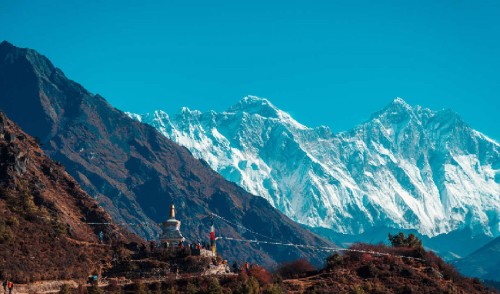
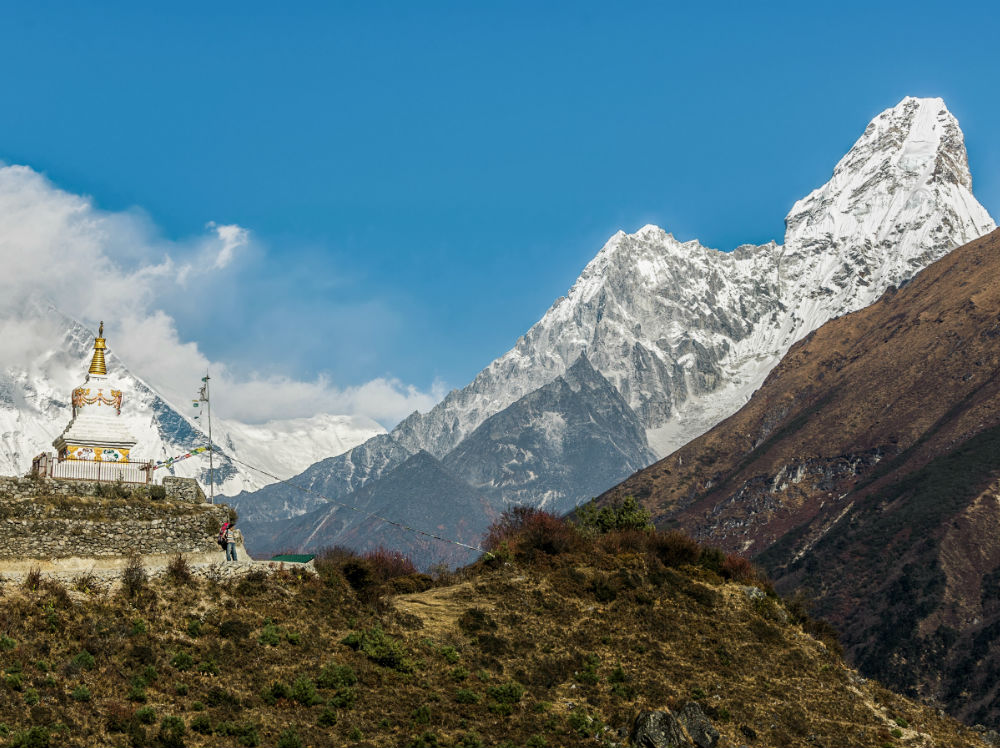
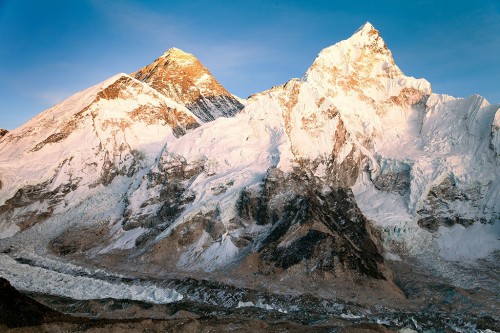
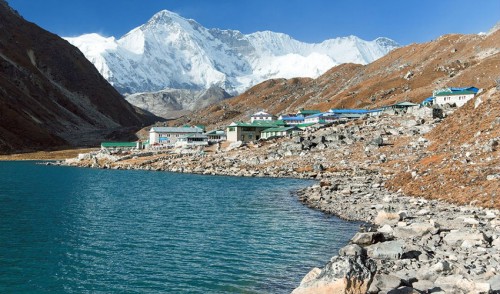
The scenery is one of the greatest rewards of the Makalu Base Camp Trek. Along the route, magnificent Himalayan peaks dominate the horizon, while the remote landscapes provide extraordinary opportunities for photography and exploration. Depending on weather and visibility, trekkers can admire Makalu, Everest, Lhotse, Chamlang, Kanchenjunga, and other impressive Himalayan summits. The dramatic combination of towering mountains, glaciers, deep valleys, waterfalls, and alpine terrain makes every stage of the trek visually spectacular.
The diversity of the Makalu region is truly remarkable. The journey begins among green hills and traditional terraced farms, then gradually enters dense forests filled with rhododendrons and other Himalayan vegetation. As you gain elevation, the environment changes into increasingly rugged alpine and glacial landscapes. The Makalu-Barun National Park is also renowned for its exceptional biodiversity, providing habitat for rare Himalayan wildlife, including the elusive red panda and other high-altitude species.
The Makalu Base Camp Trek 2027–2028 is not an easy walking holiday. Its remote location, steep ascents and descents, rugged trails, long trekking days, and high elevations make it a demanding Himalayan adventure. Good physical fitness, appropriate trekking equipment, proper acclimatization, and careful preparation are essential for enjoying the journey safely and comfortably. For experienced trekkers who embrace physical challenges and wilderness exploration, however, the demanding terrain is an important part of the adventure.
Because the Makalu Base Camp route is remote and considerably less developed than Nepal’s major trekking corridors, traveling with an experienced local trekking agency and professional guide can make a significant difference. A knowledgeable local team can assist with route planning, permits, accommodation, acclimatization, logistics, local communication, safety, and emergency support. Carefully designed itineraries also allow trekkers to experience the region at a suitable pace while maximizing opportunities to enjoy its scenery and culture.
The Makalu Base Camp Trek 2027–2028 brings together many of the experiences that make Nepal an exceptional trekking destination: spectacular mountain scenery, remote trails, traditional villages, terraced farmland, colorful rhododendron forests, rare wildlife, glaciers, and magnificent peaks rising above 8,000 meters. It is a journey for travelers who want to go beyond the standard Himalayan routes and discover a quieter, wilder, and more authentic side of Nepal.
For experienced trekkers searching for remote trekking in Nepal, challenging high-altitude adventures, pristine Himalayan landscapes, and an authentic wilderness experience, the Makalu Base Camp Trek is an outstanding choice. With professional local guidance, thoughtful preparation, and responsible trekking practices, your journey to the base of the world's fifth-highest mountain can become one of the most rewarding adventures of 2027–2028.

The Makalu Base Camp Trek 2027–2028 is an unforgettable journey into one of Nepal’s most remote and spectacular Himalayan regions. From Makalu Base Camp, trekkers can enjoy remarkable views of Mount Makalu, Lhotse, Chamlang, and the rarely seen eastern Kangshung Face of Mount Everest. On exceptionally clear days, the panorama extends toward Kanchenjunga in eastern Nepal, creating an extraordinary mountain spectacle far from the crowds of Nepal’s more popular trekking routes.
The adventure also takes you deep into Makalu-Barun National Park, a remarkable protected area covering approximately 2,330 square kilometers and renowned for its exceptional biodiversity. The park provides habitat for rare Himalayan wildlife and plants, including the elusive red panda. As the trail climbs from lower valleys toward the high Himalayas, the landscape transforms dramatically—from green terraced farmland and dense forests to waterfalls, rugged valleys, alpine meadows, glaciers, and spectacular high-altitude terrain.
The Makalu Base Camp Trek route begins with a scenic domestic flight from Kathmandu to Tumlingtar, followed by a drive toward the trailhead at Sedua. From there, the trek gradually climbs through remote villages, forests, alpine landscapes, and high mountain terrain before reaching the spectacular Makalu Base Camp.
The adventure begins with a scenic flight from Kathmandu to Tumlingtar. After arriving at Tumlingtar, continue by road toward Sedua, situated at approximately 1,700 meters. The journey introduces you to the rural landscapes and remote valleys of eastern Nepal.
From Sedua, the trail climbs toward Tashigaon, a traditional mountain settlement surrounded by green hills and forested landscapes. The route provides an early introduction to the local culture and changing Himalayan scenery.
The trail continues upward from Tashigaon toward Kauma. As elevation increases, the surrounding vegetation and landscape begin to change, providing increasingly dramatic mountain views.
From Kauma, the route enters more rugged and remote terrain as it climbs toward Mumbuk at around 3,500 meters. Dense forests, steep trails, and dramatic mountain landscapes characterize this section of the trek.
The trail continues through remote Himalayan wilderness toward Nehe Kharka. The increasing altitude brings cooler conditions and increasingly impressive alpine scenery.
This is one of the more demanding sections of the journey as the trail climbs toward Shershon at approximately 4,720 meters. The landscape becomes distinctly high alpine, with rugged mountains and expansive Himalayan views.
The ultimate objective comes into view as you trek from Shershon to Makalu Base Camp, situated at approximately 4,850 meters. Reaching base camp is a major achievement, rewarded by magnificent views of Mount Makalu, surrounding glaciers, high mountain valleys, and the spectacular Himalayan skyline.
Spend time exploring and appreciating the extraordinary surroundings of Makalu Base Camp. The remote location, towering peaks, glaciers, and dramatic landscapes create exceptional opportunities for photography and experiencing the raw beauty of the Himalayas.
After exploring base camp, begin the return journey through the high Himalayan landscape toward Nehe Kharka and the Shipton La/Dobate area. This section provides another opportunity to appreciate the rugged beauty of the Makalu region from a different perspective.
Continue descending through the mountain wilderness toward Sedua, retracing sections of the spectacular trail while enjoying changing scenery as the altitude decreases.
From Sedua, travel by local transportation toward Mure and onward to Tumlingtar. The journey gradually leaves the high Himalayan environment behind and returns toward the lower valleys of eastern Nepal.
Complete the adventure with a domestic flight from Tumlingtar back to Kathmandu. As the aircraft leaves the eastern Himalayan region, you can reflect on an extraordinary journey through one of Nepal’s most remote and spectacular trekking destinations.
The Makalu Base Camp Trek 2027–2028 is ideal for experienced trekkers searching for a combination of remote Himalayan adventure, spectacular mountain views, authentic culture, rare wildlife, and peaceful wilderness trails. Its dramatic transition from terraced farmland to glaciers, its remarkable biodiversity, and its extraordinary views toward Makalu, Everest, Lhotse, Chamlang, and Kanchenjunga make it one of Nepal’s most rewarding high-altitude trekking experiences.
With proper preparation, professional guide support, appropriate acclimatization, and responsible trekking practices, the Makalu Base Camp journey offers an authentic Himalayan experience well suited to travelers who want to go beyond Nepal’s conventional trekking routes and discover the wild, remote, and breathtaking side of the Himalayas in 2027–2028.
Nepal introduced a major trekking regulation effective April 1, 2023, requiring independent foreign trekkers on designated trekking routes to use a licensed trekking guide and obtain the applicable trekking documentation rather than trekking independently. The policy was introduced by the Nepal Tourism Board in coordination with relevant trekking and tourism stakeholders, primarily to improve trekker safety, emergency response, and monitoring in Nepal’s mountain regions. Travelers planning the Makalu Base Camp Trek 2027–2028 should therefore arrange a licensed guide through a registered trekking agency before beginning their journey.
While the regulation has received criticism from some trekking and tourism professionals who argue that it limits the freedom traditionally associated with independent trekking, the requirement is particularly relevant on remote routes such as Makalu. The region has challenging terrain, limited communication, changing mountain weather, and fewer facilities than Nepal’s major trekking destinations. Traveling with an experienced guide can provide valuable support with navigation, accommodation, altitude management, local communication, permits, and emergency situations.
The Makalu Base Camp Trek 2027–2028 is one of Nepal’s most spectacular and demanding wilderness journeys. Located in eastern Nepal, the route leads deep into the remarkable Makalu-Barun National Park, combining extraordinary mountain scenery, remote Himalayan villages, high-altitude landscapes, and an authentic off-the-beaten-path trekking experience.
Unlike the heavily traveled Everest and Annapurna routes, the Makalu region offers a greater feeling of wilderness and solitude. The combination of challenging trails, dramatic Himalayan landscapes, rich biodiversity, and traditional mountain communities makes this trek an outstanding choice for experienced trekkers seeking a genuine Himalayan adventure.
One of the biggest attractions of the Makalu Base Camp Trek is its spectacular mountain panorama. The journey provides opportunities to admire Mount Makalu, the world's fifth-highest mountain, along with magnificent Himalayan peaks including Everest, Lhotse, Chamlang, and other surrounding summits.
The scenery changes dramatically throughout the journey. Trekkers pass through lush forests, steep valleys, terraced landscapes, alpine meadows, rocky mountain terrain, glacier-carved valleys, and high Himalayan passes. This extraordinary variety makes the trek especially appealing to photographers, nature lovers, and adventure travelers looking for diverse landscapes in a single trekking itinerary.
A major highlight of this adventure is trekking through Makalu-Barun National Park, one of Nepal's spectacular protected mountain environments. The park is renowned for its remarkable biodiversity, dramatic landscapes, forests, alpine ecosystems, and remote valleys.
Trekkers may encounter diverse Himalayan flora and fauna during the journey, with the region providing habitat for wildlife such as the red panda, snow leopard, Himalayan black bear, and numerous Himalayan bird species. Although wildlife sightings are never guaranteed, traveling through such a rich natural environment adds another fascinating dimension to the Makalu Base Camp experience.
The trek is not only about mountains and wilderness; it also offers meaningful cultural encounters. Along the route, trekkers pass through remote settlements where communities including Sherpas, Rais, Limbus, and other local ethnic groups maintain distinctive traditions and lifestyles.
Staying in local villages and interacting respectfully with residents provides insight into Himalayan hospitality, traditional architecture, food, customs, and mountain life. These cultural experiences make the Makalu Base Camp Trek 2027–2028 much more than a physical journey—they create an opportunity to connect with the people and heritage of one of Nepal's remote mountain regions.
The Makalu Base Camp route is considered a demanding trek because of its rugged terrain, substantial elevation changes, and high mountain passes. Depending on the itinerary and route variation, trekkers may cross challenging passes such as Shipton La and Keke La, where steep ascents, changing weather, and high altitude require careful preparation.
Strong physical fitness, appropriate trekking equipment, gradual altitude gain, and proper acclimatization are essential. Trekkers should follow their guide's recommendations and allow sufficient time for the body to adjust to increasing elevation. The challenging nature of the route is precisely what makes reaching Makalu Base Camp such a rewarding achievement.
The ultimate objective of the trek is Makalu Base Camp, located at approximately 4,800 meters, depending on the exact route and itinerary. Reaching the base camp provides an unforgettable opportunity to stand beneath the imposing southern face of Mount Makalu and experience the extraordinary scale of the surrounding Himalayan wilderness.
The dramatic mountain walls, glaciers, rocky landscapes, and expansive alpine scenery create exceptional opportunities for photography and quiet reflection. After days of demanding trekking, arriving at Makalu Base Camp becomes one of the defining moments of the entire journey.
For travelers searching for remote trekking in Nepal, the Makalu Base Camp Trek 2027–2028 offers an excellent alternative to the country's busiest Himalayan routes. Compared with popular journeys such as the Everest Base Camp Trek and Annapurna Circuit Trek, the Makalu route generally provides a quieter and more wilderness-focused experience.
Its remoteness means fewer trekkers, simpler facilities, longer walking days, and a stronger sense of exploration. For experienced adventurers who value solitude, pristine landscapes, cultural authenticity, and challenging mountain trails, the Makalu Base Camp Trek 2027–2028 stands among Nepal's most rewarding wilderness trekking experiences.
If you are planning the Makalu Base Camp Trek 2027–2028, advance preparation is essential. Arrange the required permits and documentation, choose a reputable trekking agency, travel with a qualified guide, prepare appropriate high-altitude equipment, and make sure your travel insurance covers trekking and emergency evacuation at the required elevation.
With professional support, careful acclimatization, responsible trekking practices, and good physical preparation, the Makalu Base Camp Trek offers an extraordinary combination of Mount Makalu views, remote Himalayan wilderness, high-altitude adventure, rich biodiversity, authentic culture, and peaceful mountain trails. For trekkers seeking a challenging and less-crowded Himalayan experience, Makalu Base Camp can be the adventure of a lifetime.
The Makalu Base Camp Trek 2027–2028 is an exceptional choice for experienced trekkers looking for a challenging, remote, and genuinely off-the-beaten-path Himalayan adventure. Far from Nepal’s busiest trekking trails, this spectacular journey takes you deep into pristine mountain wilderness, where rugged landscapes, dramatic Himalayan scenery, and peaceful trails create an unforgettable sense of exploration and solitude.
One of the greatest attractions of the Makalu Base Camp Trek is its extraordinary diversity of landscapes and mountain views. The trail leads through lush subtropical forests, rhododendron and alpine vegetation, deep valleys, dramatic rocky terrain, and high-altitude meadows before reaching the remote base camp of Mount Makalu, the fifth-highest mountain in the world. Panoramic views of Makalu and surrounding Himalayan peaks make this trek particularly rewarding for adventure travelers and photographers.
The Makalu Base Camp Trek 2027–2028 is designed for trekkers who want more than a conventional Himalayan holiday. The route is remote, physically demanding, and considerably less crowded than the Everest and Annapurna regions. Long trekking days, steep ascents, high mountain passes, rugged trails, and changing weather conditions add a genuine sense of adventure. For experienced hikers seeking solitude and untouched Himalayan landscapes, this is one of Nepal’s most rewarding wilderness treks.
The journey also provides meaningful opportunities to experience the traditional lifestyles of communities living in the remote Himalayan foothills and mountain valleys. Depending on the route, trekkers can encounter Sherpa, Rai, and other local communities, each with distinctive traditions, languages, architecture, festivals, and ways of life. Staying in local villages and interacting respectfully with residents adds an important cultural dimension to the Makalu Base Camp adventure.
Because the trail reaches significant elevations, proper acclimatization is essential. A well-planned Makalu Base Camp itinerary allows trekkers to gain altitude gradually and includes appropriate rest or acclimatization periods. Maintaining a sensible pace, staying hydrated, eating properly, and listening to your guide’s advice can help reduce the risk of altitude-related problems. Trekkers should be physically prepared for demanding terrain and substantial elevation changes.
Accommodation on the Makalu Base Camp route is generally more basic than on Nepal’s highly developed trekking circuits. Depending on the section and itinerary, trekkers may stay in local teahouses, basic lodges, or camping facilities. Meals are typically simple and designed to provide the energy required for long trekking days. The remote nature of the route is part of its appeal, offering a more authentic wilderness experience rather than the extensive facilities found on popular trekking trails.
Travelers should be prepared for limited internet and mobile connectivity throughout parts of the Makalu region. Network coverage can be intermittent, while Wi-Fi may be unavailable or unreliable in remote settlements. Rather than viewing this as a disadvantage, many trekkers appreciate the opportunity to disconnect from everyday digital life and fully immerse themselves in the mountains. Carrying essential communication and emergency equipment is nevertheless recommended.
Safety should remain a priority throughout the Makalu Base Camp Trek 2027–2028. Trekkers should travel with appropriate travel insurance that covers high-altitude trekking and potential emergency evacuation. A reliable first-aid kit, suitable clothing, quality trekking equipment, adequate hydration, and a knowledgeable trekking guide are important components of a safe journey. Because the region is remote, having a clear emergency and evacuation plan is particularly important.
Responsible travelers should respect the customs, traditions, religious beliefs, and daily lifestyles of local Himalayan communities. Dressing appropriately, asking permission before photographing people or religious sites, avoiding unnecessary disturbance, and treating local residents with courtesy all contribute to a positive trekking experience. Cultural sensitivity helps preserve the authenticity of the communities that make the Makalu region so special.
The Makalu Base Camp Trek passes through fragile mountain environments where responsible tourism is essential. Trekkers should minimize plastic and waste, use designated trails and accommodation, avoid damaging vegetation, conserve water, and respect wildlife and local ecosystems. Choosing local services, guides, porters, teahouses, and community-based businesses can also help ensure that tourism contributes directly to the people living in the region.
The Makalu Base Camp Trek 2027–2028 combines spectacular Himalayan scenery, remote wilderness, authentic culture, challenging trails, and extraordinary solitude. It is an ideal choice for experienced trekkers who want to explore one of Nepal’s less-traveled mountain regions away from the crowds. With proper preparation, responsible trekking practices, professional guidance, and respect for local communities and nature, the journey to Makalu Base Camp can become one of the most memorable Himalayan adventures of a lifetime.
After breakfast in Kathmandu, you;ll take a flight from Kathmandu airport to Tumlingtar airport for 35 minutes. This scenic flight gives you a glimpse of Ganesh Himal, Kanchenjunga, and Makalu.
Once reaching Tumlingtar, you;ll take a jeep ride to Num via Khandbari and Hururu. Also, the roadway passes through beautiful settlements, farmlands, and forests. Overnight at the tea house in Num.
After breakfast at the tea house in Num, you;ll prepare for the hike to Sedua. First, you;ll take a steep descent to the Barun River through the terrace farmlands of Num. After crossing the river, you;ll escape the heat as you begin hiking along the shade in the forest.However, its a steep ascent to Sedua.
You;ll reach Makalu Barun National Park by hiking along the villages and grasslands. Here,you;ll have your Makalu Trek Permits checked. You;ll be accommodated at the tea house in Sedua.
Unlike the trek to Sedua, the hike to Tashigaon from Num is more leisurely and serene. The trail passes through farmlands, bamboo forests, and vibrant rhododendron forests. The chirps of birds keep you entertained throughout the hike through the woodland.
With a further hike on a cliff bounded by Ipsuwa and Kasuwa Khola, you;ll reach Chyaksa Danda. From Chyaksa Danda, another hour;s walk takes you to Tashi Gaon.You;ll be accommodated at the tea house in Tashi Gaon.
On the fourth day of the Makalu Base Camp Trek Itinerary, you walk through a scenic and serene rhododendron forest. As the trek route progresses, you;ll cross several suspension bridges and ridges.
After a three hour hike from Tashi Gaon, you;ll reach Dhara and stop for lunch. After some rest and lunch, you;ll resume the walk, but it becomes steeper as you hike close to Kharka (pasture lands).
Before reaching Khongma, you ll pass through Unisha, stroll along the rhododendron forest on stone-paved trails, and witness some hidden lakes.You;ll stop for overnight accommodation and meals at the tea house in Khongma.
The true Makalu Base Camp adventure unfolds as you hike near Dobate from Khongma. You;ll hike to Keke La Pass at 4,170 meters on this day. But before crossing Keke La, you;ll cross the beautiful Khongma La Pass at 3,873 meters.
You;ll see the amazing Makalu and Chamlang Himal from Khong Ma La Pass. After a few descents from this pass, you;ll again start climbing to Ghurung La Pass. You;ll also hike to Shipton La at 4,220 meters from Ghurung La. From here, you;ll head to Kalo Pokhari Lake, descending nearly 200 meters from Shipton La Pass.
As Dobate is 3,550 meters, you;ll descend on a trail through a beautiful valley after crossing
Keke La Pass.
After breakfast at Dobate, you;ll prepare for the hike to Yangle Kharka, a strenuous descent for a few hours. However, you;ll hike through the vibrant and serene multicolored rhododendron forest. You;ll reach the Barun River shore after two hours of steep descent from Dobate.
While resting on the Barun River shore, you;ll get a picturesque glimpse of Tutse Himal at 6,758meters and Chamlang at 7,321 meters. And after that, you;ll have a pleasant hike to Yangle Kharka, gaining altitude very slowly. At the base of the valley, Yangle Kharka appears impressive, where you;ll stop for overnight accommodation.
This day;s trek begins with a comfortable hike along the river, streams, and tiny Buddhist monasteries. As you hike over 4,000 meters from this day, you;ll notice the thick juniper bushes on the landscapes.
Along the towering mountain peaks, more pasture lands and boulder faces start appearing.The scenic mountain prospects become more apparent as you hike close to Langmale Kharka,leaving Yak Kharka, Jhak Kharka, and Merek.
Today, on the 8th day, you;ll hike to Makalu Base Camp, the base camp of the world;s fifth tallest mountain. And spend the night at the tea house at the base camp too. The trail after leaving Langmale Kharka is fairly ascended.
After leaving Langmale Kharka with a decent breakfast, you;ll climb to Shershong. And from Shershong, you;ll further gain altitude and reach Makalu Base Camp. As you are near the Makalu Base Camp, you;ll see icefalls, crevasses, seracs, glaciers, and steep edges of Makalu. Also, you;ll see Kali Himal, Makalu II, Chamlang, and Baruntse alongside Makalu.Overnight at the tea house in Makalu Base Camp.
Exploration around Makalu Base Camp not only gives you the scenic prospect of elegant Makalu, Lhotse, and Everest. Your trek guide takes you to Barun Glacier, a mammoth glacier past Makalu Base Camp. From here, you;ll get a complete view of Everest and Lhotse along thesouth face of Makalu.
The most thrilling moment at Makalu Base Camp is hiking a 5,250-meter tall ridge northeast of Sharshong Peak.From this vantage point, you;ll see the northwest face of Lhotse and Lhotse Shar. The beautiful valley, as seen from this peak, keeps you amazed. Overnight at a tea house in Makalu Base Camp.
After a beautiful day stops at Makalu Base Camp, you;ll hike back to Yangle Kharka for 7 hours. As it;s a descent and quite a long day hike, you may get tired during the evening.
While hiking back, you;ll walk past Shershong, Langmale Kharka, and Merek. Also, you;ll hike through the pine forest, leaving the juniper bushes and thorns behind. Overnight at a tea house in Yangle Kharka.
The trekking trail to Dobate gets interesting as youll hike along the Barun River Shore, crossing wooden bridges and hiking through the vibrant rhododendron forest. Six-hour descent takes you to Dobate, where you;ll stop at a tea house for overnight accommodation.
After breakfast, you;ll descend to Khongma Danda along the beautiful trails. Most notably, you;llsee the world;s third-highest mountain, Kanchenjunga, returning to Khongma Danda. First, youll ascend to Keke La Pass, cross Tutu La Pass, and stop for sightseeing at Sano Pokhari (lake).
While hiking to Khongma past Sano Pokhari, you may see blood pheasant, a beautiful mountainbird. Also, the chirps of birds; rhododendron forests make the hike serene. Overnight at a tea house in Khongma Danda.
Trekking to Sedua from Khongma Danda sees you leaving Makalu Barun Conservation Area. The hike incorporates a descent on stone paved stairs, through thick jungle, crossing several suspension bridges, and observing the native birds.
The cardamom bushes are not to miss out on while hiking to Sedua.You;ll stop for overnight accommodation and meals at a tea house in Sedua.
Through the bamboo forests and bustling hamlets of Arun Valley, you;ll reach the Arun River. You&;ll cross several suspension bridges, hike through a beautiful rural village along forests, and finally, at Num.From Num, you;ll take a bus ride to Tumlingtar. You;ll stop for overnight accommodation at thetea house in Tumlingtar.
You;ll take the early flight from Tumlingtar to Kathmandu. As you;ll get tired from the trek, taking an 18-hour bus drive will be uncomfortable.
After reaching Kathmandu airport, our representative will pick you up from the airport to the hotel.It marks the end of your successful 15 days at Makalu Base Camp Trek with Adventure Nepal Eco Treks.
Makalu Base Camp is approximately 4,870 meters (15,977 feet) above sea level on the commonly used trekking route. The journey also crosses high passes, making acclimatization and careful itinerary planning essential. Mount Makalu itself rises to approximately 8,463 meters, making it the fifth-highest mountain in the world.
A standard Makalu Base Camp Trek generally takes around 18–21 days from Kathmandu to Kathmandu, depending on the flight schedule, road transfers, acclimatization days, weather and chosen itinerary. A premium private itinerary can be extended to allow additional rest, photography and exploration days. Shorter schedules are possible but are less suitable for travelers prioritizing comfortable acclimatization.
The total trekking distance varies according to the exact route, side trips and starting/ending points, but a comprehensive itinerary is often around 100–180 km. Because remote Himalayan trails can change and itineraries differ, travelers should compare packages using daily walking hours, elevation gain and overnight stops, not kilometers alone.
The major highlights include Makalu Base Camp, Makalu-Barun National Park, Barun Valley, Shipton La, high Himalayan landscapes, rhododendron forests, glaciers, remote mountain villages and spectacular views of Mount Makalu. The region is also known for exceptional biodiversity, including red pandas, Himalayan black bears, snow leopards and hundreds of bird species.
The Makalu Base Camp Trek is considered strenuous to very challenging. It is significantly more remote than popular routes such as Everest Base Camp and Annapurna Base Camp. Trekkers encounter long walking days, steep ascents and descents, rough trails, high passes and elevations approaching 5,000 meters. Good physical conditioning and previous trekking experience are strongly recommended.
The trek is not normally recommended as a first Himalayan trekking experience. Fit beginners with strong preparation may attempt it with an experienced local guide and a carefully designed itinerary, but previous high-altitude trekking experience is a major advantage. Travelers seeking an easier introduction to Nepal may consider routes such as Annapurna Base Camp, Mardi Himal or Everest Base Camp before attempting Makalu.
The strongest trekking periods are spring and autumn. Nepal Tourism Board specifically lists October–November and March–April among the best seasons for Makalu Barun National Park. Spring offers blooming rhododendrons and generally favorable mountain conditions, while autumn is valued for post-monsoon clarity and mountain visibility.
Winter trekking is possible for experienced adventurers, but it can be considerably more difficult because of snow, freezing temperatures and potentially difficult high passes. High-altitude sections can become challenging or inaccessible depending on weather conditions. For most international trekkers, spring and autumn provide a better combination of accessibility, weather and mountain views.
Travelers need the applicable Makalu-Barun National Park entry permit and TIMS documentation. Nepal Tourism Board currently lists Makalu Basecamp Trek among routes where trekkers must be accompanied by a licensed trekking guide and carry an agency-issued TIMS card.
The applicable restricted-area permit requirements should also be checked carefully for the exact itinerary. Current government information lists a Sankhuwasabha restricted-area permit of USD 20 per person per week for the first four weeks and USD 25 per week thereafter for specified areas, including parts of Bhotkhola and Makalu Rural Municipality. Regulations and fees can change before the 2027–2028 season.
Yes. Nepal Tourism Board currently lists Makalu Basecamp Trek among routes requiring a licensed trekking guide and agency-issued TIMS card. A local guide is particularly valuable on this remote route because of navigation, weather changes, high-altitude conditions, accommodation logistics and emergency coordination.
The Makalu Base Camp Trek cost depends on the number of days, group size, flights, transportation, permits, guide and porter services, accommodation, meals and level of customization. A private package normally costs more than a basic group departure but offers greater flexibility and personalized support.
For strong commercial value, a 2027–2028 package page should clearly display the total trek price, inclusions, exclusions, permit costs, domestic transportation and booking conditions rather than advertising an unrealistically low headline price.
A quality package may include airport transfers, Kathmandu accommodation, domestic flights or ground transportation, licensed local guide, porter service, trekking permits, TIMS, national-park entry, teahouse/camping accommodation, trekking meals, guide and porter expenses, insurance for staff, government taxes and necessary trekking documentation.
Premium packages can additionally offer private transportation, upgraded Kathmandu hotels, customized departures and additional acclimatization days.
Accommodation is more basic and remote than on the Everest and Annapurna circuits. Depending on the itinerary and current trail infrastructure, travelers may use basic lodges/teahouses and camping arrangements. Nepal Tourism Board specifically identifies camping as the accommodation option for Makalu Barun National Park.
Travelers should therefore choose a package that clearly explains whether accommodation is teahouse-based, camping-based or a combination of both.
Meals generally include familiar trekking foods such as dal bhat, rice, noodles, pasta, soup, vegetables, eggs, potatoes, Tibetan-style breads and hot drinks, depending on the location and available lodge or camp facilities. Because the route is remote, food choices become more limited at higher elevations. A good trekking package should plan adequate food supplies and safe drinking water throughout the journey.
Yes, experienced trekkers can design custom Makalu trekking itineraries and combine the route with other eastern Nepal adventures or technical high-pass routes where appropriate. More demanding options such as the Sherpani Col Pass require considerably greater experience and appropriate technical preparation. Nepal Tourism Board lists both Makalu Basecamp and Sherpeni Cole Pass under the Makalu-Barun area requiring a licensed guide and agency-issued TIMS.
Preparation should include gradual acclimatization, appropriate rest days, controlled walking pace, hydration and avoiding excessive alcohol or overexertion at altitude. Because the trek reaches approximately 4,870 m and crosses high passes, altitude should be taken seriously. A professionally designed itinerary should allow enough time for the body to adapt rather than prioritizing the shortest possible schedule.
A private Makalu Base Camp Trek provides greater flexibility over departure dates, walking pace, acclimatization, photography stops, accommodation and itinerary adjustments. It is especially attractive to experienced trekkers, photographers, couples, families of strong hikers and small groups seeking a more personalized Himalayan adventure.
For international travelers, look for licensed local guides, transparent pricing, secure online booking, emergency support, clear inclusions and customized itinerary options when comparing operators.
To book the Makalu Base Camp Trek 2027–2028, select a reputable Nepal trekking agency, confirm the complete itinerary, check the current permit and TIMS requirements, review inclusions and exclusions, and confirm domestic transportation and accommodation arrangements. Because Makalu is a remote and logistically demanding destination, advance planning is particularly valuable.
A commercially strong booking page should offer private departures, small-group options, customized itineraries, fixed departures, transparent 2027–2028 pricing and secure online booking for trekkers from the USA, Canada, Australia, Europe, Asia and other international markets.
The Makalu Base Camp Trek 2027–2028 is one of Nepal’s most spectacular remote Himalayan adventures, leading trekkers through the Makalu-Barun wilderness to the base camp of Mount Makalu, the world’s fifth-highest mountain. The route combines subtropical forests, rhododendron and alpine landscapes, dramatic valleys, high mountain passes, glaciers and exceptional views of Makalu and surrounding peaks. Nepal Tourism Board describes Makalu Barun National Park as a trekking and mountaineering destination with extraordinary biodiversity.
As the trek to Makalu Base Camp is less sophisticated than Everest and Annapurna regions, the meals and accommodation you'll get during this trek will be essential.
You'll get a basic twin-sharing room with blankets, mattresses, and pillows. Also, you won't get attached bathrooms in the tea houses.
You won't have many choices for breakfast, lunch, or dinner. However, the ones you'll get will supplement adequate energy.
Dal Bhat is the most popular meal on this trek. But you'll also have options like Spaghetti, Pasta, Tibetan Breads, Noodle soups, etc. Tea, hot lemon, and coffee are available at every tea house here.
Autumn and Spring are the two best times in a year to trek to Makalu Base Camp—however, experienced trekkers hike here during the winter.
Utmost visibility, warm daytime temperature, and pleasant atmosphere characterize the Autumn and Spring days in the Makalu Base Camp route. Moreover, the greenery and rhododendron blossom of Spring and post-monsoon month make it an absolute time to hike here.
The warm autumn days see a daytime temperature of 17 degrees Celsius and a nighttime temperature of 1 degree Celsius. At Makalu Base Camp, the daytime temperature drops to 6 degrees Celsius and the nighttime temperature to -4 degrees Celsius.
Furthermore, the daytime temperature at lower regions of Makalu Base Camp averages 15 degrees Celsius and nighttime at 5 degrees Celsius. The temperature averages 7 degrees at the base camp, and the nighttime temperature falls below freezing.More extended daylight of 12 hours these two times a year gives you adequate time to hike all day in warm sunlight.
Being culturally sensitive and respectful is important while trekking in Nepal, including the Makalu Base Camp region, where you'll encounter diverse ethnic communities with unique customs and traditions. Here are some cultural considerations for trekkers:
Cultural Sensitivity in Villages
Homestays and Teahouses:
Respect the customs and rules of homestays and teahouses. Follow instructions regarding meals, accommodations, and cultural practices.
Participate in local customs and traditions when invited, such as cultural performances or religious ceremonies.
Environmental and Cultural Conservation
Leave No Trace:
Practice responsible tourism by minimizing your environmental impact. Carry out all trash and waste, and dispose of it properly in designated bins or facilities.
Avoid damaging or removing natural or cultural artifacts, including rocks, plants, and artifacts.
Cultural Awareness:
Learn about the cultural significance of landmarks, monuments, and sacred sites you encounter along the trek.
Educate yourself about local customs, festivals, and rituals to gain a deeper appreciation for the culture.
Support Local Communities:
Purchase locally made crafts, souvenirs, and products to support the local economy.
Consider hiring local guides and porters to provide employment opportunities and contribute to community development.
By being mindful of cultural considerations and respecting local customs and traditions, you can foster positive interactions with local communities and enrich your trekking experience in the Makalu Base Camp region. Remember that cultural sensitivity and mutual respect are essential for building meaningful connections and promoting sustainable tourism practices.
While trekking to Makalu Base Camp with us for 15 days, we ensure your elevation gain will stay within the per-day limit. Out handpicked itineraries, ensure you gain at most 800-900 meters of altitude daily.
As the Makalu Base Camp Trek is difficult at most places, we recommend you hike at a steady pace rather than walking faster. Also, gaining altitude rapidly can cause altitude sickness issues; in such cases, you may need a helicopter for evacuation.
In this trek, you'll start the hike from Num at 1,505 meters. And from here, you'll hike with an altitude gain of 800 meters at most, from Yangle Kharka to Langmale Kharka. And for rest, you'll barely gain 500 meters of altitude each day.
While trekking to Makalu Base Camp, you must purchase two permits, Makalu Barun Conservation Area Permit and Makalu Rural Municipality Permit. The rural municipality permits remain valid for a week and cost USD 25. The conservation area permit costs USD 30.
From April 1, 2023, foreign trekkers can only hike with a licensed trekking guide from an agency. So, you must hire a licensed guide or local agencies. And on doing so, trek guides and agencies prepare trek permits for you.
If you book Makalu Base Camp Trekking in 2023 with us, our representatives will arrange the trek permits for you before you depart for the trek.
Also, upon booking this trek, the cost of the walk includes the permit fees.
As you can't hike solo in Nepal, hiring guides and porters is the only option if you don't want to hire a local agency.Upon booking this trek with us, you'll get a trekking guide and porter throughout the tour. If you want to hire a trekking guide and porter, we also offer you the option of hiring a guide in Nepal.
Our trekking guides and porters have years of experience and have hiked successfully to Makalu Base Camp several times.If you hire an experienced trek guide, it'll cost you USD 30 a day. And if you want to hire a porter as well, you need to pay USD 25 a day for the porter.
You must bring a valid travel insurance policy to trek Makalu Base Camp with us. Travel insurance is a must, especially during medical evacuations and helicopter rescues.With the proof of your travel insurance, we can send a helicopter from Kathmandu for immediate rescue.
Also, it covers your hospitalization cost and other associated costs.The cost you pay for the trek doesn't include the travel insurance of the trekker. However, we fully insure our trek guides and porters.
Our 15 days long Makalu Base Camp trek offers you the lifelong Makalu experience. Our handpicked itineraries, well-organized logistics, trek guides, porters, affordable fees, and years of experience in trekking and tours in Nepal make us a decent travel agent in Nepal.
As people are getting busier and want shorter treks, we've made the shortest Makalu Base Camp Trek with that in mind.Our fixed group sizes with guaranteed departure for Makalu Base Camp Trekking in 2023 are now open for reservations. Let us be the guiding partner in the country of the Himalayas.
In order to enter Nepal, you must pay for a visa on arrival (at least for a US citizen). There are a few different options to choose from including a 15 day ($30), 30 day ($50), and 90 day ($125).
If you are taking part of the Makalu Base Camp trek, you are mostly likely going to go for the 15 or 30 day. On the other hand, if you are looking to stay longer in Nepal, you may need to purchase a longer visa on arrival.
-Duffel Bag
-Backpack
-Underwear
-Waterproof Jacket and Trousers
-Trekking Shirts
-Trekking Trousers and Shorts
-Outer Layer
-Insulation Layer
-Base Layers
-Daypack
-Raincover
-Sleeping Bag
-Liner
-Ear Plugs
-Trekking Poles
-Sunglasses
-Beanie
-Headwear
-Hat
-Outer Insulated Gloves
-Gloves
-Neck Gaiter
-Headlight
-Inner Gloves
-Towel
-Pee Funnel
-Lock
-Waterproof Bag
-Camera
-Portable Charger
-Warm Thermal Socks
-Books
-Gaiters
-Hiking Socks
-Trekking Shoes / Sandals
-Hiking Boots
-Footwear
The weather for the Makalu Base Camp Trek during June, July, and August is characterized by the monsoon season in Nepal. Here's a detailed overview of what to expect during these months:
Weather: June marks the beginning of the monsoon season in Nepal. Early June might still have some relatively dry and clear days, but as the month progresses, rainfall becomes more frequent and intense.
Temperature: Temperatures are generally warm, especially at lower elevations, ranging from 15°C to 25°C (59°F to 77°F) during the day. Nights are cooler, particularly at higher altitudes.
The trails can become slippery and muddy due to rain. Cloud cover and fog can limit visibility, making mountain views sporadic. There is also an increased risk of leeches and landslides.
Weather: July is the peak of the monsoon season. Expect heavy and consistent rainfall throughout the month. The weather is generally humid and wet.
Daytime temperatures range from 15°C to 25°C (59°F to 77°F) at lower elevations, with cooler temperatures at higher altitudes.
Conditions: Trekking conditions can be challenging. The trails are often muddy and waterlogged. Rivers and streams can swell, making crossings difficult. Visibility is usually poor due to clouds and rain.
Weather: August continues to experience heavy monsoon rains, similar to July. Towards the end of the month, the intensity of the rainfall may start to decrease as the monsoon begins to wane.
Temperature: Temperatures remain warm, with daytime highs between 15°C and 25°C (59°F to 77°F) at lower elevations. Higher elevations will be cooler.
Conditions: The conditions remain challenging for trekking, with slippery and muddy trails, high river levels, and potential landslides. Cloud cover and rain can obscure mountain views and make navigation difficult.
Gear: If you decide to trek during these months, ensure you have appropriate waterproof gear, including a high-quality rain jacket, waterproof pants, and sturdy, waterproof trekking boots. A good backpack cover and dry bags for your belongings are also essential.
Safety: Be prepared for possible delays or changes in plans due to weather conditions. Stay updated on weather forecasts and trail conditions, and be aware of the increased risk of landslides and swollen rivers.
Experience: Trekking during the monsoon season can be a unique experience with lush, green landscapes and fewer crowds. However, it requires a high level of preparedness and flexibility.
Due to the challenges posed by the monsoon season, many trekkers prefer to plan their Makalu Base Camp trek during the drier months of the year, typically from late September to early December or from March to May.
For the Makalu Base Camp Trek, the weather in September, October, and November is generally favorable and considered part of the best trekking season in Nepal. Here’s a detailed overview of what to expect during these months:
September
Weather: Early September may still experience residual monsoon rains, but the weather improves as the month progresses. By mid to late September, the skies clear up significantly, and rainfall decreases.
Temperature: Daytime temperatures at lower elevations range from 10°C to 20°C (50°F to 68°F), with cooler temperatures at higher altitudes. Nights are colder, especially at higher elevations, with temperatures potentially dropping to around 0°C (32°F) or lower.
Conditions: Trails begin to dry out, though some sections might still be muddy and slippery from the monsoon. The vegetation is lush and green, offering beautiful scenery. Visibility improves, allowing for clearer views of the mountains.
October
Weather: October is one of the best months for trekking in Nepal. The weather is typically stable, dry, and clear, with little to no rainfall.
Temperature: Daytime temperatures at lower elevations range from 10°C to 20°C (50°F to 68°F). Higher elevations are cooler, especially at night, with temperatures often dropping below freezing.
Conditions: The trails are dry and in good condition. The skies are usually clear, providing excellent visibility and spectacular views of the Himalayan peaks, including Mount Makalu. This month is ideal for photography and enjoying the natural beauty of the region.
November
Weather: November continues to offer excellent trekking conditions. The weather remains dry and stable, with clear skies and minimal precipitation.
Temperature: Daytime temperatures are cooler, ranging from 5°C to 15°C (41°F to 59°F) at lower elevations. At higher altitudes, daytime temperatures can be lower, and nights can be very cold, often dropping well below freezing.
Conditions: Trails remain in good condition. The dry weather provides ideal trekking conditions, and clear skies offer uninterrupted views of the mountains. As the month progresses, temperatures drop further, especially at higher altitudes.
Overall Advice
Gear: Prepare for a range of temperatures. Layered clothing is essential, including thermal layers, a warm jacket, and a good sleeping bag rated for sub-zero temperatures. Waterproof gear is less critical compared to the monsoon season but can still be useful.
Crowds: October and November are peak trekking months, so trails and teahouses can be crowded. Booking accommodations and permits in advance is recommended.
Health and Safety: Acclimatize properly to avoid altitude sickness. Stay hydrated, ascend gradually, and be aware of altitude sickness symptoms. Carry necessary medications and a first aid kit.
September (especially the latter part), October, and November are excellent months for the Makalu Base Camp Trek, offering the best weather conditions, stunning scenery, and a more enjoyable trekking experience.
Nepal , Everest Region Trekking
Nepal , Everest Region Trekking
Nepal , Everest Region Trekking
Nepal , Everest Region Trekking
Nepal , Everest Region Trekking
Nepal , Everest Region Trekking
Nepal , Everest Region Trekking
Nepal , Everest Region Trekking
Nepal , Everest Region Trekking