

11th Sep, 2026
Popular Himalayan Routes & Packages 2026–2027
Discover Nepal’s most sought-after Himalayan trekking routes and packages 2026–2027, from the legendary Everest Base Camp and Annapurna Base Camp to the scenic Mardi Himal, Manaslu Circuit, Annapurna Circuit, Nar Phu Valley, and Pikey Peak. These treks combine spectacular mountain views, authentic Himalayan villages, Buddhist and local cultures, and unforgettable adventure. Choose a private or group trekking package based on your budget, fitness, available days, and preferred altitude. Nepal’s major trekking regions offer routes ranging from short adventures to challenging high-pass journeys. For the best experience, compare trekking costs, itineraries, permits, guide and porter services, accommodation, transportation, altitude, distance, and seasonal conditions before booking. Explore the Himalayas in 2026–2027, request your customized itinerary, and book your Nepal trekking package directly online.
Table of Contents
 1. Everest Base Camp (EBC) Trek
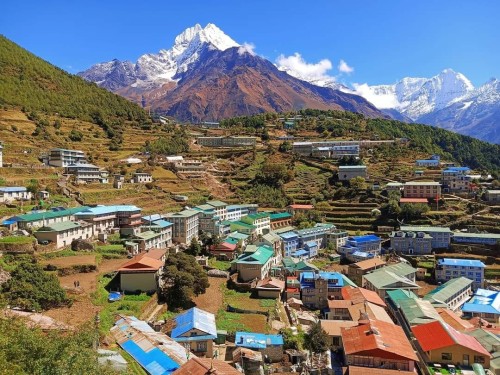
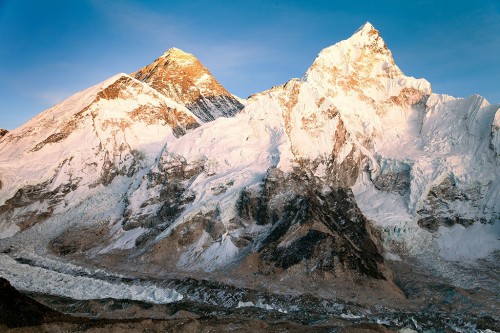
The Everest Base Camp Trek is Nepal’s iconic Himalayan adventure and one of the world's most sought-after trekking packages. The classic route begins at Lukla and follows the Dudh Koshi Valley through Phakding, Namche Bazaar, Tengboche, Dingboche, Lobuche, and Gorak Shep before reaching Everest Base Camp at 5,364 m. The standard Lukla-to-EBC-and-back route is approximately 130 km round trip, although the exact distance varies with itinerary and side trips; Kala Patthar reaches about 5,545 m. A typical package takes around 12–14 days, including acclimatization. For 2026–2027, the strongest trekking seasons are generally spring (March–May) and autumn (late September–November/early December), when weather and mountain visibility are often favorable. Choose a private or group EBC package with a licensed local guide, acclimatization days, accommodation, permits, transportation, and professional trip support. For travelers searching for Everest Base Camp Trek cost, itinerary, best price, local guide, or direct booking, EBC remains a premium Himalayan experience.
 2. Annapurna Base Camp (ABC) Trek
The Annapurna Base Camp Trek delivers an extraordinary combination of Himalayan scenery, traditional villages, rhododendron forests, and close-up mountain views in a relatively compact itinerary. The trail rises from the lower Annapurna region toward Annapurna Base Camp at 4,130 m, passing destinations such as Chhomrong, Dovan, Deurali, and Machhapuchhre Base Camp. A representative route covers approximately 40 km of core trail, although longer itineraries and different trailheads can produce substantially different totals. Most packages take around 7–12 days, depending on transportation and route design. The best seasons for ABC Trek 2026–2027 are generally spring (March–May) and autumn (September–November), offering favorable conditions for many trekkers. Travelers can choose private or group departures, with options for experienced guides, porters, teahouse accommodation, permits, meals, and transportation. For travelers searching Annapurna Base Camp Trek packages, cost, itinerary, best price, or online booking, ABC is one of Nepal’s most commercially attractive trekking experiences.
 3. Mardi Himal Trek
The Mardi Himal Trek is a spectacular short Himalayan adventure for travelers who want dramatic mountain scenery without committing to a long expedition. The route climbs from the Pokhara area through lush rhododendron and oak forests, alpine meadows, and exposed ridges toward Mardi Himal Base Camp at approximately 4,500 m. A typical trekking route covers roughly 40–50 km, depending on the starting point, return route, and side trips. Popular itineraries take about 5–7 trekking days, making Mardi Himal particularly attractive for travelers with limited vacation time. Spring (March–May) brings rhododendron blooms, while autumn (September–November) is generally favored for clear mountain views. The trek provides impressive panoramas of Machhapuchhre, Annapurna South, Hiunchuli, and Mardi Himal. Choose a Mardi Himal Trek package 2026–2027 with a local guide, porter, teahouse accommodation, permits, transportation, and flexible private departure. It is an excellent option for travelers searching for short Nepal trekking packages, affordable Himalayan adventures, and book-online trekking tours.
 4. Manaslu Circuit Trek
The Manaslu Circuit Trek is a premium choice for adventurous travelers seeking remote Himalayan landscapes, Tibetan-influenced villages, dramatic river valleys, and fewer crowds than Nepal’s most established trekking corridors. The standard route is approximately 177 km, although road transportation and side trips can change the total walking distance. Its defining challenge is Larkya La Pass at 5,106 m. Most itineraries require approximately 12–18 days, depending on the starting point, acclimatization, and transportation. The preferred seasons for Manaslu Circuit Trek 2026–2027 are generally spring (March–May) and autumn (September–November). Because the Manaslu region includes restricted areas, travelers should arrange the required permits and trekking services through an appropriately authorized operator. A quality package can include a licensed guide, porter, teahouse accommodation, meals, transportation, permits, and acclimatization planning. For travelers searching Manaslu Circuit Trek cost, restricted-area trekking, private packages, or local guide services, this route offers exceptional adventure and cultural value.
 5. Annapurna Circuit Trek
The Annapurna Circuit Trek is one of Nepal’s legendary long-distance Himalayan journeys, crossing dramatic changes in climate, landscape, culture, and altitude around the Annapurna massif. The walking distance varies considerably because roads have changed parts of the traditional route; a common core estimate is approximately 160 km, while longer variations can reach 200 km or more. The spectacular high point is Thorong La Pass at 5,416 m, followed by the descent toward Muktinath and the Kali Gandaki region. Depending on the itinerary and road transportation, packages commonly range from about 10,12–15 days. The strongest trekking windows for 2026–2027 are generally spring (March–May) and autumn (September–November). The route combines subtropical valleys, high mountain terrain, Tibetan-influenced communities, and pilgrimage sites. Choose a professionally organized Annapurna Circuit Trek package with acclimatization, experienced guide, permits, accommodation, transportation, and porter support for a safer and more comfortable high-altitude journey.
 6. Nar Phu Valley Trek
The Nar Phu Valley Trek is an outstanding choice for travelers searching for remote, culturally rich, and less-crowded Himalayan trekking in Nepal. Located in the Annapurna region, the trail enters the restricted Nar and Phu valleys, where traditional Tibetan-influenced villages, ancient Buddhist culture, dramatic gorges, and high mountain landscapes create a truly distinctive experience. The trek's highest point is Kang La Pass at approximately 5,320 m. Route distances vary considerably according to the itinerary, with representative standalone itineraries covering approximately 70–120 km; side trips and connections with the Annapurna Circuit can increase the total. A typical Nar Phu package takes around 10–14 days, while combining it with the Annapurna Circuit requires considerably longer. The best seasons are generally spring (March–May) and autumn (October–November). Because Nar Phu is a restricted trekking area, proper permits and authorized trekking arrangements are essential. For Nar Phu Valley Trek packages 2026–2027, choose an experienced local operator offering permits, guide, porter, accommodation, meals, transportation, and carefully planned acclimatization.
 7. Pikey Peak Trek
The Pikey Peak Trek is a superb short Everest-region alternative for travelers who want panoramic Himalayan views, authentic Sherpa culture, and a quieter trail without undertaking the full Everest Base Camp journey. Pikey Peak reaches approximately 4,065 m, while the trekking route commonly covers around 50–55 km, depending on the itinerary and trail variations. Popular packages take approximately 6–8 days and can begin with a road journey from Kathmandu toward Dhap, eliminating the need for a Lukla flight on standard itineraries. Spring (March–May) and autumn (October–November) are excellent choices for many travelers, while Pikey's moderate elevation can also make it attractive during selected winter periods. The trek passes through Sherpa and Tamang communities, monasteries, forests, ridges, and spectacular viewpoints. For Pikey Peak Trek 2026–2027, choose a package with an experienced local guide, accommodation, permits, transportation, and flexible private or group departure options.
1. What are the most popular Himalayan trekking routes in Nepal for 2026–2027?
The leading routes include Everest Base Camp (EBC), Annapurna Base Camp (ABC), Mardi Himal, Manaslu Circuit, Annapurna Circuit, Nar Phu Valley, and Pikey Peak. Nepal Tourism Board identifies Everest, Annapurna, and Langtang among Nepal's traditionally popular trekking regions, with Manaslu and other remote areas also attracting trekkers.
2. What is the highest altitude reached on these treks?
Altitude varies significantly by route. EBC reaches 5,364 m, ABC 4,130 m, Mardi Himal Base Camp about 4,450 m, Manaslu's Larkya La about 5,106 m, Annapurna Circuit's Thorong La 5,416 m, Nar Phu's Kang La around 5,320 m, and Pikey Peak 4,065 m. Higher routes require careful acclimatization and appropriate preparation. Nepal Tourism Board notes that many popular treks reach above 5,000 m.
3. How many kilometers is each Himalayan trekking route?
There is no single fixed distance because modern roads, alternative trailheads, side trips, and customized itineraries change the walking distance. EBC is commonly around 120–140 km round trip, ABC approximately 70–100 km, Mardi Himal around 40–50 km, Manaslu around 160–180 km, and Annapurna Circuit varies substantially because of road access. Nar Phu and Pikey Peak also vary by itinerary. Therefore, check the exact route and daily walking plan before booking.
4. What are the best trekking seasons for 2026–2027?
For most major Himalayan routes, spring (March–May) and autumn (September–November) are the preferred seasons. Nepal Tourism Board specifically recommends September–November and February–May for trekking because daytime weather is generally favorable. For high-altitude routes, October–November and March–April are particularly popular, while some rain-shadow destinations can offer additional seasonal flexibility.
5. Which Himalayan trek is best for beginners?
Mardi Himal and Pikey Peak can be excellent choices for travelers seeking shorter Himalayan adventures, although difficulty depends on altitude, daily walking hours, and individual fitness. ABC is another popular option for trekkers wanting a moderate Himalayan experience. Beginners should choose an itinerary with sensible daily elevation gains, experienced guides, and sufficient acclimatization rather than selecting a trek based only on distance.
6. Which trek is best for experienced adventure travelers?
For a more demanding experience, consider the Manaslu Circuit, Annapurna Circuit, or Nar Phu Valley Trek. These routes combine high passes, remote landscapes, cultural experiences, and significant elevation gain. The Annapurna Circuit reaches 5,416 m at Thorong La, while Manaslu crosses Larkya La at approximately 5,106 m. Proper preparation, acclimatization, permits, and experienced guide support are especially important.
7. How many days should I allow for these Himalayan trekking packages?
Typical packages range from approximately 5–8 days for Pikey Peak or Mardi Himal to 7–12 days for ABC, 12–16 days for EBC, and around 14–21 days for Manaslu, Annapurna Circuit, or Nar Phu combinations, depending on transportation and itinerary design. Nepal Tourism Board emphasizes that trek duration varies considerably by route and that remote areas may require additional travel time.
8. Are guides, permits and accommodation included in Himalayan trekking packages?
This depends on the package. A professionally organized Nepal trekking package may include a licensed guide, porter, accommodation, meals, transportation, permits, and airport or hotel transfers. Permit requirements differ between trekking regions; for example, Annapurna and Everest require applicable conservation-area and trekking documentation, while restricted areas such as Nar Phu have additional requirements. Always check the exact inclusions and exclusions before booking.
9. What should I consider when comparing Himalayan trekking costs?
Compare more than the headline price. Check guide and porter services, permits, accommodation, meals, domestic flights or road transportation, airport transfers, acclimatization days, insurance requirements, equipment support, and emergency arrangements. Private treks generally offer more flexibility, while group packages can provide better value. A transparent quotation showing all major inclusions helps you compare Nepal trekking costs and packages 2026–2027 accurately.
10. How can I book the best Himalayan trekking package for 2026–2027?
Start by selecting your route, travel dates, group size, fitness level, preferred altitude, budget, and trekking duration. Then compare detailed itineraries, maximum altitude, estimated walking distance, trekking season, permits, accommodation, transportation, guide and porter services, and cancellation policies. For a customized experience, choose a reputable local trekking company that can adjust the itinerary to your requirements. Request your 2026–2027 Himalayan trekking itinerary and best available package price, confirm the inclusions, and book your Nepal adventure directly online.
Recent From Blog


8th Sep, 2026

16th Aug, 2026

10th Aug, 2026

8th Aug, 2026

1st Aug, 2026

31st Jul, 2026

29th Jul, 2026
25th Jul, 2026

29th Jun, 2026
4th Jan, 2026


5th Jun, 2025

19th May, 2025

9th May, 2025

18th Apr, 2025

22nd Oct, 2024
21st Oct, 2024
19th Oct, 2024

18th Oct, 2024

11th Oct, 2024
11th Oct, 2024
8th Oct, 2024
