Nepal, the cradle of mountains and mysticism, offers an unforgettable pilgrimage experience where ancient temples meet awe-inspiring Himalayan landscapes. At the heart of this sacred journey lies Pashupatinath Temple in Kathmandu, a UNESCO World Heritage Site and one of the most revered shrines for Lord Shiva. Devotees gather here daily to witness powerful rituals along the Bagmati River, while the evening Aarti ceremony radiates divine energy. This spiritual epicenter not only marks the start of the pilgrimage but sets the tone for a journey filled with devotion, peace, and reflection.
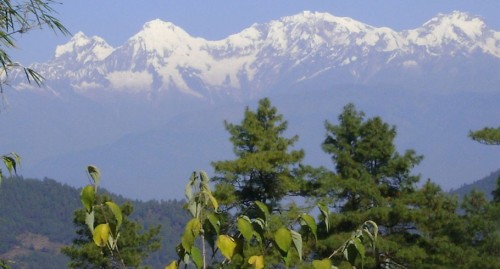
From Kathmandu, the road leads you toward Manakamana Temple, the wish-fulfilling goddess nestled atop a lush hill in Gorkha district. Reached by a scenic cable car ride from Kurintar, Manakamana offers panoramic views of the Himalayas and Trishuli River below. Devotees offer prayers and symbolic offerings to seek blessings for their heart’s desires. The tranquil surroundings and spiritual vibrations of the temple create a perfect pause between bustling Kathmandu and the serenity of Pokhara.
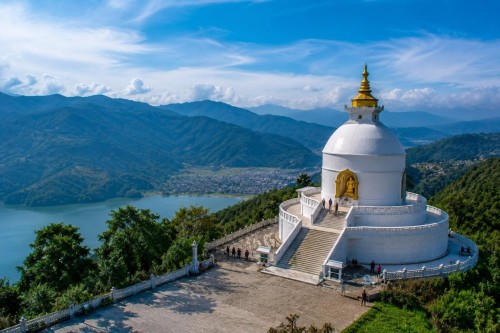
Next, journey west to Pokhara, the serene city of lakes and mountains. While widely known for its adventure appeal, Pokhara is also home to significant Hindu sites such as Bindhyabasini Temple, Tal Barahi Temple, and Gupteshwor Mahadev Cave. These sacred spaces blend beautifully with Pokhara’s natural beauty, offering a balanced experience of relaxation and reverence. Take in a boat ride on Phewa Lake, where the reflection of the Annapurna Range meets the soft chants of temple bells floating in the breeze.
The spiritual path continues to Muktinath Temple, located at 3,800 meters in the Mustang region. This ancient temple is sacred to both Hindus and Buddhists, representing liberation and enlightenment. The drive from Pokhara to Muktinath is a visual pilgrimage in itself — passing through cascading waterfalls, the Kali Gandaki Gorge, and timeless villages like Marpha and Jomsom. At Muktinath, pilgrims purify their souls under the 108 water spouts and witness the eternal flame that burns without end, high in the lap of the Himalayas.
On your return journey, head to the tranquil hills of Nuwakot, where the Dupcheshwor Mahadev Temple awaits. Tucked away in forested ridges, this ancient shrine of Lord Shiva offers a deep sense of calm and seclusion. Nearby, the Kotbari Hotel provides comfortable, culturally inspired accommodation — an ideal retreat before concluding your spiritual odyssey. This journey through Nepal’s holiest places connects you not just to temples, but to timeless energy, unshaken faith, and the serene spirit of the Himalayas.
Coming soon
Coming soon
This tour includes visits to sacred sites such as Pashupatinath Temple, Manakamana Temple, Pokhara's Hindu temples, Muktinath, and Dupcheshwor Mahadev Temple in Nuwakot, offering a perfect blend of devotion, natural beauty, and cultural exploration.
Yes, the tour is thoughtfully designed for comfort, with vehicle-based travel, minimal hiking, and flexible schedules. A 4WD is used for the Muktinath leg, ensuring accessibility.
From Kurintar, you will take a 10-minute scenic cable car ride to the temple, offering breathtaking views of the Trishuli River and surrounding hills.
Muktinath lies at an altitude of 3,800 meters (12,467 ft). Some travelers may feel mild symptoms; staying hydrated and ascending gradually help reduce risks.
You’ll need the ACAP (Annapurna Conservation Area Permit) and TIMS (Trekkers’ Information Management System) card, which are arranged by your tour operator.
The best seasons are spring (March–May) and autumn (September–November), offering clear skies, pleasant weather, and better road conditions.
Comfortable hotels and lodges are arranged throughout the journey, including cultural stays like Kotbari Hotel in Nuwakot for a peaceful, traditional experience.
Yes, the tour is family-friendly with gentle travel pacing, spiritual value, and scenic experiences that appeal to all ages.
Pack modest, comfortable clothing, light jackets for Muktinath, good walking shoes, sunscreen, and any personal religious items or offerings.
Yes, always dress modestly, remove shoes before entering temple areas, and avoid taking photos inside the sanctum. Respect local customs and follow your guide's instructions.


.jpg)