

8th Sep, 2026
Annapurna Circuit Trek in Winter (December & January
The Annapurna Circuit Trek in Winter is one of Nepal's most rewarding Himalayan adventures for trekkers seeking peaceful trails, crystal-clear mountain views, and a unique snow-covered landscape. During December and January, the Annapurna region transforms into a winter wonderland where towering peaks, frozen waterfalls, alpine forests, and traditional mountain villages create an unforgettable trekking experience. Unlike the busy autumn season, winter offers fewer trekkers on the trail, allowing visitors to enjoy a quieter and more authentic journey through one of the world's most famous trekking routes. With proper planning, quality winter gear, and an experienced government-licensed local guide, the Annapurna Circuit becomes a safe and spectacular destination for adventure lovers looking to experience Nepal's Himalayas at their finest.
Table of Contents
Winter weather on the Annapurna Circuit is generally stable, with bright sunshine and excellent visibility during the day. Lower elevations such as Besisahar, Chame, and Pisang experience cool temperatures, while higher villages including Manang, Yak Kharka, Thorong Phedi, and Thorong La Pass (5,416 m) can become extremely cold, especially at night. Daytime temperatures are often pleasant for trekking, but nighttime temperatures commonly fall well below freezing at higher elevations. Snowfall is possible, particularly around Thorong La Pass, making flexibility in the itinerary essential. Professional trekking companies continuously monitor weather conditions and adjust schedules whenever necessary to ensure a safe crossing of the pass.
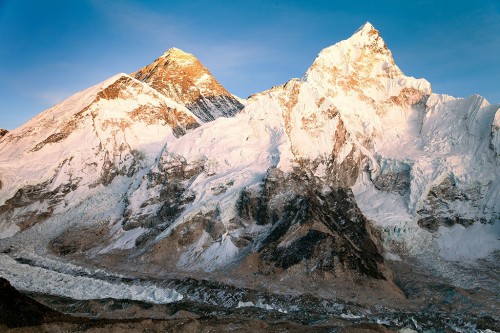
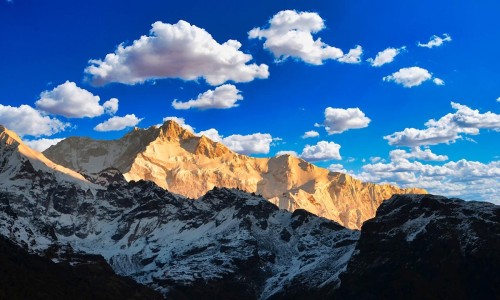
One of the greatest advantages of trekking the Annapurna Circuit during December and January is the incredible mountain scenery. Winter air is exceptionally clear after seasonal weather changes, providing outstanding panoramic views of Annapurna I, Annapurna II, Annapurna III, Annapurna IV, Gangapurna, Dhaulagiri, Tilicho Peak, Chulu East, Chulu West, Pisang Peak, Nilgiri, and Machhapuchhre (Fishtail). Fresh snowfall on the surrounding peaks creates breathtaking landscapes that photographers and nature enthusiasts appreciate. Sunrise and sunset during winter often produce brilliant golden light across the snow-covered Himalayas, making every viewpoint a memorable experience.
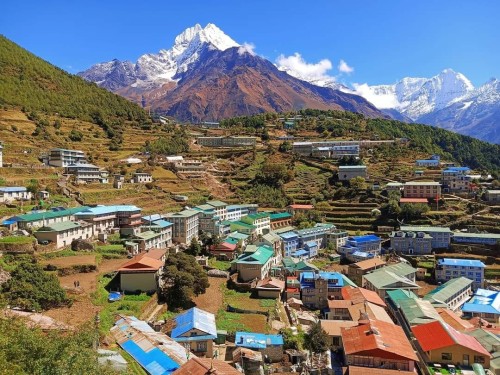
The Annapurna Circuit also offers remarkable cultural experiences during winter. Trekkers pass through traditional Gurung, Manangi, and Thakali villages where local families continue their daily lives despite the cold season. Ancient monasteries, prayer wheels, Buddhist chortens, and colorful prayer flags provide fascinating insight into Himalayan culture and spirituality. Because winter receives fewer visitors, trekkers have more opportunities to interact with local residents, enjoy traditional hospitality, and experience authentic mountain life. Comfortable teahouses remain open on the main route, providing warm meals, cozy accommodation, and welcoming environments after each day's trek.
The highlight of the Annapurna Circuit remains the crossing of Thorong La Pass (5,416 m), one of the highest trekking passes in the world. During winter, crossing the pass requires an early morning start, careful pacing, and close attention to weather conditions. Professional guides monitor trail safety, snow conditions, and altitude symptoms while helping trekkers maintain a comfortable pace. Although winter conditions increase the challenge, reaching the summit of Thorong La rewards trekkers with extraordinary panoramic views extending across the Annapurna and Dhaulagiri mountain ranges. For many adventurers, this achievement becomes the most memorable moment of their Himalayan journey.
Proper preparation is essential for a successful winter trek. High-quality insulated clothing, waterproof trekking boots, thermal base layers, down jackets, warm gloves, hats, sunglasses, and a cold-weather sleeping bag are highly recommended. Trekking poles provide additional stability on icy sections of the trail, while microspikes may occasionally be useful depending on snowfall. Maintaining good hydration, eating nutritious meals, and allowing sufficient time for acclimatization significantly reduce the risk of altitude sickness. Choosing a reputable local trekking company ensures that equipment advice, safety planning, permits, and logistics are professionally managed before and during the trek.
Most Annapurna Circuit Winter Trek itineraries range from 12 to 15 days, depending on the chosen route and side trips. Some trekkers include an excursion to Tilicho Lake, while others continue beyond Muktinath through the beautiful Kali Gandaki Valley toward Jomsom before returning to Pokhara. Flexible itineraries allow guides to adapt plans if weather conditions change around Thorong La Pass. Transportation usually includes travel from Kathmandu to the trailhead and return from Jomsom or Pokhara. Many trekking companies also offer private departures, family treks, and small-group adventures during the winter season.
The cost of the Annapurna Circuit Trek in Winter depends on group size, itinerary length, accommodation preferences, and included services. Comprehensive trekking packages generally include experienced government-licensed guides, porter services, Annapurna Conservation Area Permit (ACAP), transportation, teahouse accommodation, meals during the trek, and complete logistical support. Booking directly with a reputable local trekking company often provides competitive pricing, personalized service, flexible itineraries, and transparent costs without unnecessary intermediary commissions. Travelers also benefit from expert local knowledge, reliable communication, and professional assistance throughout the journey.
Safety remains the highest priority for every winter expedition. While December and January are excellent months for trekking, weather conditions in the high Himalayas can change rapidly. Snow accumulation near Thorong La Pass occasionally causes temporary delays, making flexibility an important part of any winter itinerary. Professional guides carefully monitor daily forecasts, trail conditions, and each trekker's health before making decisions regarding high-altitude crossings. Comprehensive travel insurance covering high-altitude trekking and emergency helicopter evacuation is strongly recommended for all participants to provide additional security and peace of mind.
The Annapurna Circuit Trek in Winter – December & January offers one of Nepal's most spectacular trekking experiences for travelers seeking breathtaking scenery, peaceful trails, authentic mountain culture, and unforgettable Himalayan adventure. With clear skies, snow-covered landscapes, and fewer crowds, winter reveals a different side of the Annapurna region that many trekkers consider even more magical than the peak seasons. Booking with a trusted local trekking company ensures experienced licensed guides, professional logistical support, carefully planned itineraries, and excellent value. Whether you choose a private trek or a small-group departure, the Annapurna Circuit in winter promises an extraordinary journey through one of the world's greatest mountain landscapes.
1. Is December and January a good time for the Annapurna Circuit Trek?
Yes. December and January are excellent months for the Annapurna Circuit Trek if you enjoy peaceful trails, snow-covered landscapes, and crystal-clear Himalayan views. Winter offers fewer trekkers than autumn, making the experience quieter and more authentic. While temperatures are colder and snowfall is possible at higher elevations, stable weather and proper preparation make winter a rewarding season for experienced trekkers.
2. How much does the Annapurna Circuit Trek in Winter cost?
The Annapurna Circuit Trek Winter Package 2026–2027 typically costs between USD 850 and USD 1,600 per person, depending on the itinerary, group size, accommodation, transportation, and included services. Most packages include permits, government-licensed local guides, porter services, teahouse accommodation, meals during the trek, and transportation. Booking directly with a local trekking company often provides the Best Price Guarantee and transparent pricing.
3. What is included in the Annapurna Circuit Winter Trek package?
A standard winter trekking package usually includes:
- Government-licensed local trekking guide
- Experienced porter service
- Annapurna Conservation Area Permit (ACAP)
- TIMS or other applicable trekking documentation, if required
- Kathmandu–Besisahar transportation
- Return transportation from Jomsom or Pokhara
- Comfortable teahouse accommodation
- Three meals daily during the trek
- First-aid support
- Government taxes and service charges
- Complete trekking logistics and local assistance
4. How difficult is the Annapurna Circuit Trek during winter?
The trek is considered moderate to challenging, especially in winter. The main challenge is crossing Thorong La Pass (5,416 m), where snow and freezing temperatures may increase the difficulty. Good physical fitness, proper acclimatization, quality winter equipment, and an experienced local guide are essential for a safe and enjoyable trek.
5. What is the weather like during December and January?
Winter weather is generally dry with excellent mountain visibility. Daytime temperatures at lower elevations usually range between 5°C and 15°C, while nighttime temperatures at higher elevations may drop to -15°C or lower. Snowfall is possible near Thorong La Pass and surrounding high-altitude villages, creating beautiful winter scenery.
6. What permits are required for the Annapurna Circuit Trek?
Trekkers require an Annapurna Conservation Area Permit (ACAP) to enter the Annapurna region. Depending on current regulations, additional trekking documentation may also be necessary. Your licensed trekking company will normally arrange all required permits before the trek begins.
7. When should I book the Annapurna Circuit Winter Trek?
Winter departures are less crowded than autumn, but it is still recommended to reserve your trek 2–4 months in advance. Early booking helps secure experienced government-licensed local guides, preferred teahouse accommodation, transportation, and the best package prices.
8. Why choose a local guide for the Annapurna Circuit Trek?
A government-licensed local guide improves safety by monitoring weather conditions, managing altitude acclimatization, arranging accommodation, and providing cultural insights throughout the journey. Local guides also assist with logistics, emergency support, and route planning, making your winter trekking experience safer and more enjoyable.
9. Is online booking safe for the Annapurna Circuit Trek?
Yes. Reputable Nepal trekking companies provide secure online booking with encrypted payment systems, transparent pricing, flexible payment options, instant reservation confirmation, and clear booking policies. Booking online allows travelers to secure guides, permits, and accommodations well before arriving in Nepal.
10. Why book the Annapurna Circuit Trek Winter Package 2026–2027 with a local trekking company?
Booking directly with a trusted local trekking company offers outstanding value, experienced government-licensed guides, professional porter services, personalized itineraries, and expert logistical support. You'll receive the Best Price Guarantee, transparent pricing, flexible departures, comfortable teahouse accommodation, transportation, permit assistance, and dedicated local support throughout your adventure. With secure online booking, instant confirmation, and professional Himalayan expertise, the Annapurna Circuit Trek in Winter (December & January 2026–2027) is an excellent choice for trekkers seeking a safe, scenic, and unforgettable winter adventure in Nepal.
Ghorepani Poon Hill Trek - 3 Days
Annapurna Circuit Trek with Tilicho Lake - 10 Days
Annapurna Base Camp Trek - 7 Days
Annapurna Base Camp Hiking - 10 Days
Annapurna base camp Trekking Nepal - 12 Days
Mardi Himal Poon Hill Khopra Ridge Trek - 14 Days
Nar Phu Valley & Tilicho Lake Trek - 16 Days
Manaslu Trek 10 days
1. Is November Good for Trekking in Nepal?
November is widely regarded as one of the best months for trekking in Nepal, offering crystal-clear skies, dry weather, comfortable daytime temperatures, and spectacular Himalayan views. Popular trekking routes such as Everest Base Camp, Annapurna Circuit, Annapurna Base Camp, Langtang Valley, Manaslu Circuit, Mardi Himal, Pikey Peak, and Upper Mustang enjoy ideal trail conditions during this period. The stable weather provides excellent visibility for photography and mountain scenery while reducing the risk of rainfall. Book your Nepal trekking package with a government-licensed local guide to enjoy the Best Price Guarantee, flexible departures, and secure online booking.
2. Which Month Is Best for Trekking in Nepal?
The best months for trekking in Nepal are October, November, March, April, and May, when the weather is generally stable, mountain views are exceptional, and trekking conditions are ideal. Among these, October and November are considered the peak trekking season because of clear skies, pleasant temperatures, and excellent visibility across the Himalayas. Whether you're planning the Everest Base Camp Trek, Annapurna Circuit Trek, Annapurna Base Camp Trek, Manaslu Circuit Trek, or Langtang Valley Trek, these months offer the best overall experience. Book with trusted local experts for the Best Price Guarantee, experienced guides, and 100% secure online booking.
3. What Is the Weather Like in Nepal in October and November?
The weather in Nepal during October and November is ideal for trekking, with sunny days, low humidity, cool mornings, and outstanding mountain visibility. Daytime temperatures are generally comfortable, while evenings become cooler at higher elevations, making layered clothing essential. The monsoon has ended, leaving trails dry and skies remarkably clear across Nepal's trekking regions. These conditions are perfect for popular adventures such as the Everest Base Camp Trek, Annapurna Circuit Trek, Mardi Himal Trek, Langtang Valley Trek, Manaslu Circuit Trek, and Pikey Peak Trek. Reserve your trekking package early to secure the best price, expert local guides, and secure online booking.
1. Annapurna Circuit Trek Winter Package 2026–2027
Choose the Annapurna Circuit Trek Winter Package 2026–2027 for an unforgettable Himalayan adventure through Nepal's world-famous Annapurna region. Experience snow-covered landscapes, peaceful trails, and breathtaking views of Annapurna I, Dhaulagiri, Machhapuchhre (Fishtail), Gangapurna, Tilicho Peak, Nilgiri, and Chulu Himal. Our all-inclusive winter package includes government-licensed local guides, experienced porters, Annapurna Conservation Area Permit (ACAP), transportation, comfortable teahouse accommodation, nutritious meals during the trek, and complete logistical support. Enjoy the Best Price Guarantee, fixed departures, customized private and group treks, transparent pricing, instant confirmation, and secure online booking with Nepal's trusted local trekking experts.
2. Annapurna Circuit Trek with Local Guide
Experience the Annapurna Circuit Trek with a Local Guide and explore one of the world's most spectacular trekking routes with safety, expertise, and authentic cultural insight. Our government-licensed guides provide professional navigation, altitude management, local knowledge, and complete logistical support throughout your journey. Trek through traditional Gurung, Manangi, and Thakali villages while enjoying incredible views of the Annapurna and Dhaulagiri mountain ranges. Every package includes experienced porters, Annapurna Conservation Area Permit (ACAP), transportation, comfortable teahouse accommodation, meals during the trek, the Best Price Guarantee, flexible itineraries, instant booking confirmation, and secure online booking.
3. December Annapurna Circuit Trek
The December Annapurna Circuit Trek is an excellent choice for trekkers seeking clear mountain views, fresh snowfall, and peaceful trails away from the peak autumn crowds. Winter begins with stable weather, crisp mountain air, and spectacular panoramic views of Annapurna I, Dhaulagiri, Gangapurna, Tilicho Peak, Machhapuchhre, and Thorong La Pass. Our professionally organized trekking packages include government-licensed local guides, experienced porters, Annapurna Conservation Area Permit (ACAP), transportation, comfortable teahouse accommodation, nutritious meals during the trek, and complete trip management. Book today with the Best Price Guarantee, fixed departures, transparent pricing, and secure online booking.
4. January Annapurna Circuit Trek
The January Annapurna Circuit Trek offers a unique winter trekking experience with snow-covered mountain scenery, quiet trails, and outstanding Himalayan panoramas. During January, trekkers enjoy breathtaking views of Annapurna I, Dhaulagiri, Nilgiri, Gangapurna, Tilicho Peak, and Machhapuchhre while experiencing authentic mountain culture in traditional Himalayan villages. Our complete trekking package includes government-licensed local guides, experienced porters, Annapurna Conservation Area Permit (ACAP), transportation, comfortable teahouse accommodation, meals during the trek, and full logistical support. Benefit from the Best Price Guarantee, flexible itineraries, instant confirmation, and secure online booking with experienced local trekking specialists.
Recent From Blog


8th Sep, 2026

16th Aug, 2026

10th Aug, 2026

8th Aug, 2026

1st Aug, 2026

31st Jul, 2026

29th Jul, 2026
25th Jul, 2026

29th Jun, 2026
4th Jan, 2026


5th Jun, 2025

19th May, 2025

9th May, 2025

18th Apr, 2025

22nd Oct, 2024
21st Oct, 2024
19th Oct, 2024

18th Oct, 2024

11th Oct, 2024
11th Oct, 2024
8th Oct, 2024
