

9th Jul, 2026
Everest Region FAQs- Most searched FAQs
Discover the answers to the most searched Everest Region FAQs for 2026–2027–2028 and plan your Himalayan adventure with confidence. From the best time to visit and Everest Base Camp Trek duration to altitude, permits, flights, accommodation, meals, guides, and trekking difficulty, this guide covers the essential questions travelers ask before exploring the legendary Everest region.
Table of Contents
Whether you are planning the Everest Base Camp Trek, Gokyo Lakes Trek, Everest Panorama Trek, Everest View Trek, or another Khumbu adventure, these frequently asked questions provide practical insights for a smoother journey. Get reliable information, prepare wisely, and experience the spectacular mountains, Sherpa culture, monasteries, and unforgettable landscapes of the Everest region.
Where is the Everest region for trekking in Nepal?
Everest region is a popular trekking destination in Nepal that sits in the Northeast and is close to China. In particular, it's a region within Solukhumbu district, 144 km from Kathmandu. Usually, the Everest region starts from Lukla.
Affluent mountains and a few 8,000-meter-tall mountains have made it a prominent place for high-altitude adventure.
What are the popular best treks in the Everest region?
Being home to the world's highest mountains, freshwater lakes, and high Himalayan Passes, the Everest region is a home of high-altitude adventure. Trekkers can choose many options for their weeks or two weeks-long experience. Whichever route you trek, they're a once-in-a-lifetime adventure.
The most popular is the 13 days Everest Base Camp Trek starting from Lukla. It's the best of all because it fits every kind of trekker and even novice hikers. Adequate acclimatization and moderate-grade trails ensure your comfortable hike. Plus, it's only a direct way of reaching Everest's base camp. It's unique because you'll get the world's highest mountain base camp, Mt. Everest.
For experienced trekkers, Everest Three High Pass Trek can be ideal. It's more like a circuiting Everest region that encompasses a base camp, high passes, Gokyo Lakes, and famous villages of the Everest region.
Other ultimate adventures in the Everest region include Everest Base Camp via Gokyo Lakes and Cho La Pass Trek, Gokyo Lakes Trek, Everest View Trek, and Everest Panorama Trek.
How long is Everest Base Camp Trek?
There are various itineraries for Everest Base Camp Trek. The most preferred one is 12 and 13 days. However, trekkers hike to the base camp for eight days and return by helicopter.
Distance-wise, Everest Base Camp Route is 135 km from Lukla-Gorak Shep-Lukla. And during this trek, you'll ascend around 2,900 meters altitude.
What is Everest Base Camp Trek with Helicopter Return?
Also known as Everest Base Camp Helicopter Trek, this is a new luxury style of Everest region trekking, particularly to the base camp.
You'll hike from Lukla to Gorak Shep, Kala Patthar and EBC for eight days. And while returning, a helicopter picks you up from Gorak Shep and brings you back to Kathmandu.
This style is popular because it is affordable, offers a trek experience to the world's highest altitude base camp, and a bird's eye view of mountains while returning. Since you'll fly to Kathmandu from Gorak Shep, you'll complete this trek four days faster than returning by foot.
Also, there could be instances of theft and damage to personal goods. To compensate for these losses and damages, having insurance can be relieving.
You'll only get a helicopter rescue on time if you have travel insurance. Otherwise, you may get rescued late. And even if you get one, it'll cost you a couple of thousand dollars.
What is Everest Panorama Trek? Is it difficult?
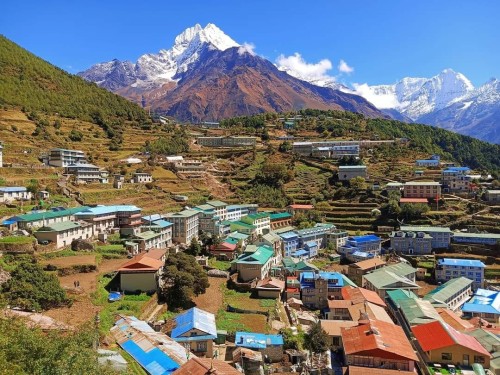
Everest Panorama Trek takes you to the heart of the Everest region, Namche Bazaar, Tengbohe, showcases famous mountains, including Everest and Sherpa lifestyles. On this trek, you'll get a significant glimpse of Mt. Everest without putting in a strenuous effort to reach the base camp.
It is not a challenging trek but rather an easy one, made for older people who can only hike for a few days. Also, the time-bound trekker who wants to trek on the Everest trail to see Everest finds this trek the best fit.
Considering its cost, it's a highly affordable trek, around USD 800-900. If you feel like trekking to Everest Base Camp once you reach Tengboche, unsatisfied with Everest's view, you can further customize this trek. You can either hike for another week to base camp or take a helicopter, fly to the base camp, and return to Kathmandu.
1. What are the most popular treks in the Everest Region for 2026–2027–2028?
The Everest Base Camp Trek, Gokyo Lakes Trek, Everest View Trek, Everest Three Passes Trek, Gokyo–Renjo La Trek, and Chola Pass Trek are among the best-known trekking experiences in the Everest region. Each route offers a different combination of mountain scenery, Sherpa culture, Buddhist monasteries, high-altitude landscapes, and Himalayan adventure. The Everest Base Camp route remains the classic choice for travelers who want to reach the base camp of the world's highest mountain.
2. Where is the Everest Region located in Nepal?
The Everest Region lies in northeastern Nepal, primarily within the Solukhumbu and Khumbu area. Much of the region falls inside Sagarmatha National Park, a UNESCO World Heritage Site known for dramatic Himalayan peaks, glaciers, deep valleys, alpine landscapes, and Sherpa communities. Mount Everest, Lhotse, Cho Oyu, Ama Dablam, and numerous other major peaks define the spectacular mountain scenery.
3. How do I get to the Everest Region from Kathmandu?
The traditional gateway for many Everest treks is Lukla, reached by air from the Kathmandu area when flights are operating. Travelers can also approach the Everest region overland and on foot through the Solu area, including routes associated with Jiri. The best transportation option depends on your itinerary, season, weather, and current flight or road operations.
4. How many days are needed for the Everest Base Camp Trek?
A standard Everest Base Camp Trek commonly takes around two weeks when starting and finishing around Lukla, although the exact duration varies according to the itinerary. Longer itineraries may include additional acclimatization days, while extended routes can combine Everest Base Camp with Gokyo Lakes or high mountain passes. A well-planned itinerary should allow sufficient time for altitude acclimatization rather than simply focusing on the shortest possible schedule.
5. What is the highest altitude reached on the Everest Base Camp Trek?
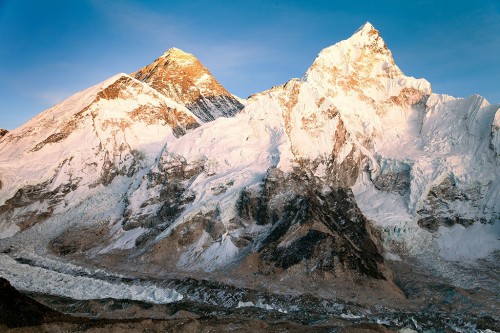
Everest Base Camp is generally reached at approximately 5,364 meters (17,598 feet), while Kala Patthar rises to about 5,545 meters and is one of the classic viewpoints for Everest scenery. Because the trek involves substantial elevation gain, acclimatization is an important part of the itinerary. Nepal Tourism Board specifically advises trekkers to allow time to acclimatize because altitude increases rapidly in the Everest region.
6. Do I need a guide for trekking in the Everest Region?
For several Everest-region routes, a licensed trekking guide and agency-issued TIMS card are currently required under Nepal's revised TIMS provisions. The Nepal Tourism Board lists Everest Base Camp, Gokyo, Chola Pass, Gokyo–Renjo La, Three Passes, Everest View, Mera Peak, and Amphu Labtsha routes among those covered by the guide requirement. Regulations can change, so travelers should confirm the latest requirements before departure.
7. What permits are required for Everest Base Camp Trek?
Everest-region trekking involves the applicable Sagarmatha National Park entry requirements and TIMS requirements. Additional permits may apply depending on the specific route or activity. For example, climbing or trekking-peak expeditions have separate requirements. Travelers should confirm current permit arrangements with their registered trekking agency or the Nepal Tourism Board before starting their journey.
8. What is the best time to trek in the Everest Region?
Spring and autumn are traditionally popular trekking seasons because they often provide favorable daytime conditions and good mountain visibility. October–November and March–May are specifically identified by the Nepal Tourism Board among the favorable periods for the Everest region. Winter is possible on many routes but brings colder temperatures and potential snow, while monsoon conditions can affect trails, visibility, and transportation.
9. What is the Everest Region famous for besides Mount Everest?
The Everest region is famous for much more than Everest itself. Trekkers encounter Sherpa villages, Buddhist monasteries, prayer flags, glaciers, suspension bridges, high mountain valleys, alpine forests, and spectacular peaks including Lhotse and Ama Dablam. Namche Bazaar, Tengboche Monastery, Khumjung, Khunde, Thame, and Phortse are among the culturally and scenically important settlements and destinations in the region.
10. Can beginners trek in the Everest Region?
Yes, beginners can trek in the Everest region if they choose an itinerary appropriate to their fitness, experience, and altitude tolerance. The Everest View Trek is a shorter alternative for travelers who want to experience the Khumbu without going all the way to Everest Base Camp. Longer and higher routes, particularly Three Passes and other high-pass itineraries, require considerably more preparation and experience.
11. What is the difference between Everest Base Camp, Gokyo, and Everest View Trek?
The Everest Base Camp Trek focuses on reaching the famous base camp and exploring the central Khumbu route. The Gokyo Trek takes travelers toward the beautiful Gokyo Valley and its glacial lakes, while the Everest View Trek provides a shorter introduction to the Khumbu with impressive mountain scenery without continuing to Base Camp. Your choice depends on available time, desired altitude, physical preparation, and interest in scenery and culture.
12. Where do trekkers stay in the Everest Region?
The Everest trekking routes have a well-established network of teahouses, lodges, hotels, and camping possibilities. Popular stops such as Phakding, Namche Bazaar, Tengboche, Pheriche, and other settlements offer accommodation along major routes. Facilities become more basic as altitude and remoteness increase, so travelers should expect simpler services in higher villages.
13. Is the Everest Region suitable for trekking in winter?
Winter trekking is possible, but conditions are considerably colder at higher elevations and snowfall can affect trails and passes. The Nepal Tourism Board notes that winters in the higher Everest region can be extreme. Travelers choosing December, January, or February should prepare for freezing temperatures, shorter daylight hours, possible snow, and changing mountain conditions.
14. How can I prepare for altitude sickness on an Everest trek?
Altitude should be taken seriously on every Everest-region itinerary. A good itinerary should include gradual elevation gain and appropriate acclimatization, particularly before reaching higher settlements and Base Camp. Stay hydrated, monitor how you feel, and communicate any symptoms to your guide promptly. Severe or worsening altitude-related symptoms require immediate medical attention and descent; travelers with medical concerns should discuss high-altitude travel with a qualified healthcare professional before the trek.
15. Which Everest Region trek should I choose for 2026–2027–2028?
The right Everest trek depends on your available time, fitness, trekking experience, preferred altitude, budget, and interests. Choose Everest Base Camp if reaching the iconic base camp is your primary goal; consider Gokyo for a different high-altitude landscape and glacial-lake experience; choose Everest View for a shorter Khumbu adventure; and consider Three Passes or combined routes if you want a more demanding Himalayan journey. A local trekking agency can help customize the itinerary around your travel dates and experience.
Recent From Blog


8th Sep, 2026

16th Aug, 2026

10th Aug, 2026

8th Aug, 2026

1st Aug, 2026

31st Jul, 2026

29th Jul, 2026
25th Jul, 2026

29th Jun, 2026
4th Jan, 2026


5th Jun, 2025

19th May, 2025

9th May, 2025

18th Apr, 2025

22nd Oct, 2024
21st Oct, 2024
19th Oct, 2024

18th Oct, 2024

11th Oct, 2024
11th Oct, 2024
8th Oct, 2024
