

7th Jan, 2026
How to trek to Everest Base Camp in Nepal in 2026-2027?
1) Pick your season, allow ~2 weeks, and book ahead.
Aim for the two prime windows: spring or autumn. Spring, especially April–May, and autumn, especially September–November, offer stable weather, clearer skies, and safer, drier trails, which is why guides highlight them as the best times to trek. Typical itineraries take about 12–14 days including acclimatization, so plan roughly two weeks. l Book months ahead to secure Lukla flights, teahouse lodging, permits, and guides: delays or cancellations are common due to weather, and the government now requires trekkers be accompanied by a licensed guide, not solo.
Table of Contents
2) Follow a gradual, safety‑first trekking schedule.
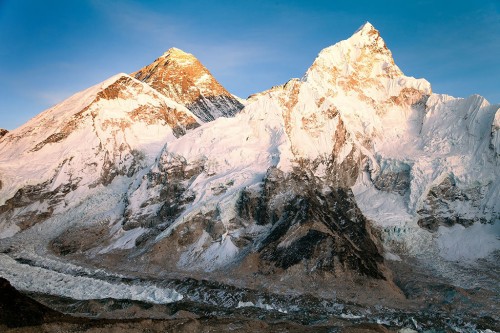
Expect 5–7 hours of trekking per day, roughly 10–15 km on uneven mountain terrain, with built‑in acclimatization. The trail climbs up to Kala Patthar at about 5,545 meters for the classic panoramic Everest view, while Base Camp itself sits around 5,364 meters.To reduce altitude sickness risk, stick to the paced itinerary, take rest days, and monitor symptoms; reputable operators handle permits and logistics so you can focus on hiking and health. Carry warm layers for cold nights, plus essentials like a good sleeping bag, boots, and poles—these are commonly recommended for comfort and safety at high altitude.
3) Prepare for the practicalities on the ground.
Arrange your permits, guide, and porter logistics through your operator or in Kathmandu; they’ll help with the Khumbu‑region permits and often advise on cash, insurance, and emergency options. Withdraw sufficient Nepali rupees in Kathmandu, since mountain ATMs may be unreliable, and expect higher prices for food or supplies as you gain altitude. Finally, pack travel insurance covering high‑altitude trekking and evacuation; this is widely recommended for a safe, worry‑free trek. With weather, logistics, and acclimatization handled, you’ll be set to enjoy the iconic journey from Lukla through Namche and beyond to Everest’s world‑famous high camps in 2026–2027.
Why trek to Everest Base Camp in Nepal? in 2026-2027
1) Unmatched Himalayan scenery in the best seasons.
Spring or autumn bring the clearest skies, milder temperatures, and safer trails—exactly the conditions that make the towering peaks, glaciers, and ridgelines feel truly epic. Local guidance notes these windows as the most favorable for Everest trekking, with reduced weather risk and stunning views, which is why most travelers target them rather than monsoon or deep winter.
2) A powerful cultural journey, not just a hike.
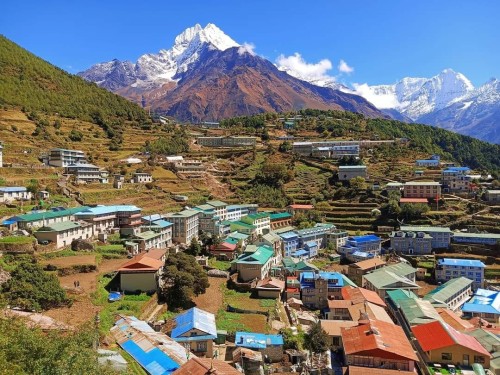
The route threads through Sherpa villages, Buddhist monasteries, and mountain communities whose livelihoods intertwine with the trail. Permits for Sagarmatha National Park and the Khumbu area support conservation and local development, so your trek helps preserve the landscape and culture you’re there to experience.
3) A personal challenge that’s achievable for many.
It’s a high‑altitude, non‑technical trek that tests endurance, focus, and adaptability over roughly two weeks. Reaching Base Camp and the famous viewpoints becomes a lasting symbol of what you can do when you prepare, pace yourself, and spend time in one of Earth’s most dramatic places.
When is the best time to trek to Everest Base Camp?
Spring or autumn are your best bets for 2026–2027. Experienced guides highlight late February to May, and late September to December, as the months most likely to deliver stable weather, crisp visibility, and fewer delays for Everest treks. A travel guide for the Sagarmatha region likewise points to October–November or March–May as the most suitable windows, avoiding heavy rains or extreme cold.
Within those windows, October is often the busiest because skies are particularly clear and temperatures are still moderate; November brings slightly colder, crisper conditions with fewer crowds.If you want quieter trails, late autumn or early spring can be a smart tradeoff, still offering strong views but less packed teahouses.
How long does the Everest Base Camp trek take?
About 12–14 days is the standard length for a classic Everest Base Camp trek. Many operators and detailed trip guides set itineraries in that range to include the slow, steady gains and rest days needed at high altitude. One guide notes that most treks average 13–14 days, though their own group finished in 12.
You can sometimes shorten or lengthen the plan depending on your route, pace, or logistics. A shorter itinerary might skip buffer days or use alternate transport, while weather delays, extra acclimatization, or a more relaxed schedule can add time. The usual 12–14 days strikes a practical balance: enough time to acclimatize safely, reach the base camp area, and return without feeling overly rushed.
What to expect on the trek?
Daily hiking and rugged terrain. Expect roughly 5–7 hours on trail most days, over rocky paths, steep sections, and occasional suspension bridges, sometimes on glacier moraine near the end. It’s physically demanding but non‑technical.
High altitude, slow pace, and rest days. The full loop is about 130 km round‑trip and commonly done in 11–15 days, so you’ll climb slowly, use acclimatization days, and listen to your body to avoid altitude issues.
Village life, permits, and logistics. You’ll pass Sherpa villages, tea houses, and checkpoints. Two main permits are required for the region—Sagarmatha National Park and the Khumbu Pasang Lhamu Municipal permit—usually obtained in Kathmandu or at trailheads.
Moderate daily distances. Typical daily hiking distance falls around 8–15 km depending on your pace and route, so prepare for long but manageable days
Is the Everest Base Camp trek hard?
Why it’s tough: you’re trekking for roughly two weeks at steadily rising elevation, up to around 5,360–5,545 m, where oxygen is thin. Guides describe the difficulty as moderate to challenging and stress the importance of acclimatization and fitness.
What adds to the challenge:
Long days on rocky, uneven trails, potential cold or sudden weather, and the real risk of altitude effects if you push too fast. Even well‑prepared trekkers must take it slow, rest, and follow a gradual plan.
How hard in practice:
many reputable operators label the classic trek as moderate, not technical, but still serious—often around 14–17 days with built‑in acclimatization so you stand a better chance of finishing safely.
Altitude sickness is the top risk
Above about 2,500 m, anyone can get acute mountain sickness (AMS); it can be life‑threatening. Official Nepal guidance lists early symptoms—headache, loss of appetite, nausea, fatigue, dizziness—and advises not going higher if symptoms appear, resting, hydrating, and descending if symptoms worsen.
Preventive rules from Nepal’s tourism board: ascend slowly, limit sleeping altitude gain to roughly 300–500 m per day above 2,500 m, take rest days after ~1,000 m of gain, and drink plenty of clean water.
External travel advice stresses that altitude sickness can affect even fit travelers, and that insurance should cover medical evacuation from altitude. It also confirms rules about licensed guides, TIMS cards, and safe trek duration.
Use established support and know emergency options
The Himalayan Rescue Association operates aid posts along popular routes and runs a medical clinic at Everest Base Camp; these exist to help reduce casualties and provide medical support.
For safety, external guidance recommends hiring reputable guides or companies, not trekking solo, and planning for at least the minimum safe duration for the route. These steps help with emergencies, route conditions, and regulatory compliance.
Practical tips to stay safe
Pace yourself, follow acclimatization schedules, stay hydrated, and avoid alcohol or pushing higher if feeling unwell.
Confirm you have suitable travel and medical insurance that explicitly covers altitude sickness and evacuation; be prepared to change plans if weather or health conditions demand it.
Keep updated on local conditions or official notices, and work with trustworthy operators who prioritize safety over speed or cost.
How long does the Everest Base Camp trek take?
Most trekkers need 12–14 days, including acclimatization days. Some itineraries range from 11 to 16 days depending on pace and route.
What is the best time to trek to Everest Base Camp in 2026–2027?
The best seasons are spring (March–May) and autumn (September–November) for stable weather, clear views, and safer trails.
Do I need a guide to trek to Everest Base Camp?
Yes. Nepal regulations require trekkers to be accompanied by a licensed guide, enhancing safety and supporting local employment.
What permits are required for the trek?
You need the Sagarmatha National Park Permit and the Khumbu Pasang Lhamu Rural Municipality Permit.
Is the Everest Base Camp trek difficult?
It is moderately challenging. No technical climbing is involved, but long walking days and high altitude make it demanding.
What is the maximum altitude reached?
Everest Base Camp is at 5,364 m, while the highest viewpoint, Kala Patthar, reaches 5,545 m.
How do I get to the start of the trek?
Most trekkers fly from Kathmandu to Lukla, followed by trekking through Namche Bazaar and the Khumbu Valley.
What accommodation is available on the trek?
You’ll stay in teahouses, offering basic rooms, hot meals, and communal dining areas.
How can I prevent altitude sickness?
Walk slowly, take acclimatization days, drink plenty of water, avoid alcohol, and descend if symptoms worsen.
Is travel insurance necessary?
Yes. Insurance should cover high-altitude trekking and emergency helicopter evacuation for safety.
Everest Three (3) High Passes Trek - 18 Days
Everest Base Camp Helicopter Tour
Everest Base Camp Trek - 15 Days
Everest Base Camp Senior Citizens Trek - 18 Days
Luxury Everest Base Camp Trek with Helicopter Return - 11 Days
Everest View Trek and Tour by Road - 3 Days
Recent From Blog


8th Sep, 2026

16th Aug, 2026

10th Aug, 2026

8th Aug, 2026

1st Aug, 2026

31st Jul, 2026

29th Jul, 2026
25th Jul, 2026

29th Jun, 2026
4th Jan, 2026


5th Jun, 2025

19th May, 2025

9th May, 2025

18th Apr, 2025

22nd Oct, 2024
21st Oct, 2024
19th Oct, 2024

18th Oct, 2024

11th Oct, 2024
11th Oct, 2024
8th Oct, 2024
