

31st Oct, 2026
Top Trekking Destination in Nepal for the Ultimate Himalayan Experience
Everest Base Camp (EBC) and the Annapurna Circuit stand out as the top trekking destinations in Nepal for the ultimate Himalayan experience.
Table of Contents
Nepal is a dream destination for trekking enthusiasts, nature lovers, and adventure seekers from around the globe. Home to the world’s highest mountains, spectacular valleys, ancient monasteries, and welcoming Himalayan communities, this remarkable country offers trekking experiences for every travel style. Whether you want a short mountain escape, an immersive cultural journey, or a demanding expedition through remote wilderness, the best trekking destinations in Nepal for 2027–2028 promise extraordinary scenery and unforgettable encounters. From legendary trails beneath Mount Everest to peaceful lakes hidden in the western Himalayas, every route reveals a different side of Nepal’s natural and cultural beauty.
1. Everest Base Camp Trek – Journey to the Foot of the World’s Highest Mountain
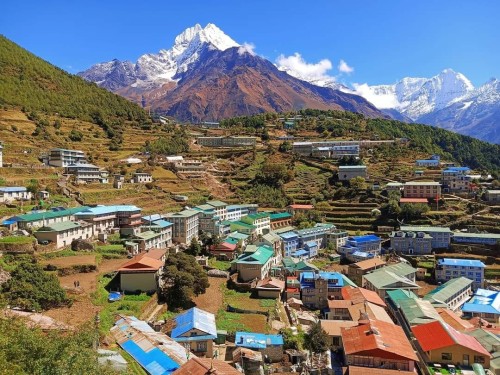
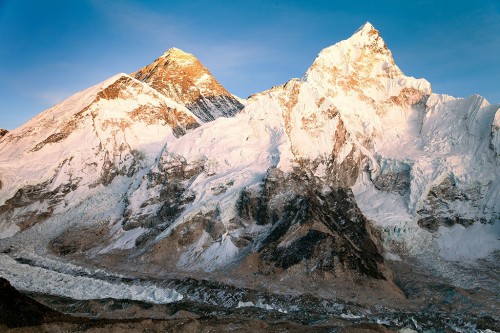
The Everest Base Camp Trek is one of the most celebrated Himalayan adventures, taking trekkers through the spectacular Khumbu region toward the base of Mount Everest (8,848.86m). The trail passes through traditional Sherpa settlements, lively Namche Bazaar, high mountain valleys, and centuries-old Buddhist religious sites. Along the way, trekkers enjoy incredible views of Everest, Lhotse, Nuptse, and the distinctive pyramid of Ama Dablam.
Highlights include crossing suspension bridges above deep valleys, visiting Tengboche Monastery, exploring Sherpa villages, and witnessing the dramatic Khumbu Glacier. This trek is ideal for travelers seeking a rewarding combination of high-altitude adventure, mountain scenery, and authentic Himalayan culture. Proper acclimatization and physical preparation are essential for a safer and more enjoyable journey.
2. Shey Phoksundo Lake Trek – Discover Dolpo’s Hidden Wilderness
For travelers searching for peaceful landscapes and remote Himalayan culture, the Shey Phoksundo Trek offers an extraordinary escape into western Nepal. Located within Shey Phoksundo National Park, Phoksundo Lake is famous for its striking turquoise water, rugged cliffs, and magnificent mountain surroundings. Its remarkable colors and tranquil atmosphere make it one of Nepal’s most captivating natural attractions.
The journey introduces trekkers to traditional Dolpo settlements, ancient Buddhist and Bon cultural influences, and landscapes far removed from Nepal’s busier trekking corridors. Depending on the itinerary, visitors can explore remote villages, observe local traditions, and experience the rich biodiversity of the national park. This destination is particularly appealing to adventurers who value solitude, cultural discovery, and unspoiled Himalayan scenery.
3. Annapurna Base Camp Trek – Enter the Magnificent Mountain Sanctuary
The Annapurna Base Camp Trek leads into a spectacular natural amphitheater surrounded by some of the Himalayas’ most impressive peaks. Reaching approximately 4,130 meters, Annapurna Base Camp offers dramatic views of Annapurna I (8,091m), Annapurna South, Hiunchuli, and the distinctive Machhapuchhre, also known as Fishtail Mountain.
The trail winds through terraced farmland, traditional Gurung villages, lush forests, waterfalls, and beautiful mountain valleys. Trekkers can also visit Machhapuchhre Base Camp and enjoy the changing scenery as the landscape becomes increasingly alpine. Travelers with additional time can combine the route with Ghorepani and Poon Hill for a memorable sunrise panorama over the Annapurna and Dhaulagiri ranges. With welcoming teahouses and rich cultural encounters, ABC is an excellent choice for those seeking a balanced Himalayan trekking experience.
4. Langtang Valley Trek – Explore the Valley of Glaciers
Located north of Kathmandu, the Langtang Valley Trek offers an impressive Himalayan experience without requiring a flight to a mountain airstrip. The adventure generally begins with a journey to Syabrubesi before following forested trails through traditional Tamang settlements, river valleys, and alpine landscapes toward Kyanjin Gompa.
Langtang Lirung dominates the surrounding skyline, creating a dramatic backdrop for the journey. At Kyanjin Gompa, trekkers can explore the local monastery and consider additional hikes to viewpoints such as Kyanjin Ri or Tserko Ri, depending on conditions and fitness. Langtang National Park also supports diverse plant and animal life, including forests of rhododendron and other Himalayan vegetation. This route is an excellent option for travelers interested in mountain panoramas, Buddhist-influenced culture, and a rewarding trek relatively close to Kathmandu.
5. Manaslu Circuit Trek – An Adventure Beyond the Crowded Trails
The Manaslu Circuit Trek circles Mount Manaslu (8,163m), the world’s eighth-highest mountain, through a region known for its rugged landscapes and strong Tibetan cultural influences. The route passes through remote settlements, forested valleys, traditional villages, and increasingly dramatic high-altitude terrain before reaching the challenging Larkya La Pass at approximately 5,160 meters.
Along the way, trekkers encounter monasteries, prayer flags, mani walls, and communities where longstanding Himalayan traditions remain an important part of daily life. The route offers a rewarding alternative for experienced hikers seeking a quieter trekking experience than some of Nepal’s busiest trails. Because the Manaslu region includes restricted areas, travelers must follow current permit rules and applicable guide requirements. Careful acclimatization and preparation are particularly important for crossing the high pass.
6. Upper Mustang Trek – Step into Nepal’s Ancient Himalayan Kingdom
The Upper Mustang Trek transports visitors into a distinctive world of wind-carved cliffs, colorful rock formations, ancient settlements, and Tibetan Buddhist heritage. Often described as Nepal’s “Last Forbidden Kingdom,” the region preserves a remarkable cultural identity shaped by centuries of Himalayan trade and religious traditions.
The historic walled settlement of Lo Manthang is a major highlight, with traditional architecture, monasteries, and narrow lanes reflecting the region’s unique heritage. The surrounding landscape contrasts sharply with Nepal’s greener trekking regions, creating an almost desert-like environment beneath the towering Himalayas. Upper Mustang lies in a rain-shadow area, making it a popular option during the monsoon months, although weather and road or trail conditions can still vary. Special permits are required, and travelers should confirm current regulations before departure.
7. Ghorepani Poon Hill Trek – A Short Journey to Spectacular Sunrises
The Ghorepani Poon Hill Trek is among Nepal’s most rewarding short trekking holidays, particularly for beginners, families with suitable fitness levels, and travelers with limited time. The route passes through welcoming mountain villages, terraced hillsides, stone stairways, and beautiful rhododendron forests.
The main attraction is the early-morning ascent to Poon Hill, approximately 3,210 meters above sea level. From the viewpoint, the first sunlight illuminates the Annapurna and Dhaulagiri ranges, creating a memorable panorama of snow-covered Himalayan peaks. Along the way, visitors can experience Gurung and Magar hospitality, enjoy comfortable teahouse accommodation, and discover the natural beauty of the Annapurna region. This trek offers an accessible introduction to Nepal’s mountain landscapes without requiring an extended high-altitude expedition.
8. Kanchenjunga Base Camp Trek – Explore the Remote Eastern Himalayas
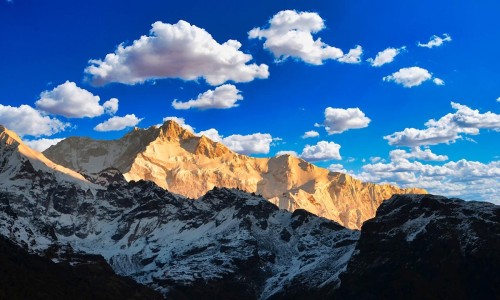
For trekkers seeking a demanding journey far from the most heavily visited routes, the Kanchenjunga Base Camp Trek opens the door to Nepal’s spectacular eastern Himalayas. Mount Kanchenjunga (8,586m), the world’s third-highest mountain, rises above a vast landscape of glaciers, rugged ridges, remote villages, and protected wilderness.
Depending on the itinerary, trekkers can travel toward the northern base camp at Pangpema, approximately 5,140 meters, and the southern viewpoint around Oktang. The region is known for its remarkable mountain scenery, cultural diversity, and rich natural environment. Kanchenjunga Conservation Area provides habitat for a range of Himalayan wildlife, although sightings are never guaranteed. This trek is best suited to well-prepared adventurers who have sufficient time, good physical conditioning, and an interest in remote mountain exploration. Special permits and current regional regulations must be arranged before the trek.
9. Mardi Himal Trek – Find Quiet Trails and Close-Up Mountain Views
The Mardi Himal Trek is a popular choice for travelers looking for a shorter Himalayan adventure with impressive mountain scenery. Situated in the Annapurna region, the route follows forested paths and narrow ridgelines toward high viewpoints beneath Machhapuchhre and the Annapurna range.
As the trail climbs, dense vegetation gradually gives way to open alpine landscapes and dramatic views of surrounding peaks. Depending on the itinerary and trail conditions, trekkers can continue toward Mardi Himal Base Camp, commonly approached at elevations around 4,500 meters. The combination of scenic ridges, mountain forests, and relatively peaceful walking sections makes this route attractive to hikers seeking a memorable alternative to busier Annapurna trails. Despite its shorter duration, the trek involves substantial elevation gain and requires appropriate preparation.
10. Rara Lake Trek – Experience the Tranquility of Nepal’s Far West
The Rara Lake Trek reveals a quieter side of Nepal, taking travelers into the remote Karnali region to discover the country’s largest lake. Located at approximately 2,990 meters, Rara Lake is celebrated for its clear blue waters, forested shores, surrounding hills, and reflections of distant snow-covered mountains.
The lake lies within Rara National Park, an appealing destination for nature lovers and travelers who want to explore beyond Nepal’s well-known trekking regions. Depending on the chosen itinerary, visitors may fly to Talcha Airport and continue on foot toward the lake, or arrange a different approach based on transportation and trail conditions. The peaceful surroundings, pine forests, and traditional local communities create an ideal setting for photography, gentle exploration, and a slower-paced Himalayan holiday.
Plan Your Himalayan Trekking Adventure in Nepal for 2027–2028
From the legendary trails of Everest to the turquoise waters of Phoksundo and Rara lakes, Nepal’s top trekking destinations for 2027–2028 offer remarkable choices for every kind of mountain traveler. Some routes focus on famous Himalayan panoramas, while others reveal remote cultures, ancient monasteries, quiet forests, and landscapes rarely experienced by ordinary visitors.
Choosing the right trek depends on your available time, physical fitness, preferred season, budget, and interest in culture or wilderness. Spring and autumn are generally popular trekking seasons, while selected rain-shadow destinations can offer alternatives during the monsoon. High-altitude routes require appropriate acclimatization, suitable equipment, travel insurance, and compliance with current permit and guide regulations.
With Adventure Nepal Eco Treks, travelers can plan a personalized Nepal trekking holiday with local support for route selection, guides, permits, accommodation, and transportation. Whether you dream of reaching Everest Base Camp, exploring the hidden corners of Dolpo, or enjoying a peaceful walk through the Annapurna foothills, Nepal is ready to deliver an unforgettable Himalayan experience in 2027–2028.
1. What are the top trekking destinations in Nepal for 2027–2028?
Nepal offers an incredible variety of trekking routes, from world-famous Himalayan trails to peaceful journeys through remote mountain communities. The top destinations include Everest Base Camp, Annapurna Base Camp, Langtang Valley, Manaslu Circuit, Upper Mustang, Ghorepani Poon Hill, Mardi Himal, Kanchenjunga Base Camp, Shey Phoksundo Lake, and Rara Lake. Each destination provides a different combination of mountain scenery, local culture, wildlife, and outdoor adventure.
2. Which trek is the best for first-time trekkers in Nepal?
The Ghorepani Poon Hill Trek is an excellent introduction to trekking in Nepal because it offers spectacular mountain views, welcoming villages, forest trails, and comfortable teahouse accommodation. The Mardi Himal and shorter Langtang itineraries can also suit beginners who have reasonable fitness and prepare properly. The best choice depends on your available time, walking ability, and comfort with altitude.
3. Is the Everest Base Camp Trek worth doing in 2027–2028?
Yes. The Everest Base Camp Trek is a bucket-list adventure for travelers who want to experience the world's highest mountain region. The route passes through Sherpa villages, Namche Bazaar, Tengboche Monastery, and spectacular Himalayan valleys before reaching Everest Base Camp at approximately 5,364 meters. Panoramic mountain views, Khumbu Glacier scenery, and cultural encounters make this a memorable journey. Good preparation and gradual acclimatization are essential.
4. What is the difference between the Annapurna Base Camp and Everest Base Camp treks?
The Everest Base Camp Trek takes travelers into the high-altitude Khumbu region, with famous Himalayan peaks, Sherpa culture, and a demanding approach to Everest Base Camp. The Annapurna Base Camp Trek enters the Annapurna Sanctuary at approximately 4,130 meters, combining dramatic mountain views with forests, waterfalls, terraced fields, and Gurung villages. Everest Base Camp generally reaches a higher altitude, while Annapurna Base Camp offers a different landscape and cultural experience.
5. Which trekking destination in Nepal is best for a short holiday?
Ghorepani Poon Hill and Mardi Himal are popular choices for travelers with limited time. Poon Hill offers memorable sunrise views over the Annapurna and Dhaulagiri ranges, while Mardi Himal provides impressive views of Machhapuchhre and nearby peaks. Depending on the route, fitness, and transportation arrangements, these treks can fit into a relatively short Nepal holiday.
6. What makes the Langtang Valley Trek special?
The Langtang Valley Trek is known for its mountain scenery, Tamang culture, forested valleys, glaciers, and traditional settlements. Located north of Kathmandu, it offers a rewarding Himalayan adventure without requiring a flight to Lukla. Highlights include Kyanjin Gompa, views of Langtang Lirung, and optional hikes to Kyanjin Ri or Tserko Ri. It is a strong choice for travelers seeking natural beauty and cultural experiences.
7. Is the Manaslu Circuit Trek suitable for experienced trekkers?
The Manaslu Circuit is particularly attractive to trekkers looking for remote Himalayan scenery, traditional villages, and a challenging high-mountain crossing. The route circles Mount Manaslu and crosses Larkya La Pass at approximately 5,160 meters. Long walking days, altitude, changing weather, and steep terrain make preparation important. Trekkers must also comply with restricted-area permit rules and current guide requirements.
8. Can I trek in Nepal during the monsoon season?
Yes, although conditions vary considerably by region. Rainfall can make many trails slippery and increase the risk of landslides, particularly in lower valleys. Rain-shadow destinations such as Upper Mustang and parts of the Mustang–Manang region are often considered alternatives during the monsoon. Travelers should check local weather, road access, and trail conditions before departure.
9. Why should I choose the Upper Mustang Trek?
Upper Mustang is famous for its distinctive desert-like landscapes, ancient caves, traditional settlements, and Tibetan Buddhist heritage. Lo Manthang, the historic walled settlement, is a major highlight. Because the region lies in a rain shadow, it can be an appealing option during the summer monsoon. Special permits apply, and travelers should confirm current entry rules and costs before booking.
10. What can I expect on the Shey Phoksundo Lake Trek?
The Shey Phoksundo Lake Trek takes travelers into the remote Dolpo region, where turquoise water, towering cliffs, rugged mountains, and traditional villages create extraordinary scenery. The lake lies within Shey Phoksundo National Park, an area known for its biodiversity and distinctive cultural heritage. This destination is ideal for travelers seeking quieter trails and a more remote Himalayan experience. Travel logistics and route difficulty depend on the itinerary.
11. Is the Rara Lake Trek suitable for nature lovers?
Absolutely. Rara Lake, Nepal's largest lake, is surrounded by pine forests, rolling hills, and mountain scenery in the remote Karnali region. Located at approximately 2,990 meters, it offers a peaceful setting for nature walks, photography, birdwatching, and cultural exploration. The journey usually requires careful transportation planning because the region is less accessible than popular trekking areas.
12. What is special about the Kanchenjunga Base Camp Trek?
The Kanchenjunga Base Camp Trek explores Nepal's remote eastern Himalayas around Mount Kanchenjunga, the world's third-highest mountain at 8,586 meters. Depending on the itinerary, trekkers may visit the northern base camp area at Pangpema and the southern viewpoint near Oktang. The region offers impressive glaciers, isolated settlements, diverse landscapes, and opportunities to learn about local traditions. It is a demanding trek requiring sufficient time, preparation, and special permits.
13. When is the best season for trekking in Nepal in 2027–2028?
Spring, from March to May, and autumn, from September to November, are generally the most popular trekking seasons. These periods often provide favorable walking conditions and excellent mountain views, although weather can change quickly. Winter may suit some lower-altitude routes, while selected rain-shadow areas can be attractive during the monsoon. Choose your destination according to seasonal conditions and current local advice.
14. How difficult are Nepal's top trekking routes?
Trekking difficulty varies from relatively accessible short hikes to demanding high-altitude expeditions. Poon Hill is generally more approachable for beginners, while Everest Base Camp and Annapurna Base Camp require sustained walking and altitude awareness. Manaslu, Kanchenjunga, and remote Dolpo routes can involve longer itineraries, limited facilities, difficult terrain, or high passes. Training, suitable equipment, and a realistic itinerary help improve your trekking experience.
15. Do I need a guide for trekking in Nepal in 2027–2028?
Guide requirements depend on the trekking region and current regulations. Nepal requires licensed guides and agency-arranged trekking registration on many designated routes, while restricted regions have additional rules. A local guide can also help with navigation, accommodation, cultural interpretation, altitude awareness, and unexpected changes in conditions. Confirm the latest requirements for your chosen route before departure.
16. What permits are required for trekking in Nepal?
Permit requirements vary by destination. Trekkers may need conservation-area or national-park permits, trekking registration, or special restricted-area permits. Routes such as Manaslu, Upper Mustang, and Kanchenjunga have specific requirements that differ from those for popular Annapurna or Everest itineraries. Permit categories, fees, and procedures can change, so verify the latest official regulations before your 2027–2028 trip.
17. How many days should I plan for a trekking holiday in Nepal?
The ideal duration depends on your destination, travel arrangements, walking pace, and acclimatization needs. Short treks such as Poon Hill or Mardi Himal can fit into a shorter holiday, while Everest Base Camp and Annapurna Base Camp usually require more time. Remote journeys such as Kanchenjunga and Dolpo often need longer itineraries because of access logistics and the distances involved. Include contingency days for weather and transportation delays.
18. What accommodation is available on Nepal trekking routes?
Many established trekking routes offer teahouses and mountain lodges with rooms and meals. Facilities vary by region and altitude, from relatively comfortable lodges on popular trails to basic accommodation in remote areas. Hot showers, charging, Wi-Fi, and private bathrooms may be limited or cost extra. Some remote itineraries require camping or specially arranged logistics, so check the facilities available on your chosen route.
19. What should I pack for trekking in Nepal?
Essential items include sturdy trekking boots, moisture-managing clothing, insulating layers, a waterproof jacket, warm gloves, sun protection, a reusable water bottle, a headlamp, and a comfortable backpack. High-altitude treks also require suitable cold-weather equipment and a sleeping bag appropriate for expected temperatures. Bring personal medication, basic first-aid supplies, and any necessary altitude-related medication prescribed by a qualified healthcare professional. Your packing list should match the season and itinerary.
20. Why book a Nepal trekking package with Adventure Nepal Eco Treks?
Booking with a reputable local trekking agency can simplify itinerary planning, transportation, accommodation, permits, and guide arrangements. Adventure Nepal Eco Treks can help travelers explore options across Nepal, from popular Everest and Annapurna routes to cultural journeys and remote Himalayan adventures. When planning your 2027–2028 trip, discuss your travel dates, budget, fitness level, preferred destination, and expectations so your itinerary can be tailored to your needs. Confirm package inclusions, exclusions, permit arrangements, and current trekking regulations before booking.
Plan your Nepal trekking adventure for 2027–2028: Whether you dream of reaching Everest Base Camp, walking through the Annapurna Sanctuary, exploring the ancient culture of Upper Mustang, or discovering the peaceful waters of Rara Lake, Nepal offers an extraordinary Himalayan experience for every kind of adventurer.
Travel Nepal with Our Experienced Local Team
At Adventure Nepal Eco Treks, our energetic, professional, and dedicated team is committed to creating memorable journeys across Nepal. Our focus on reliable service, personalized support, and authentic Himalayan experiences has earned us a 5/5-star rating on TripAdvisor from travelers who have explored Nepal with us.
Before planning your adventure, we invite you to explore our traveler feedback and reviews on TripAdvisor to discover what our guests say about their trekking, tours, cultural journeys, and Himalayan adventures with us.
If you are planning your next trip to Nepal and would like expert assistance with Everest Base Camp, Annapurna, Manaslu, Langtang, Poon Hill, cultural tours, wildlife adventures, or customized Nepal holidays, our experienced local team is ready to help. We can assist with itinerary planning, trekking arrangements, permits, guides, transportation, accommodation, and other essential travel services.
Contact Adventure Nepal Eco Treks today and let our local experts help turn your Nepal travel ideas into an unforgettable Himalayan experience. Our team is available 24/7 on WhatsApp for travel advice, trip planning, and booking support.
TripAdvisor Reviews: Read our Traveller Feedback on TripAdvisor
Email: info@nepalecotrekking.com
WhatsApp: +977-9851082358
From a quick 2-day Himalayan escape to an epic 20-day journey through the heart of Nepal, there’s an adventure waiting for you. Whether you dream of walking beneath towering peaks, discovering hidden mountain villages, experiencing authentic Himalayan culture, or challenging yourself on legendary trails, Adventure Nepal Eco Treks has a journey to match your schedule and spirit.
Choose your perfect adventure from 2 to 20 days—with carefully crafted itineraries designed around your time, interests, and trekking goals. Short on time? Go farther than you imagined. Have more time? Go deeper into the Himalayas.
Pick your days. Choose your trail. Live Nepal.
2 day, 3 day, 4 day, 5 day, 6 day, 7 day, 8 day, 9 day, 10 day, 11 day, 12 day, 13 day, 14 day, 15 day, 16 day, 18 day, 20 day
Recent From Blog


8th Sep, 2026

16th Aug, 2026

10th Aug, 2026

8th Aug, 2026

1st Aug, 2026

31st Jul, 2026

29th Jul, 2026
25th Jul, 2026

29th Jun, 2026
4th Jan, 2026


5th Jun, 2025

19th May, 2025

9th May, 2025

18th Apr, 2025

22nd Oct, 2024
21st Oct, 2024
19th Oct, 2024

18th Oct, 2024

11th Oct, 2024
11th Oct, 2024
8th Oct, 2024
