

29th Oct, 2025
Everything You Need to Know Before Planning Trekking in Nepal 2026–2027
Trekking in Nepal is a dream for adventurers across the world, and 2026–2027 promises to be one of the most rewarding seasons for mountain lovers. Nestled between the great peaks of the Himalayas, Nepal offers trails that weave through snow-capped mountains, lush valleys, and ancient villages. Whether you dream of standing beneath Everest, wandering the Annapurna Circuit, or exploring the remote beauty of Upper Mustang, each trek reveals the soul of Nepal—its landscapes, people, and timeless spirituality.
Table of Contents
The best seasons for trekking in Nepal are autumn (September–November) and spring (March–May). During autumn, the skies are crystal clear, the air crisp, and the mountains shine in their purest glory after the summer monsoon. Spring brings a burst of life—rhododendron forests bloom, hillsides turn green, and the weather remains mild and pleasant. Both seasons offer ideal conditions for trekkers to explore the country’s diverse regions, from the high passes of Everest to the serene beauty of Langtang and Mardi Himal.
Before planning your trek, it’s essential to choose the right route that matches your fitness level and travel goals. Nepal offers everything—from short and easy hikes like Ghorepani Poon Hill Trek or Mardi Himal Trek, to challenging adventures such as the Everest Three Passes Trek and Manaslu Circuit. Each trail carries its own rhythm—some filled with cultural encounters, others with wilderness solitude. Understanding altitude, distance, and acclimatization days helps make your journey safe and enjoyable.
Equally important is selecting the best trekking company in Nepal. Trusted agencies like Adventure Nepal Eco Treks Pvt. Ltd. provide professional guides, quality equipment, and well-planned itineraries that ensure both safety and cultural immersion. They also assist with all necessary permits such as the TIMS Card and National Park entry permits, allowing travelers to focus on the beauty of the experience. Traveling with a responsible and experienced team makes every step more meaningful.
Packing wisely is another key to a successful trek. Layered clothing, sturdy trekking boots, a warm sleeping bag, and essentials like sunscreen, water purification tablets, and energy snacks are must-haves. Altitude awareness is crucial, especially above 3,000 meters—hydration, rest, and a gradual pace help prevent altitude sickness. Respecting local culture and minimizing environmental impact by following sustainable travel practices also enhance the trekking experience for both visitors and locals.
In 2026–2027, Nepal is expected to welcome trekkers with improved trails, eco-friendly lodges, and revitalized local hospitality after years of sustainable tourism initiatives. Whether you are seeking spiritual connection, natural beauty, or pure adventure, trekking in Nepal’s autumn and spring seasons will leave you with memories that last a lifetime. With expert guidance from Adventure Nepal Eco Treks, your journey through the Himalayas becomes not just a trek—but a personal pilgrimage to the heart of nature.
1. When is the best time to trek in Nepal in 2026–2027?
The best seasons are autumn (September–November) and spring (March–May). Autumn offers clear skies and mountain visibility, while spring blooms with rhododendrons and pleasant temperatures.
2. Do I need a permit to trek in Nepal?
Yes. Most trekking routes require a TIMS Card (Trekkers’ Information Management System) and National Park or Conservation Area permits. Restricted areas like Upper Mustang or Manaslu need special permits, arranged by a registered trekking agency.
3. How difficult are the trekking routes in Nepal?
Nepal offers trails for every fitness level. Easy treks like Poon Hill or Kapuche Lake Trek are suitable for beginners, while challenging routes such as the Everest Three Passes Trek or Manaslu Circuit demand good physical conditioning and previous hiking experience.
4. What is the average trekking duration in Nepal?
Trekking durations vary depending on the route—short treks range from 3 to 7 days, while long treks like Everest Base Camp or Annapurna Circuit may take 12–20 days.
5. What kind of accommodation can I expect during the trek?
Trekkers stay in tea houses or mountain lodges, which offer basic but comfortable rooms, hot meals, and warm hospitality. In major trekking areas, luxury lodges are also available.
6. Is it safe to trek in Nepal?
Yes, trekking in Nepal is safe when organized with a licensed trekking company like Adventure Nepal Eco Treks Pvt. Ltd. Experienced guides ensure your safety, handle permits, and manage altitude concerns efficiently.
7. What should I pack for a trek in Nepal?
Essential items include trekking boots, layered clothing, a down jacket, sleeping bag, first-aid kit, water purification tablets, and sunscreen. Packing light but smart ensures comfort and mobility.
8. How can I prevent altitude sickness while trekking?
Trek gradually, stay hydrated, and allow time for acclimatization above 3,000 meters. Avoid alcohol, rest well, and follow your guide’s advice for a safe journey.
9. Can I trek solo in Nepal?
Some routes allow solo trekking, but restricted areas like Upper Mustang, Manaslu, and Kanchenjunga require a licensed guide and special permits. Traveling with a trekking company enhances both safety and cultural experience.
10. Why choose Adventure Nepal Eco Treks for my trek?
Adventure Nepal Eco Treks Pvt. Ltd. is a trusted local company with experienced guides, personalized itineraries, and a strong focus on safety, comfort, and sustainability. They ensure every trek in Nepal becomes an unforgettable Himalayan adventure.
Day 1: Arrival in Kathmandu (1,350m / 4,429ft)
Upon arrival at Tribhuvan International Airport, our team will warmly welcome you and transfer you to your hotel in Kathmandu. In the evening, enjoy a welcome dinner and briefing about your Everest Base Camp adventure.
Overnight in Kathmandu.
Day 2: Fly to Lukla (2,840m / 9,318ft) and Trek to Phakding (2,610m / 8,563ft)
A scenic 30-minute flight takes you to Lukla, the gateway to the Everest region. Begin your trek along the Dudh Koshi River through Sherpa villages and pine forests to Phakding.
Trek Distance: 8 km | Duration: 3–4 hrs
Overnight in Phakding.
Day 3: Trek from Phakding to Namche Bazaar (3,440m / 11,286ft)
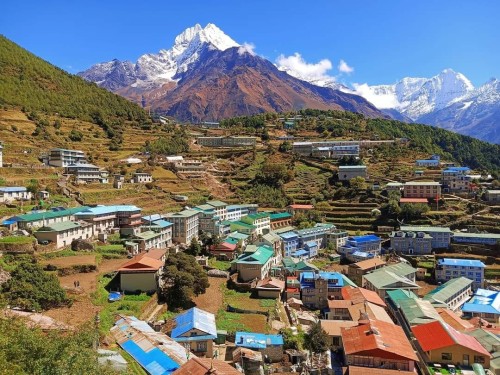
Cross suspension bridges and ascend gradually through forests of rhododendron and pine. The climb to Namche offers the first view of Mount Everest.
Trek Distance: 10–11 km | Duration: 6–7 hrs
Overnight in Namche Bazaar.
Day 4: Acclimatization Day in Namche Bazaar
Spend the day exploring Namche — visit the Sherpa Museum, Everest View Hotel, and local markets. This rest day helps your body adjust to the altitude.
Optional Hike: 3–4 km | Duration: 2–3 hrs
Overnight in Namche Bazaar.
Day 5: Trek from Namche to Tengboche (3,870m / 12,697ft)
The trail descends to Phunki Tenga before a steady climb to Tengboche, home to the famous Tengboche Monastery and breathtaking views of Ama Dablam and Everest.
Trek Distance: 9 km | Duration: 5–6 hrs
Overnight in Tengboche.
Day 6: Trek from Tengboche to Dingboche (4,360m / 14,305ft)
Descend through rhododendron forests to Deboche and cross the Imja Khola River. Pass Pangboche village and climb steadily to Dingboche, surrounded by majestic peaks.
Trek Distance: 10–11 km | Duration: 5–6 hrs
Overnight in Dingboche.
Day 7: Acclimatization Day in Dingboche
Enjoy a light hike to Nangkartshang Peak (5,083m) for panoramic views of Makalu, Lhotse, and Ama Dablam. Rest and prepare for higher altitudes.
Optional Hike: 4–5 km | Duration: 3–4 hrs
Overnight in Dingboche.
Day 8: Trek from Dingboche to Lobuche (4,910m / 16,108ft)
The trail climbs gradually to Thukla Pass (4,830m), passing memorials dedicated to mountaineers. Continue along glacial terrain to reach Lobuche.
Trek Distance: 8–9 km | Duration: 5–6 hrs
Overnight in Lobuche.
Day 9: Trek from Lobuche to Gorak Shep (5,164m / 16,942ft) and Hike to Everest Base Camp (5,364m / 17,598ft)
Follow the Khumbu Glacier to Gorak Shep, then hike to the legendary Everest Base Camp. Stand at the foot of the world’s highest peak — a lifetime achievement!
Trek Distance: 12–13 km | Duration: 7–8 hrs
Overnight in Gorak Shep.
Day 10: Hike to Kala Patthar (5,545m / 18,192ft) and Trek to Pheriche (4,240m / 13,911ft)
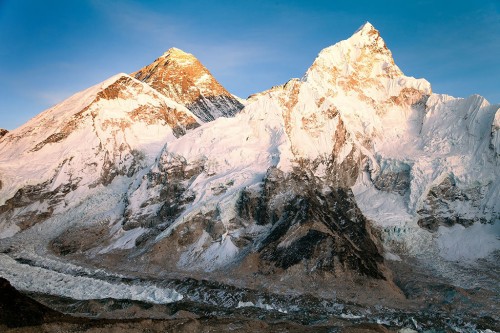
Early morning climb to Kala Patthar for the best sunrise view over Everest, Lhotse, and Nuptse. Descend to Pheriche for rest.
Trek Distance: 12–13 km | Duration: 7 hrs
Overnight in Pheriche.
Day 11: Trek from Pheriche to Namche Bazaar (3,440m / 11,286ft)
Follow the river valley and retrace your steps through Pangboche and Tengboche to reach Namche Bazaar.
Trek Distance: 14–15 km | Duration: 7 hrs
Overnight in Namche Bazaar.
Day 12: Trek from Namche Bazaar to Lukla (2,840m / 9,318ft)
Descend steeply, cross several suspension bridges, and enjoy your final trekking day in the Everest region before celebrating in Lukla.
Trek Distance: 18–19 km | Duration: 7–8 hrs
Overnight in Lukla.
Day 13: Fly from Lukla to Kathmandu
Take an early morning flight back to Kathmandu. Enjoy a relaxing day, shopping, or exploring the city’s vibrant cafes.
Flight Duration: 30 minutes
Overnight in Kathmandu.
Day 14: Buffer/Leisure Day in Kathmandu
A spare day in case of weather delays from Lukla flights. You can explore Bhaktapur or Patan and enjoy a farewell Nepali dinner.
Overnight in Kathmandu.
Day 15: Departure Day
Our representative will transfer you to Tribhuvan International Airport for your onward flight, marking the end of an unforgettable Everest journey.
Trip Ends.
Recent From Blog


8th Sep, 2026

16th Aug, 2026

10th Aug, 2026

8th Aug, 2026

1st Aug, 2026

31st Jul, 2026

29th Jul, 2026
25th Jul, 2026

29th Jun, 2026
4th Jan, 2026


5th Jun, 2025

19th May, 2025

9th May, 2025

18th Apr, 2025

22nd Oct, 2024
21st Oct, 2024
19th Oct, 2024

18th Oct, 2024

11th Oct, 2024
11th Oct, 2024
8th Oct, 2024
