

24th Sep, 2026
Nepal Trekking Update 2026 | Routes & Travel Conditions
Nepal Trekking Update 2026: Trekking Routes, Floods & Current Travel Conditions
Table of Contents
Nepal remains open for trekking and adventure travel in 2026, although current conditions vary by region and travelers should check the latest weather, trail, road, and local authority updates before starting their journey. Recent floods, landslides, and heavy rainfall have affected several parts of the country, but the impact has been localized rather than affecting all of Nepal’s major trekking destinations.
We understand why travelers planning a Nepal trekking holiday in 2026 may have questions after seeing reports about flooding, damaged bridges, blocked highways, and natural disasters. These concerns are understandable. However, it is important to distinguish between damage to particular road corridors and infrastructure and the actual condition of individual trekking regions. Road access and trekking-trail conditions are not necessarily the same, and each destination needs to be assessed separately.
Several well-known trekking regions continue to operate, while others have experienced temporary restrictions or access challenges. For example, the Manaslu trekking route had an earlier restriction on a damaged section, but the Nepal Tourism Board reported on September 11 that structures around Namrung had been restored to a condition suitable for trekking and that the restriction had been lifted.
At the same time, travelers should not assume that every route is operating normally every day. On September 23, Nepal’s meteorological authorities advised suspending Himalayan trekking temporarily because of heavy rain and snowfall, while travelers already in mountain areas were advised to move toward safer, lower elevations. Current reports also indicate disruptions in parts of Annapurna, Manaslu, and Khumbu, demonstrating why real-time conditions are essential when planning a trek.
The best approach for Nepal trekking in 2026 is therefore informed and flexible travel. Before departure, check the latest updates from the Nepal Tourism Board, local authorities, your airline or transport provider, and your trekking agency. Experienced local teams can also monitor trail conditions, weather developments, road access, and temporary restrictions and adjust itineraries when necessary.
For travelers preparing for Everest Base Camp, Annapurna, Manaslu, or other Himalayan adventures, Nepal continues to offer extraordinary mountain landscapes and cultural experiences. However, route conditions can change rapidly during periods of heavy rainfall or snowfall. Proper preparation, travel insurance, appropriate trekking equipment, licensed guides where required, and a willingness to adjust plans are essential for a safer and more enjoyable journey.
Nepal trekking remains possible in 2026, but travelers should choose their route based on current local conditions rather than relying on a countrywide assumption. With updated information, professional local support, and a flexible itinerary, visitors can continue exploring Nepal’s remarkable Himalayas while respecting temporary restrictions and weather-related safety advice.
Nepal Trekking Update 2026: Trekking Routes and Current Conditions After Recent Floods
Nepal’s renowned trekking regions—including Everest, Annapurna, Manaslu, Langtang, Mustang, and other Himalayan destinations—continue to attract trekkers, but current conditions differ from one region to another. Recent floods and landslides have caused serious damage to roads, bridges, and transportation infrastructure in specific areas rather than affecting every trekking destination across Nepal. The Nepal Tourism Board continues to provide destination-specific situation updates, and the Manaslu route, for example, was reported suitable for trekking again after an earlier restriction was lifted.
It is therefore important for travelers to distinguish between road and transport disruptions and the condition of individual trekking trails. Some trekking regions remain accessible, while others currently require route changes, alternative access, or postponement depending on weather and infrastructure conditions. Local guides, trekking agencies, accommodation providers, and transport operators continue to monitor changing conditions and can adjust arrangements when necessary.
Langtang Trek 2026: Current Road Conditions Around Syabrubesi
The Langtang Valley Trek has been significantly affected by recent flooding in the Rasuwa region, particularly around Syabrubesi and the road connection toward Dhunche. Floods damaged roads and bridges, and reports indicate that the direct road connection between Syabrubesi and Dhunche was cut off after the August 26 disaster. The trekking valley itself was not directly hit in the same way, but damaged infrastructure has made access and supplies considerably more difficult.
For this reason, travelers should not assume that the standard road journey to Syabrubesi is currently operating normally. Alternative approaches have been discussed, including access through the Sindhupalchok side, but conditions can change quickly and should be confirmed before departure.
If you are planning the Langtang Trek in 2026, our local team can check the latest transportation and trail conditions before your departure and discuss available alternatives. Depending on the situation, the itinerary may need to be adjusted, transportation changed, or the trek postponed until authorities and local conditions indicate that travel is appropriate.
Current weather is another important consideration. In late September 2026, Nepal has experienced heavy rainfall, flooding, landslides, and snowfall in mountain areas. Authorities have recently advised against Himalayan trekking during periods of severe weather and recommended that trekkers already in high-altitude areas move toward safer, lower elevations.
The key message for trekkers in 2026 is simple: Nepal should be assessed region by region. Do not assume that flooding in one district has closed every trekking route, but also do not assume that a famous trekking destination is automatically accessible. Check the latest official updates, weather forecasts, road conditions, and local information before starting your adventure.
With current information, flexible planning, experienced local support, and appropriate safety precautions, travelers can make better-informed decisions about trekking in Nepal while respecting temporary restrictions and changing mountain conditions.
Major Trekking Routes in Nepal 2026 Remain Distinct from Road Conditions
One of the most important things travelers should understand when planning a Nepal trekking adventure 2026–2027–2028 is that damage to a road does not automatically mean that an entire trekking route has been destroyed or is inaccessible. Nepal’s trekking destinations cover vast mountain landscapes, forests, valleys, traditional villages, river corridors, and high-altitude terrain, so the impact of a natural disaster can vary significantly from one location to another.
Floods and landslides may damage particular roads, bridges, or transportation corridors, while established trekking trails in other sections remain usable. However, trail conditions should always be checked locally, especially after heavy rainfall, landslides, or snowfall. Our experienced local guides and representatives stay in contact with communities, accommodation providers, transport operators, and relevant local authorities to understand current conditions along the route.
If a particular road section or access point is affected, the itinerary can be reviewed and adjusted according to the latest situation. Alternative transportation, route changes, additional walking sections, or revised schedules may sometimes be necessary. This flexible approach helps travelers make informed decisions while responding to changing conditions in the Himalayas.
Everest Base Camp Trek 2026 Current Trekking Update
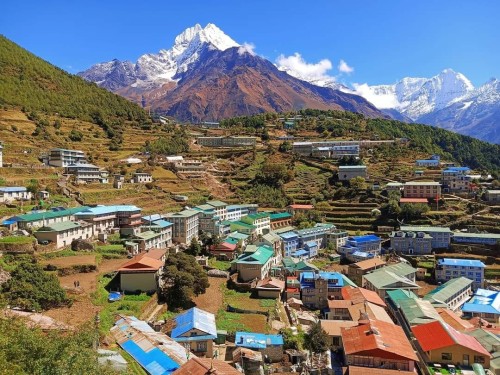
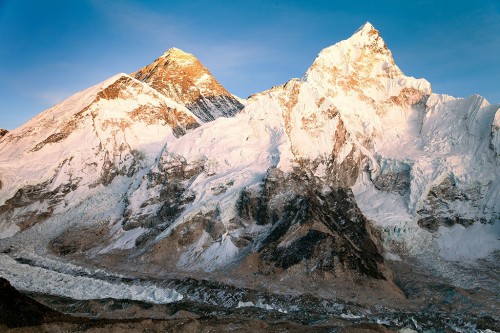
The Everest Base Camp Trek remains one of Nepal’s iconic Himalayan adventures, attracting trekkers who want to experience Sherpa culture, spectacular mountain scenery, Sagarmatha National Park, Namche Bazaar, Tengboche, and the legendary Everest Base Camp. The Everest region continues to be an important trekking destination, but access can be influenced by weather, flight operations, trail conditions, and seasonal factors.
For travelers planning Everest Base Camp Trek 2026 transportation and Lukla flight operations should be confirmed according to the latest weather and operational conditions. Our local team maintains communication with guides, accommodation partners, and transportation providers so that necessary adjustments can be made when circumstances change.
Travelers can also consider different Everest-region experiences, including the Everest Base Camp Trek, Everest Base Camp with Helicopter Return, Gokyo Valley Trek, Gokyo–Everest routes, Three Passes Trek, and customized Everest adventures. Each itinerary can be planned around the traveler’s available time, trekking experience, physical preparation, and current local conditions.
Trek Nepal with Current Information and Local Support
For Nepal trekking 2026 flexibility is an important part of responsible Himalayan travel. Rather than judging the condition of the entire country from a single road closure or weather event, travelers should check their specific trekking region, access route, weather forecast, and current local updates before departure.
With experienced local guides, updated route information, suitable preparation, travel insurance, and a flexible itinerary, travelers can plan their Himalayan adventure with greater confidence while respecting changing conditions in Nepal’s mountains.
15 Frequently Asked Questions About Nepal Trekking Update 2026
1. Is Nepal open for trekking in 2026?
Yes, Nepal remains open for trekking and adventure tourism in 2026. However, conditions can vary considerably between regions, particularly during periods of heavy rainfall, flooding, landslides, or snowfall. Travelers should check the latest destination-specific information before beginning a trek.
2. Are Nepal trekking routes affected by the recent floods?
Some regions have experienced flooding, landslides, damaged roads, bridges, and transportation disruptions. However, these impacts are not uniform across Nepal. A disruption on a particular road or in one district does not automatically mean that all trekking routes are closed. Travelers should check the specific trail and access route for their chosen destination.
3. Is Everest Base Camp Trek available in 2026?
The Everest Base Camp Trek remains an important trekking route in Nepal. However, access to the Everest region can be influenced by weather, Lukla flight operations, trail conditions, and seasonal factors. Trekkers should confirm the latest conditions before departure and remain flexible if transportation or weather changes occur.
4. Is Annapurna trekking possible in 2026?
Annapurna remains one of Nepal’s major trekking regions, with routes such as Annapurna Base Camp, Annapurna Circuit, Mardi Himal, and Ghorepani Poon Hill. Conditions can vary by route and season, so travelers should check current road, trail, weather, and accommodation conditions before starting their trek.
5. Is the Langtang Valley Trek safe and accessible in 2026?
The Langtang region has experienced significant infrastructure disruption following recent flooding in the Rasuwa area. In particular, road access toward Syabrubesi has been affected. This does not necessarily mean the entire trekking region is permanently closed, but transportation arrangements and route access must be checked carefully before departure.
6. Has the Manaslu Trekking Route reopened?
The Nepal Tourism Board reported in September 2026 that restrictions on an affected section of the Manaslu trekking route had been lifted after restoration work. Current conditions should still be verified before departure because weather and trail conditions can change.
7. Does flooding in Nepal mean that all trekking routes are closed?
No. Nepal is geographically diverse, and flooding or landslides in one area do not automatically affect every trekking destination. Conditions should be evaluated region by region, considering the trekking trail, road access, bridges, weather, and transportation infrastructure.
8. Are roads or trekking trails more affected by the recent floods?
In several affected areas, roads, bridges, and transportation infrastructure have suffered significant damage. Trekking trails may have different conditions from nearby roads. Nevertheless, river crossings, landslides, bridges, and access paths should be checked before beginning a trek.
9. Are flights to trekking destinations operating normally?
Domestic flights, particularly flights serving mountain destinations, can be affected by weather, visibility, wind, runway conditions, and operational factors. Travelers should confirm flight status close to departure and allow flexibility in their itinerary for possible delays or cancellations.
10. What should I check before trekking in Nepal in 2026?
Before departure, check the latest weather forecast, trail conditions, road accessibility, domestic flight status, accommodation availability, local authority notices, and transportation situation. A professional local trekking agency can also help monitor changing conditions and arrange alternatives when necessary.
11. Is September a good time to trek in Nepal in 2026?
September can provide opportunities for trekking as the monsoon season begins to weaken, but weather conditions can still be unsettled. In September 2026, heavy rainfall and snowfall have created temporary concerns in some Himalayan areas. Travelers should check the latest forecast rather than relying only on the normal seasonal pattern.
12. What should I do if my trekking route becomes inaccessible?
If a road, bridge, trail, or transportation connection becomes unsuitable, your itinerary may need to be rerouted, postponed, shortened, or adjusted. Local trekking teams can assess available alternatives and coordinate transportation or accommodation changes based on the current situation.
13. Do I need travel insurance for trekking in Nepal?
Travel insurance is strongly recommended for trekking in Nepal. Ideally, your policy should cover trekking at the altitude of your planned route, medical treatment, emergency evacuation, trip interruption, and weather-related disruptions, according to the policy terms.
14. Can I still plan a Nepal trekking holiday for 2027 and 2028?
Yes, travelers can plan Nepal trekking holidays for 2027 and 2028, but future conditions cannot be guaranteed. Routes, transportation, weather, infrastructure, permits, and local regulations may change. It is best to confirm the latest information closer to your travel date and maintain a flexible itinerary.
15. How can a local trekking company help during changing conditions?
An experienced local trekking company can monitor weather, roads, flights, trails, accommodation, transportation, and local conditions and communicate with guides and communities along the route. If circumstances change, the team can discuss practical alternatives and adjust the itinerary rather than proceeding with unnecessary risks.
Nepal Trekking Safety Advisory September 2026: Heavy Rain & Mountain Travel Update
Kathmandu, September 23, 2026 — Nepal’s Department of Tourism has issued a safety advisory for trekkers, mountaineers, expedition teams, guides, porters, and other support staff following forecasts of heavy rainfall and challenging weather conditions across parts of Nepal. The advisory comes as the country enters its important autumn trekking and mountaineering season.
According to Nepal’s weather authorities, September 25–27, 2026 was forecast to bring periods of heavy rainfall, thunderstorms, lightning, and strong winds in parts of the country. The weather pattern also increases the possibility of landslides, flash floods, soil erosion, and snowfall at higher elevations, creating additional risks for people traveling through mountainous terrain.
Important Advice for Trekkers and Mountaineers
The Department of Tourism has advised travelers already in Himalayan areas, as well as those preparing to travel for the autumn season, to closely monitor weather forecasts and adjust their plans according to current conditions. During periods of severe weather, authorities have urged people to avoid unnecessary travel where possible and to exercise increased caution when travel is essential.
For trekkers, this means avoiding a fixed itinerary when mountain conditions deteriorate. Heavy rain can quickly affect trails, river crossings, bridges, roads, and mountain transportation. At higher elevations, snowfall and rapidly changing weather can create additional challenges. Travelers should therefore obtain the latest information before starting or continuing a trek.
Trekking and Mountaineering Routes May Be Temporarily Affected
The Department of Tourism has warned that adverse weather could disrupt trekking routes and mountaineering activities. Travelers should not assume that conditions are identical throughout Nepal. Weather and trail conditions can vary significantly between trekking regions, valleys, and elevations.
The Department of Hydrology and Meteorology (DHM) continues to monitor rainfall, rivers, flooding, landslides, snowfall, and other weather hazards through its national warning and monitoring systems. Travelers can also access current weather and hydrological information through the department’s official systems.
Medical Preparedness in Major Trekking Regions
The Department of Tourism has also requested health facilities in important trekking and mountaineering areas to maintain accessible medical services. This includes facilities serving Samagaun in Gorkha, the Khumbu region, and Manang, where trekkers and mountaineers may require assistance during the season.
Medical facilities in Kathmandu and Pokhara that provide treatment for altitude-related illnesses have likewise been asked to remain prepared and continue their services without disruption.
What Travelers Should Do Before Trekking in Nepal
If you are planning a Nepal trek in 2026, check the latest weather forecast and route information immediately before departure. Pay particular attention to rainfall warnings, landslide risks, river conditions, flight operations, road access, and local trail updates.
A responsible trekking plan should remain flexible. If authorities recommend postponing a trek or moving to a safer, lower-altitude location, travelers should follow that guidance rather than continuing according to a fixed schedule.
The current weather situation does not mean that every trekking destination in Nepal has the same conditions. Instead, travelers should assess their specific route and destination using current information from official authorities and experienced local teams.
Autumn Trekking in Nepal 2026
The advisory comes during Nepal’s major autumn trekking and mountaineering season, when thousands of domestic and international visitors normally travel toward the Himalayas. Autumn remains an important period for trekking tourism, but weather conditions can temporarily affect individual routes and activities.
For travelers planning Everest Base Camp, Annapurna, Manaslu, Langtang, Mustang, or other Himalayan adventures, the safest approach is to combine careful preparation with real-time weather information and flexibility.
Stay informed, follow official safety instructions, and allow current mountain conditions—not a fixed itinerary—to determine when and where you travel.
Final Travel Tip
The most important point for Nepal Trekking 2026 is to evaluate conditions according to your specific destination and travel date. Nepal's trekking regions cover enormous and geographically diverse areas, so conditions can differ significantly from one valley to another. Always check current official information before departure and follow local safety instructions during your trek.
Travel Nepal with Our Experienced Local Team
At Adventure Nepal Eco Treks, our energetic, professional, and dedicated team is committed to creating memorable journeys across Nepal. Our focus on reliable service, personalized support, and authentic Himalayan experiences has earned us a 5/5-star rating on TripAdvisor from travelers who have explored Nepal with us.
Before planning your adventure, we invite you to explore our traveler feedback and reviews on TripAdvisor to discover what our guests say about their trekking, tours, cultural journeys, and Himalayan adventures with us.
If you are planning your next trip to Nepal and would like expert assistance with Everest Base Camp, Annapurna, Manaslu, Langtang, Poon Hill, cultural tours, wildlife adventures, or customized Nepal holidays, our experienced local team is ready to help. We can assist with itinerary planning, trekking arrangements, permits, guides, transportation, accommodation, and other essential travel services.
Contact Adventure Nepal Eco Treks today and let our local experts help turn your Nepal travel ideas into an unforgettable Himalayan experience. Our team is available 24/7 on WhatsApp for travel advice, trip planning, and booking support.
TripAdvisor Reviews: Read our Traveller Feedback on TripAdvisor
Email: info@nepalecotrekking.com
WhatsApp: +977-9851082358
From a quick 2-day Himalayan escape to an epic 20-day journey through the heart of Nepal, there’s an adventure waiting for you. Whether you dream of walking beneath towering peaks, discovering hidden mountain villages, experiencing authentic Himalayan culture, or challenging yourself on legendary trails, Adventure Nepal Eco Treks has a journey to match your schedule and spirit.
Choose your perfect adventure from 2 to 20 days—with carefully crafted itineraries designed around your time, interests, and trekking goals. Short on time? Go farther than you imagined. Have more time? Go deeper into the Himalayas.
Pick your days. Choose your trail. Live Nepal.
2 day, 3 day, 4 day, 5 day, 6 day, 7 day, 8 day, 9 day, 10 day, 11 day, 12 day, 13 day, 14 day, 15 day, 16 day, 18 day, 20 day
Recent From Blog

Winter Holidays in Nepal - Top 6 Winter itineraries
Nepal Tour Packages 2026–2027 | Best Tours, Trips & Prices
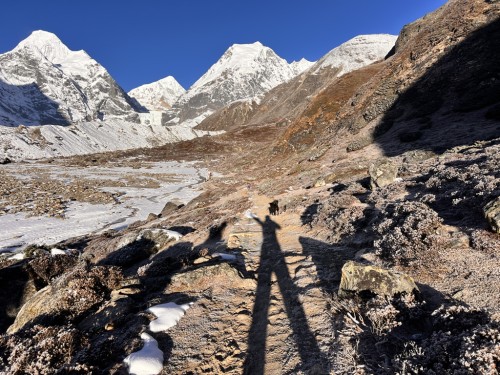
Best Trekking Packages in Nepal 2026–2027 | Best Price & Book Online
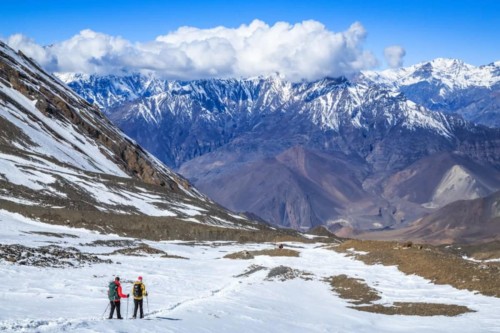
Annapurna Circuit Spring Trek – March to May
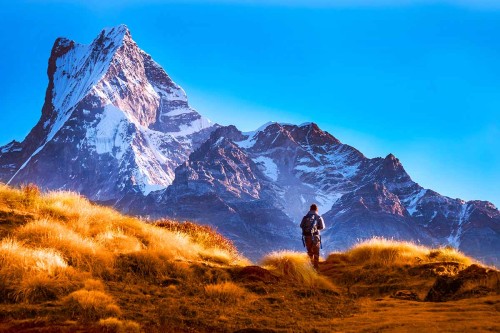
Mardi Himal Trek in February
Nar Phu Valley Trek in Winter 2026–2027 | Best Price & Secure Online Booking

Senior Nepal Trekking Tours 2026/2027 | Guided Packages
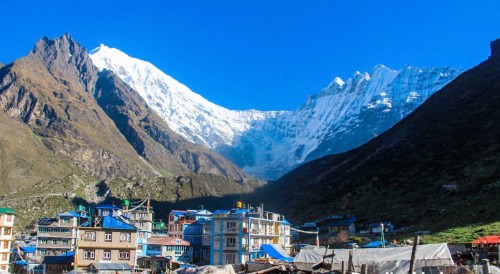
Best Monsoon Tours in Nepal (2026–2027)
Best Trekking Guide in Nepal

Annapurna Base Camp Trek Package 2026–2027

Best 10 Winter Trekking Packages in Nepal
Ghorepani Poon Hill Winter Trek

10 Best Short Treks in Nepal in December & January – Below 4000 Meters

Annapurna Circuit Trek with Tilicho Lake in October & November?

Nar Phu Valley Trek in Nepal: Wilderness Trails, Rich Culture
August and September Trekking in Nepal
Nepal Best 2-Week Trekking Tours & Itineraries

10 Best Remote Trekking Trail in Nepal
Upper Mustang Trek in May
 E
verest Base Camp Trek by Road in Dry Season October to May
TripAdvisor Multiple Award winning company - Adventure Nepal Eco Treks
Everest Base Camp Trek in December by Road
Manaslu Circuit Trek in Nepal in Spring Season
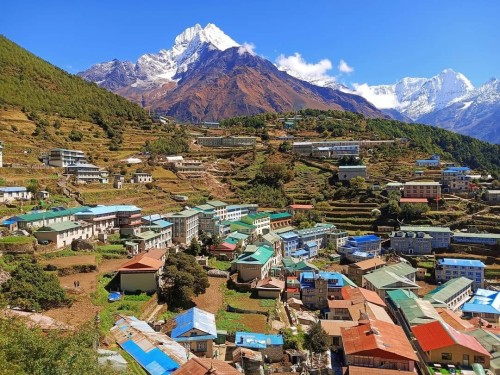
Everest 3 high passes trek Guide from Canada & (USA) America
\
Most Popular Spring Treks in Nepal & Best 15 Itineraries
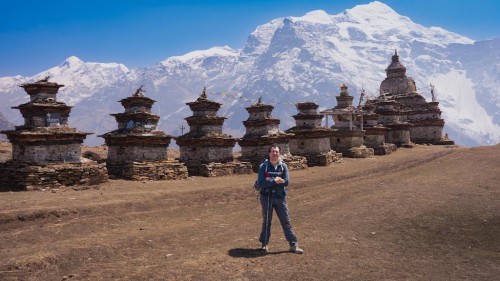
Annapurna Circuit, Manaslu Circuit and Nar Phu valley Trek from America (USA) and Canada
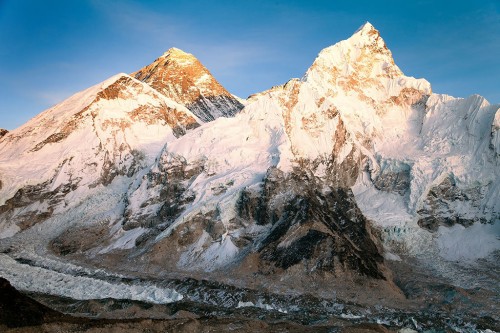
Everest base camp Trek in Nepal in winter from Spain Madrid
Everest Base Camp Trek in Nepal in winter from (USA) America
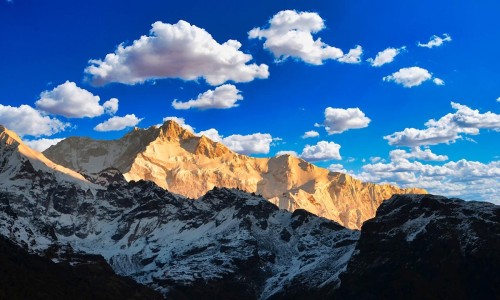
Kanchenjunga Base Camp or Circuit Trek from Canada

Everest Base Camp Trek without flight to Lukla (By Road)
Recent From Blog

8th Sep, 2026
16th Aug, 2026

10th Aug, 2026

8th Aug, 2026
1st Aug, 2026

31st Jul, 2026

29th Jul, 2026
25th Jul, 2026
29th Jun, 2026
4th Jan, 2026

5th Jun, 2025

19th May, 2025
9th May, 2025

18th Apr, 2025
22nd Oct, 2024
21st Oct, 2024
19th Oct, 2024
18th Oct, 2024

11th Oct, 2024
11th Oct, 2024
8th Oct, 2024