
.jpeg)
8th May, 2022
Top 10 High Altitude Treks in Nepal (Above 4,000 m)
Nepal is home to some of the world’s most breathtaking high-altitude treks, perfect for thrill-seekers in search of Himalayan grandeur. Treks above 4,000 meters offer dramatic landscapes, alpine lakes, and unforgettable mountain passes. The iconic Everest Base Camp Trek (5,364 m) and Annapurna Circuit with Thorong La (5,416 m) top the list.
Table of Contents
The Manaslu Circuit and Langtang Valley Trek take you deep into remote beauty with fewer crowds. For offbeat adventurers, Upper Dolpo, Makalu Base Camp, and the Kanchenjunga Trek promise wild, rugged trails. The sacred Gosaikunda Lake, Tilicho Lake, and the challenging Three Passes Trek in Everest region also rise above 4,000 m, delivering spiritual serenity and raw Himalayan power. These top 10 high-altitude treks in Nepal are ideal for experienced trekkers ready for altitude, awe, and authentic adventure in 2025.
These treks are not for the faint-hearted. They demand perseverance, patience, and reverence for nature’s rule. But for those who walk them, the reward is sublime — a communion with the Himalaya’s raw spirit and the ancient cultures that still thrive in its shadow.
Whether you're tracing the forgotten paths of Rolwaling, exploring the mystical folds of Nar Phu, or threading between the giants of Makalu and Kanchenjunga, these 10 High Altitude Pass Treks in Nepal promise a journey far beyond landscapes — into the very essence of human endurance and Himalayan awe.
Section: Why Choose a High Altitude Pass Trek in Nepal?
Challenge your physical and mental limits above 5,000 meters
Walk legendary routes used by monks, traders, and climbers for centuries
Encounter remote Himalayan cultures untouched by time
Witness panoramic views of 8,000-meter peaks like Everest, Dhaulagiri, and Makalu
Camp beside turquoise lakes, frozen glaciers, and high alpine meadows
Top 10 High Altitude Pass Treks in Nepal (Main Highlights)
1. 🏔️ Everest Base Camp Trek (5,364 m)
Pass: Kala Patthar ridge, base of Everest
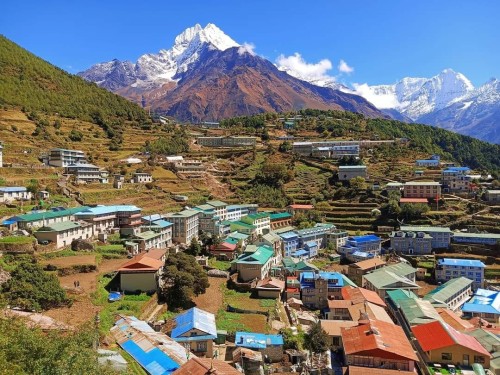
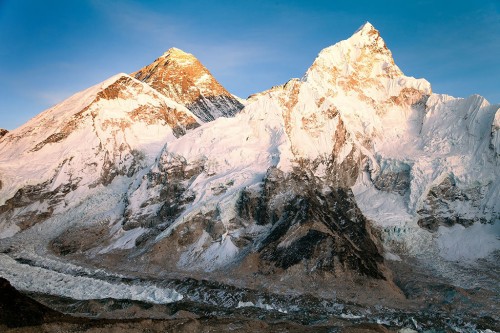
Highlights: Khumbu Glacier, Sherpa villages, Tengboche Monastery, views of Everest, Lhotse, Ama Dablam
Best Season: March–May, September–November
2. ❄️ Annapurna Circuit Trek via Thorong La Pass (5,416 m)
Pass: Thorong La – the highest trekking pass in Nepal
Highlights: Manang Valley, Muktinath Temple, apple orchards, desert-like Mustang landscape
Best Season: Spring and autumn
3. 🧭 Manaslu Circuit Trek via Larkya La Pass (5,160 m)
Pass: Larkya La – remote and windswept
Highlights: Lho village, Sama Gaon, Tibetan culture, views of Mt. Manaslu (8,163 m)
Permits Required: Restricted area, need special permit
4. ⛰️ Everest Three Passes Trek (5,535 m)
Passes: Kongma La (5,535 m), Cho La (5,420 m), Renjo La (5,360 m)
Highlights: Gokyo Lakes, Everest Base Camp, Amphu Labtsa (optional), Ngozumpa Glacier
For seasoned trekkers only
5. 🐾 Upper Dolpo Trek – Numa La (5,310 m) & Baga La (5,190 m)
Passes: Dual high passes in the mystical Dolpo region
Highlights: Shey Phoksundo Lake, Crystal Mountain, centuries-old Bon monasteries
Best Season: May–October (dry season)
6. 🧊 Ganja La Pass Trek (5,122 m)
Pass: Ganja La – often snowbound and technical
Highlights: Langtang Valley, Kyanjin Gompa, Helambu ridges
Wild and rarely trekked route
7. 💧 Tilicho Lake & Mesokanto La Pass (5,200 m)
Pass: Mesokanto La – scenic and windswept
Highlights: Tilicho Lake – one of the highest lakes in the world, dramatic alpine terrain
Challenging and stunning alternative to Thorong La
8. 🐉 Kang La Pass Trek – Nar Phu Valley (5,306 m)
Pass: Kang La – ancient gateway to the Annapurna region
Highlights: Medieval Tibetan-style villages, hidden canyons, highland yak pastures
Permit required for restricted zone
9. 🌄 Makalu Base Camp Trek via Shipton La (4,216 m) & Keke La (4,152 m)
Passes: Pre-base camp passes en route to Makalu (8,485 m)
Highlights: Barun Valley biodiversity, base camp of the fifth-highest mountain on earth
Remote and wild eastern Nepal route
10. 🌿 Sele La Pass in Kanchenjunga Base Camp Trek (4,290 m)
Pass: Sele La – connecting North & South Base Camps
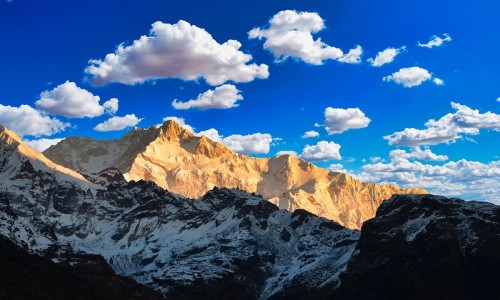
Highlights: Towering views of Mt. Kanchenjunga (8,586 m), yak herders’ trails, rhododendron forests
Best for those craving solitude and epic scale
📆 Best Time for High Altitude Pass Treks in Nepal
Spring (March to May): Stable weather, blooming wildflowers, moderate snow.
Autumn (September to November): Crystal-clear mountain views, festivals, dry trails.
✅ Quick Tips for High Altitude Pass Treks
Acclimatize gradually – don’t rush!
Trek with an experienced guide, especially in restricted zones.
Carry proper gear for cold, wind, and snow.
Stay hydrated and watch for signs of altitude sickness.
Get insured for high-altitude trekking and evacuation.
1. What defines a high altitude pass trek in Nepal?
A high altitude pass trek in Nepal typically involves crossing mountain passes above 5,000 meters (16,400 ft), often linking remote valleys, glacial basins, and isolated villages. These trails combine physical challenge with breathtaking alpine landscapes and cultural depth.
2. Which is the highest trekking pass in Nepal?
The Kongma La Pass (5,535 m) in the Everest region, part of the Three Passes Trek, is among the highest non-technical trekking passes in Nepal. Others like Thorong La (5,416 m) and Larkya La (5,160 m) also challenge trekkers at great heights.
3. Is prior trekking experience required for high altitude pass treks?
Yes, these treks are recommended for trekkers with previous high-altitude experience, strong physical fitness, and the ability to acclimatize properly. Some, like the Three Passes Trek or Ganja La, require excellent stamina and navigation.
4. What is the best time to do high altitude pass treks in Nepal?
The ideal seasons are:
Spring (March to May): Rhododendrons bloom, longer days, stable weather.
Autumn (September to November): Clear skies, crisp views, festive ambiance.
Avoid monsoon and peak winter due to avalanche risk and heavy snowfall on passes.
5. Are permits required for these high pass treks?
Yes. Most high pass treks require:
TIMS (Trekkers' Information Management System) Card
National park/conservation area permits
Some (e.g., Manaslu, Nar Phu, Upper Dolpo) require special restricted area permits and must be done with a registered guide.
6. What are the risks of trekking at high altitude?
Risks include Acute Mountain Sickness (AMS), dehydration, frostbite, and hypothermia. Proper acclimatization, gradual ascent, and hydration are crucial. Knowing the symptoms of AMS can prevent serious complications.
7. Which high pass trek is best for dramatic scenery?
The Upper Dolpo Trek (Numa La & Baga La) and Tilicho Lake with Mesokanto La Pass offer surreal landscapes — ancient canyons, turquoise lakes, windswept plains, and snow-draped Himalayan giants.
8. Can these treks be done solo or do I need a guide?
All th Trekking routes like Everest Base Camp via Cho La can be done with Government Register Trekking company in Nepal because 1st April 2023 Trekking guide and porter are mandatory. However, remote, restricted treks (e.g., Upper Dolpo, Nar Phu, Manaslu) require a guide and agency support. For safety and navigation, having a guide is highly recommended.
9. How long do these treks typically take?
Duration ranges from:
10–12 days (e.g., Thorong La on the Annapurna Circuit)
18–21+ days for remote or multi-pass treks (e.g., Everest Three Passes, Upper Dolpo, Kanchenjunga)
Include acclimatization and weather buffer days in your plan.
10. What gear do I need for high altitude pass treks?
Essentials include:
4-season sleeping bag
Down jacket, windproof shell, and layers
Good trekking boots, gaiters, trekking poles
Water purification, headlamp, sunscreen, and basic first aid
Always pack light but smart for snow, wind, and cold extremes.
Recent From Blog


8th Sep, 2026

16th Aug, 2026

10th Aug, 2026

8th Aug, 2026

1st Aug, 2026

31st Jul, 2026

29th Jul, 2026
25th Jul, 2026

29th Jun, 2026
4th Jan, 2026


5th Jun, 2025

19th May, 2025

9th May, 2025

18th Apr, 2025

22nd Oct, 2024
21st Oct, 2024
19th Oct, 2024

18th Oct, 2024

11th Oct, 2024
11th Oct, 2024
8th Oct, 2024
