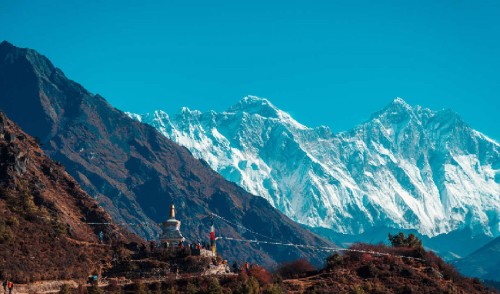
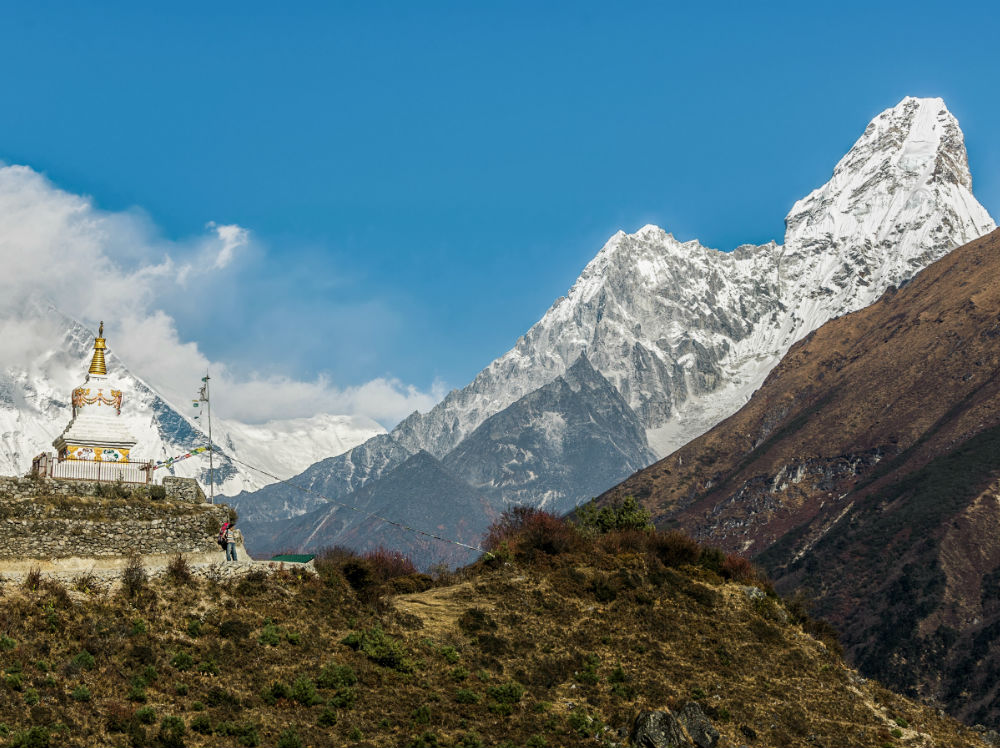
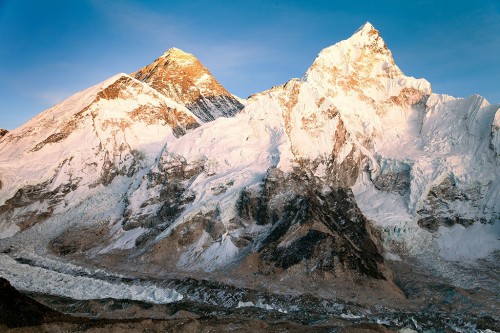
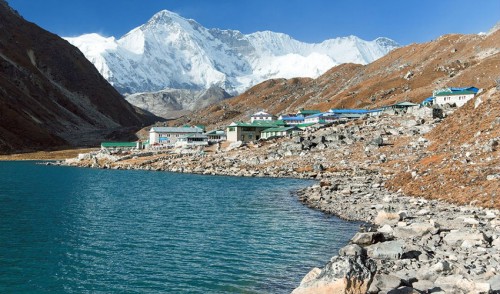
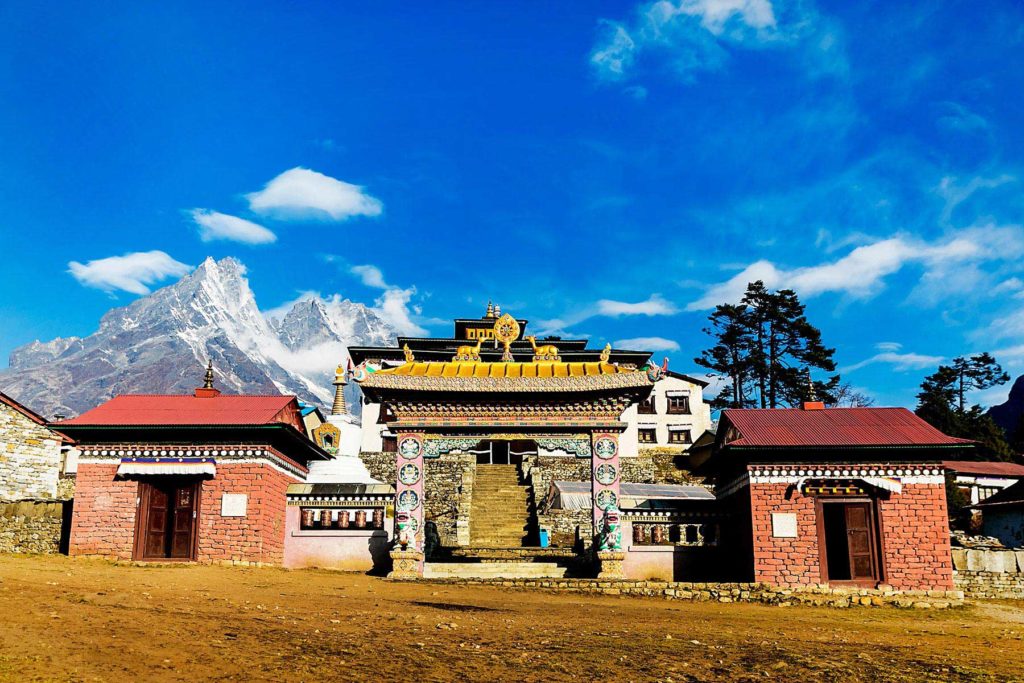
Nestled in the peaceful highlands of Nepal’s lower Everest region, the Dudh Kunda Lodge Trek 2027–2028 is a spectacular off-the-beaten-path adventure combining sacred Himalayan landscapes, authentic mountain culture, and breathtaking alpine scenery. The trail leads through remote Sherpa and Rai settlements, beautiful rhododendron and pine forests, peaceful meadows, and rugged mountain terrain before reaching the revered Dudh Kunda Lake, meaning “Milky Lake.”
Set beneath the magnificent Numbur Himal (6,958 m), Dudh Kunda is a special destination for travelers searching for a quieter alternative to the crowded Everest Base Camp trails. Along the journey, you can experience traditional mountain villages, Buddhist chortens, mani walls, colorful prayer flags, ancient cultural traditions, and warm local hospitality. With spectacular views toward Numbur, Karyolung, Kusum Kanguru, Everest-region peaks, and surrounding Himalayan landscapes, the Dudh Kunda Trek offers an unforgettable combination of adventure, spirituality, culture, and wilderness.
The Dudh Kunda Trek in Nepal is a peaceful Himalayan trekking experience centered around the sacred Dudh Kunda Lake at approximately 4,560 meters. Located in the lower Everest region, the trek provides an excellent opportunity to explore a remote part of Nepal while experiencing impressive mountain scenery and traditional Himalayan communities.
Unlike the busy trails leading toward Everest Base Camp, the Dudh Kunda trekking route generally receives far fewer trekkers. This makes it especially appealing to travelers who want quiet trails, authentic village experiences, alpine landscapes, and a deeper connection with nature.
Depending on the itinerary, the trek can begin from Phaplu or Ringmo, gradually climbing through forests, villages, open meadows, and high-altitude landscapes. As the trail gains elevation, the scenery becomes increasingly dramatic, eventually revealing the serene waters of Dudh Kunda surrounded by rugged Himalayan terrain.
One of the greatest attractions of the Dudh Kunda Trek 2027–2028 is its peaceful atmosphere. While Everest Base Camp attracts trekkers from around the world, the Dudh Kunda route offers a much quieter experience through remote landscapes and traditional settlements.
The journey from Phaplu or Ringmo takes you through forested hills, rhododendron-covered trails, traditional villages, alpine streams, and open mountain terrain. Along the way, you have opportunities to interact with Sherpa and Rai communities, observe traditional lifestyles, and experience the hospitality of people who have lived in these Himalayan valleys for generations.
As the trail climbs higher, forests gradually give way to alpine vegetation and expansive mountain scenery. The landscape becomes increasingly dramatic as you approach Dudh Kunda, where the sacred lake rests beneath the impressive Himalayan peaks.
The Dudh Kunda Lodge Trek offers an authentic Himalayan trekking experience while providing basic local accommodation along suitable sections of the route. Depending on the selected itinerary and current trail facilities, trekkers can stay in local teahouses, lodges, or guesthouses, while some remote sections may require camping.
Staying in locally operated accommodation allows travelers to experience traditional mountain hospitality and enjoy freshly prepared local meals. The combination of simple accommodation, remote villages, and spectacular landscapes makes this trek particularly attractive to travelers who value authentic experiences over luxury.
Because facilities become more basic at higher elevations, trekkers should be prepared for changing accommodation conditions and carry appropriate personal trekking equipment.
Dudh Kunda Lake holds deep spiritual importance for both Hindu and Buddhist communities. The name Dudh Kunda translates as “Milky Lake,” reflecting the lake’s sacred identity and traditional cultural significance.
Local religious traditions associate the lake with spiritual purification, prayer, and the fulfillment of wishes. During Janai Purnima, an important Hindu festival, pilgrims traditionally travel to sacred lakes and religious sites across Nepal, including Dudh Kunda, for worship and spiritual observance.
For international trekkers, visiting Dudh Kunda provides more than a scenic mountain destination. It offers an opportunity to respectfully experience Nepal’s living religious traditions while surrounded by peaceful alpine wilderness, prayer flags, sacred structures, and spectacular Himalayan scenery.
The Dudh Kunda Trek is generally considered a moderate trekking adventure, although the high altitude and remote terrain require good preparation. Most itineraries take around 7 to 10 days, depending on the starting point, route design, walking pace, acclimatization requirements, and transportation arrangements.
Trekkers should expect several hours of walking each day, including uphill and downhill sections. As the route reaches approximately 4,560 meters, gradual altitude gain and sensible acclimatization are important.
A reasonable level of fitness, comfortable trekking boots, appropriate clothing, and preparation for changing Himalayan weather will make the journey more enjoyable. A qualified local guide can also provide valuable support with navigation, acclimatization, accommodation, cultural interpretation, and changing trail conditions.
Choosing the right season can make a major difference to your Dudh Kunda Trek experience.
Spring is one of the most attractive seasons for trekking in the region. The weather is generally favorable, mountain views can be excellent, and rhododendron forests bloom with vibrant colors. Pleasant daytime temperatures and beautiful landscapes make March, April, and May popular months for Himalayan trekking.
Autumn is another excellent trekking season. After the monsoon, the atmosphere is often clearer, offering impressive mountain visibility. September, October, and November bring crisp weather, colorful landscapes, and lively village environments.
Winter trekking can be possible for well-prepared trekkers, but temperatures can become very cold and snow may affect higher sections of the trail. During the monsoon, rain, clouds, muddy trails, and transportation challenges can make trekking more difficult. Travelers considering these seasons should receive current local advice before departure.
The Dudh Kunda Trek 2027–2028 is an excellent choice for travelers looking beyond Nepal’s most famous trekking routes. It combines a sacred Himalayan lake, remote mountain villages, Sherpa and Rai culture, peaceful forests, alpine landscapes, and spectacular Himalayan views in one rewarding journey.
If you are searching for a quiet Nepal trekking route, a sacred lake trek, an off-the-beaten-path Everest region adventure, or a culturally rich Himalayan experience, Dudh Kunda offers an appealing alternative to the busier classic routes. Its combination of spirituality, wilderness, mountain scenery, and authentic local life makes it especially attractive to nature lovers, photographers, cultural travelers, and trekkers seeking a more peaceful Himalayan experience.
The Dudh Kunda Trek Package 2027–2028 is a remarkable off-the-beaten-path Himalayan adventure that brings together Dudh Kunda sacred lake, Numbur Himal scenery, Sherpa and Rai culture, peaceful mountain trails, rhododendron forests, alpine landscapes, and authentic village experiences. Reaching approximately 4,560 meters, the trek provides a rewarding high-altitude experience without following the heavily traveled Everest Base Camp route.
Adventure Nepal Eco Treks Pvt. Ltd. organizes professionally managed Dudh Kunda Trek Packages 2027–2028 with a focus on direct service, local expertise, safety, and transparent pricing. Depending on your selected package, services can include transportation, trekking permits and assistance, local accommodation, meals, an experienced government-licensed trekking guide, porter support, acclimatization planning, and complete local logistical assistance.
Book your Dudh Kunda Trek 2027–2028 directly with Adventure Nepal Eco Treks Pvt. Ltd. and enjoy no middlemen, no hidden costs, transparent local prices, secure online booking, experienced local guides, and personalized trekking support from arrival in Nepal to the completion of your Himalayan adventure. Whether you are traveling solo, as a couple, with friends, or as a private group, we can help create a carefully planned Dudh Kunda itinerary around your available time, fitness level, and trekking preferences.
Embarking on a rugged yet scenic road journey from Kathmandu to Phaplu offers a true taste of Himalayan adventure. The drive takes approximately 9 to 10 hours by local jeep, weaving through winding mountain roads, lush hillsides, and charming rural settlements of the Solu region. Though the route can be bumpy and dusty at times, it rewards travelers with glimpses of terraced farms, forested ridgelines, and distant snow-capped peaks.
Phaplu, sitting at 2,470 meters, is a tranquil Sherpa town and a key gateway to less-crowded trekking routes like the Pikey Peak and lower Everest region.
The trek from Phaplu to Ringmo is a gentle and scenic walk that takes around 3 to 4 hours. Starting from the peaceful Sherpa town of Phaplu (2,470m), the trail gradually ascends through pine forests, terraced fields, and traditional Rai and Sherpa villages. You’ll pass mani walls, fluttering prayer flags, and small chortens along the way, adding spiritual charm to the journey.
Ringmo, perched at 2,720 meters, is a quiet village surrounded by rolling hills and offers a warm cultural welcome. It’s a perfect first stop for acclimatization and soaking in the serene mountain atmosphere.
The trek from Ringmo to Saharbeni is a challenging yet rewarding ascent that takes 6 to 7 hours through pristine alpine landscapes. Leaving the lush greenery of Ringmo behind, the trail steadily climbs through dense rhododendron forests, rugged ridgelines, and open meadows. As you gain altitude, the air becomes crisper and the scenery more dramatic, with distant views of snow-capped peaks beginning to appear.
Saharbeni, situated at 3,835 meters, lies at the edge of the treeline and offers a peaceful, remote campsite surrounded by towering cliffs and whispering winds. It’s an ideal base for acclimatization before pushing higher into the Himalayan wilderness.
This spiritually enriching hike begins with an early morning ascent from Saharbeni to the sacred alpine lake of Dudh Kunda, nestled beneath the majestic Numbur Himal. The trail climbs steadily through rocky terrain and alpine pastures, with every step revealing panoramic views of snow-covered peaks and the untouched beauty of Solu.
Reaching Dudh Kunda—the “Milky Lake”—is a moment of awe and serenity, where prayer flags flutter in the wind and pilgrims pay homage at this revered site. After soaking in the peaceful energy of the lake at 4,561 meters, you’ll descend back to Saharbeni for the night, completing a memorable 4 to 5-hour round trip.
Leaving the alpine silence of Saharsbeni behind, the trail ascends gently to Pare Danda, a scenic ridgeline offering sweeping views of the Numbur Himal and surrounding Solu valleys. The highland meadows are dotted with prayer flags and grazing yaks, adding a touch of pastoral beauty to the remote wilderness.
From Pare Danda, the path descends steadily through rhododendron forests and traditional yak herder shelters, eventually reaching the charming Sherpa village of Junbesi at 2,700 meters. Known for its ancient monasteries and warm hospitality, Junbesi provides a peaceful and culturally rich stop after a rewarding 6 to 7-hour trek.
The final leg of the journey is a gentle descent from the picturesque village of Junbesi to Phaplu, winding through dense pine forests, terraced fields, and quiet hamlets. Along the way, trekkers can enjoy the soothing sound of mountain streams and panoramic glimpses of the lower Solu region.
After 4 to 5 hours of relaxed trekking, you’ll arrive in Phaplu, where the journey began. This peaceful return offers time for reflection, warm interactions with locals, and a final taste of the tranquil Sherpa lifestyle before heading back to the bustling world beyond the Himalayas.
The overland journey from Phaplu (2,470m) to Kathmandu takes approximately 8 to 9 hours by local jeep, passing through dramatic hillsides, lush valleys, and remote villages of the lower Solukhumbu and Okhaldhunga regions.
Though bumpy at times, the ride offers raw glimpses of rural Nepalese life and changing landscapes—from alpine forests to subtropical foothills. Frequent tea stops along the way allow travelers to stretch, enjoy local snacks, and soak in the rustic charm before reaching the vibrant capital city, Kathmandu.
Note: Above Itinerary can be customized as per client interest and time frame
Nepal , Everest Region Trekking
Nepal , Everest Region Trekking
Nepal , Everest Region Trekking
Nepal , Everest Region Trekking
Nepal , Everest Region Trekking
Nepal , Everest Region Trekking
Nepal , Everest Region Trekking
Nepal , Everest Region Trekking
Nepal , Everest Region Trekking