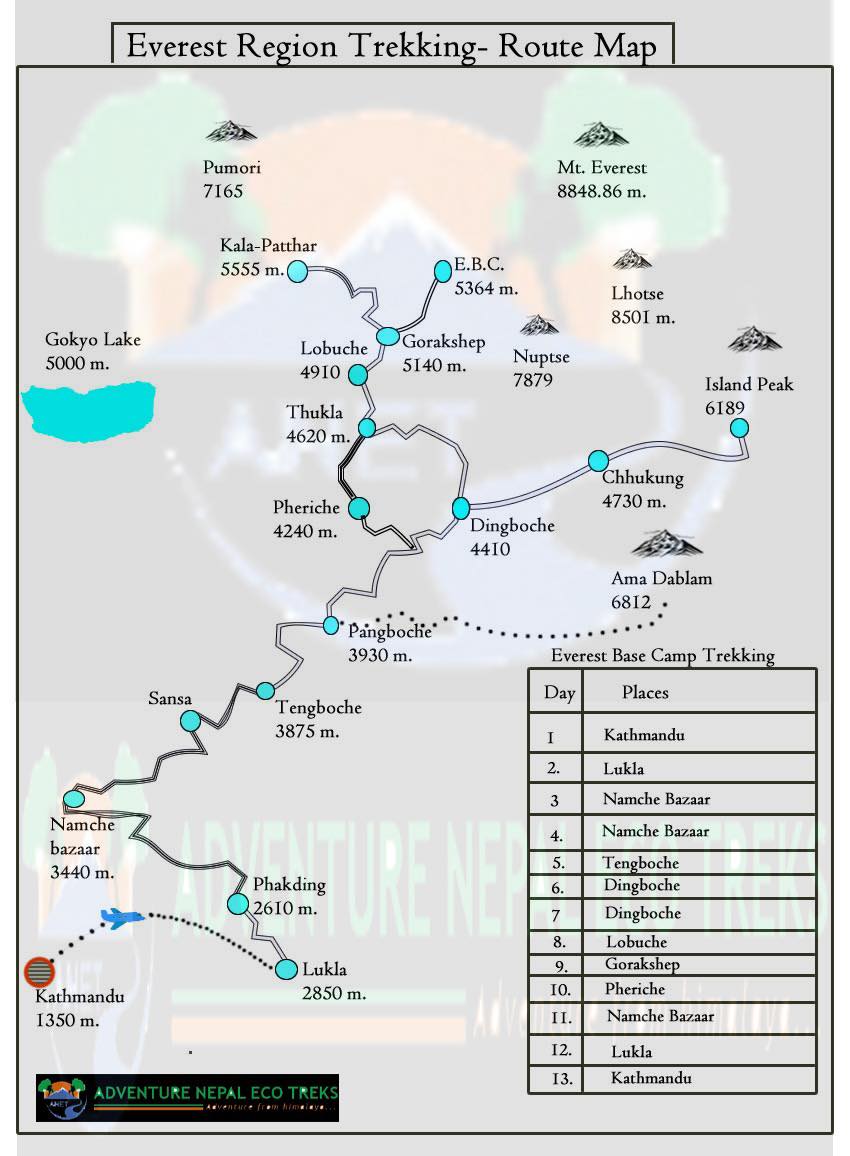
Salleri to Everest Base Camp Trekking is a 13-day trek that sees you stepping on a trail once trekked by Sir Edmund Hilary and Tenzing Norgay Sherpa. Further, it's a mixed style; you first take a drive, trek to the base camp from Bupsa, trek down to Lukla, and take Lukla to Ramechhap to end the trek. The beautiful aspect of the Salleri to Everest Base Camp Trek by road is that it takes only a day more than flying to Lukla. However, by doing so, you'll see beautiful Sherpa villages of the lower Everest region, acclimate well from the lowlands, and avoid frequent flight delays/cancellations at Lukla.
The best time to plan Everest Base Camp Trek by road is September and May.
September being a post-summer month, almost every region of Nepal experiences medium to heavy rainfall. This change in weather by rain affects Lukla's weather so severely that all Kathmandu-Lukla flights were canceled for nearly a week.
May is the pre-summer month that experiences frequent rainfall. Even being the end of spring, the change in weather patterns during this month affects the flight takeoff and landing at Lukla.
Hence, it's better to plan to start Everest Base Camp Trek by road to avoid uncertain flight cancellations and delays. With a road trip and trek, you'll complete this trek on time.
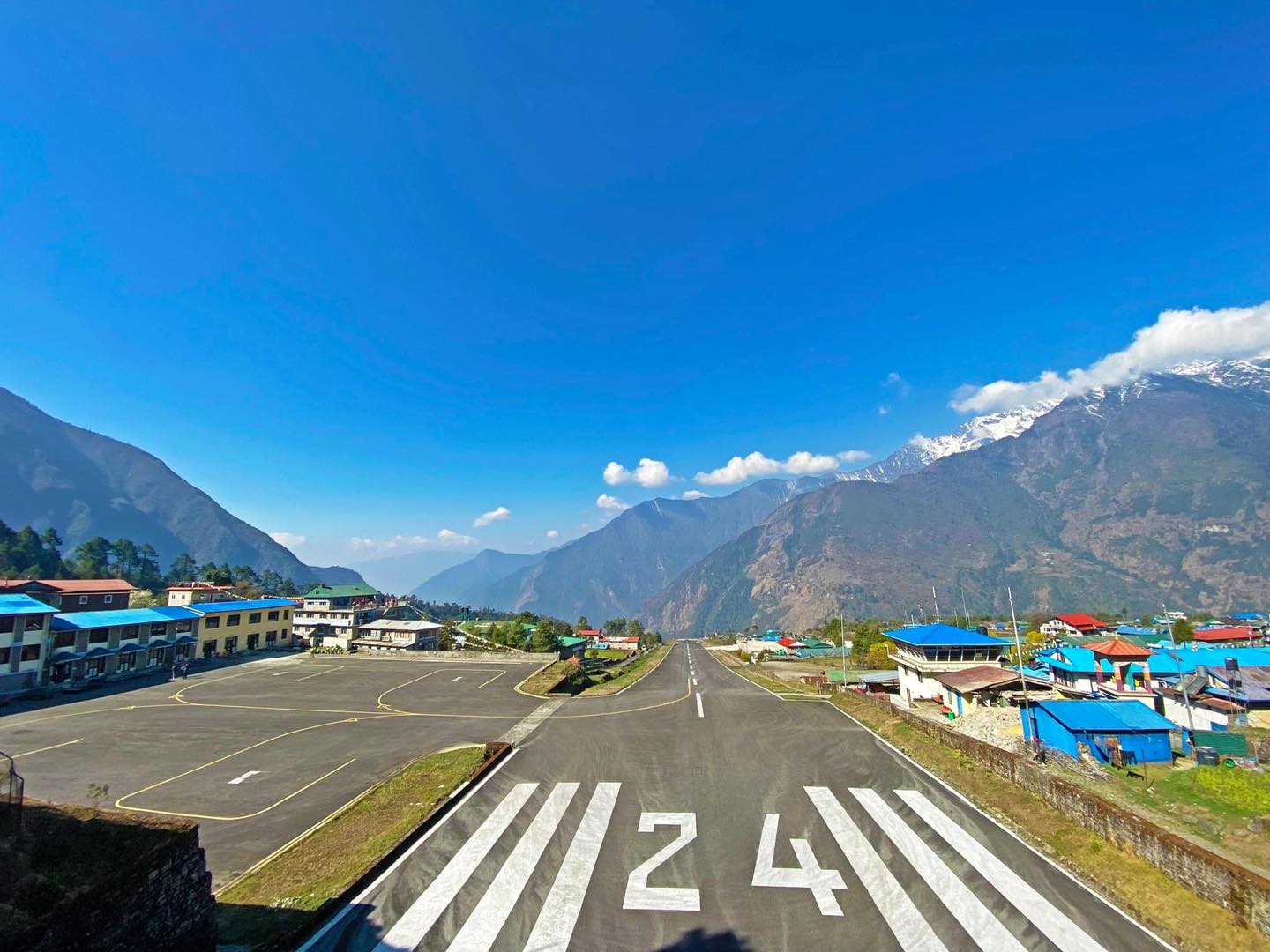
Everyone must take Kathmandu to Lukla flight to start every Everest region trek. Also, everyone knows that Lukla Airport is one of the scariest airports in the world.
Mainly, landings at this airport are riskier than takeoff. Due to its short runway, the landing flights have no option but to land right and hit the brake. And if they fail to do so, it often leads to catastrophe. In the past, Lukla had several occasions of such fatalities.
If you're scared of landing at Lukla but still want to trek to Everest Base Camp, join our 13-day Kathmandu to Everest Base Camp Trek by road. We provide you with a private vehicle (Scorpio, Jeep, or any 4WD vehicle) that offers more comfort than the flights to Lukla. Moreover, you'll get an unforgettable off-road experience past Salleri to Bupsa before trekking to Phakding and Namche.
Another benefit of avoiding the flight to Lukla is that you'll save several hundred dollars on a flight ticket. With a road trip, your ground transport cost lowers, ultimately reducing the overall trek cost.
Most Everest Base Camp Trekkers experience altitude sickness at Dingboche and Lobuche. As a result, they return to Lukla and Kathmandu. Lack of acclimatization and flight to Lukla is the leading cause of this issue.
Remember, it's the trip of your lifetime, and you want to avoid getting altitude sickness. After planning and paying a hefty fee, you must reach the base camp. The most guaranteed trek that can take you to Everest's base camp is Salleri to Everest Base Camp Trek via road.
Everest Base Camp Trek via road starts from Kathmandu at 1300 meters to Bupsa at 2,350 meters. And you'll reach Bupsa within a nearly 13 hour drive. While getting here, you'll get Salleri, which is at 2,470 meters. Also, you'll drive down to altitudes of 2,000 meters to places like Andherikhola.
During this ride, your body gets well-acclimated to the lower altitudes of the Everest region. It prevents you from the risk of getting altitude sickness if flying to Lukla from Kathmandu, escaping 1500 meters altitude difference.
With the trek from the lower region, your body gets well acclimatized, and with two more stops at Namche and Dingboche, you'll overcome the altitude sickness 100%. And at the end, you'll conquer Everest Base Camp and Kala Patthar, which rewards you with the beautiful mountain panorama of the world's highest mountains.
Salleri to Everest Base Camp Trek is ideal for Orophiles as they trek into the heaven of the world's highest mountains. Everest region is the home to some 8,000 meters and several beautiful 6,000 and 7,000-meter-tall peaks.
Upon starting this trek from Salleri and Phaplu, you'll get a panoramic glimpse of Mt. Numbur, a 6,958-meter-tall glacial mountain. You'll also see several beautiful peaks of the Rolwaling range from Phaplu.
Once you start trekking from Bupsa, you'll get a first significant glimpse of Kongde Ri. However, Everest becomes visible only from Namche.
On the acclimatization day at Namche, you'll see Mt. Everest, Nuptse, Lhotse, Ama Dablam, Tawoche, and Thamserku. Moreover, you'll see mountains like Island Peak, Cholatse, and Makalu during acclimatization at Dingboche.
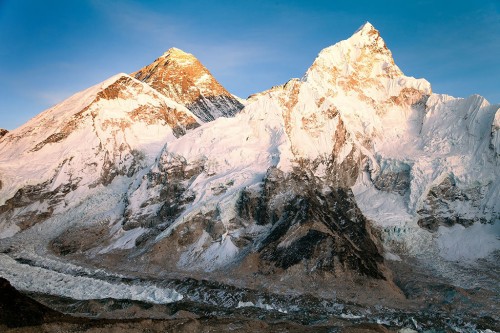
Once you step into Lobuche, you'll be surrounded by mountains from all sides. Lobuche Peak, Pumori, Baruntse, Nuptse, and other mountains become visible from Lobuche. From Kala Patthar, you'll get an unobstructed glimpse of Mt. Everest alongside the complete face of Nuptse and the summit face of Lhotse.
Your eyes never tire of seeing these beautiful mountains all day. With beautiful weather past mid-autumn and spring, your sightseeing experience becomes one of a kind.
Everest Base Camp Trek from Phaplu starts with a long drive, almost 14 14-hour drive from Kathmandu. You'll drive along the beautiful BP Highway via Khurkot. The jeep drive to Phaplu begins early, around 3 a.m. Our representative will be there at the hotel to pick you up on a private jeep.
You'll stop for breakfast at Ghurmi and lunch at Phaplu.
Once you reach Phaplu, you'll board a jeep to Ramailo Danda from Salleri. The entire road to Ramailo Danda is off-road but scenic. You'll pass by numerous beautiful villages in the lower Solukhumbu district.
After reaching Ramailo Danda, you'll start the trek to Bupsa. Bupsa from Ramailo Danda is an hour uphill hike.
There are a handful of beautiful lodges and tea houses at Bupsa, where we'll settle in for overnight accommodation.
You'll start your day with breakfast at the tea house at Bupsa. And after breakfast, you'll prepare for today's trek to Chaurikharka.
One hour uphill trek from Bupsa takes you to Tham Danda. From here, the trail gets flat till Chheubas. You'll trek along beautiful hills, meadows, and stone-paved paths. From Chheubas, you'll start descending a hill and stop at Surkhe. You'll have lunch at a tea house in Surkhe.
Past Surke, the trail gradually ascends to Chaurikharka. Thus, you'll climb up some hundreds of meters altitude for most of the course. However, the beautiful waterfalls, cascading Dudh Koshi river, and serenity keep you entertained all day.
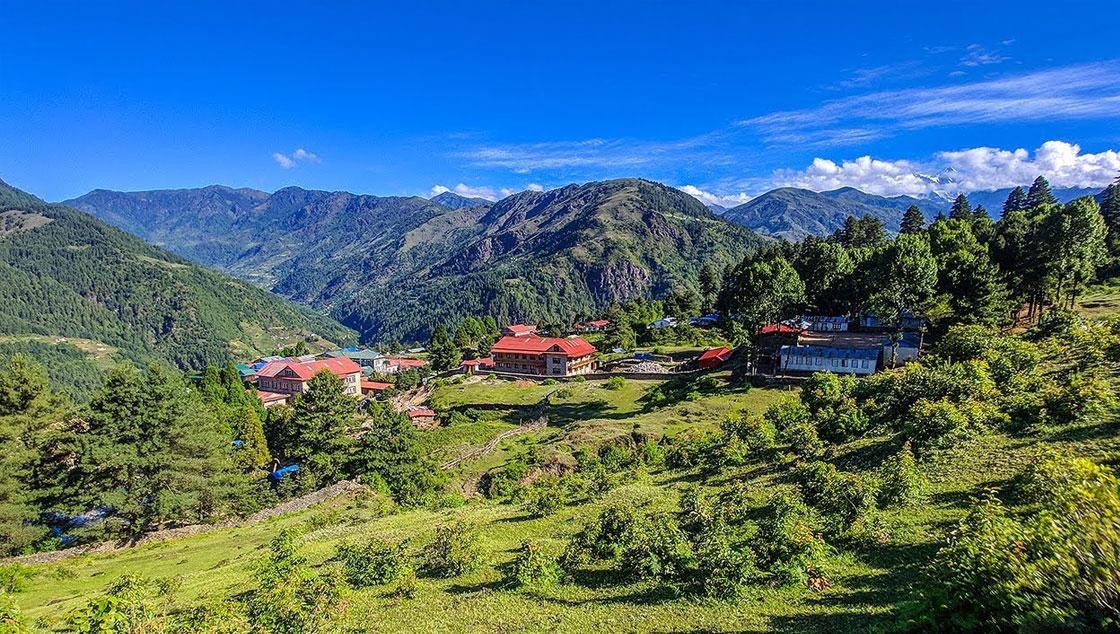
Chaurikhaka is a beautiful village sitting close to Lukla. It's one of the most beautiful villages with neat and clean alleys, stone-paved trails, and wonderful Sherpa people.
Overnight at a tea house in Chaurikharka.
A fantastic trek to Namche begins as you leave Chaurikharka around 7 a.m. after breakfast at the tea house.
You'll trek along the Mani Wheels and Chortens, the symbol of peace. The trekking route to Namche via Chaurikharka is among the most beautiful.
You'll trek through beautiful villages like Ghat, Phakding, Monjo, Jorsale, and Namche. You'll stop for Everest region permit checks at Sagarmatha National Park checkpost at Jorsale and lunch at the same place.
Today, you'll get the first glimpse of Mt. Everest from Hillary Bridge at Larcha Dovan.
The two-hour uphill trek from Larcha Dovan takes you to Namche Bazaar, the gateway to Everest.
Overnight at a tea house in Namche.
Your rest day at Namche includes visiting the Sagarmatha National Park area at Namche. Also, after seeing the park, you'll hike up to Syangboche and then to Hotel Everest View. It takes 4 hours to complete the acclimatization hike and visit the hotel.
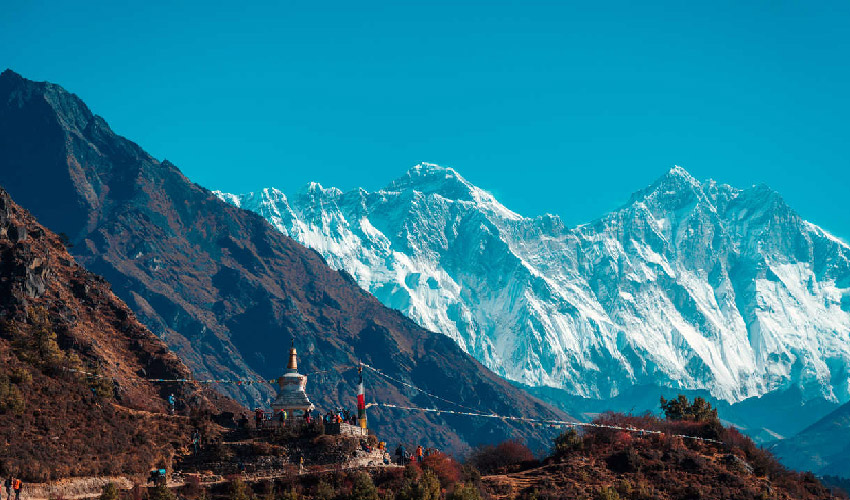
From the courtyard of this world's highest altitude seated hotel, you'll get a panoramic glimpse of Mt. Everest, Lhotse, Nuptse, Ama Dablam, and other beautiful mountains of the region.
Remember to order Masala Milk Tea at this hotel. It tastes good, along with a majestic mountain panorama.
You'll have lunch after returning to Namche. Overnight at a tea house in Namche.
After breakfast at 8 a.m. at Namche, you'll prepare for the trek to Tengboche.
You'll trek for three hours from Namche to Phunge Thenga. Hehe, you'll stop for lunch. It's a beautiful palace on the right side of the cascading Dudh Koshi River.
After lunch, the trek gets tiring as you climb from Phunge Thenga to the top of Tengboche. But right after you reach the top, you'll get an awe-inspiring glimpse of Mt. Everest, Lhotse, and Nuptse wall. Also, Mt. Ama Dablam stands spectacularly from this place.
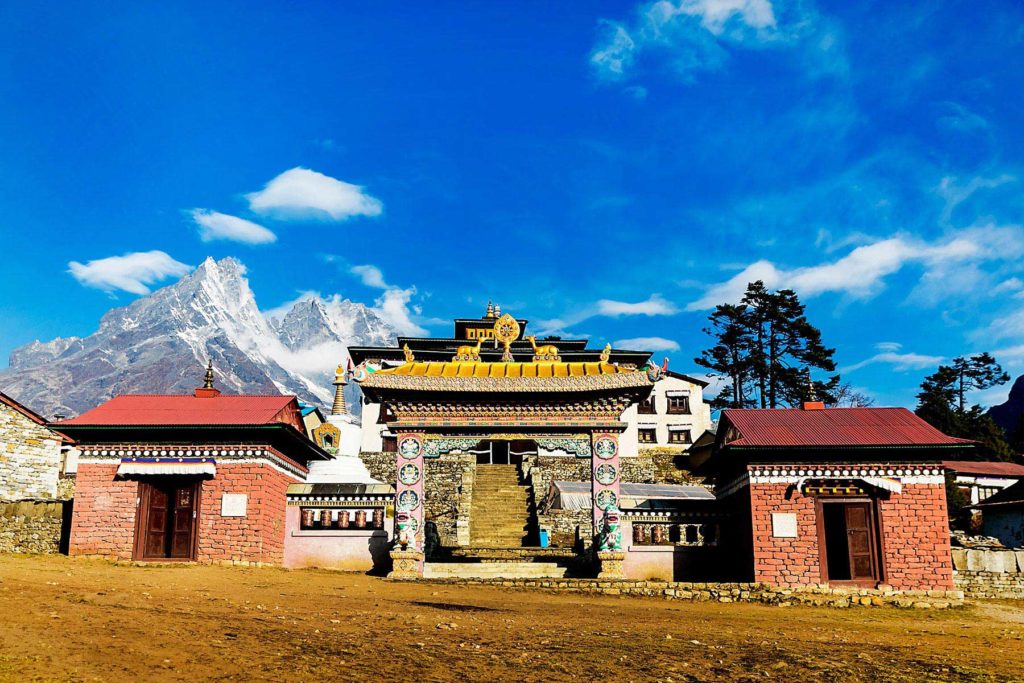
As part of the itinerary, you'll also visit Tengboche monastery and explore some ritual-performing places in the monastery.
Based on tea house availability, we'll arrange your accommodation at Tengboche. However, if we don't get hotel reservations during the trekking season, your guide will take you to Deboche. From Tengboche, you'll trek for another 30 minutes to Deboche, where you'll settle for overnight accommodation.
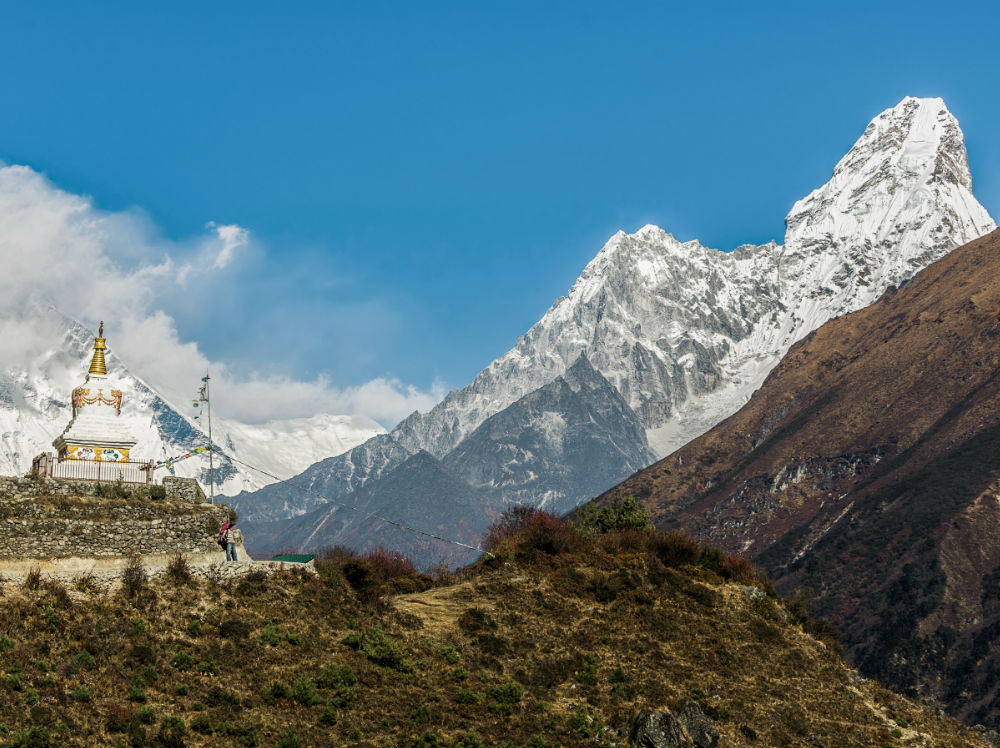
You'll start the trek to Dingboche after breakfast at the tea house. From Deboche, you'll trek to Pangboche village. It's a beautiful village with elegant Ama Dablam on the backdrop.
From Pangboche, you'll trek another hour to Somare and stop for lunch.
Past Somare, the route to Dingboche is relatively flat. However, it gets very windy.
You'll reach Dingboche after two hours leaving Somare. You'll be accommodated at the best available tea house with an attached bathroom.
Your acclimatization stop at Dingboche includes the morning hike to Nangkartshang Peak. Your guide will take you to the top of this peak. You'll get panoramic mountain scenery like Ama Dablam, Island Peak, and Mt. Makalu from the top.
The best part of this hike is it makes you better adapted to the coming days' trek to Lobuch and Gorak Shep.
You'll have breakfast before the hike and lunch after you return to the tea house.
For the day, you can stroll around the village and stop by a coffee shop for your favorite shot of coffee.
Overnight at the tea house in Dingboche.
Distance-wise, the trek from Dingboche to Lobuche is one of the shortest on the Everest Base Camp Trek. However, it's also a place to be more careful about the increasing altitude.
You'll leave Dingboche after breakfast. The trekking route is relatively flat till Thugla. The beautiful glimpse of Cholatse gives you an excellent photography frame.
You'll stop for lunch at Thuga before ascending Thugla Pass. It's a short uphill hike but takes nearly an hour.
On top of Thugla Pass, you'll see the memorial site of the climbers who died on Everest and other mountains in the Everest region.
You'll reach Lobuche in an hour from the memorial, where you'll settle for overnight accommodation.
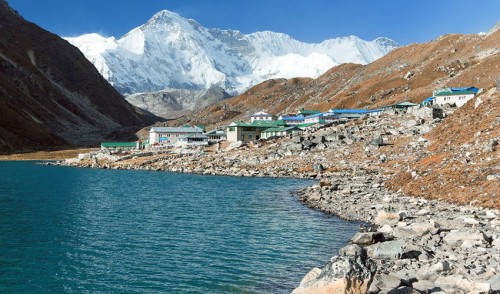
On the 9th day of leaving Salleri for Everest Base Camp Trek, you'll finally reach the world's highest base camp. However, the trail past Lobuche to Gorak Shep is quite challenging.
After leaving Lobuche, you'll trek on a flat trail for an hour. You'll then climb a 50-meter ridge and start trekking on glacier moraine. As ice melts and rocks keep falling around the glacier, your guide makes you walk quickly and safely.
You'll have lunch once you reach the tea house at Gorak Shep.
After lunch, you'll take a 4-hour round trip to Everest Base Camp. At the base camp, you'll stop for 30 minutes for photographs and to cherish the accomplishment.
It takes another two hours to return to Gorak Shep, where you'll settle in for overnight accommodation.
For the best view of Everest, you'll hike up to Kala Patthar during the morning, around 4 a.m.
After returning from Kala Patthar, you'll have your breakfast.
After breakfast, you'll prepare for the return trek to Pheriche. You'll stop for lunch at Lobuche.
Pheriche is a beautiful village on the base of Mt. Cholatse, where you'll stop for overnight accommodation.
Namche Bazaar from Pheriche is nearly 22 km, which is very long. However, for most of this trek, you'll trek downhill. However, the one-hour uphill trek from Punge Thenka to Sansa can tire you at the very end of reaching Namche.
Past Sanasa, the trail to Namche is almost flat. You'll be accommodated at a tea house in Namche.
You'll start the trek to Lukla after breakfast at a tea house in Namche.
The first-hour trek is a downhill walk to Larcha Dovan, where you'll cross Hilary Bridge. You'll then walk on the Shore of Dudh Koshi River, cross a suspension bridge and reach Jorsale. From here, you'll walk another 10 minutes to the Jorsale check post, where your guide will register the departure from the national park.
You'll stop for lunch at Phakding.
From Phakding, you'll trek another three hours to Lukla.
You'll settle at a tea house for overnight accommodation. During the dinner, you must give a certain amount as a tip to the trek guide and porter.
In recent seasons, all flights to/from Lukla operate from Manthali airport for the last two months of every season. If you're on Everest Base Camp Trek from Phaplu in September and March, all flights depart to/from Kathmandu-Lukla. However, if you're on this trek in April-May and October-November, you must take a return flight from Lukla to Manthali.
After reaching Manthali airport, you'll get a private vehicle transfer to Kathmandu via BP Highway. Our representative will drop you to the hotel where you'll stay in Kathmandu.
With this, you’re 13-day Salleri to Everest Base Camp Trek Itinerary ends. Thank you for letting us be a trusted trekking agency for your trekking.
Once you land at Kathmandu airport, you must complete an application form for a Nepali Tourist Visa. It'll take 20-30 minutes for you to get the visa at the immigration at the airport.
As a complimentary service, we provide airport pickup and drop service during arrival and departure to our guests. You'll get a private vehicle transfer to the hotel.
In the afternoon, on the day of your arrival, you'll get a trek briefing session delivered by our trek leader and guide.
We also offer you a complimentary dinner during your arrival in Kathmandu.
Buffer day
We request you plan your Salleri to Everest Base Camp Trekking with one or two buffer days.
You should allocate buffer days for an extra day to rest if you fall sick or your return flight gets canceled. Also, buffer days help you plan city tours and sightseeing tours in Kathmandu. Also, if you want to add acclimatization rest during the trek, you can also use your buffer day for that purpose.
Sophisticated with modern amenities, the tea houses on the entire Everest Base Camp Trek route offer the best accommodation and meals during the trek.
From the first accommodation at Bupsa to one in Gorak Shep, you'll get a twin-sharing room with attached bathrooms at most places. However, if they're available, you'll get attached bathrooms at most locations. Otherwise, you'll get the best tea house with clean shared bathrooms.
You won't get heated beds or blankets at the tea house, but you'll get clean beds with warm blankets and pillowcases. It's better to carry a sleeping bag in months like March and November for additional warmth.
However, you'll get deluxe rooms with heated blankets and beds if you wish to pay for accommodation at Dingboche, Namche, and Lukla. Also, their spaces are spacious, with attached bathrooms and hot showers. These rooms often cost USD 50.
Meals during Everest Base Camp Trek are trekkers' favorite; You'll never miss your famous pancake or cup of coffee. The expansive breakfast includes pancakes, porridge, toast, omelet, hashed potatoes, noodle soup, or even the breakfast set that encompasses different items.
Lunch and dinner items are almost similar, but with vast choices, you can have any meal for lunch and dinner. We recommend you eat Dal Bhat once a day to keep up with carbs and protein. However, we don't recommend eating meat items during the trek.
Noodle soup, fried rice, pizza, burgers, sandwiches, chapati with curry, potato fries, and other items Ware typical for lunch and dinner.
You can read our meals on Everest Base Camp Trek blog for more insights about the meal options for breakfast, lunch, and dinner.
Everest Link and Airlink are two Wi-Fi services you'll get while trekking to Everest's base camp. Almost all tea houses offer these wifi services.
To use the internet, you must purchase a Wi-Fi card for Rs. 700, which runs for 24 hours. However, if you pay Rs. 1200, you'll get a 48-hour wifi card.
The best thing about these Wi-Fi cards is that you can use them at any tea house on the route. For example, if you've purchased an Airlink Wi-Fi card at Dingboche for 24 hours, you can use it at Lobuche using the tea house's airline network.
Just don't throw away your Wi-Fi card once you enter the PIN because you must enter the PIN every time you reconnect to wifi. And if you lose it, you can't claim another card.
Hot Shower costs Rs. 500-700 depending on the altitude. If you wish to take a hot shower at Dingboche, it costs Rs. 700. However, taking a hot shower at Namche costs just Rs. 500.
Note: Wi-Fi and hot showers are exclusive from the trek cost; thus, you must pay for these services.
You'll get ground transport on the private jeep and a Lukla-Ramechhap return flight during 13 days of Everest Base Camp Trek by road.
You'll get hotel/airport pickup-drop service on your arrival and departure.
You'll get a jeep transfer from Kathmandu to Bupsa to start the trek. While returning, you'll get Lukla to Ramechhap or Kathmandu flight. If you land at Ramechhap, you'll get a private vehicle transfer to Kathmandu.
Horse ride and helicopter flight expenses will be solely yours.
There are two Everest Base Camp Trek permits that you'll need during this trek. Sagarmatha National Park and Khumbu Pasang Lhamu Rural Municipality permit are two must permits for this trek. Together, these permits cost Rs. 5000, which is included in the trek fee you pay us.
Your trek guide collects these permits at the Permit Check Post at Sagarmatha National Park gate at Jorsale. To get the permits, you must carry your photo ID, like a valid passport or driving license.
Remember to keep these permits until the end of the trek, as you'll also need to show the licenses during the checkout.
Once you land at Kathmandu airport, you must complete an application form for a Nepali Tourist Visa. It'll take 20-30 minutes for you to get the visa at the immigration at the airport.
As a complimentary service, we provide airport pickup and drop service during arrival and departure to our guests. You'll get a private vehicle transfer to the hotel.
In the afternoon, on the day of your arrival, you'll get a trek briefing session delivered by our trek leader and guide.
We also offer you a complimentary dinner during your arrival in Kathmandu.
Buffer day
We request you plan your Salleri to Everest Base Camp Trekking with one or two buffer days.
You should allocate buffer days for an extra day to rest if you fall sick or your return flight gets canceled. Also, buffer days help you plan city tours and sightseeing tours in Kathmandu. Also, if you want to add acclimatization rest during the trek, you can also use your buffer day for that purpose.
Sophisticated with modern amenities, the tea houses on the entire Everest Base Camp Trek route offer the best accommodation and meals during the trek.
From the first accommodation at Bupsa to one in Gorak Shep, you'll get a twin-sharing room with attached bathrooms at most places. However, if they're available, you'll get attached bathrooms at most locations. Otherwise, you'll get the best tea house with clean shared bathrooms.
You won't get heated beds or blankets at the tea house, but you'll get clean beds with warm blankets and pillowcases. It's better to carry a sleeping bag in months like March and November for additional warmth.
However, you'll get deluxe rooms with heated blankets and beds if you wish to pay for accommodation at Dingboche, Namche, and Lukla. Also, their spaces are spacious, with attached bathrooms and hot showers. These rooms often cost USD 50.
Meals during Everest Base Camp Trek are trekkers' favorite; You'll never miss your famous pancake or cup of coffee. The expansive breakfast includes pancakes, porridge, toast, omelet, hashed potatoes, noodle soup, or even the breakfast set that encompasses different items.
Lunch and dinner items are almost similar, but with vast choices, you can have any meal for lunch and dinner. We recommend you eat Dal Bhat once a day to keep up with carbs and protein. However, we don't recommend eating meat items during the trek.
Noodle soup, fried rice, pizza, burgers, sandwiches, chapati with curry, potato fries, and other items are typical for lunch and dinner.
You can read our meals on Everest Base Camp Trek blog for more insights about the meal options for breakfast, lunch, and dinner.
Everest Link and Airlink are two Wi-Fi services you'll get while trekking to Everest's base camp. Almost all tea houses offer these wifi services.
To use the internet, you must purchase a Wi-Fi card for Rs. 700, which runs for 24 hours. However, if you pay Rs. 1200, you'll get a 48-hour wifi card.
The best thing about these Wi-Fi cards is that you can use them at any tea house on the route. For example, if you've purchased an Airlink Wi-Fi card at Dingboche for 24 hours, you can use it at Lobuche using the tea house's airline network.
Just don't throw away your Wi-Fi card once you enter the PIN because you must enter the PIN every time you reconnect to wifi. And if you lose it, you can't claim another card.
Hot Shower costs Rs. 500-700 depending on the altitude. If you wish to take a hot shower at Dingboche, it costs Rs. 700. However, taking a hot shower at Namche costs just Rs. 500.
Note: Wi-Fi and hot showers are exclusive from the trek cost; thus, you must pay for these services.
You'll get ground transport on the private jeep and a Lukla-Ramechhap return flight during 13 days of Everest Base Camp Trek by road.
You'll get hotel/airport pickup-drop service on your arrival and departure.
You'll get a jeep transfer from Kathmandu to Bupsa to start the trek. While returning, you'll get Lukla to Ramechhap or Kathmandu flight. If you land at Ramechhap, you'll get a private vehicle transfer to Kathmandu.
Horse ride and helicopter flight expenses will be solely yours.
Our trek guide and porters are invaluable assets for us. We pay them per industry standards and offer them all the benefits they need during the trek. We also purchase and renew the insurance of our field staff, considering their utmost safety and good health during the trek.
For Salleri to Everest Base Camp Trekking, you'll get a licensed trekking guide with years of guiding experience. Moreover, you'll get a trekking guide who's been to the base camp of Everest multiple times.
Mentioning a trek porter, who carries your backpack, will not be under-aged. We employ porters above 20 years of age with no existing health issues. Our trek porters are sturdy, friendly, and a good companion.
There are two Everest Base Camp Trek permits that you'll need during this trek. Sagarmatha National Park and Khumbu Pasang Lhamu Rural Municipality permit are two must permits for this trek. Together, these permits cost Rs. 5000, which is included in the trek fee you pay us.
Your trek guide collects these permits at the Permit Check Post at Sagarmatha National Park gate at Jorsale. To get the permits, you must carry your photo ID, like a valid passport or driving license.
Remember to keep these permits until the end of the trek, as you'll also need to show the licenses during the checkout.
During the 13-day Everest Base Camp Trek from Salleri, you'll get two acclimatization, one at Namche and one at Dingboche. These two rest days provide you with adequate adaptation to the altitude. Also, upon starting this trek from Bupsa, your body adapts well to the altitude before reaching Namche.
You'll hike to higher altitudes during acclimatization rest days to ensure better adaptation. Also, the acclimatization hike takes you to beautiful viewpoints like Hotel Everest View and Nangkartshang Peak.
If you need further acclimatization during the trek, we request you to plan the hike with 1-2 buffer days. Also, note that you'll have to bear the expenses for any additional days apart from the trek's itinerary.
You may get altitude sickness at higher altitudes like Lubuche and Gorak Shep. Due to thin air, you may get headaches, loss of appetite, nausea, vomiting, and loose motions.
If you get any of these complications, inform your trek guide immediately. They will take good care of you. They also decide the next step to take, either call a helicopter for rescue or take you to lower altitudes on horse.
There are a few easy steps that help you to overcome altitude sickness. First, frequent rehydration with salt solution keeps your body fluid regulated. Next, you should avoid drinks like coffee and alcohol during the trek, as they cause dehydration and altitude sickness.
Another easy practice to avoid altitude sickness is covering your body parts against the wind. For example, you should wear a woolen beanie and avoid half-pants and shorts at higher altitudes.
You can chew garlic with hot water if you can tolerate the smell. It helps you to avoid altitude sickness.
Talking about medicine, Diamox keeps you away from altitude sickness. However, if you want to take this medicine, consult your doctor. The downside of this medicine is that it causes frequent urination and tingling on your fingertips. However, we don't recommend you to take drugs instead of acclimating well.
Travel insurance is necessary if you want to join our Salleri Everest Base Camp Trek in spring 2024. With travel insurance, we can include you in our fixed departure group.
Proof of travel insurance can get you a helicopter on time during emergencies. The travel insurance also bears your medication and hospitalization bills if you get sick or injured during the trek. Further, you can claim insurance if you get sick during the trek or lose your invaluable asset.
We don't buy insurance for you, nor does the trek cost you pay to us include your insurance. However, we do recommend a few insurance partners upon request.
The best time for Everest Base Camp Trek from Salleri is pre-monsoon month, May, and post-monsoon month, September. These two months often receive rainfall, hindering all Kathmandu to Lukla flights. With no flights, you can't reach Lukla and start the trek.
However, with our Everest Base Camp Trek by road via Salieri and Bupsa, you can handle flight delays and cancellations. Instead of 12 days, our by-road trip takes 13 days but offers plenty of acclimatization.
If you want to avoid flights to Lukla, you can also plan this trek by road during other months. The early spring at lower altitudes becomes beautiful with rhododendron blossom and greenery. Plus, the lower regions of Solukhumbu become the absolute best place to drive through.
Autumn colors also bring magic to the trail from Bupsa. The serene trek through the forest keeps you calm, relaxed, and acclimated.
The weather and temperature of the autumn and spring months are the absolute best for Salleri to Everest Base Camp Trek. The climate of October-November and March-April are the best in a year, with utmost visibility and clear sky.
Early autumn and spring months give you a glimpse of snow-filled mountains. Also, during these months, you even experience the snowfall at the base camp region.
The temperature in September and October remains relatively warm in lower regions. However, the base camp starts freezing after November. Similarly, March will be cold at the base camp. However, April and May start getting warmer, making an ideal temperature for trekking.
The average daytime temperature during the autumn months, in October, is 6˚C. However, the night temperature drops to -7˚C. November days are cold, and nights are even colder, with temperatures around 0˚C and -17˚C.
March days also remain colder, with daytime temperatures around 2-3˚C at Gorak Shep. Likewise, the nighttime temperature drops to -10˚C during March. However, in later months, it gets warmer to some extent.
Have plans for Everest Base Camp Trek by road in 2024? If you're looking for this trek in 2024, do let us know. We're the leading trekking agency that runs Salleri to Everest Base Camp Trekking to offer an exquisite trek experience to our invaluable guests.
To let you know, the trail we use to reach Chaurikharka from Bupsa was once hiked by the first Everest summiteers, Endmund Hilary and Tenzing Norgay Sherpa.
For inquiries and availability of this trek, please email us at info@nepalecotrekking.com. Our representative will get back to your questions in one-two business days.
Nepal , Everest Region Trekking
Nepal , Everest Region Trekking
Nepal , Everest Region Trekking
Nepal , Everest Region Trekking
Nepal , Everest Region Trekking
Nepal , Everest Region Trekking
Nepal , Everest Region Trekking
Nepal , Everest Region Trekking
Nepal , Everest Region Trekking