

24th Jan, 2025
How Difficult is Trekking in Nepal? (newly updated)
Trekking in Nepal is not just a walk through mountains—it's a spiritual and physical expedition through some of the highest, most rugged, and most breathtaking terrain on Earth. But how difficult is it, really? That depends on your route, preparation, and mindset. From beginner-friendly trails to extreme high-altitude passes, Nepal offers a diverse range of challenges to suit every level of trekker.
Table of Contents
For beginners, treks like Ghorepani Poon Hill or the Langtang Valley offer a perfect introduction to Himalayan hiking. These routes typically range between 2,000m and 3,200m and involve 4–6 hours of daily walking through forests, villages, and gentle ascents. Moderate fitness and good walking shoes are usually enough to enjoy these trails comfortably.
Intermediate treks like Annapurna Base Camp and Mardi Himal push the difficulty up a notch, with steeper climbs, higher altitudes (up to 4,130m), and unpredictable weather. Trekkers here face longer trekking hours, cooler temperatures, and the first hints of altitude challenges. These treks are ideal for hikers with some prior trekking experience or those with a strong will to conquer Nepal’s hills.
Then there are the high-altitude giants—Everest Base Camp, the Manaslu Circuit, and the legendary Three Passes Trek. These routes soar past 5,000 meters and demand serious stamina, acclimatization days, and mental grit. With thinner air, extreme cold, and remote trails, these treks test both body and spirit. Yet, for those who dare, the views of towering peaks and the silence of high mountain passes are simply unmatched.
Altitude sickness is one of the biggest concerns when trekking in Nepal. It can strike even the fittest travelers above 2,500m. Proper acclimatization, staying hydrated, and trekking slowly are crucial strategies to prevent AMS (Acute Mountain Sickness). Hiring a local guide also adds a layer of safety and reassurance, as they are trained to detect symptoms early and know when to descend.
Food and accommodations along Nepal’s trekking trails vary with the difficulty and remoteness of the route. Easy and mid-range treks often have well-established tea houses with warm meals and basic comforts. In contrast, remote high passes might only offer simple meals and shared dormitories. Physical exertion is eased by Nepalese hospitality and hearty dal bhat, momos, and warm teas.
In essence, trekking in Nepal is as hard—or as achievable—as you choose it to be. Whether you're a first-timer seeking postcard views or an adventurer aiming for snowbound passes, there's a trail for you in this Himalayan kingdom. With the right preparation, a flexible mindset, and an appreciation for the journey, trekking in Nepal becomes less about difficulty and more about discovery.
Trekking in Nepal offers a wide range of experiences, from easy family-friendly trails to extreme high-altitude adventures. The difficulty of a trek largely depends on the altitude, trail conditions, number of trekking days, and your physical fitness level.
For beginners or those seeking a relaxed experience, Nepal has easy treks like the Ghorepani Poon Hill Trek, Royal Trek, or Pikey Peak Trek, which feature moderate elevations, comfortable walking hours, and well-established trails.
Moderate treks like the Annapurna Base Camp Trek, Langtang Valley Trek, or Mardi Himal Trek are perfect for hikers with some experience. These treks involve a few steep climbs and higher altitudes around 3,000–4,500 meters but don’t require technical climbing skills.
For experienced adventurers, Nepal’s challenging treks offer serious tests of endurance. Treks like the Everest Three Passes Trek, Makalu Base Camp Trek, and Upper Dolpo Trek involve remote trails, altitudes exceeding 5,000 meters, harsh weather conditions, and long trekking days, requiring excellent physical fitness, preparation, and acclimatization.
No matter the difficulty level, proper planning, gradual acclimatization, and trekking with experienced guides are crucial. With the right preparation, anyone passionate about mountains can find a trek that matches their ability and fulfills their Himalayan dream.
Easy Treks:
Routes like the Royal Trek, Poon Hill Trek, and Pikey Peak Trek are perfect for beginners and families. These treks have shorter walking hours, lower elevations, and well-maintained trails.
Moderate Treks:
Trekking to places like Annapurna Base Camp or the Langtang Valley involves longer days and moderate ascents but remains achievable for those with a reasonable fitness level.
Challenging Treks:
Adventures such as the Everest Base Camp Trek, Manaslu Circuit, and Makalu Base Camp Trek require good physical preparation, as they involve higher altitudes, longer durations, and steeper climbs.
Regardless of the trek, proper acclimatization, preparation, and guidance are key to a safe and enjoyable experience. Nepal offers something for every trekker, whether you seek a gentle walk or a demanding high-altitude expedition!
Strenuous Treks in Nepal

Nepal is home to some of the world's most strenuous and thrilling treks, designed for experienced adventurers seeking a true high-altitude challenge. These treks often involve long walking days, remote trails, high passes, and elevations above 5,000 meters, requiring excellent physical fitness, strong mental endurance, and proper acclimatization.
Top Strenuous Treks in Nepal:
Everest Three Passes Trek:
A breathtaking circuit crossing Kongma La, Cho La, and Renjo La passes, offering epic views of Everest, Lhotse, and Makalu.
Makalu Base Camp Trek:
A wild, remote journey through deep valleys and high alpine terrains to the base of the world’s fifth-highest mountain.
Kanchenjunga Base Camp Trek:
Explore Nepal’s far east, facing rugged trails, isolated villages, and stunning panoramas of Kanchenjunga.
Upper Dolpo Trek:
A remote and spiritual adventure through ancient Tibetan-influenced culture and the mystical Shey Phoksundo Lake.
Manaslu Circuit with Larkya La Pass:
A physically demanding trek around the Manaslu massif, crossing the challenging Larkya La Pass at 5,160 meters.
These treks reward trekkers with unmatched solitude, raw Himalayan beauty, and the ultimate sense of accomplishment. Choosing a professional guide and allowing time for proper acclimatization are essential for a safe and successful journey.
Easy Treks in Nepal

Nepal is not just about rugged high-altitude adventures — it also offers a variety of easy treks, perfect for beginners, families, and those seeking a gentler journey through the Himalayas. These treks combine stunning landscapes, rich cultural experiences, and manageable walking distances without extreme altitude gains.
Among the most popular easy treks is the Ghorepani Poon Hill Trek, a short and rewarding hike offering panoramic views of Annapurna and Dhaulagiri ranges. Another serene option is the Royal Trek, famously explored by Prince Charles, winding through beautiful villages, terraced fields, and rhododendron forests with minimal altitude challenges.
For those looking for solitude, the Pikey Peak Trek is an ideal choice. Known for its breathtaking sunrise views over Mount Everest Trek , this peaceful trail remains less crowded yet incredibly scenic. Similarly, the Kathmandu Valley Rim Trek offers cultural immersion and natural beauty without venturing too far from the capital.
Easy treks in Nepal usually range from 2 to 6 days, staying below 3,000 meters, making them safe from serious altitude sickness risks. They are excellent for travelers short on time, older adventurers, or families trekking with kids.
With comfortable teahouses, friendly locals, and awe-inspiring scenery, these easy treks allow you to experience the magic of the Himalayas without the strenuous demands of high-altitude climbing. Whether you're chasing mountain views, village charm, or a peaceful escape, Nepal’s easy trekking trails are perfect for a memorable, accessible adventure.
Moderate Treks in Nepal
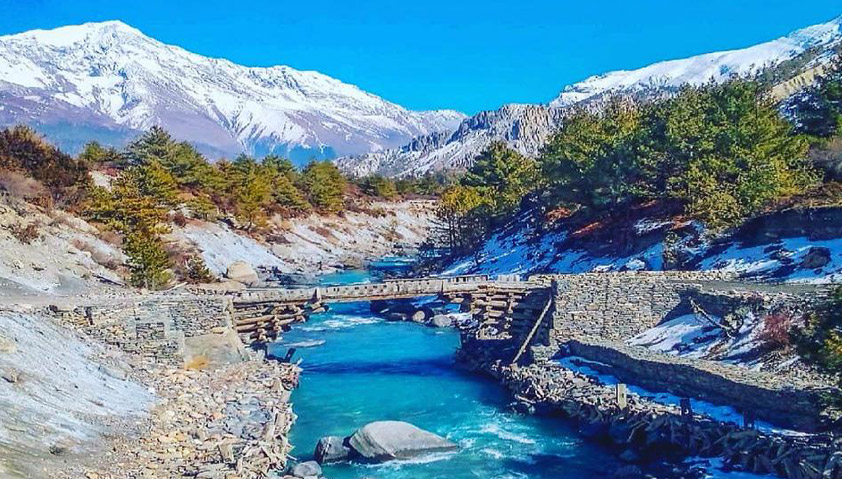
Nepal’s moderate treks offer the perfect balance between adventure and comfort, ideal for trekkers with some hiking experience or those looking to step beyond the easiest trails. These journeys feature diverse landscapes, cultural immersion, and stunning Himalayan views, without the extreme physical demands of strenuous expeditions.
The Annapurna Base Camp Trek is one of the most popular moderate treks, leading you through terraced fields, charming villages, and lush forests before reaching the majestic amphitheater of Annapurna Sanctuary. Similarly, the Langtang Valley Trek offers a beautiful yet accessible journey through alpine meadows, traditional Tamang villages, and glaciers within a relatively short timeframe.
The Mardi Himal Trek is another excellent moderate option, providing spectacular close-up views of Machapuchare (Fishtail Peak) and the Annapurna range while maintaining moderate difficulty levels. For those who want an off-the-beaten-path feel, the Khopra Ridge Trek combines cultural encounters with sweeping panoramas and fewer crowds.
Typically, moderate treks in Nepal involve 5–10 days of hiking, reaching altitudes between 3,000 to 4,500 meters. While physical fitness is important, no technical climbing skills are required, and proper acclimatization ensures a safe and enjoyable journey.
Perfect for adventure-loving families, solo travelers, and small groups, Nepal’s moderate treks promise unforgettable memories, vibrant cultural experiences, and the breathtaking magic of the Himalayas — without overwhelming physical strain.
Challenging Treks in Nepal

For seasoned adventurers and thrill-seekers, Nepal offers some of the world’s most challenging treks, where rugged trails, high altitudes, and remote wilderness test both endurance and spirit. These treks reward trekkers with raw Himalayan beauty, authentic culture, and the unmatched sense of achievement that comes from conquering difficult terrain.
The legendary Everest Three Passes Trek is one of Nepal’s most demanding routes, taking you across three high passes — Kongma La, Cho La, and Renjo La — all towering above 5,000 meters. Likewise, the Makalu Base Camp Trek challenges trekkers with remote trails and awe-inspiring views of Mount Makalu, the world’s fifth-highest peak.
Another iconic route is the Kanchenjunga Circuit Trek, a long and isolated journey around the world’s third-highest mountain. Similarly, the Upper Dolpo Trek ventures deep into mystical lands with arid landscapes, ancient monasteries, and very limited facilities, making it one of Nepal’s most strenuous yet spiritually rewarding experiences.
Challenging treks in Nepal often exceed 18 to 25 days, with altitudes soaring above 5,000 meters, unpredictable weather, and basic accommodation in remote areas. They require strong physical fitness, mental toughness, prior high-altitude trekking experience, and careful acclimatization.
If you dream of pushing your limits while walking through some of the most spectacular and untouched parts of the Himalayas, these challenging treks are the ultimate adventure. Prepare well, trek with experienced guides, and discover the true spirit of exploration in Nepal!
Recent From Blog


8th Sep, 2026

16th Aug, 2026

10th Aug, 2026

8th Aug, 2026

1st Aug, 2026

31st Jul, 2026

29th Jul, 2026
25th Jul, 2026

29th Jun, 2026
4th Jan, 2026


5th Jun, 2025

19th May, 2025

9th May, 2025

18th Apr, 2025

22nd Oct, 2024
21st Oct, 2024
19th Oct, 2024

18th Oct, 2024

11th Oct, 2024
11th Oct, 2024
8th Oct, 2024
