

29th Jul, 2026
Best Trekking Package in Nepal for Beginners and Family-Friendly Travelers
Nepal is one of the world’s greatest trekking destinations, famous for its Himalayan landscapes, friendly villages, and ancient cultures. However, not every trek in Nepal requires extreme fitness or mountaineering skills. Many trekking routes are designed for beginners and families who want to experience the beauty of the Himalayas without difficult climbs or very high altitudes. In 2026–2027, several trekking packages in Nepal are considered perfect for first-time trekkers, children, and families seeking a safe and memorable adventure. These treks offer comfortable lodges, manageable walking hours, and spectacular mountain scenery.
Table of Contents
One of the best beginner-friendly trekking packages in Nepal is the Ghorepani Poon Hill Trek. This short Himalayan trek is widely regarded as the perfect introduction to trekking in Nepal. The journey usually takes about 4–6 days and reaches a maximum altitude of around 3,210 meters at Poon Hill. The highlight of the trek is the magical sunrise over the Annapurna and Dhaulagiri mountain ranges. The trail passes through rhododendron forests, terraced farms, and traditional Gurung villages such as Ghandruk and Ghorepani. Daily walking is generally 4–6 hours, making it manageable for families and beginner trekkers with moderate fitness.
Another excellent option for beginners is the Langtang Valley Trek. Located north of Kathmandu near the Tibetan border, this trek is known for its peaceful landscapes and rich Tamang culture. The journey normally lasts about 7–10 days and leads to the beautiful village of Kyanjin Gompa at around 3,870 meters. Unlike some crowded trekking routes in Nepal, Langtang Valley offers a quieter and more authentic Himalayan experience. Families enjoy the wide valleys, yak pastures, glaciers, and traditional Buddhist monasteries along the trail. The gradual altitude gain also helps beginners adjust comfortably to trekking conditions.
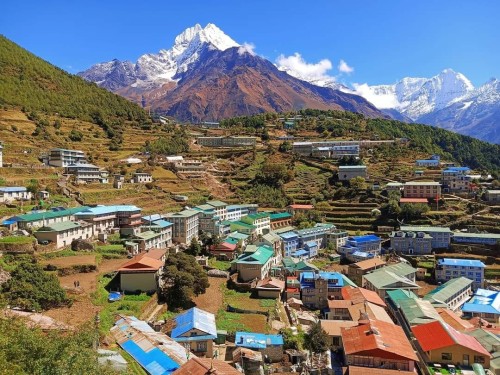
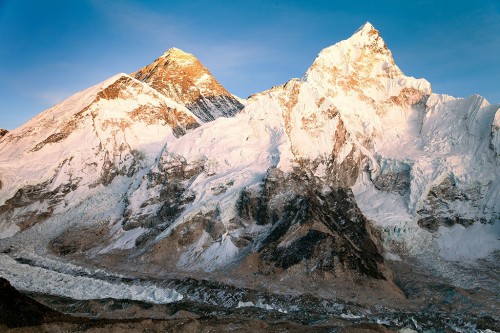
For travelers who dream of seeing Mount Everest but want an easier trekking experience, the Pikey Peak Trek is a fantastic family-friendly package. This short trek normally takes 5–7 days and focuses on panoramic views of Everest without trekking all the way to Everest Base Camp. The journey includes famous Sherpa villages like Namche Bazaar and visits to Buddhist monasteries such as Tengboche. Trekkers can admire Mount Everest, Lhotse, Ama Dablam, and other peaks while enjoying comfortable tea-house lodges along the route. Because the altitude is lower than the full Everest Base Camp trek, it is considered safer and more suitable for beginners.
Another increasingly popular beginner trek is the Helambu Trek, located close to Kathmandu. This trek usually lasts about 5–6 days and reaches a moderate altitude of around 3,650 meters. The Helambu region is famous for its beautiful forests, Buddhist monasteries, and Hyolmo cultural villages. Because the trek begins only a short drive from Kathmandu, it is ideal for families with limited time. The trails are gentle and less crowded compared with the Annapurna or Everest regions, making it a peaceful Himalayan adventure.
Family-friendly trekking in Nepal is also supported by the country’s famous teahouse trekking system. Throughout popular trekking routes, small mountain lodges provide accommodation, meals, and warm hospitality for travelers. These teahouses offer simple but comfortable rooms, local meals such as dal bhat, noodles, and soups, and cozy dining areas with mountain views. This system allows families to travel light without carrying camping equipment. It also creates opportunities to interact with local communities and learn about Nepalese culture during the trek.
The best seasons for beginner and family trekking in Nepal are spring (March to May) and autumn (September to November). During these months the weather is stable, temperatures are comfortable, and mountain views are usually clear. In spring, the forests bloom with colorful rhododendron flowers, while autumn offers crystal-clear Himalayan panoramas after the monsoon rains. Winter treks are possible but can be cold, and the monsoon season may bring rain and slippery trails. Therefore, most trekking companies recommend spring or autumn for the best experience.
In conclusion, Nepal offers many trekking packages suitable for beginners and families in 2026–2027. Treks such as the Ghorepani Poon Hill Trek, Langtang Valley Trek, Pikey peak Trek, and Helambu Trek provide the perfect combination of natural beauty, cultural experiences, and manageable walking distances. With comfortable teahouse accommodation, friendly local guides, and well-established trails, these routes allow travelers of all ages to experience the magic of the Himalayas safely. For anyone planning their first Himalayan adventure, these beginner-friendly trekking packages offer unforgettable memories in the heart of Nepal’s mountains.
Upper Dolpo Trek and Langtang Valley, as well as off-the-beaten-path adventures for those seeking unique experiences.
Some of the Must Popular Trekking-in-Trekking in Nepal 2025: Top Trails, Packages, and Itineraries are:
Everest Base Camp Trek - 15 Days
Everest base camp Trek Nepal - 13 Days
Everest 3 High Passes Trek - 18 Days
Everest Base Camp Trek by Road/Jeep - 15 Days
Everest Base Camp Senior Citizens Trek - 18 Days
Makalu Base Camp Trek - 15 Days
Ghorepani Poon Hill Trek - 3 Days
Annapurna Circuit Trek with Tilicho Lake - 10 Days
Annapurna Base Camp Trek - 7 Days
Annapurna Base Camp Hiking - 10 Days
Annapurna base camp Trekking Nepal - 12 Days
Mardi Himal Poon Hill Khopra Ridge Trek - 14 Days
Kanchenjunga Base Camp Trek - 20 Days
Langtang Gosaikunda Trek - 12 Days
Nar Phu Valley & Tilicho Lake Trek - 16 Days
1. What are the best trekking packages in Nepal for beginners and families in 2026–2027?
The best beginner-friendly and family trekking packages in Nepal are routes with manageable walking distances, moderate elevation, comfortable teahouse accommodation, reliable transportation, and opportunities to enjoy mountain scenery without extreme high-altitude challenges. Popular choices include Ghorepani Poon Hill Trek, Dhampus–Australian Camp Trek, Chisapani–Nagarkot Trek, Panchase Trek, Royal Trek, and carefully planned Langtang or Helambu itineraries. Families should select the route according to the children's ages, parents' fitness, walking experience, season, and preferred comfort level. A private Nepal trekking package is often the most flexible choice because the itinerary, walking pace, rest days, accommodation, and transportation can be customized.
2. Which Nepal trek is easiest for first-time trekkers and families?
For many first-time visitors, Dhampus–Australian Camp, Chisapani–Nagarkot, and Ghorepani Poon Hill are excellent introductory options. These treks combine village scenery, forests, mountain viewpoints, and local culture without requiring an expedition-style commitment. Poon Hill is especially popular for families wanting impressive Annapurna and Dhaulagiri panoramas. However, “easy” does not mean effortless: Nepal's trails can involve stone steps, steep ascents, and descents. The best family trekking itinerary in Nepal should use realistic daily walking times and enough breaks rather than maximizing distance each day.
3. How much does a beginner or family trekking package in Nepal cost?
The Nepal family trekking cost depends on the trekking route, number of travelers, duration, transportation, accommodation category, season, guide and porter services, permits, meals, and whether the trip is private or group-based. Short road-accessible routes are often more economical than treks requiring domestic flights. When comparing Nepal trekking packages 2026–2027, ask for a complete breakdown of what is included, such as guide, accommodation, meals, transportation, permits, TIMS arrangements where applicable, porter service, and taxes. International airfare, Nepal visa, insurance, personal gear, drinks, tips, and optional activities may be extra. Transparent pricing is more valuable than choosing the cheapest advertised package.
4. Is trekking in Nepal safe for children and older family members?
Many family-friendly treks in Nepal can be suitable for children and older adults who have appropriate fitness, but the itinerary should be tailored carefully. Lower- and moderate-altitude routes are generally more practical than very high-altitude or high-pass treks. Parents should consider the child's age, previous hiking experience, health needs, walking endurance, and ability to adapt to changing conditions. Older travelers should choose comfortable walking schedules with appropriate rest periods. A professional local trekking guide in Nepal is valuable because they can monitor the group's pace, recognize signs of altitude-related problems, manage logistics, and recommend itinerary adjustments when necessary.
5. What is the best family trek near Kathmandu?
Chisapani–Nagarkot and Helambu Valley are strong choices for families wanting a Himalayan experience close to Kathmandu. Chisapani–Nagarkot is particularly suitable for a short getaway, with forest trails, villages, and scenic viewpoints. Helambu offers a longer cultural and mountain experience with traditional communities, Buddhist monasteries, forests, and Himalayan scenery. Langtang Valley is another excellent option for families with good fitness, although it is more demanding than short Kathmandu-area hikes. Current Nepal Tourism Board guidance lists Helambu and Langtang among routes subject to its guide/TIMS provisions. Always confirm current regulations and route conditions before departure.
6. Do beginners and families need a guide for trekking in Nepal in 2026–2027?
For many major trekking routes, travelers should arrange a licensed trekking guide through an authorized trekking agency. Current Nepal Tourism Board guidance lists numerous routes where licensed guides and agency-issued TIMS cards are required, including several popular routes in the Everest, Annapurna, and Langtang regions. For families, a guide provides additional value through navigation, cultural interpretation, communication with local accommodation providers, weather awareness, and support if someone becomes tired or unwell. Before booking, ask whether the package includes a licensed guide and whether current TIMS or protected-area requirements are included in the quoted price.
7. What should families pack for a Nepal trekking holiday?
A family trekking packing list for Nepal should include comfortable trekking shoes or boots, layered clothing, warm outer layers, rain protection, hats, gloves, sunglasses, sunscreen, reusable water bottles, personal medication, basic first-aid items, headlamps, and suitable sleeping equipment where necessary. Children should have appropriately sized daypacks and clothing rather than carrying excessive weight. Snacks can be useful for younger trekkers during longer walking days. Pack according to the season and altitude of the specific route. Travel insurance covering trekking activities and the planned altitude is strongly recommended for all family members.
8. What is the best time for a family trek in Nepal in 2026–2027?
Spring (March–May) and autumn (September–November) are popular seasons for many Nepal trekking routes because of generally favorable conditions and good mountain visibility. Spring can provide colorful rhododendron landscapes, while autumn is widely appreciated for clear Himalayan views. Winter can be colder at higher elevations, and monsoon months can bring heavier rainfall and cloud in many trekking regions. For families, weather is particularly important because wet or very cold conditions can make walking more difficult. A local trekking company can recommend the best departure date based on the exact route, altitude, children's ages, and desired comfort level.
9. Can I customize a private family trekking package in Nepal?
Yes. Private family trekking packages can be customized to match your group's age range, fitness level, walking pace, preferred accommodation, travel dates, transportation, and sightseeing interests. You can choose shorter walking days, additional rest days, private vehicles, upgraded hotels, or easier trekking routes. For example, a family can combine Kathmandu sightseeing, a short Poon Hill trek, Pokhara, and Chitwan within a longer Nepal holiday. Customization is particularly valuable for families because children and adults may have different energy levels. Ask your trekking company for a realistic day-by-day family itinerary, including walking hours, altitude changes, accommodation and transportation arrangements.
10. How can I book the best beginner and family trekking package in Nepal for 2026–2027?
Choose a reputable Kathmandu-based trekking company and compare the complete value of each package rather than focusing only on price. Check the itinerary, walking hours, maximum altitude, guide qualifications, accommodation, transportation, meals, permits, TIMS arrangements, porter service, insurance requirements, cancellation terms, and emergency support. A reliable operator should provide transparent inclusions and exclusions, help you select the safest route for your family, and customize the journey around your available time. Book your family-friendly Nepal trekking package for 2026–2027 and enjoy the Himalayas with professional local support and a comfortable, personalized itinerary.
Recent From Blog


8th Sep, 2026

16th Aug, 2026

10th Aug, 2026

8th Aug, 2026

1st Aug, 2026

31st Jul, 2026

29th Jul, 2026
25th Jul, 2026

29th Jun, 2026
4th Jan, 2026


5th Jun, 2025

19th May, 2025

9th May, 2025

18th Apr, 2025

22nd Oct, 2024
21st Oct, 2024
19th Oct, 2024

18th Oct, 2024

11th Oct, 2024
11th Oct, 2024
8th Oct, 2024
