

17th Sep, 2026
The 10 Best Trails for Trekking in Nepal
Let’s be honest—most traveler don’t dream of spending their Himalayan adventure walking shoulder-to-shoulder with hundreds of other trekkers. The legendary trails of the Everest, Khumbu, Annapurna, and Langtang regions have earned worldwide fame for their incredible mountain scenery, fascinating cultures, and unforgettable trekking experiences. However, their popularity can also mean busy trails, crowded teahouses, limited accommodation, and busy viewpoints during peak seasons. Sometimes, capturing that perfect Himalayan photograph means trying to avoid groups of trekkers appearing in every frame. If you are looking for a quieter and more authentic experience, there is another way to explore Nepal.
Table of Contents
And there are plenty of alternatives. Crowd-free trekking trails in Nepal 2027–2028 open the door to remote valleys, peaceful mountain villages, untouched landscapes, ancient cultures, and spectacular Himalayan panoramas without following only the most heavily traveled routes. From lesser-known Himalayan circuits to secluded cultural trails, these alternatives allow you to slow down, connect with local communities, and experience the mountains at a more relaxed pace. They can also help distribute tourism income to communities beyond Nepal’s busiest trekking corridors while encouraging more sustainable travel.
In this guide, we highlight 10 of the best alternative and less-crowded trekking routes in Nepal for 2027–2028. These carefully selected trails offer many of the experiences travelers seek on Nepal’s famous routes—including dramatic peaks, traditional villages, Buddhist heritage, diverse landscapes, challenging mountain passes, and genuine Himalayan hospitality—while providing opportunities to explore beyond the busiest paths. Whether you are searching for a peaceful short trek, an authentic cultural journey, or a demanding remote Himalayan adventure, these crowd-free Nepal treks can help you discover a different side of the country.
Trekking Difficulty Levels
Understanding trekking difficulty is essential when choosing a route in Nepal. For this guide, the difficulty scale ranges from Easy, Moderate, Challenging, to Hard. Easy and moderate routes are suitable for traveler with reasonable fitness and preparation, while challenging and hard treks generally require greater endurance, longer walking days, significant elevation gains, and stronger acclimatisation planning. Some routes also involve high-altitude passes and remote mountain terrain where weather and trail conditions can change quickly.
There is no single “perfect” trek for everyone. Your ideal route depends on your fitness, previous trekking experience, available time, preferred scenery, altitude tolerance, and interest in culture or wilderness. With the right preparation, responsible planning, and appropriate local support, trekkers can find an unforgettable Himalayan adventure that matches their abilities. Explore beyond the crowds in 2027–2028, discover quieter Himalayan trails, meet local communities, and experience the spectacular beauty of Nepal at your own pace.
Discover Nepal beyond the ordinary with 10 of the best trekking trails in Nepal, where legendary mountains, peaceful villages, ancient cultures, lush forests, and dramatic Himalayan landscapes come together. From the iconic Everest Base Camp and spectacular Annapurna Circuit to the remote wilderness of Manaslu Circuit Trek and Kanchenjunga Double Base Camp Trek, every trail offers a different adventure. Whether you want a short scenic hike, a challenging high-altitude journey, a peaceful escape from the crowds, or an epic Himalayan expedition, Nepal has a route for you. Choose your trail, follow the mountains, experience authentic Nepal, and create unforgettable memories in the heart of the Himalayas.
Trekking in Nepal 2026-2027–2028: A Himalayan Paradise for Hikers
Few destinations on Earth are as closely connected with trekking as Nepal, home to the Himalayas and some of the world’s most spectacular mountain trails. Trekking in Nepal 2026-2027–2028 offers an extraordinary combination of breathtaking landscapes, traditional Himalayan villages, ancient cultures, and close-up views of towering peaks. Whether you are looking for a comfortable short hike or an ambitious high-altitude adventure, Nepal provides trekking experiences for different fitness levels, interests, and travel styles. From peaceful forest paths to dramatic mountain passes, every journey reveals a different side of this remarkable Himalayan country.
Nepal’s best trekking routes range from the iconic Everest Base Camp Trek to remote adventures through secluded valleys, high mountain passes, Buddhist settlements, glaciers, and turquoise alpine lakes. Popular regions such as Everest, Annapurna, Langtang, Manaslu, and Mustang offer diverse landscapes and cultural experiences. More remote routes in eastern and western Nepal provide opportunities for travelers seeking quieter trails and deeper connections with local communities. The variety of trekking destinations means you can choose an itinerary based on your available time, preferred difficulty, altitude, scenery, and cultural interests.
For 2026-2027–2028, Nepal remains an exceptional destination for organized and independent-style trekking experiences. International visitors can arrive in Kathmandu, prepare their equipment, arrange necessary permits and guide services, and begin their Himalayan adventure with proper planning. Depending on the route, trekking infrastructure ranges from established teahouses and lodges to remote camping-style journeys. Experienced local guides can also help travelers understand trail conditions, altitude considerations, local customs, accommodation options, and changing mountain weather, making route planning more practical and informed.
Nepal is not only about high-altitude trekking. The country also offers fascinating experiences at lower elevations, including UNESCO cultural heritage sites, medieval cities, traditional villages, jungle safaris, wildlife encounters, and scenic countryside walks. Travelers can combine a Himalayan trek with cultural sightseeing in Kathmandu Valley, relaxation in Pokhara, or wildlife adventures in the Terai. This incredible geographical diversity allows visitors to experience mountains, forests, valleys, rivers, temples, monasteries, and wildlife within a single trip.
Whether you want a short Nepal hiking tour, a moderate Himalayan trek, or a challenging multi-week expedition across high mountain passes, there is a route suited to your interests. Before booking, consider the trek duration, altitude, difficulty level, best season, accommodation, permits, transportation, and guide requirements. For 2026-2027–2028, popular trekking seasons generally include spring and autumn, while selected lower-altitude routes can also be suitable during winter depending on weather and trail conditions. Explore Nepal’s legendary trails and discover why its Himalayas continue to attract trekkers from around the world.
Trekking Guide, TIMS Card & Permits in Nepal 2026-2027–2028
Planning a trekking adventure in Nepal in 2026-2027–2028 requires more than choosing a beautiful Himalayan trail. On many designated trekking routes, international trekkers must travel with a licensed trekking guide and obtain a TIMS (Trekkers’ Information Management System) card through a government-registered trekking agency. The current revised TIMS provisions apply to numerous popular routes, including Everest Base Camp, Annapurna Circuit, Mardi Himal, Langtang, Manaslu, Kanchenjunga, and several other trekking regions. Requirements can differ according to the route, so travelers should confirm the latest regulations before departure.
For 2026-2027–2028, trekkers can arrange licensed guides, porters, permits, transportation, accommodation, and TIMS services through reputable trekking agencies in Kathmandu or Pokhara. Restricted destinations such as Upper Mustang, Upper Dolpo, and designated areas of Manaslu and other regions require special trekking permits, with access subject to government regulations and specified routes. These permits are generally arranged through authorized agencies rather than independently.
Many of Nepal’s most popular trekking trails also pass through national parks and conservation areas, where an entry permit or applicable protected-area fee is required. Nepal Tourism Board states that protected-area entry fees can be paid at the office Adventure Nepal Eco Treks pvt Ltd Kathmandu, or at designated entry points. Fees vary according to the protected area and traveler category.
For a smooth Nepal trekking experience in 2026- 2027–2028, arrange your guide, TIMS card, conservation-area or national-park entry permits, and any restricted-area trekking permits before starting your trek. Working with a registered local trekking agency can simplify the paperwork while helping ensure that your itinerary follows the latest government requirements. Always verify current fees and regulations before travel, as trekking rules and permit charges may be updated.
Nepal Trekking Cost, Guides, Teahouses & Porters 2026- 2027–2028
Arranging a Nepal trek with a local guide is straightforward when planned through a registered trekking agency, and guided trips are particularly useful for solo travelers, couples, families, and first-time Himalayan trekkers. Depending on the route and current regulations, travelers may need a licensed guide and agency-arranged trekking documentation. Many visitors choose a local trekking company to organize transportation, permits, accommodation, guides, porters, and domestic flights, creating a more convenient experience. For remote and camping treks in Nepal, professional organization is especially valuable because these journeys require additional equipment, logistics, food supplies, and experienced support staff.
The cost of trekking in Nepal in 2027–2028 depends heavily on the destination, trek duration, altitude, accommodation standard, group size, transportation, permits, guide and porter services, and whether the trip is private or group-based. Lower-cost teahouse treks can be relatively affordable, while high-altitude expeditions, restricted-area journeys, and camping adventures require larger budgets. International trekking agencies may charge more because packages can include additional services, upgraded accommodation, international support, and comprehensive logistics. Before booking, compare what is included in the advertised price rather than choosing a package based only on its headline cost.
Accommodation on most established Nepal trekking routes is provided by traditional local teahouses and mountain lodges. These simple accommodations generally offer a basic room, shared facilities, and meals, although facilities and comfort levels vary according to altitude and location. Popular routes such as the Everest Base Camp Trek and Annapurna Circuit Trek have extensive teahouse networks, while remote trails may offer fewer facilities or require camping. Higher-altitude accommodation can be more basic, and availability may depend on the season and current trail conditions.
Many organized trekking packages include porters to carry travelers’ main luggage, allowing trekkers to concentrate on enjoying the trail rather than carrying heavy loads. On some remote or camping routes, pack animals may also be used where appropriate and permitted. Camping expeditions require additional logistics, including tents, cooking equipment, food supplies, and support staff. Whether you choose a private trek, small group, or customized itinerary, a reputable local trekking company can coordinate these arrangements and provide practical guidance for a smoother Nepal trekking experience in 2026- 2027–2028.

Everest Base Camp Trek 2026- 2027–2028
Distance: Approximately 130 km round trip
Time commitment: 14–18-20 days
Difficulty: Moderate to challenging
Type of trek: Teahouse
The Everest Base Camp Trek is Nepal’s most iconic Himalayan adventure and one of the world’s most recognized high-altitude trekking journeys. Each year, trekkers from around the globe travel into the Khumbu region to experience legendary mountain scenery, Sherpa culture, Buddhist monasteries, and the extraordinary landscapes surrounding the world’s highest peak. The classic route generally begins and ends around Lukla, leading through spectacular Himalayan villages such as Phakding, Namche Bazaar, Tengboche, Dingboche, Lobuche, and Gorak Shep before reaching Everest Base Camp at 5,364m. Mount Everest rises to 8,849m, known locally as Sagarmatha in Nepal and Chomolungma in Tibet.
The journey combines demanding mountain walking with comfortable teahouse accommodation, where trekkers can rest, eat local and international meals, and experience traditional Himalayan hospitality. Namche Bazaar provides an important acclimatization stop, while Tengboche offers remarkable mountain scenery and cultural experiences around its famous monastery. As the trail climbs higher, the landscape changes from green forests and rivers to alpine valleys, glaciers, moraines, and dramatic Himalayan peaks including Everest, Lhotse, Nuptse, Ama Dablam, and Pumori.
The main trekking seasons can bring busy trails, particularly during spring and autumn, when many travelers seek favorable mountain conditions. If you prefer a quieter Himalayan experience, alternative Everest-region adventures such as the Gokyo Lakes Trek and Everest Three Passes Trek provide spectacular scenery with different routes and challenges. For travelers planning Everest Base Camp Trek 2027–2028, careful acclimatization, appropriate preparation, experienced guide support, and flexibility for mountain weather are essential for a rewarding Himalayan adventure.

Annapurna Circuit Trek 2026- 2027–2028
Distance: Approximately 160–230 km
Time commitment: 10–15 days
Difficulty: Moderate to challenging
Type of trek: Teahouse
The Annapurna Circuit Trek is one of Nepal’s most celebrated Himalayan adventures, renowned for its extraordinary variety of landscapes and cultures. Over the course of the journey, trekkers pass through lush valleys, dramatic gorges, rushing rivers, alpine lakes, glaciers, traditional villages, and spectacular snow-covered peaks. The trail also introduces travelers to the distinctive cultures and traditions of Gurung, Manang, and Thakali communities. Although road construction has changed portions of the original trekking route, the Annapurna Circuit remains one of Asia’s most popular long-distance Himalayan treks. With breathtaking scenery around almost every turn, it continues to attract trekkers seeking both natural beauty and authentic mountain culture.
The Annapurna Circuit route traditionally begins from the wider Pokhara/Annapurna region and passes through numerous mountain settlements with teahouses and lodges. Along the way, trekkers encounter important Buddhist and Hindu cultural and pilgrimage sites, adding a rich spiritual dimension to the adventure. The ultimate high point is Thorong La Pass at 5,416m, where the landscape changes dramatically from the greener valleys of the central Himalayas to the dry, windswept Trans-Himalayan terrain. Many trekkers prefer the traditional counterclockwise direction because of the gradual approach to the high pass. The itinerary can also be extended with rewarding side trips, including the remote Nar Phu Valley, making the adventure highly customizable.
For 2027–2028, the Annapurna Circuit offers a flexible combination of mountain scenery, cultural discovery, and teahouse trekking. Popular sections can become busy during the main trekking seasons, while ongoing road development continues to alter parts of the route. Rather than eliminating the experience, these changes mean travelers should plan their itinerary carefully and select the most scenic walking sections. With proper acclimatization, suitable preparation, and experienced local guide support, the Annapurna Circuit Trek 2027–2028 remains an outstanding way to explore the diverse landscapes, communities, and high mountain environments of the Annapurna Himalaya.

Best Alternative to Nepal’s Famous Trekking Trails
Distance: Around 180 km
Time commitment: 10-15 days
Difficulty: Hard
Type of trek: Teahouse or camping
For trekkers looking beyond the busy Annapurna Circuit and Everest Base Camp, the Manaslu Circuit Trek 2026-2027–2028 offers an unforgettable journey through one of Nepal’s most spectacular and less-traveled Himalayan regions. Located east of the Annapurna massif, this challenging circuit circles Mount Manaslu (8,163m), the world’s eighth-highest mountain, while combining dramatic mountain scenery with authentic village life and remote Himalayan landscapes.
The approximately 180-kilometer Manaslu Circuit is a true adventure for travelers who want more than a conventional trekking experience. The trail winds through everything from lush subtropical forests and terraced rice fields to high alpine valleys and dramatic mountain passes. Along the way, trekkers cross impressive suspension bridges above deep gorges, encounter peaceful mountain villages, and have opportunities to relax near natural hot springs. With accommodation available in teahouses on established sections and camping possible where required, the Manaslu Circuit Trek 2027–2028 delivers an exceptional combination of wilderness, culture, adventure, and breathtaking Himalayan scenery.
Annapurna Sanctuary Trek: A Spectacular Himalayan Adventure
Distance: Around 115 km
Time commitment: 10–14 days
Difficulty: Moderate to hard
Type of trek: Teahouse
The Annapurna Sanctuary Trek 2026-2027–2028 takes you into one of Nepal’s most extraordinary Himalayan landscapes, where an impressive natural amphitheater is surrounded by towering peaks, glaciers, and dramatic mountain walls. Located north of Pokhara, the Annapurna Sanctuary—also associated with the Annapurna Base Camp (ABC) trekking route—is a spectacular high-altitude destination and the centerpiece of an unforgettable teahouse adventure. The journey combines breathtaking Himalayan panoramas with authentic mountain culture, making it one of Nepal’s most rewarding trekking experiences.
During the approximately 115-kilometer Annapurna Sanctuary trek, the trail passes through charming Gurung villages, traditional terraced farmland, lush forests, and natural hot springs before reaching the dramatic high-mountain sanctuary. As you gain altitude, the scenery changes from green foothills to rugged alpine terrain, with spectacular views of the Annapurna range and surrounding Himalayan peaks. Although this is a popular trekking route and can be busy during peak seasons, its extraordinary scenery remains a major attraction. Winter trekking is also possible, offering the unique experience of seeing the Annapurna Sanctuary covered in snow, but trekkers should be properly prepared for freezing temperatures, snow, and changing mountain conditions.

Best Short Trek in the Annapurna Foothills
Distance: Around 25 km
Time commitment: 3-4-5 days
Difficulty: Easy
Type of trek: Teahouse
If you are new to trekking in Nepal or have only a few days available, the Ghandruk Loop Trek 2026- 2027–2028 is an excellent short Himalayan adventure from Pokhara. This compact route offers a wonderful introduction to the Annapurna region without requiring a long trekking commitment. The trail winds through peaceful rice fields, lush forests, colorful rhododendron woodland, and traditional Gurung villages, creating a perfect combination of mountain scenery and authentic local culture.
One of the highlights is walking through rhododendron forests, which become especially vibrant during the spring blooming season. Along the route, trekkers can stay in welcoming teahouses and comfortable mountain lodges, making the journey convenient for travelers seeking a short Nepal trekking experience. The opening section follows a similar trail to the Annapurna Sanctuary Trek, with impressive Himalayan views throughout the relatively steep sections. Because the route remains at a comparatively low elevation, the Ghandruk Loop Trek can be enjoyed in winter, spring, and autumn, subject to local weather and trail conditions.

Best Weeklong Trek in Nepal
Distance: Around 65–80 km
Time commitment: 7–8-10 days
Difficulty: Moderate
Type of trek: Teahouse
Best For: Trekkers who want the accessibility of Langtang without the crowds.
Highlights: Buddhist monasteries, a panorama of mountains such as Langtang Lirung, Gosaikunda, and Dorje Lakpa.
The Langtang Valley Trek 2027–2028 is an ideal choice for travelers looking for a rewarding one-week Himalayan trekking adventure close to Kathmandu. Located near Nepal’s northern border with Tibet, the beautiful Langtang Valley combines dramatic mountain scenery, peaceful forests, traditional villages, and high-altitude landscapes within a relatively short itinerary. Often described as having an alpine character, the valley delivers an impressive variety of scenery without requiring a long domestic mountain flight.
Starting from Syabrubesi, the popular teahouse route gradually leads through green pasturelands, bamboo forests, cascading waterfalls, and traditional mountain settlements before reaching the spectacular high Himalayan environment. As you climb higher, expansive views of rugged peaks and glaciers create unforgettable moments along the trail. Another advantage of the Langtang trek is its accessibility from Kathmandu by road, making it a practical option for travelers who prefer to avoid a domestic flight.
If you have additional time, consider extending your journey toward Gosainkund, a sacred alpine lake surrounded by snow-covered mountains at approximately 4,400m. This extension adds cultural significance and dramatic high-altitude scenery to an already spectacular Langtang Valley Trek 2027–2028, making it an appealing choice for trekkers seeking scenery, culture, and adventure in a compact Himalayan itinerary.

Best Trek in Nepal for Escaping the Crowds
Distance: Around 220 km
Time commitment: 15–21 days
Difficulty: Hard
Type of trek: Teahouse or camping
Best For: High-altitude wilderness, cultural experiences, and raw nature.
Highlights: Kanchanjunga Base Camp (3rd highest mountain in the world), Sele La (4290 m) and Mirgin La (4480 m), biodiversity of Kanchenjunga Conservation Area, Glacial Lakes, cultural encounters with the Sherpa and Limbu, views of 7 Himalayan peaks
For trekkers searching for a remote Himalayan adventure away from Nepal’s busiest trekking routes, the Kanchenjunga Trek 2027–2028 offers an extraordinary journey into the far eastern Himalayas. Located near Nepal’s border with India, the remote foothills surrounding Mount Kanchenjunga (8,586m) remain significantly quieter than the popular trails of central Nepal. With relatively few trekkers visiting each season, this challenging adventure is ideal for travelers seeking wilderness, solitude, and an authentic high-mountain experience.
The trek features spectacular approaches to the northern and southern base camps of Kanchenjunga, the world’s third-highest mountain. The demanding trails pass through isolated mountain settlements, peaceful valleys, alpine pastures, and beautiful montane forests, with accommodation ranging from basic teahouses to camping in more remote sections. Trekkers cross several challenging high passes before reaching breathtaking viewpoints of the enormous Kanchenjunga massif and surrounding peaks.
Because of its remote location and restricted trekking requirements, the Kanchenjunga Circuit Trek must be undertaken through an organized trekking arrangement with the appropriate permits and support. The longer itinerary, challenging terrain, and limited infrastructure make it a serious adventure, but they also create an exceptional sense of wilderness. For travelers who want to experience Nepal’s remote Himalayas, dramatic mountain scenery, traditional villages, and peaceful trails, Kanchenjunga is a remarkable choice for 2027–2028.

Best One-Day Trek Near Kathmandu
Distance: Around 20 km
Time commitment: 1-2-3 days
Difficulty: Easy
Type of trek: Village hotel accommodation
If you are looking for a short and scenic trek near Kathmandu, the Nagarkot to Dhulikhel Hike 2027–2028 is an excellent choice for a one-day Himalayan experience. The hills surrounding the Kathmandu Valley are crisscrossed with accessible walking trails, making them ideal for travelers who want to enjoy Nepal’s countryside without committing to a multi-day trek. Nagarkot and Dhulikhel are particularly popular for their beautiful Himalayan panoramas and spectacular sunrise views.
The route connects the hilltop settlement of Nagarkot with the charming Newari town of Dhulikhel, passing through peaceful villages, farmland, forests, and scenic ridge trails. Both destinations offer impressive views toward the Himalayan ranges when weather and visibility are favorable. The trail is generally accessible from Kathmandu by local bus or taxi, making it convenient for travelers with limited time.
The hike can also be incorporated into a broader Kathmandu Valley Cultural Trekking Trail, with worthwhile extensions to Panauti, one of Nepal’s historic Newari settlements, and Namobuddha, an important Buddhist monastery and pilgrimage site. Another advantage is that this short hiking route does not normally require trekking permits or national park entry fees. For travelers seeking easy trekking near Kathmandu, Himalayan views, Newari culture, and a memorable one-day adventure, the Nagarkot–Dhulikhel route is a practical option for 2027–2028.
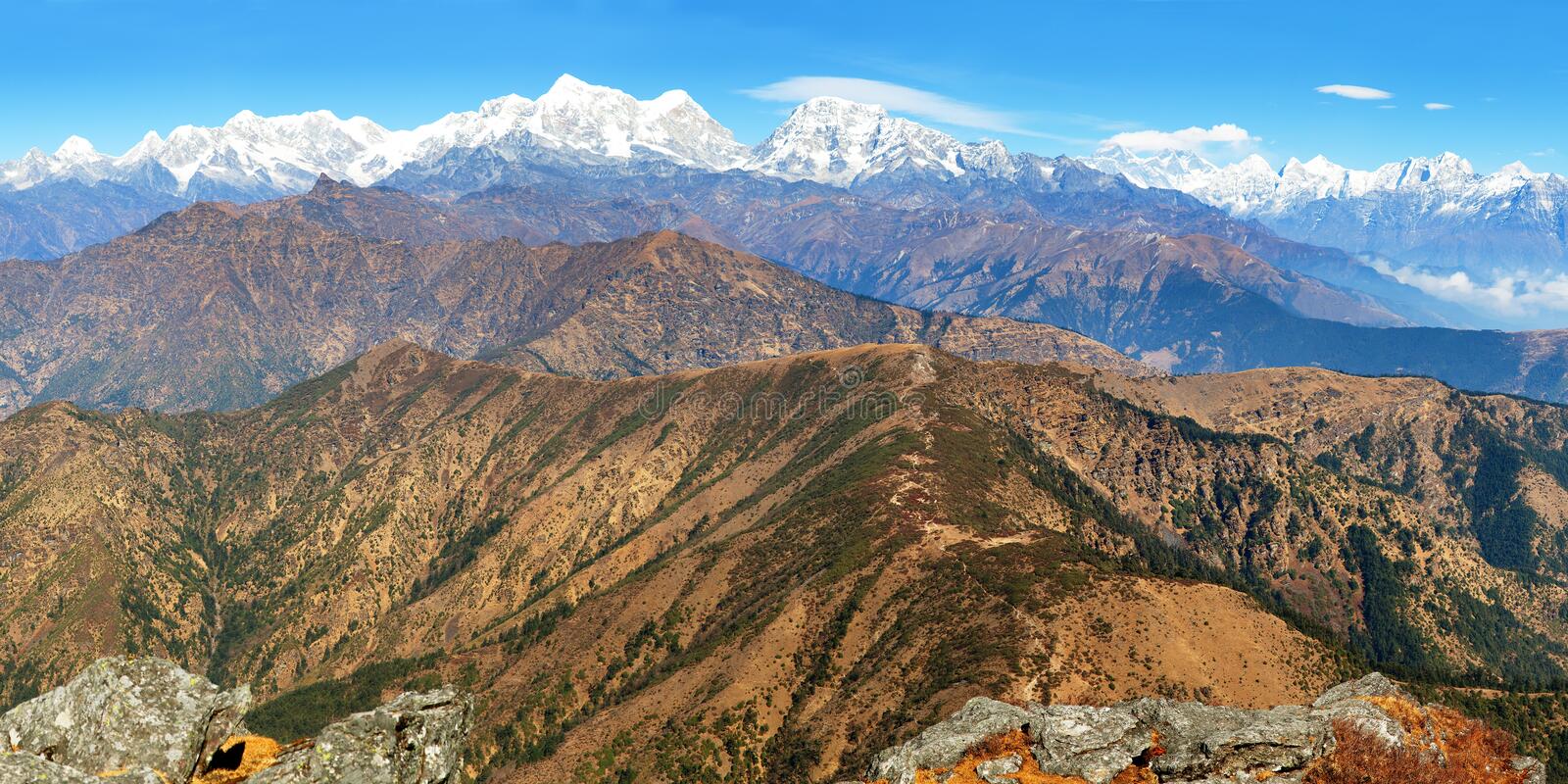
Great Himalayan Trail
Best Trek for an Epic Himalayan Adventure
Distance: Around 2,500 km
Time commitment: 50–160 days
Difficulty: Hard
Type of trek: Teahouse and camping
For experienced adventurers with plenty of time, a strong trekking background, sufficient budget, and a passion for exploring Nepal's remote mountains, the Great Himalayan Trail 2027–2028 represents the ultimate long-distance trekking challenge. Stretching across the length of the Nepal Himalayas, this extraordinary route takes trekkers far beyond the country's most famous trails and into remote landscapes where traditional villages, dramatic mountain scenery, and diverse Himalayan cultures remain an integral part of the journey.
The Great Himalayan Trail (GHT) was developed to encourage travelers to explore lesser-visited parts of Nepal while helping distribute tourism income across a broader range of rural mountain communities. The route extends from the Kanchenjunga region in eastern Nepal toward the remote western Himalayas, passing through an extraordinary variety of environments, from deep valleys and forests to high alpine terrain and demanding mountain passes.
Completing the entire trail is both a major physical challenge and a complex logistical undertaking. Trekkers may need to arrange multiple trekking permits and permissions, some of which are subject to specific validity periods and route requirements. Accommodation also changes considerably along the journey, with established sections offering teahouses while more remote areas require camping and additional logistical support.
Rather than attempting to complete all 2,500 km in a single expedition, many adventurous travelers choose to divide the Great Himalayan Trail into manageable sections. Completing different segments over several trips or years allows more time to experience local communities, landscapes, and cultures without turning the journey into an overwhelming undertaking. For serious trekkers seeking a once-in-a-lifetime Nepal trekking adventure in 2027–2028, the Great Himalayan Trail offers an unparalleled way to explore the country's Himalayan wilderness from east to west.

Tamang Heritage Trail
Best Trek in Nepal for Culture & Authentic Village Life
Distance: Around 55 km
Time commitment: 6 days
Difficulty: Moderate
Type of trek: Teahouse and homestay
If your idea of the perfect Nepal trekking adventure goes beyond mountain views and includes meaningful cultural encounters, the Tamang Heritage Trail 2027–2028 is an excellent choice. While Nepal is famous for its spectacular Himalayan scenery, this relatively short trek places greater emphasis on traditional village life, Buddhist heritage, local hospitality, and the unique culture of the Tamang people.
The journey begins at Syabrubesi and follows a scenic loop through the hills north of the Langtang region, connecting traditional Tamang villages surrounded by forests, farmland, and mountain landscapes. The route provides opportunities to experience the everyday life of remote Himalayan communities while enjoying impressive views of the surrounding mountains.
One of the highlights is staying in family-run homestays and local teahouses, where trekkers can experience genuine village hospitality and learn about Tamang traditions, customs, food, and Buddhist culture. The Tamang people have deep historical and cultural connections with the Himalayan region and Tibetan cultural traditions. Along the trail, you can also discover Buddhist monasteries, temples, chortens, prayer wheels, mani walls, and sacred sites, adding cultural depth to the trekking experience.
For travelers seeking a combination of authentic Himalayan culture, village homestays, Buddhist heritage, mountain scenery, and moderate trekking, the Tamang Heritage Trail offers a memorable and rewarding journey in Nepal during 2027–2028.

Upper Mustang Trek
Best For: Impressive Buddhist monasteries, cultural immersion, and lovely landscapes
Trip Length: 14 days
Difficulty: Moderate
Highlights: Horse-riding to the walled city of Lo Manthang, scenic flight to Jomsom, Tibetan Buddhist culture, LOTS of cultural experience like exploring sky caves, Trans-Himalayan desert landscapes.
Upper Mustang Trek 2026–2028: A Journey into Nepal’s Forbidden Kingdom
If your idea of a perfect Himalayan adventure is exploring ancient monasteries, dramatic desert-like landscapes, traditional villages, and photogenic mountain scenery rather than tackling extreme snowy peaks, the Upper Mustang Trek is an exceptional choice. Hidden beyond the main Himalayan ranges, Upper Mustang offers a fascinating combination of Tibetan-influenced culture, rugged cliffs, colorful prayer flags, historic monasteries, and spectacular high-altitude landscapes. The region is especially appealing to travelers looking for a peaceful and culturally immersive experience away from Nepal’s busier trekking routes.
The journey generally begins in Pokhara before heading north toward the remote Mustang region and the historic “Forbidden Kingdom of Nepal.” As the trail enters Upper Mustang, the scenery changes dramatically from green mountain valleys to dry, windswept landscapes surrounded by towering cliffs and barren hills. Along the way, trekkers encounter traditional Mustang communities whose language, customs, architecture, and Buddhist traditions reflect the region’s distinctive Himalayan heritage. Villages, ancient chortens, monasteries, caves, and traditional mud-brick houses create countless opportunities for cultural discovery and photography.
The Upper Mustang Trek 2026–2027–2028 is also an attractive option for travelers who want a Himalayan trekking experience without reaching the extreme elevations found on some of Nepal’s famous high-mountain routes. A typical itinerary includes around 9 trekking days, although the exact duration can vary depending on the route and itinerary. The highest point on many standard Upper Mustang itineraries is around 3,840 meters, making the trek a compelling choice for travelers who prefer moderate high-altitude trekking combined with cultural exploration.
Another major advantage of the Upper Mustang trekking season is its relatively long travel window. Because much of the region lies in the rain-shadow area of the Himalayas, Upper Mustang can be suitable for trekking during periods when monsoon conditions affect many other parts of Nepal. Popular trekking months generally extend from March through November, while itinerary suitability depends on weather, road conditions, local conditions, and the specific route. Travelers should always confirm current access and permit requirements before departure.
One of the most fascinating cultural highlights is the Tiji Festival, an important annual celebration in Lo Manthang featuring traditional Buddhist rituals, masked dances, music, and vibrant cultural performances. Usually held around May, the festival provides a remarkable opportunity to experience the living heritage of Upper Mustang. Travelers planning specifically for Tiji should check the official festival dates for their travel year and arrange permits, accommodation, transportation, and trekking logistics well in advance.
From the dramatic landscapes of the Kali Gandaki region to the ancient streets of Lo Manthang, the Upper Mustang Trek 2026–2028 offers a rare blend of Himalayan adventure and cultural discovery. With its ancient monasteries, distinctive Tibetan-influenced heritage, peaceful villages, spectacular landscapes, and extended trekking season, Upper Mustang is an unforgettable destination for travelers seeking a different side of Nepal.

Makalu Base Camp Trek
Best For: incredible views and absolutely no crowds.
Trip Length: 15 days
Difficulty: Challenging
Highlights: Makalu Base Camp (5th highest mountain in the world), Makalu Barun National Park, local cultures of Sherpas, Rai, and Limbu people, and Baruntse Glacier.
Makalu Base Camp Trek 2026–2028: Remote Himalayan Adventure
For adventurous trekkers seeking a remote Himalayan experience far from Nepal’s busiest trails, the Makalu Base Camp Trek 2026–2027–2028 offers an extraordinary journey into one of the country’s most spectacular and less-visited mountain regions. Set around Mount Makalu, the world’s fifth-highest mountain, this challenging trek combines dramatic Himalayan scenery, remote mountain communities, diverse landscapes, and authentic cultural encounters. It is an excellent choice for experienced hikers who want to explore beyond the classic trekking routes and experience the raw beauty of eastern Nepal.
The trail takes you deep into the Makalu-Barun region, where enormous Himalayan peaks dominate the horizon and the distinctive pyramid-shaped summit of Mount Makalu creates one of the most impressive mountain views in Nepal. With fewer trekkers than the popular Everest and Annapurna routes, the journey offers a greater sense of wilderness, solitude, and exploration. Along the way, trekkers have opportunities to meet local Rai and Sherpa communities, experience traditional mountain lifestyles, and discover the unique cultural heritage of eastern Nepal.
The Makalu Base Camp Trek delivers remarkable variety throughout the journey. The route crosses suspension bridges, winds through beautiful rhododendron and alpine forests, passes dramatic glaciers and high mountain valleys, and climbs through remote alpine landscapes surrounded by snow-covered peaks. Terraced hillsides and traditional villages gradually give way to rugged high-altitude terrain, creating an incredible transition from lush lower valleys to the stark Himalayan wilderness surrounding Makalu Base Camp.
Another highlight is the opportunity to stay in local teahouses and mountain lodges along sections of the route while experiencing a trekking environment that remains considerably quieter than Nepal’s major trekking corridors. The combination of remote trails, dramatic landscapes, traditional communities, and spectacular mountain panoramas makes this trek particularly appealing to travelers searching for an authentic off-the-beaten-path Nepal trekking experience.
The region is also renowned for its exceptional biodiversity. Trekkers traveling through the Makalu-Barun National Park and Conservation Area may encounter a remarkable range of Himalayan flora and fauna. Depending on the season, route, and luck, wildlife sightings can include the red panda, Himalayan black bear, Himalayan tahr, musk deer, and, in rare cases, the elusive snow leopard. The changing vegetation and altitude create one of Nepal’s most diverse trekking environments.
For 2026–2028, the Makalu Base Camp Trek is an exciting choice for experienced trekkers looking to combine challenging Himalayan adventure with pristine landscapes and meaningful cultural encounters. From colorful rhododendron forests and traditional Rai villages to glaciers, high mountain passes, alpine valleys, and unforgettable views of Mount Makalu, every stage of the journey reveals a different side of Nepal.
If you are searching for a remote Nepal trek, Makalu Base Camp itinerary, Makalu trekking adventure, or challenging Himalayan trek 2026–2028, this remarkable route offers the opportunity to venture deep into one of Nepal’s most spectacular and least-crowded mountain regions.
Tips for trekking in Nepal

Essential Trekking Gear for Nepal 2027–2028
Much of the equipment you need for trekking in Nepal can be easily found in Kathmandu at reasonable prices. Items such as down jackets, trekking poles, backpacks, gloves, and other trekking accessories are widely available. However, it is strongly recommended to bring a pair of comfortable, durable trekking boots from home and wear them beforehand so they are properly broken in before your trek begins. Depending on your route and altitude, pack warm, windproof layers, a lightweight waterproof jacket, warm hat, gloves, and a good-quality down jacket for cold mornings and nights.
A sleeping bag is another important item for Himalayan trekking, particularly for high-altitude campsites and basic mountain teahouses where nighttime temperatures can drop significantly. A reusable hot-water bottle can provide extra warmth at night; alternatively, a heat-resistant water bottle filled with hot water can be placed inside a sock and used as a simple bed warmer. On organized camping treks, porters can carry your main trekking equipment, while the trekking agency generally arranges tents, cooking equipment, and meals at designated camping stops.
Don't forget your camera accessories and personal electronics. Extra memory cards are useful for storing photographs, while a reliable power bank helps keep your phone, camera, GPS, and other devices charged during the trek. A portable solar charger can provide additional backup power in remote areas, although charging performance varies considerably between models, weather conditions, and available sunlight. Check the charging capacity and specifications before relying on solar equipment for a long trek.
Planning Tip: Make Your Trekking Meals More Enjoyable
Nepal's classic dal bhat—rice, lentil soup, and vegetable curry—is a nutritious and popular trekking meal, but eating the same style of food repeatedly can become monotonous during a longer journey. If you enjoy stronger flavors, consider carrying a small bottle of hot sauce, chili seasoning, or another lightweight condiment. Some trekkers also bring shelf-stable snacks such as dry salami or meat jerky where permitted. Smart food planning can make your Nepal trekking experience 2027–2028 more comfortable without adding unnecessary weight to your backpack.
Should You Hire a Porter for Your Nepal Trek?
How much can you comfortably carry? Some experienced trekkers prefer to carry all their own equipment, but hiring a porter or porter-guide in Nepal can make your journey considerably more comfortable while also creating valuable employment for local mountain communities. A porter can carry your main luggage, allowing you to walk with a much lighter daypack and focus more on the scenery, culture, and experience. Porter rates vary according to the trekking region, duration, season, services, and agency, so confirm the current price before booking. Porters commonly carry a substantial load, but responsible operators should keep the weight within appropriate limits.
For a safe and reliable arrangement, it is best to hire porters through a reputable trekking agency that follows responsible employment practices. Independent porters may also be available through trekking lodges or at trailheads, but travelers should clearly agree on the daily rate, responsibilities, accommodation, meals, insurance, and maximum load before starting the trek. Choosing an established local trekking company can also make communication, emergency support, and logistical arrangements much easier during your Nepal trekking adventure 2027–2028.
Responsible Porter Welfare
Hiring a porter comes with a responsibility to ensure their health, safety, and well-being. Porters should have suitable clothing, proper footwear, adequate food and accommodation, insurance or appropriate protection, and a manageable load for the altitude and terrain. Responsible trekking agencies should provide the necessary support and equipment rather than expecting porters to work in unsuitable conditions.
For travelers booking with Adventure Nepal Eco Treks Pvt. Ltd., asking about porter welfare before departure is an important part of responsible trekking. At the end of your journey, consider donating good-quality unwanted trekking clothing or equipment through appropriate local channels so it can potentially benefit people working in the mountains. Supporting fair treatment of porters helps create a more ethical, sustainable, and rewarding Nepal trekking experience in 2027–2028.
When Is the Best Time to Trek in Nepal?
The best time for trekking in Nepal generally falls during spring and autumn, with autumn traditionally attracting the largest number of trekkers. October and November often bring stable weather, clear mountain visibility, and comfortable daytime trekking conditions, although conditions can vary from year to year. Trekking is also possible from December to February, particularly on lower and mid-altitude routes, but temperatures can become extremely cold at higher elevations and snow may affect high mountain trails.
The spring trekking season from March to May is another popular period, especially for climbers preparing for expeditions on Nepal's highest mountains. Lower elevations can become warm as spring progresses, while haze or changing weather may occasionally affect long-distance Himalayan views. Nevertheless, spring brings blooming rhododendrons and vibrant landscapes, making it an attractive season for many trekking routes.
The monsoon season from June to September brings frequent rain, clouds, muddy trails, and reduced mountain visibility, so many trekkers choose other seasons. However, rain-shadow destinations such as Upper Mustang, Manang, and parts of the Dolpo region can offer trekking opportunities during the monsoon. Access to remote trailheads may still be affected by road conditions and transportation disruptions. Climate and weather patterns are changing, so travelers should check current forecasts and local conditions rather than relying only on traditional seasonal expectations when planning a Nepal trek in 2027–2028.
How Can I Prevent Altitude Sickness While Trekking in Nepal?
Acute Mountain Sickness (AMS) can affect travelers when ascending to high elevations, particularly above approximately 2,500m. Because some popular Nepal trekking routes reach elevations above 5,000m, proper acclimatization is one of the most important parts of a safe Himalayan journey. The key principle is to ascend gradually, allow your body time to adapt, stay adequately hydrated, and avoid unnecessarily rapid gains in sleeping elevation.
Plan regular acclimatization and rest days on high-altitude itineraries. These days can include short walks around nearby villages or viewpoints, but avoid treating an acclimatization day as an opportunity for excessive exertion. A commonly used trekking guideline is to keep increases in sleeping altitude gradual once you are above the main acclimatization threshold. Your guide should adjust the itinerary according to altitude, weather, route conditions, and how you are feeling.
Good physical preparation also helps. Before arriving in Nepal, build your endurance through regular walking, hiking, stair climbing, or other suitable training. Acetazolamide may be recommended for some travelers to help prevent or reduce AMS, but it should be discussed with a qualified medical professional before your trek. If altitude symptoms become severe, do not continue ascending. Inform your guide immediately, and descend to a lower elevation if symptoms do not improve. Severe altitude illness can become life-threatening and requires prompt action.
How Can I Trek Responsibly in Nepal?
Responsible trekking helps protect Nepal's fragile mountain environment while ensuring that local communities benefit from tourism. One simple way to reduce waste is to carry a reusable water bottle and use safe water-treatment tablets, a filtration system, or another appropriate purification method instead of repeatedly purchasing disposable plastic bottles. Carry your rubbish with you and follow local waste-management practices, particularly in remote trekking areas.
Stay on established trails and avoid creating shortcuts, which can accelerate soil erosion and damage vegetation. When selecting accommodation, consider teahouses and lodges that use more sustainable energy sources or demonstrate responsible waste and water-management practices. Supporting locally owned lodges, guides, porters, and other services also helps keep tourism income within mountain communities.
You can further reduce your environmental and social impact by considering less-crowded trekking routes or alternative travel periods when appropriate. Spending nights at locally operated lodges along the established route can distribute tourism income beyond the busiest stopping points. By respecting local culture, minimizing waste, protecting trails, and supporting local communities, travelers can enjoy a more meaningful and sustainable Nepal trekking experience in 2027–2028.
1. What are the 10 best trekking trails in Nepal for 2027–2028?
The best trekking trails in Nepal for 2027–2028 cover a wide range of landscapes, altitudes, cultures, and difficulty levels. Popular choices include Everest Base Camp, Annapurna Circuit, Annapurna Base Camp, Manaslu Circuit, Langtang Valley, Kanchenjunga, Ghandruk Loop, Mardi Himal, Upper Mustang, and the Makalu Base Camp or other remote Himalayan routes. The right trek depends on your available time, fitness, preferred altitude, season, accommodation style, and interest in culture or wilderness.
2. Which is the best trek in Nepal for first-time trekkers?
For first-time visitors, Ghandruk Loop, Ghorepani Poon Hill, Langtang Valley, and Annapurna Base Camp can provide excellent introductions to Himalayan trekking. These routes combine mountain scenery, traditional villages, teahouse accommodation, and established trails. Trekkers seeking the iconic Everest experience can choose Everest Base Camp, but it requires more preparation because of its higher altitude and longer itinerary.
3. Which Nepal trekking trail is best for spectacular mountain views?
Everest Base Camp, Annapurna Base Camp, Mardi Himal, and Manaslu Circuit all provide exceptional Himalayan scenery. Everest Base Camp offers views of Everest and surrounding peaks, while Annapurna Base Camp places trekkers inside a dramatic mountain sanctuary. Mardi Himal is known for close views of Machhapuchhre, and Manaslu combines impressive mountain panoramas with remote landscapes and traditional Himalayan villages.
4. What is the best short trek in Nepal for 2027–2028?
Travelers with limited time can consider Ghandruk Loop, Ghorepani Poon Hill, Mardi Himal, Langtang Valley, or Everest View Trek, depending on their preferred duration and altitude. Shorter routes allow visitors to experience Himalayan scenery without committing to several weeks in the mountains. Your choice should also consider road access, weather, walking hours, and the amount of altitude gain involved.
5. Which is the best Nepal trek for avoiding crowds?
Trekkers looking for quieter trails can consider Kanchenjunga, Manaslu, Nar Phu, Tsum Valley, and other restricted or remote Himalayan routes. These areas generally have fewer trekkers than the most famous Everest and Annapurna trails. Remote trekking usually requires more planning, appropriate permits, an organized trekking arrangement, and greater preparation because accommodation and infrastructure can be limited.
6. What is the best season for trekking the top trails in Nepal?
The traditional peak trekking periods are spring and autumn. March to May offers pleasant conditions and blooming rhododendrons on many lower and mid-altitude routes, while September to November is widely popular for clearer mountain views and generally favorable trekking conditions. Winter can be suitable for several lower-altitude routes, whereas high passes may experience snow and severe cold. Monsoon trekking is challenging on many routes, although rain-shadow destinations such as Upper Mustang can remain viable.
7. How difficult are the 10 best trekking trails in Nepal?
Difficulty varies considerably between routes. Ghandruk Loop and lower-altitude short treks are generally easier, while Langtang Valley, Mardi Himal, and Annapurna Base Camp are commonly considered moderate depending on itinerary and conditions. Everest Base Camp and Annapurna Circuit involve substantial altitude and sustained walking. Remote routes such as Manaslu and Kanchenjunga can be considerably more demanding because of longer itineraries, high passes, remote terrain, and limited infrastructure.
8. Do I need a guide and permits for trekking in Nepal in 2027–2028?
Permit and guide requirements depend on the trekking region and the latest regulations in force when you travel. Several major trekking areas have requirements for licensed guides and trekking documentation, while restricted regions have additional permit requirements and must be arranged through authorized trekking agencies. Before departure, confirm the current requirements for your specific route, including conservation-area or national-park entry permits and the applicable trekking information or registration documents.
9. How much does trekking in Nepal cost in 2027–2028?
The cost of trekking in Nepal depends on the route, number of trekking days, accommodation, transportation, permits, guide and porter services, group size, season, and whether you choose a private or group package. Short teahouse treks generally require a smaller budget than long, remote camping adventures. Everest Base Camp, Manaslu, Kanchenjunga, and restricted-area treks can involve higher costs because of permits, transportation, guide support, and logistical requirements. Always check exactly what is included before booking.
10. How should I choose the best trekking trail in Nepal for 2027–2028?
Start by comparing trek duration, difficulty, maximum altitude, season, scenery, cultural experiences, accommodation, transportation, and budget. Beginners may prefer a shorter established route, while experienced hikers might choose a challenging circuit or remote Himalayan adventure. If you have limited time, select a trail accessible from Kathmandu or Pokhara; if solitude is your priority, consider a less-visited region. A reputable local trekking agency can also help customize the itinerary according to your fitness, interests, travel dates, and experience level.
2 day, 3 day, 4 day, 5 day, 6 day, 7 day, 8 day, 9 day, 10 day, 11 day, 12 day, 13 day, 14 day, 15 day, 16 day, 18 day, 20 day
Our Energetic and dynamic team at Adventure Nepal Eco Treks has earned 5/5 star ratings on TripAdvisor. Don't forget to visit our Trekkers feedback page on TripAdvisor. If you believe our expert team can be helpful in planning your next trip to Nepal, then please do not hesitate to contact us at info@nepalecotrekking.com. Expert also available 24x7 on WhatsApp +977- 9851082358
Recent From Blog


8th Sep, 2026

16th Aug, 2026

10th Aug, 2026

8th Aug, 2026

1st Aug, 2026

31st Jul, 2026

29th Jul, 2026
25th Jul, 2026

29th Jun, 2026
4th Jan, 2026


5th Jun, 2025

19th May, 2025

9th May, 2025

18th Apr, 2025

22nd Oct, 2024
21st Oct, 2024
19th Oct, 2024

18th Oct, 2024

11th Oct, 2024
11th Oct, 2024
8th Oct, 2024
