
27th Oct, 2026
Group Joining Trekking in Nepal
Nepal is recognized worldwide as one of the leading trekking destinations, and it was here that organized commercial trekking first began in the early 1960s.
Table of Contents
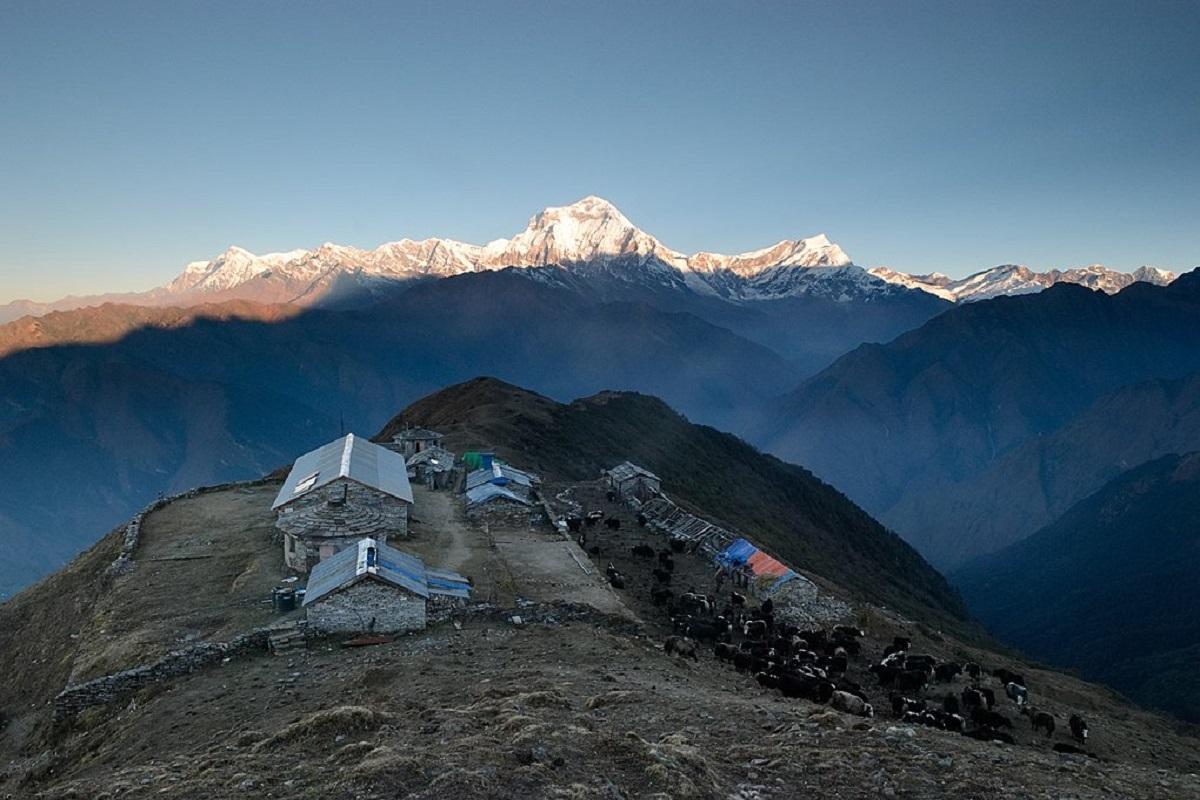
Among the country’s best-known trekking areas are the Everest and Annapurna regions, offering a wide range of routes for trekkers of different interests and abilities. Other outstanding destinations include Langtang and Kanchenjunga. For the most demanding adventure, the Great Himalayan Trails form a vast network of routes stretching across Nepal, from Humla and Darchula in the west to Kanchenjunga in the east. Nepal’s remarkable variety of trekking experiences is unmatched by any other country. Its elevation ranges from just 59 metres above sea level in the Tarai plains to Mount Everest, rising to 8,848 metres, with both extremes separated by only about 200 kilometres in a straight line. Most international travellers arrive through Tribhuvan International Airport in Kathmandu. Before setting off on a trek, visitors generally arrange the necessary permits and documents in Kathmandu, either through a trekking agency or the relevant government offices. Officials may inspect these documents at checkpoints along the trails. Even travellers with limited time can enjoy short half-day hikes from Kathmandu, offering spectacular views of the Himalayan mountains.
Trekking in Nepal has evolved significantly since the 1960s. Across the major trekking regions, lodges have been developed within and around National Parks and Conservation Areas, providing trekkers with places to sleep, enjoy meals, and interact with fellow travellers and local communities along the routes. Most established trails are maintained regularly, and many have clear signposts to help visitors follow the correct paths.
Many lodges offer comfortable facilities, including places to recharge electronic devices, while larger villages may also provide email and internet services. Trekking routes differ considerably in duration, difficulty, and the best season to visit. Beyond the principal trekking destinations, transportation can be more challenging, sometimes requiring two or more domestic flight connections. Numerous treks start with a flight to a remote trailhead, as many mountain destinations remain inaccessible by road. Reaching the higher Himalayan settlements from nearby population centres or administrative hubs may require several days of walking.
Nepal features six distinct vegetation zones, each reflecting changes in altitude and climate. These range from tropical landscapes below 1,000 metres and subtropical areas at roughly 1,000–2,000 metres to lower temperate forests at 1,700–2,700 metres, upper temperate zones at 2,400–3,000 metres, and subalpine terrain between 3,000 and 4,000 metres. Alpine vegetation extends from around 4,000 metres towards the snowline, beyond which lies a vast, tundra-like Himalayan wilderness. The remote high-altitude environment provides habitat for elusive wildlife, including snow leopards, Himalayan tahr, musk deer, and other rare species.
Well-established trekking destinations such as Kanchenjunga, Everest, Manaslu, and Annapurna offer lodge-based accommodation along many popular routes. However, quieter trails within these regions, along with trekking destinations farther west of Annapurna, often have fewer lodging facilities. Travellers exploring these less-developed areas will generally need camping arrangements, supported by trekking crews who provide tents, meals, and essential supplies throughout the journey.
Visitors should understand that tourism is one of the major sources of income for people living in Nepal’s hill and mountain communities. Many local residents support their families by working as trekking guides or porters. Hiring a porter is not a sign of weakness; rather, it demonstrates respect for Nepali culture and helps provide a livelihood for a local family. It also gives you the opportunity to connect with someone who knows the region intimately, including its traditions, festivals, customs, and everyday challenges. Sharing the trail with a knowledgeable local person can transform an enjoyable trek into a truly memorable, once-in-a-lifetime experience.
Although trekking independently or without a Nepali guide may be possible on certain routes, travelling through remote mountains without local support can be risky. Consider how you would respond to a severe storm, near-zero visibility, or rapidly falling temperatures at elevations approaching 5,000 metres. Before setting out, ensure you have the necessary permits and respect both the natural environment and local cultural traditions. Trekking is possible throughout the year in Nepal, but weather conditions vary considerably by region. Southern areas generally receive more rainfall, while some sections of the Great Himalayan Trails fall within rain-shadow zones on the northern, leeward sides of the mountains. These drier destinations include Mustang, north of the Annapurna and Manaslu ranges; Dolpo, north of Dhaulagiri; and parts of far-western Nepal north of Saipal Himal. After the monsoon, skies often become clearer and mountain views improve. Winter brings crisp conditions but colder temperatures and shorter daylight hours, while spring may experience occasional rain and snowstorms. Summer is relatively brief before the monsoon season arrives. During the rainy months, trekkers often choose drier areas such as Manang and Mustang.
Nevertheless, the monsoon does not bring continuous rainfall throughout the day, and the season breathes life into Nepal’s landscapes, covering hillsides with colourful wildflowers and lush vegetation. It can also be an excellent opportunity to explore trekking destinations sheltered by the Himalayas from the heaviest rain. These rain-shadow regions offer a strikingly different environment, with dry valleys, rugged terrain, and Tibetan-style landscapes that contrast with the green forests and vegetation found on the wetter southern slopes.
Group Joining Trekking in Nepal 2027–2028 | Share the Adventure, Discover the Himalayas
Experience the magic of the Himalayas with Group Joining Trekking in Nepal 2027–2028 by Adventure Nepal Eco Treks Pvt. Ltd. Join like-minded travellers, explore spectacular mountain trails, discover authentic Nepali culture, and create unforgettable memories together. From the legendary Everest Base Camp and breathtaking Annapurna region to the peaceful Langtang Valley, our group treks offer incredible scenery, experienced local guides, and opportunities to share the adventure at great value. Whether you are a solo traveller, a couple, or a trekking enthusiast, find your perfect Himalayan journey, make new friends, and turn your dream of trekking in Nepal into reality!
20 FAQs: Group Joining Trekking in Nepal 2027–2028
Discover everything you need to know about Group Joining Trekking in Nepal 2027–2028 with Adventure Nepal Eco Treks Pvt. Ltd. These frequently asked questions cover group departures, prices, permits, accommodation, safety, guides, and the best Himalayan trekking experiences for international travellers.
1. What is group joining trekking in Nepal?
Group joining trekking in Nepal allows individual travellers to join other hikers on a shared trekking adventure. Instead of arranging a completely private trip, you share the guide, and often some logistical costs, with other participants. It is an excellent way to explore the Himalayas, meet people from different countries, experience Nepali culture, and enjoy an organized trekking holiday at a competitive price.
2. Which are the best group joining treks in Nepal for 2027–2028?
Popular options include Everest Base Camp Trek, Annapurna Base Camp Trek, Annapurna Circuit Trek, Langtang Valley Trek, Ghorepani Poon Hill Trek, Mardi Himal Trek, Nar phu valley Trek and Manaslu Circuit Trek. Each offers different landscapes, cultural experiences, trekking durations, and difficulty levels. The best choice depends on your fitness, available time, preferred altitude, and trekking experience.
3. How much does group joining trekking in Nepal cost in 2027–2028?
The cost depends on the trekking destination, number of days, group size, transportation, accommodation, meals, permits, and guide services. Short treks generally cost less than remote or high-altitude adventures. Ask Adventure Nepal Eco Treks Pvt. Ltd. for a detailed quotation specifying inclusions, exclusions, group departure dates, and any additional expenses before booking.
4. Can solo travellers join a trekking group in Nepal?
Yes. Group joining treks are particularly suitable for solo travellers who want to explore Nepal without organizing every detail independently. You can meet fellow trekkers, share experiences, and enjoy support from a local trekking guide. Confirm whether a departure is guaranteed and whether the group has available places before booking your trip.
5. When is the best time for group joining trekking in Nepal?
Spring (March to May) and autumn (September to November) are generally the most popular trekking seasons. Spring brings blooming rhododendrons and pleasant mountain scenery, while autumn often offers clear skies and excellent Himalayan views. Winter is suitable for selected lower-altitude treks, while monsoon trekking may be possible in rain-shadow destinations such as Upper Mustang, subject to local conditions and current regulations.
6. What is the minimum group size for a joining trek?
The minimum group size depends on the particular departure and the operator's booking policy. Some trips may proceed with just two participants, while others require additional bookings to confirm a departure. Ask the company whether your selected trip is guaranteed, how many people are already booked, and what happens if the minimum group size is not reached.
7. Are group joining treks in Nepal safe?
Group trekking can be a rewarding and well-organized experience when the route is appropriate for the participants and the trip is supported by qualified local professionals. A licensed guide can help with navigation, local conditions, accommodation arrangements, and emergency coordination. However, high-altitude trekking carries risks, so proper acclimatization, suitable equipment, travel insurance, and following your guide's safety advice are essential.
8. Do I need a guide for group joining trekking in Nepal?
A trekking guide is included in many organized group joining packages and provides assistance with route navigation, local culture, daily arrangements, and safety. Certain restricted areas require specific permits and authorized guide arrangements. Regulations can differ by destination, so confirm the latest requirements for your chosen trek before departure.
9. What permits are required for group trekking in Nepal?
Permit requirements depend on your destination. Many treks in the Annapurna region require an Annapurna Conservation Area Permit, while the Everest region may require local entry permits and applicable national park entry fees. Langtang treks generally require the relevant conservation-area and national-park permissions. Restricted destinations such as Manaslu and Nar Phu have additional requirements. Your operator should confirm which permits apply and whether they are included in the package.
10. What accommodation is provided during group joining treks?
Most popular trekking routes offer teahouses or mountain lodges with basic rooms, beds, blankets, and shared facilities. Accommodation standards vary by village and altitude. Private rooms may be available in some places, but during busy seasons, shared rooms or limited facilities may be necessary. Kathmandu accommodation and room-sharing arrangements depend on the specific package.
11. Are meals included in group joining trekking packages?
Meal arrangements vary by package. Some trekking packages include breakfast, lunch, and dinner during the trek, while others include only selected meals. Mountain lodges commonly serve dal bhat, noodles, soups, rice, potatoes, eggs, and other simple dishes. Always check the written itinerary to understand which meals, drinks, and snacks are covered in the price.
12. What fitness level is needed for group joining trekking in Nepal?
Fitness requirements depend on the route. Short treks such as Ghorepani Poon Hill may suit active beginners, while Everest Base Camp, Manaslu Circuit, and Annapurna Circuit generally require better endurance and preparation. Regular walking, uphill training, stair climbing, and longer hikes before departure can help you prepare. Choose a route that matches your ability rather than relying only on the advertised difficulty rating.
13. Can beginners participate in group joining treks?
Yes. Beginners can join suitable trips, especially shorter, lower-altitude itineraries with manageable daily walking distances. Choose a trek with enough time for rest and gradual ascent, and inform the operator about your experience and fitness level. High-altitude routes require additional preparation because altitude sickness can affect anyone, regardless of age or physical fitness.
14. What should I pack for a group joining trek in Nepal?
Essential equipment usually includes sturdy trekking boots, moisture-wicking clothing, warm layers, a waterproof jacket and trousers, a daypack, sun protection, a reusable water bottle, a headlamp, and personal medication. Higher-altitude treks may require a warm down jacket, gloves, a hat, and a suitable sleeping bag. Your trekking company should provide a destination-specific packing list before departure.
15. What happens if I experience altitude sickness during the trek?
Tell your guide immediately if you develop symptoms such as headache, nausea, dizziness, unusual fatigue, or loss of appetite at altitude. Do not continue ascending while symptoms are worsening. Depending on the severity, the appropriate response may include rest, descent, medical assessment, and emergency evacuation. Travel insurance should cover high-altitude trekking and helicopter rescue where applicable. Never rely on a group schedule instead of following medical and safety advice.
16. Can I join a group trekking departure after arriving in Kathmandu?
Sometimes. However, advance booking is recommended, particularly for popular departures during spring and autumn. Last-minute availability depends on group capacity, permits, guide arrangements, transportation, and accommodation. Booking early gives you more choice of departure dates and time to prepare the required documents and trekking equipment.
17. Are transportation and domestic flights included in group joining packages?
Transportation depends on the itinerary and package inclusions. Some treks include road transfers, while Everest-region itineraries may require domestic flights to and from Lukla. Flight costs, baggage limits, airport transfers, and possible weather-related delays should be checked before booking. Some operators offer alternative transport arrangements when conditions disrupt the planned journey, which may involve additional costs.
18. Can I customize a group joining trek in Nepal?
A scheduled group joining trek generally follows a fixed itinerary so participants can travel together. You may be able to select a different departure date or choose another route, subject to availability. If you need a different pace, accommodation standard, private room, or personalized itinerary, a private trek may be more suitable. Ask the operator which adjustments are possible before confirming your booking.
19. What is the difference between group joining trekking and private trekking?
Group joining trekking involves sharing a planned departure with other travellers, which can reduce some per-person operating costs and provide opportunities to make new friends. Private trekking gives you greater flexibility over departure dates, pace, and itinerary arrangements, depending on the route and permit rules. Group joining is ideal for travellers seeking companionship and value, while private trips suit those who prefer a more personalized experience.
20. How can I book group joining trekking in Nepal for 2027–2028?
Choose your preferred trek, travel dates, duration, and difficulty level, then contact Adventure Nepal Eco Treks Pvt. Ltd. to request available group departures and a detailed quotation. Confirm the group size, included services, permit costs, accommodation, meals, cancellation terms, and payment conditions before making a deposit. Also ensure you have suitable travel insurance and sufficient preparation time. Early planning is recommended for popular Himalayan routes in 2027 and 2028.
Plan your Himalayan adventure
Whether you dream of reaching Everest Base Camp, exploring the Annapurna mountains, walking through Langtang Valley, or discovering remote Himalayan communities, group joining trekking in Nepal for 2027–2028 offers an opportunity to share an unforgettable adventure with travellers from around the world.
Contact Adventure Nepal Eco Treks Pvt. Ltd. to check current group departure dates, availability, itinerary details, and prices for your preferred trek.
Travel Nepal with Our Experienced Local Team
At Adventure Nepal Eco Treks, our energetic, professional, and dedicated team is committed to creating memorable journeys across Nepal. Our focus on reliable service, personalized support, and authentic Himalayan experiences has earned us a 5/5-star rating on TripAdvisor from travelers who have explored Nepal with us.
Before planning your adventure, we invite you to explore our traveler feedback and reviews on TripAdvisor to discover what our guests say about their trekking, tours, cultural journeys, and Himalayan adventures with us.
If you are planning your next trip to Nepal and would like expert assistance with Everest Base Camp, Annapurna, Manaslu, Langtang, Poon Hill, cultural tours, wildlife adventures, or customized Nepal holidays, our experienced local team is ready to help. We can assist with itinerary planning, trekking arrangements, permits, guides, transportation, accommodation, and other essential travel services.
Contact Adventure Nepal Eco Treks today and let our local experts help turn your Nepal travel ideas into an unforgettable Himalayan experience. Our team is available 24/7 on WhatsApp for travel advice, trip planning, and booking support.
TripAdvisor Reviews: Read our Traveller Feedback on TripAdvisor
Email: info@nepalecotrekking.com
WhatsApp: +977-9851082358
From a quick 2-day Himalayan escape to an epic 20-day journey through the heart of Nepal, there’s an adventure waiting for you. Whether you dream of walking beneath towering peaks, discovering hidden mountain villages, experiencing authentic Himalayan culture, or challenging yourself on legendary trails, Adventure Nepal Eco Treks has a journey to match your schedule and spirit.
Choose your perfect adventure from 2 to 20 days—with carefully crafted itineraries designed around your time, interests, and trekking goals. Short on time? Go farther than you imagined. Have more time? Go deeper into the Himalayas.
Pick your days. Choose your trail. Live Nepal.
2 day, 3 day, 4 day, 5 day, 6 day, 7 day, 8 day, 9 day, 10 day, 11 day, 12 day, 13 day, 14 day, 15 day, 16 day, 18 day, 20 day, 4 day, 8 day, 5 day 11 day 4 day
Recent From Blog


8th Sep, 2026

16th Aug, 2026

10th Aug, 2026

8th Aug, 2026

1st Aug, 2026

31st Jul, 2026

29th Jul, 2026
25th Jul, 2026

29th Jun, 2026
4th Jan, 2026


5th Jun, 2025

19th May, 2025

9th May, 2025

18th Apr, 2025

22nd Oct, 2024
21st Oct, 2024
19th Oct, 2024

18th Oct, 2024

11th Oct, 2024
11th Oct, 2024
8th Oct, 2024
