

16th Sep, 2026
Top Himalayan Trekking Regions in Nepal 2026–2027 | Best Treks & Packages
Discover Nepal’s best Himalayan trekking regions for 2026–2027, offering world-class mountain scenery, authentic cultures, and trekking packages for every experience level. The Everest Region reaches Everest Base Camp at 5,364 m, while the Annapurna Region rises to 5,416 m at Thorong La. Langtang offers high-altitude valleys and viewpoints, while Manaslu Circuit Trek , Kanchenjunga Circuit , Upper Dolpo, and other remote regions provide spectacular off-the-beaten-path adventures. Trekking distances vary by route, typically from 40 km for short treks to 200+ km for longer circuits and expeditions. The main trekking seasons for 2026–2027 are spring (March–May) and autumn (September–November), with rain-shadow destinations such as Mustang and Manang offering additional monsoon possibilities. Choose private or group Nepal trekking packages with experienced local guides, permits, accommodation, transportation, and porter support. Compare altitude, distance, difficulty, season, itinerary, and trekking cost, then book your Himalayan adventure online.
Table of Contents
1. Annapurna Trekking Region
The Annapurna Trekking Region is one of Nepal’s most popular destinations for travelers seeking spectacular Himalayan scenery, diverse landscapes, authentic villages, and flexible trekking packages. Famous routes include the Annapurna Circuit, Annapurna Base Camp, Ghorepani Poon Hill, Mardi Himal, and Khopra Ridge. Elevations range from lower valleys to Annapurna Base Camp at 4,130 m, while the Annapurna Circuit reaches Thorong La Pass at 5,416 m. Trekking distance depends heavily on the selected route and road access; representative itineraries range from approximately 40–50 km for shorter treks to 160+ km for longer circuit variations. The best trekking seasons are generally spring (March–May) and autumn (September–November), when mountain visibility and trail conditions are often favorable. Choose a private or group Annapurna trekking package 2026–2027 with experienced guides, permits, accommodation, meals, transportation, and porter services. For travelers searching Annapurna Trek cost, itinerary, best price, local guide, or online booking, this region offers outstanding flexibility for both first-time and experienced trekkers.
 2. Manaslu Trekking Region
The Manaslu Trekking Region is an exceptional choice for adventurous travelers searching for remote Himalayan scenery, authentic mountain culture, and challenging high-altitude trekking. The famous Manaslu Circuit Trek circles Mount Manaslu and passes through dramatic river valleys, Tibetan-influenced villages, forests, alpine landscapes, and the spectacular Larkya La Pass at approximately 5,106 m. A standard circuit is roughly 160–180 km, although exact walking distance varies according to road access, itinerary, and side trips. The ideal trekking seasons for Manaslu Trekking 2026–2027 are generally spring (March–May) and autumn (September–November). Because parts of the Manaslu area are restricted, travelers need the appropriate permits and authorized trekking arrangements. A quality Manaslu trekking package can include a licensed guide, porter, accommodation, meals, transportation, permits, and acclimatization days. This region is especially attractive to travelers seeking less-crowded trekking in Nepal, restricted-area trekking, private trekking packages, and authentic Himalayan cultural experiences. Plan early for peak-season availability and choose an itinerary that provides adequate acclimatization.
 3. Tsum Valley Trekking Region
The Tsum Valley Trekking Region is a remarkable Himalayan destination for travelers seeking ancient Tibetan Buddhist culture, remote villages, monasteries, dramatic mountain scenery, and a peaceful trekking environment. Often described as a culturally preserved Himalayan valley, Tsum offers experiences around traditional communities and important Buddhist sites. Depending on the itinerary, trekkers can reach approximately 3,700–4,000 m, with Mu Gompa located around 3,700 m. A typical Tsum Valley trekking itinerary covers approximately 140–180 km round trip, although the exact distance changes according to transportation, side trips, and the selected route. The preferred seasons are generally spring (March–May) and autumn (September–November). Tsum Valley is a restricted trekking area, so the required special permit and authorized trekking arrangements should be organized before departure. For Tsum Valley Trek packages 2026–2027, travelers can choose private itineraries with experienced local guides, porters, teahouse accommodation, meals, transportation, and permit arrangements. This region is ideal for visitors searching for remote Nepal treks, restricted-area trekking, Buddhist cultural tours, and less-crowded Himalayan adventures.
 4. Everest Trekking Region (Khumbu Valley)
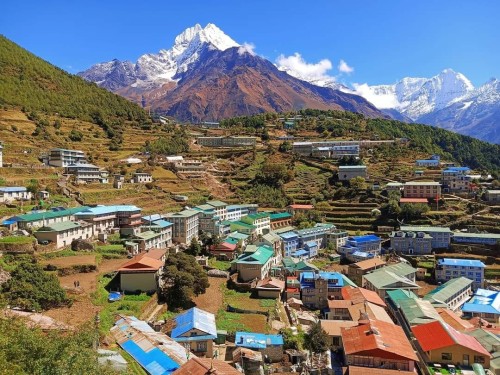
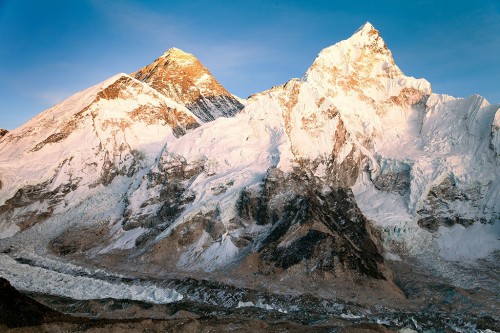
The Everest Trekking Region, also known as the Khumbu Valley, is Nepal’s world-famous Himalayan destination and home to the legendary Everest Base Camp Trek. The classic route passes through Lukla, Phakding, Namche Bazaar, Tengboche, Dingboche, Lobuche, and Gorak Shep before reaching Budget Everest Base Camp at 5,364 m. The popular viewpoint of Kala Patthar reaches approximately 5,545 m. The standard Everest Base Camp journey covers roughly 120–140 km round trip, depending on itinerary and side trips. The best seasons for Everest trekking 2026–2027 are generally spring (March–May) and autumn (September–November). The Khumbu offers spectacular views of Everest, Lhotse, Nuptse, Ama Dablam, and other Himalayan peaks alongside rich Sherpa culture and Buddhist monasteries. Travelers can choose Everest Base Camp Trek packages, Gokyo Valley treks, Everest Three Passes, or shorter Khumbu adventures. For commercial travelers searching Everest Base Camp cost, itinerary, local guide, best price, and direct online booking, the Everest region remains one of Nepal’s highest-demand trekking destinations.
 5. Langtang Trekking Region
The Langtang Trekking Region is an excellent option for travelers seeking spectacular Himalayan scenery relatively close to Kathmandu. The popular Langtang Valley Trek travels through forests, traditional Tamang and Tibetan-influenced villages, alpine landscapes, and the beautiful Langtang Valley toward Kyanjin Gompa at approximately 3,870 m. Trekkers can continue toward Kyanjin Ri, around 4,600 m, depending on weather, fitness, and itinerary. A typical Langtang Valley route covers approximately 65–80 km round trip, although transportation and side trips can change the total. The best seasons for Langtang trekking 2026–2027 are generally spring (March–May) and autumn (September–November). The region offers excellent opportunities for mountain photography, cultural immersion, short Himalayan holidays, and longer trekking adventures. Popular packages include Langtang Valley Trek, Langtang Gosainkunda Trek, and Tamang Heritage Trail. Travelers searching for short Nepal trekking packages, affordable Himalayan treks, Langtang Trek cost, local guides, and private trekking itineraries can find excellent options here. A professional package can include permits, guide, porter, accommodation, meals, and transportation.
 6. Virgin Trekking Region
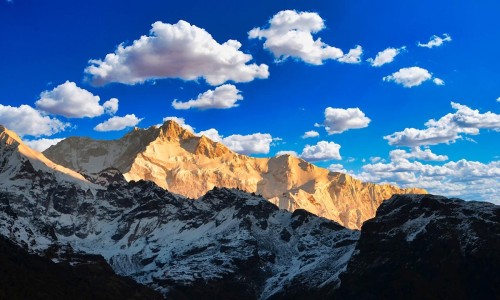
For travelers looking beyond Nepal’s famous trails, the Virgin Trekking Regions offer remote landscapes, authentic villages, unique cultures, and quieter Himalayan experiences. Destinations such as Kanchenjunga Circuit Trek, Makalu base camp, Upper Dolpo Trek , Nar phu Valley, Rara Lake Trek , and remote parts of western Nepal provide opportunities to explore areas with fewer trekkers and a stronger sense of wilderness. Altitude varies significantly: Kanchenjunga Base Camp is around 5,140 m, while other virgin trekking destinations range from lower valleys to high mountain passes exceeding 5,000 m. Distances are equally diverse, with longer remote expeditions often covering 100–250+ km, depending on the route and itinerary. The preferred trekking seasons are generally spring (March–May) and autumn (September–November), although rain-shadow destinations such as Upper Dolpo and Mustang can offer different seasonal possibilities. Some areas require restricted-area permits and authorized guides. For Virgin Trekking Packages 2026–2027, travelers can choose private, customized expeditions with experienced guides, porters, permits, accommodation, meals, transportation, and contingency planning. These routes are particularly valuable for experienced trekkers seeking off-the-beaten-path Nepal, remote trekking, untouched landscapes, and authentic Himalayan culture.
1. What are the most famous trekking regions in Nepal?
The most popular regions include Annapurna, Everest (Khumbu), Langtang, Manaslu, Tsum Valley, and Nepal’s more remote virgin/off-the-beaten-path trekking regions. Nepal Tourism Board identifies Everest, Annapurna, and Langtang among the country's traditional leading trekking destinations.
2. What are the highest altitudes in these trekking regions?
Altitude varies greatly by route. Everest Base Camp is 5,364 m, Thorong La on the Annapurna Circuit is 5,416 m, Larkya La on the Manaslu Circuit is about 5,106 m, while Langtang and Tsum Valley routes offer several high viewpoints and passes. Trekkers should choose an itinerary with appropriate acclimatization for high-altitude routes.
3. How many kilometers are the major Nepal trekking routes?
There is no universal distance for an entire trekking region because routes, road access, starting points, side trips, and customized itineraries vary. As a guide, Langtang Valley is commonly around 65–80 km round trip, while Everest Base Camp is roughly 120–140 km round trip on a classic itinerary. Longer Manaslu and Annapurna circuits can exceed 150 km. Always confirm the exact walking distance in your package itinerary.
4. What are the best trekking seasons for Nepal in 2026–2027?
For most Himalayan trekking regions, spring (March–May) and autumn (September–November) are the strongest seasons. Nepal Tourism Board recommends September–November and February–May for trekking because daytime conditions are generally favorable. Langtang specifically lists October–November and March–May as its best seasons.
5. Which trekking region is best for first-time trekkers?
Annapurna and Langtang offer excellent choices for first-time trekkers because they provide established trails, teahouse accommodation, mountain scenery, and cultural experiences. Shorter itineraries such as Ghorepani Poon Hill, Mardi Himal, and lower Langtang routes can be particularly attractive for travelers with limited time. Your ideal trek should be selected according to fitness, altitude experience, and available days.
6. Which region is best for Everest and high-altitude adventure?
The Everest (Khumbu) region is the premier choice for travelers wanting iconic Himalayan scenery and Everest Base Camp. The region includes spectacular peaks such as Everest, Lhotse, and Cho Oyu, as well as Sherpa villages and monasteries. Popular options include Everest Base Camp, Gokyo Valley, Everest Three Passes, and Everest View Trek.
7. Are Manaslu and Tsum Valley restricted trekking regions?
Yes. Manaslu Circuit, Manaslu–Tsum Valley, and Tsum Valley are included among routes requiring a trekking guide and TIMS under current Nepal Tourism Board provisions. Restricted-area permits also apply to designated sections. Travelers should arrange these permits through an appropriately registered trekking agency before departure.
8. What makes the Annapurna Trekking Region commercially popular?
The Annapurna region offers exceptional variety: high mountains, traditional Gurung and Thakali villages, forests, valleys, pilgrimage sites, and routes ranging from short treks to demanding high-pass adventures. The Annapurna Circuit reaches Thorong La at 5,416 m, while Annapurna Base Camp reaches 4,130 m. This variety makes Annapurna ideal for private trekking packages, family adventures, short treks, and longer Himalayan holidays.
9. What makes Langtang and virgin trekking regions different?
Langtang is one of the closest major trekking regions to Kathmandu and combines Himalayan scenery with Tamang culture, glaciers, forests, and high-altitude lakes. By contrast, remote or “virgin” destinations such as Kanchenjunga, Dolpo, Rara, Makalu, and Humla generally offer quieter trails, more wilderness, and fewer tourism facilities. Some remote destinations are restricted and require special permits.
10. How can I choose and book the best Nepal trekking package for 2026–2027?
Compare altitude, kilometers, trekking season, duration, difficulty, permits, guide and porter services, accommodation, meals, transportation, acclimatization days, and total cost before booking. For restricted regions, confirm the required permits and guide arrangements in advance. Nepal Tourism Board states that applicable protected-area and restricted-area permits must be obtained before trekking. Choose a reputable local operator offering transparent pricing and customized itineraries, then request your 2026–2027 trekking package and book directly online.
2 day, 3 day, 4 day, 5 day, 6 day, 7 day, 8 day, 9 day, 10 day, 11 day, 12 day, 13 day, 14 day, 15 day, 16 day, 18 day, 20 day
Our Energetic and dynamic team at Adventure Nepal Eco Treks has earned 5/5 star ratings on TripAdvisor. Don't forget to visit our Trekkers feedback page on TripAdvisor. If you believe our expert team can be helpful in planning your next trip to Nepal, then please do not hesitate to contact us at info@nepalecotrekking.com. Expert also available 24x7 on WhatsApp +977- 9851082358
Recent From Blog


8th Sep, 2026

16th Aug, 2026

10th Aug, 2026

8th Aug, 2026

1st Aug, 2026

31st Jul, 2026

29th Jul, 2026
25th Jul, 2026

29th Jun, 2026
4th Jan, 2026


5th Jun, 2025

19th May, 2025

9th May, 2025

18th Apr, 2025

22nd Oct, 2024
21st Oct, 2024
19th Oct, 2024

18th Oct, 2024

11th Oct, 2024
11th Oct, 2024
8th Oct, 2024
